

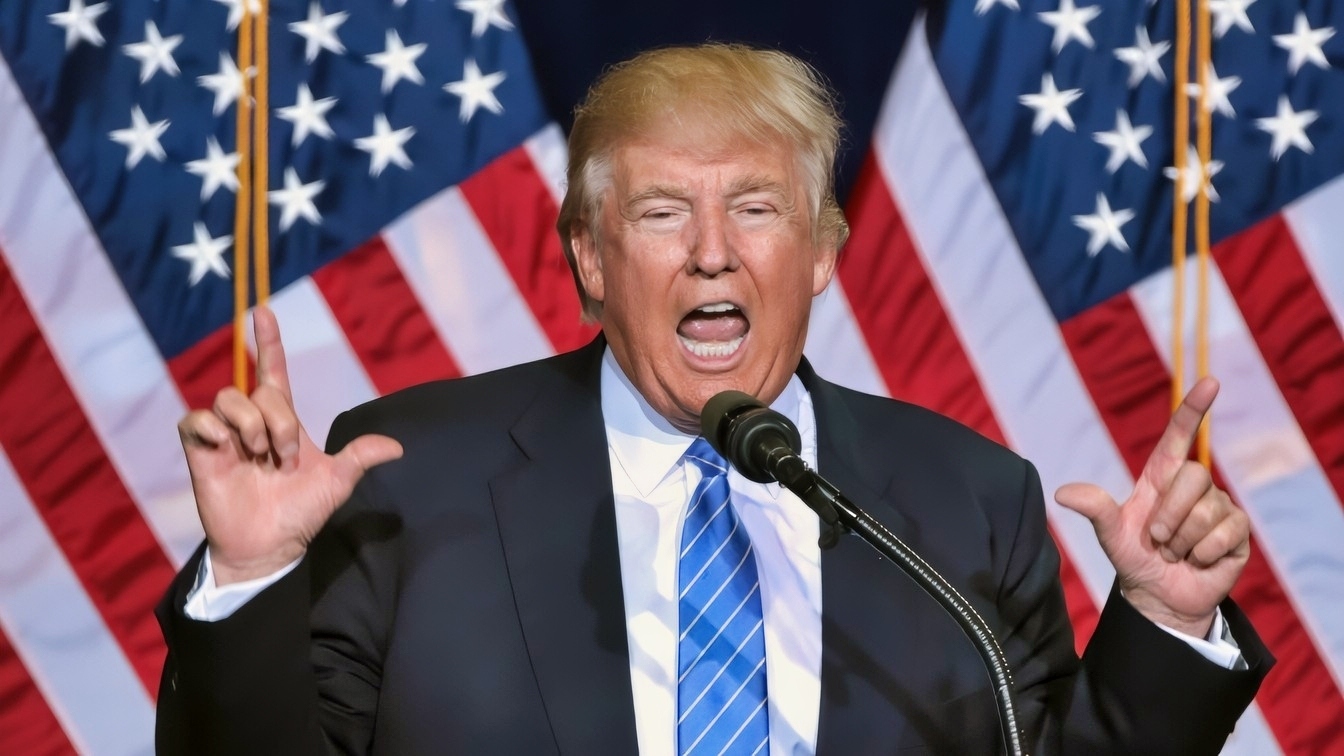
In all his election campaigns, Donald Trump has done well in rural areas, including among Americans who live in farm country or are farmers.
But now, heading into the midterm elections, there are many indications that farm country is beginning to lose faith in Trump and Trumpism.
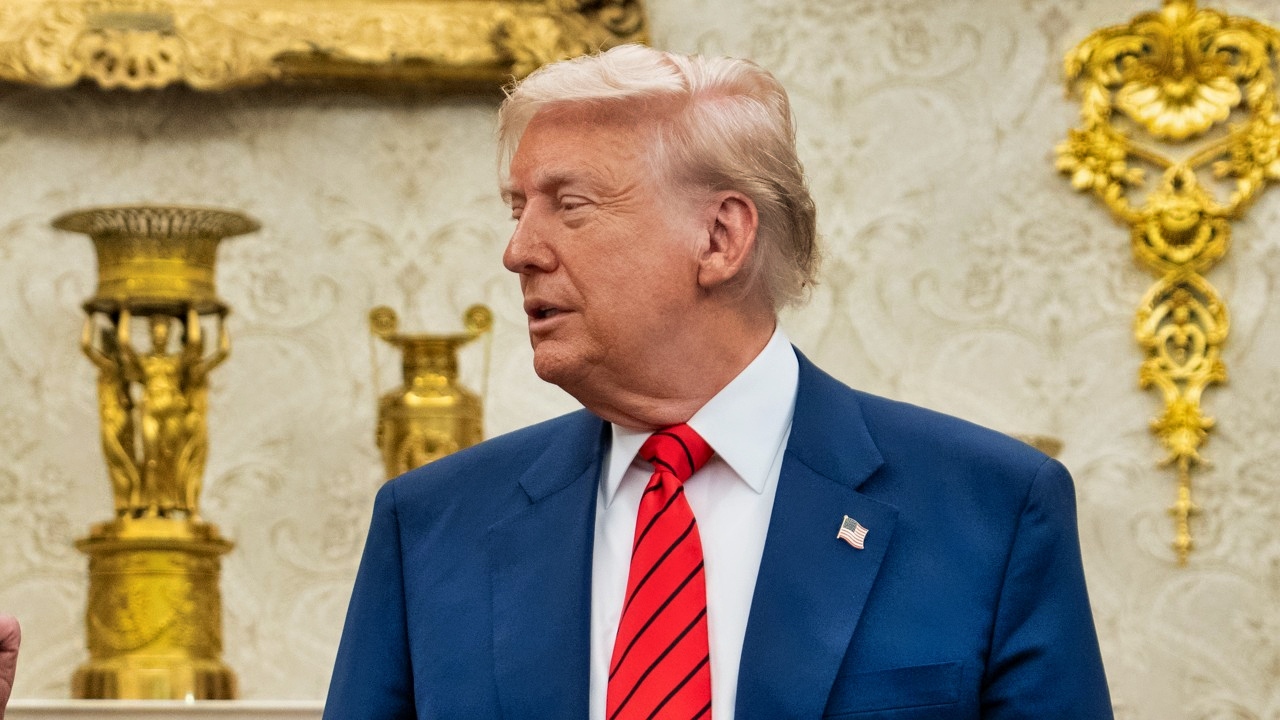
President Donald Trump meets with Canadian Prime Minister Mark Carney, Tuesday, May 6, 2025, in the Oval Office. Vice President JD Vance attends. (Official White House Photo by Emily J. Higgins)

President Donald Trump meets with Canadian Prime Minister Mark Carney, Tuesday, May 6, 2025, in the Oval Office. (Official White House Photo by Daniel Torok)
According to NPR, people in farm country are perturbed by several specific policy moves Trump has made in his second term, including his August suspension of tariffs on up to 300,000 metric tons of imported beef.
The executive order was titled “Ensuring Affordable Beef for the American Consumer.” Still, one farmer told NPR that the action has actually hurt people, including farmers who were already struggling.
“That surprise, with a very volatile market already, with a tight supply, hurts us really, really fast and really, really hard,” Iowa cattle rancher Scott Birker told NPR.
A Beef Backfire
Beef prices are unusually high right now, among many other election-year headaches for the Trump Administration.
At the same time, beef herd sizes are at 75-year lows, while demand for beef is high.
Meanwhile, farmers believe the Trump Administration’s efforts to address the high cost have done more harm than good.
These have included the trade war with China, which affected beef, followed by moves to lower tariffs on beef from Argentina, and later the August suspension of other tariffs, which applied to lean beef trimmings.
Zach Raff, a livestock economist at Iowa State University, told NPR that these policies have only increased uncertainty for farmers rather than solving the problem.
“If I’m a producer, I think, well, look what’s happening – perhaps next year they’re going to import even more,” Raff told the media outlet.
In addition, NPR said, the 300,000 metric tons applies to only about 2 percent of the country’s total beef consumption.
Therefore, the report said the policy “was enough to rattle beef producers, but not enough to help consumers,” and as a result, the price of beef dropped just 13 cents per pound in September from the month before.
Political Consequences
This dynamic has helped make Senate races competitive in some red states with lots of farm country, such as Iowa.
In that Senate race, Republican candidate Rep. Ashley Hinson broke with the Trump Administration on the tariff move, telling Fox News in an interview, “We need to focus on affordability, but I think this isn’t the way to do that.”
Hinson is running against Democrat Josh Turek, who has accused his Republican opponent of supporting Trump policies that have hurt Iowans.
NPR also notes that several major beef-producing states, including Texas, Nebraska, Montana, and Kansas, which have tended red in the last several election cycles, have surprisingly competitive Senate races this year, with Democrats showing stronger poll numbers than is typical.
Politico reported earlier in the month that Trump’s “beef gamble” wasn’t paying off, with leaders of agricultural groups expressing dissatisfaction with the import policy.
“There’s a lot of frustration and anger,” Glenn Brunkow, the president of the Kansas Farm Bureau and a farmer himself, told Politico.
Brunkow said that he knew the move was unlikely to affect prices in the short term. But then “the markets took that news, and it really knocked the price we get for our cattle down,” he added.
In addition, the rise in the price of diesel, which broke $6 for the first time this fall, has not helped farmers.
The Politico story also said Agriculture Secretary Brooke Rollins was among the administration officials who warned the president that the tariff move would “hurt ranchers and imperil Republican candidates,” but Trump went ahead anyway.
John Newton, the Farm Bureau’s vice president of public policy and economic analysis, urged the president to reverse the import decision.
“There’s still time left to pull this back,” he said, pointing to the reaction of farmers and others in the community to the policy’s effects. “I know the White House sees it. They don’t have their heads in the sand.”
About the Author: Stephen Silver
Stephen Silver is an award-winning journalist, essayist, and film critic, and contributor to the Philadelphia Inquirer, the Jewish Telegraphic Agency, Broad Street Review, and Splice Today. The co-founder of the Philadelphia Film Critics Circle, Stephen lives in suburban Philadelphia with his wife and two sons. For over a decade, Stephen has written thousands of articles on politics, national security, technology, and the economy. Follow him on X (formerly Twitter) at @StephenSilver, and subscribe to his Substack newsletter.


