

President Donald Trump faces an increasingly difficult path out of the Iran conflict. Negotiations have stalled, blocked by incompatible demands. Months of economic pressure have failed to bring the Iranian regime to the table. Strikes continue in the Strait of Hormuz and across the Middle East.
Trump said Thursday that Washington no longer needed an agreement with Tehran, while directing Vice President J.D. Vance to concentrate on alleged corruption in Democratic-led states and cities.
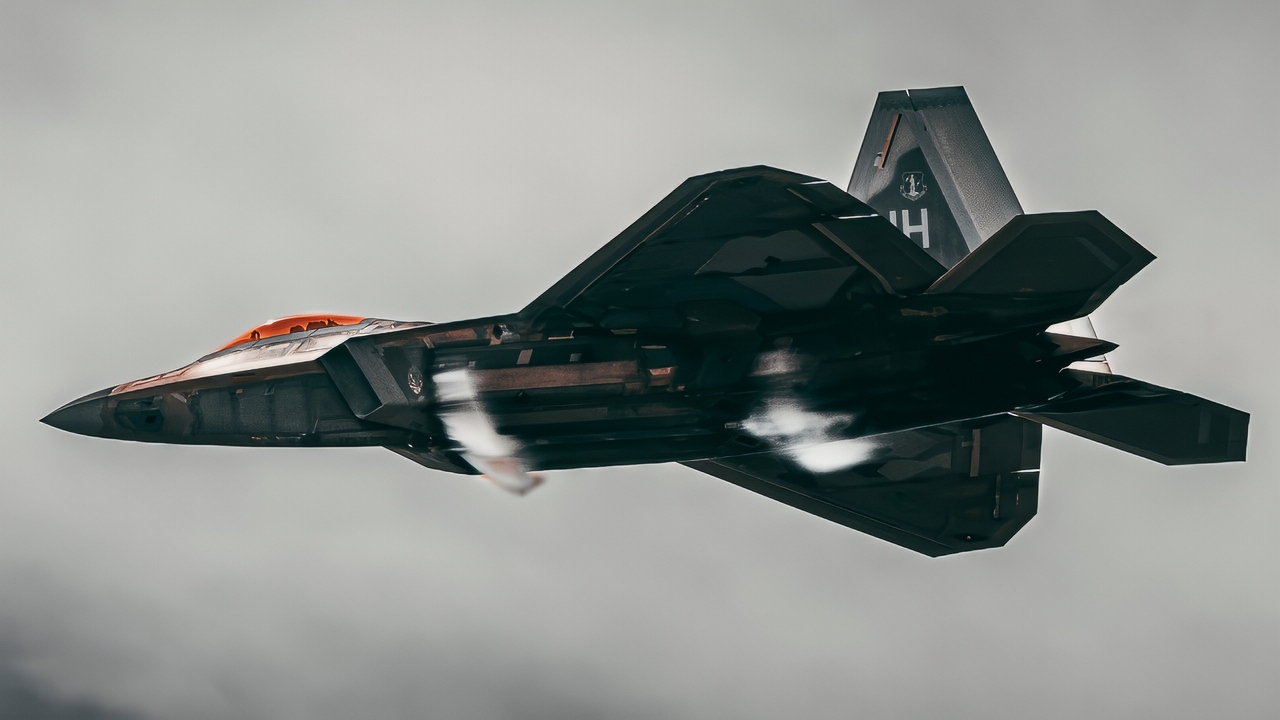
A U.S. Air Force F-22 Raptor performs a high speed pass during the 2025 Marine Corps Base Hawaii (MCBH) Kaneohe Bay Air Show, at MCBH, Aug. 9, 2025. The Kaneohe Bay Air Show provided an opportunity to showcase the aircraft, equipment, and capabilities of the armed forces in the Indo-Pacific region to the local community. The air show, which contained aerial performances, static displays, demonstrations, and vendors, was designed to celebrate MCBH’s longstanding relationship with the local community. (U.S. Army photo by Pfc. Peter Bannister)
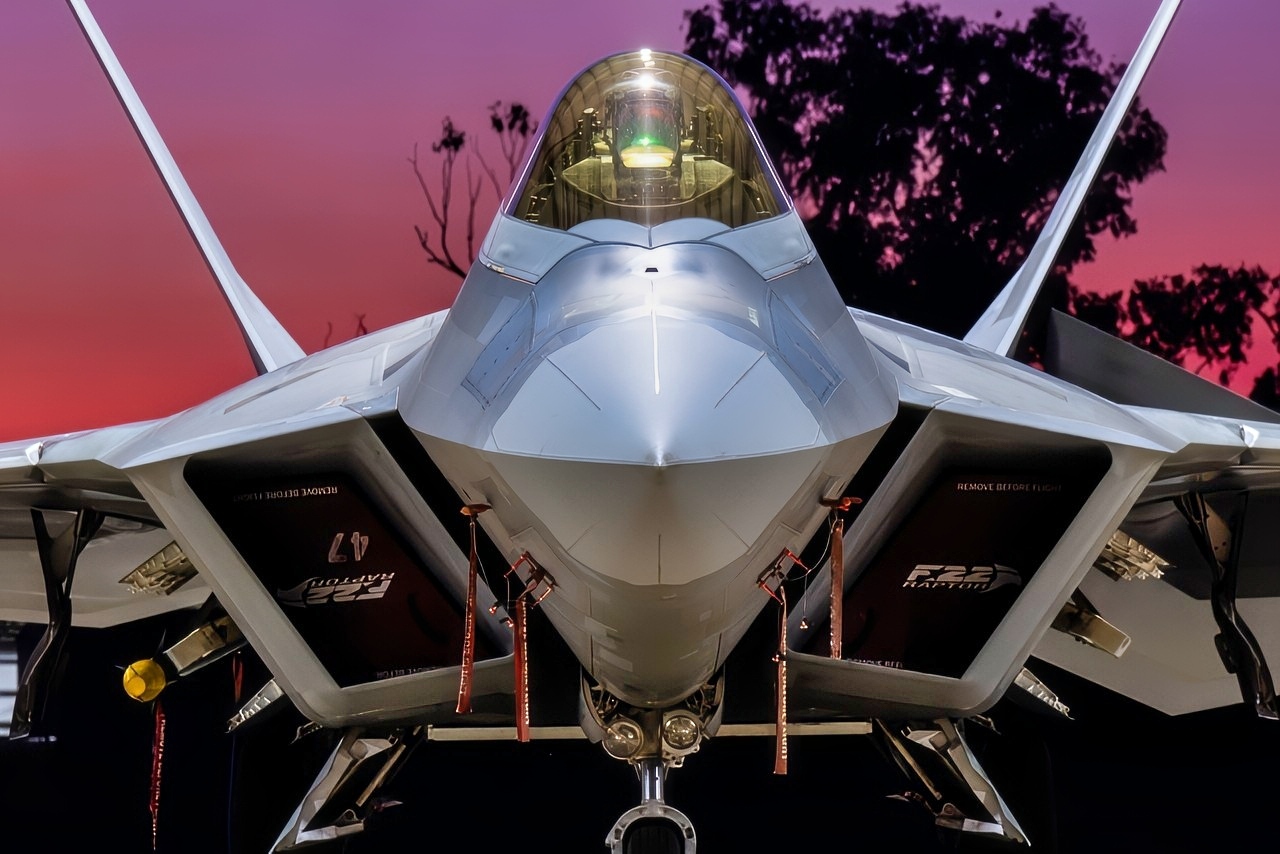
A U.S. Air Force F-22 Raptor assigned to the 199th Air Expeditionary Squadron sits beneath a hangar as the sun sets in Northern Territory, Australia, July 16, 2025, during Talisman Sabre 2025. Talisman Sabre is the largest bilateral military exercise between Australia and the United States advancing a free and open Indo-Pacific by strengthening relationships and interoperability among key allies and partners, while enhancing our collective capabilities to respond to a wide array of potential security concerns. (U.S. Air Force photo by Senior Airman Natalie Doan)
For Trump, the status quo is the way to go.
Trump Says No Need for a Permanent Deal
A lengthy statement on Truth Social confirmed what U.S. officials, including the president himself, pointed to earlier this week. Announcing that he was moving Vance away from his diplomatic efforts to end the war, Trump said the vice president would now “focus his complete and total attention on the Massive Corruption and Crime taking place in Democrat run Cities and States throughout the U.S.”
“We don’t need a deal with Iran,” Trump added. “Those days have long since passed. We’ve got their money, Hundreds of Billions of Dollars, and we’ve got their Strait!”
Earlier in the week, Trump told reporters that a resumption of major strikes was “highly unlikely” after weeks of threatening a return to the bombardment seen in the war’s initial weeks following the midterm elections, adding that “Iran, militarily, is effectively over,” and that there is “positive momentum” behind ongoing discussions to end a conflict that is now into its ninth month.
“We’re just keeping it the status quo,” the president said. “And we’re doing that really at the behest of countries that are their neighbors.”
Inflicting Economic Pain is the Plan
Trump’s reference to the status quo means a no-war, no-peace situation. The U.S. and Iran are not endlessly striking one another’s targets, but equally, a peace agreement to permanently end hostilities remains a distant prospect.
The first signs that negotiations to end the conflict were stalling came from Secretary of State Marco Rubio on Sunday, who, on his way to the G7 in Paris, told reporters that discussions had been unproductive due to Iran’s “outrageous and ridiculous” demands.
“Iran would love a deal. The problem is the conditions they keep imposing are absurd. Like, they’re not even serious right now,” he told reporters at the subsequent foreign ministers meeting.
The administration’s approach became clearer when Rubio said that rather than pursuing peace or a military victory, the White House is set to continue the status quo.
“The president doesn’t just have two options,” Rubio reportedly explained. “It’s not just return to war or sign a ridiculous peace deal. We won’t do a stupid deal. The third option we have is to continue to do what we do now,” adding that the economic sanctions and ongoing naval blockade were continuing to disrupt the Iranian economy, limiting its ability to fund terrorist groups or rebuild its armed forces.
Demanding An End to the Ongoing Developments
While the approach may be favorable for Washington, Iranian Supreme Leader Mojtaba Khamenei is less enthralled by the predicament his country faces.
“The supreme leader ordered us to end the no-war, no-peace situation,” said Iranian President Masoud Pezeshkian earlier this week. “We can hold talks with dignity and bring the matter to an end with dignity.”
Khamenei, who became the country’s third supreme leader after the death of his father on the first day of the conflict, has not been seen in public since February.
Strikes Continue Across the Middle East
The result of the fresh Washington approach is a scenario where Iran can strike U.S. targets, including those in Gulf neighbors, as a justifiable (at least from an Iranian viewpoint) defense mechanism in an ongoing war.
For regional stability, that’s problematic. While bombs and drones are not raining down on either side of the Persian Gulf, sporadic strikes continue, with Bahrain struck within the past 24 hours as “retaliation,” according to Iran’s Islamic Revolutionary Guard Corps. Shipping, too, remains under threat in the Strait of Hormuz.
Trump’s approach of preserving the new normal has many benefits for the U.S., but Gulf nations see their exports targeted and their sovereignty threatened.
Questions remain about how long it will take for the president to realize a new strategy is required.
About the Author: Shay Bottomley
Shay Bottomley is a British journalist. He has written for the Western Standard, Business Insider, Maidenhead Advertiser, Slough Express, Windsor Express, Berkshire Live and Southend Echo.