

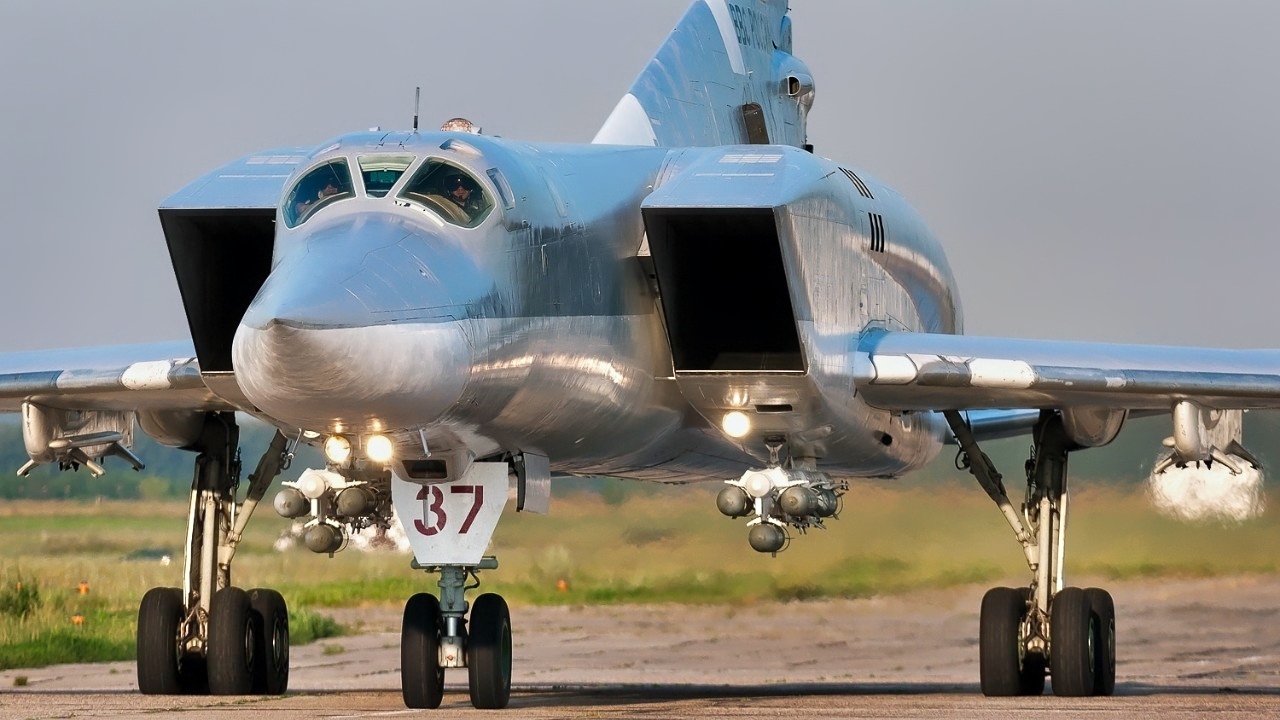
Key Points – Ukraine’s “Operation Spiderweb” on June 1st was a stunning tactical success, with open-source intelligence confirming at least 13 Russian strategic aircraft (Tu-95s, Tu-22M3s) were destroyed or damaged deep inside Russia using ingeniously deployed drones.
-The attack served as a much-needed morale booster for Ukraine and sent a message to Russia and the US that Kyiv remains highly capable.
-However, the strike is unlikely to fundamentally alter the war’s trajectory. Russia retains the upper hand on the ground, can continue attacks with ballistic missiles and kamikaze drones, and may now have hardened its resolve, making a near-term negotiated peace even less probable.
The Drones Hurt Russia: But the Ukraine War Isn’t Over
Ukraine’s daring Spiderweb Operation gave Russia’s strategic bomber fleet a serious blow that will cost Moscow around $7 billion in repairs. In addition to the physical damage, the operation is a huge morale victory for the Armed Forces of Ukraine who have been in desperate need of a victory after the Kursk debacle.
The attack shows that Ukraine is still in a position of strength and will hopefully force Russia to reconsider its own position the war. Unfortunately, as successful as the operation was, it is unlikely to stop the current tempo of Russia’s operations or force it back to the negotiating table.
Ukraine’s Surprise Card
The attack occurred during the day utilizing truck cargo containers that had been repurposed into drone carriers. The SBU supposedly snuck at least four of these containers into Russia, two of which either failed to activate or where intercepted. The attack targeted Belaya Air Base and Olyenka Air Base, both of which are located thousands of miles away from the Ukrainian border deep in Russia. It is likely that Dyagilevo and Engles Air Base were also targeted but based on satellite footage, no damage was sustained.
Based on the footage and satellite images, around eight Tu-95s were struck along with at least four Tu-22M3s, and one An-12 transport aircraft were destroyed. Pro-Ukrainian sources claim that 40 were targeted and destroyed, however, there has not yet been any video or satellite imagery to corroborate these claims, making it likely that they are exaggerated. Nevertheless, at least 13 high value aircraft were struck in one attack, making it one of the most effective strikes by Ukraine in the entire war.
Because production for the Tu-95 and Tu-22M3 ended decades ago, the damaged aircraft are likely to remain out of commission for at least several years before they become operational again.
Why Ukraine Needed Operation Spiderweb
Operation Spiderweb came as a much-needed morale booster to the Ukrainian Army. Ever since the Kursk offensive, the Russian Army has been slowly but steadily gaining ground on nearly all fronts. After more than three years of constant fighting, the AFU is in desperate need of a ceasefire and needs time to replenish its strength.
However, despite both Russia’s and Ukraine’s exhaustion, neither side is willing to give into the other’s demands. Consequently, the war has continued with negotiations achieving next to nothing.
Ukraine’s Spiderweb Operation is a message to both Russia and the US Ukraine is still in a position of strength. President Trump has repeatedly criticized Ukraine for fighting what he considers to be an unwinnable war. This attack against Russia’s bomber fleet is a message to Trump that Ukraine is not as weak as he thinks. To Russia, Operation Spiderweb is a message that high value targets are no longer safe deep within Russia. The hope is that the attack will force Russia to reconsider its own position in the war and force Putin to accept Ukraine’s demands.
Too Early for a Ceasefire
The recent operation from the SBU looks extremely good for Ukraine and humiliating for Russia, but the war is still far from over.
While 13 knocked out bombers is a staggeringly good result for one operation, it is still only about 10% of Russia’s fleet of strategic bombers. Interestingly, no Tu-160 heavy bombers or MiG-31 aircraft were targeted (both of which were housed at Belaya Air Base), leaving Russia with a significant capability still under its belt. Russia’s missile campaign is likely to continue, with strategic bombers still contributing.
While Russia’s strategic bombers have been a significant threat to Ukraine throughout the entirety of the war, currently, the bigger threat is Russian kamikaze drones and ground based ballistic missiles. Over the past couple of weeks, Russia launched more than 500 drones into Ukraine with impacts confirmed throughout the country. The Iskander ballistic missile has also been used to devastating effect. These weapons are more versatile than the Kh-101 cruise missiles launched by strategic bombers.
These weapons are more versatile and are much harder to intercept than air launched subsonic cruise missiles. Additionally, Geran-2 drone is much easier and cheaper to manufacture, making it ideal for overwhelming enemy air defenses.
The War is not Ending Anytime Soon
There is also a possibility that Ukraine’s attack will have the opposite effect of its intended purpose. Rather than dissuading the Russians from continuing their attacks, there is the chance that Operation Spiderweb only strengthens Russia’s resolve to continue the war and end Ukraine for good.
During President Trump’s most recent conversation with Putin, Putin reportedly stated that Russia will respond severely to Ukraine’s attack. Whether this response is a PR show of force or an actual escalation remains to be seen. Regardless, Russia is unlikely to head back to the negotiating table after the attack on its airfields.
It is no mistake that the attack occurred a day before negotiations took place in Istanbul. Whether intentionally or not, the operation sends a strong signal that Ukraine is not ready to end the war and is willing to go to drastic measures to deal damage to Russia.
Between this attack and Russia’s continual drone strikes, it is safe to say that there will be no diplomatic solution to the war in Ukraine. Unfortunately, this may not be the ideal outcome for Ukraine. If we look away from the airbases back to the front, Russia is in a much better position than Ukraine is.
While Operation Spiderweb may have been a success, Ukraine is no nearer to expelling the Russian’s from its land as it was a month ago.
About the Author:
Isaac Seitz, a Defense Columnist, graduated from Patrick Henry College’s Strategic Intelligence and National Security program. He has also studied Russian at Middlebury Language Schools and has worked as an intelligence Analyst in the private sector.
Russia’s Bomber Forces


Pingback: The Only Way to End the War in Ukraine - National Security Journal
Pingback: Ukraine 'Drone Strikes' Force Russia to Stop GPS and Close Airports in Moscow - National Security Journal