

Following weeks of speculation about additional North Korean involvement in the war in Ukraine, Russia reportedly used North Korean ballistic missiles in a deadly overnight attack on Ukraine.
President Volodymyr Zelenskyy made the claim on Tuesday, August 11, saying it was evidence of the deepening military relationship with Pyongyang.
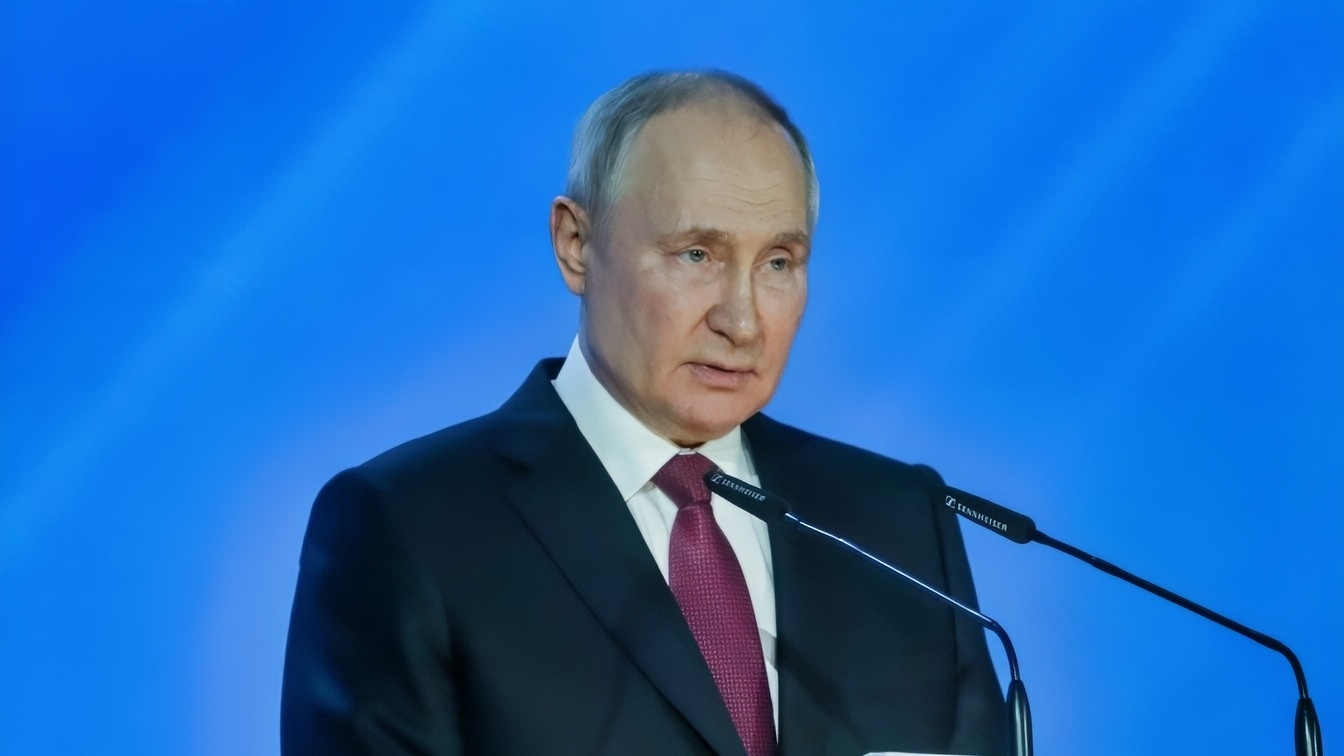
Putin March 2023 Image Credit Creative Commons
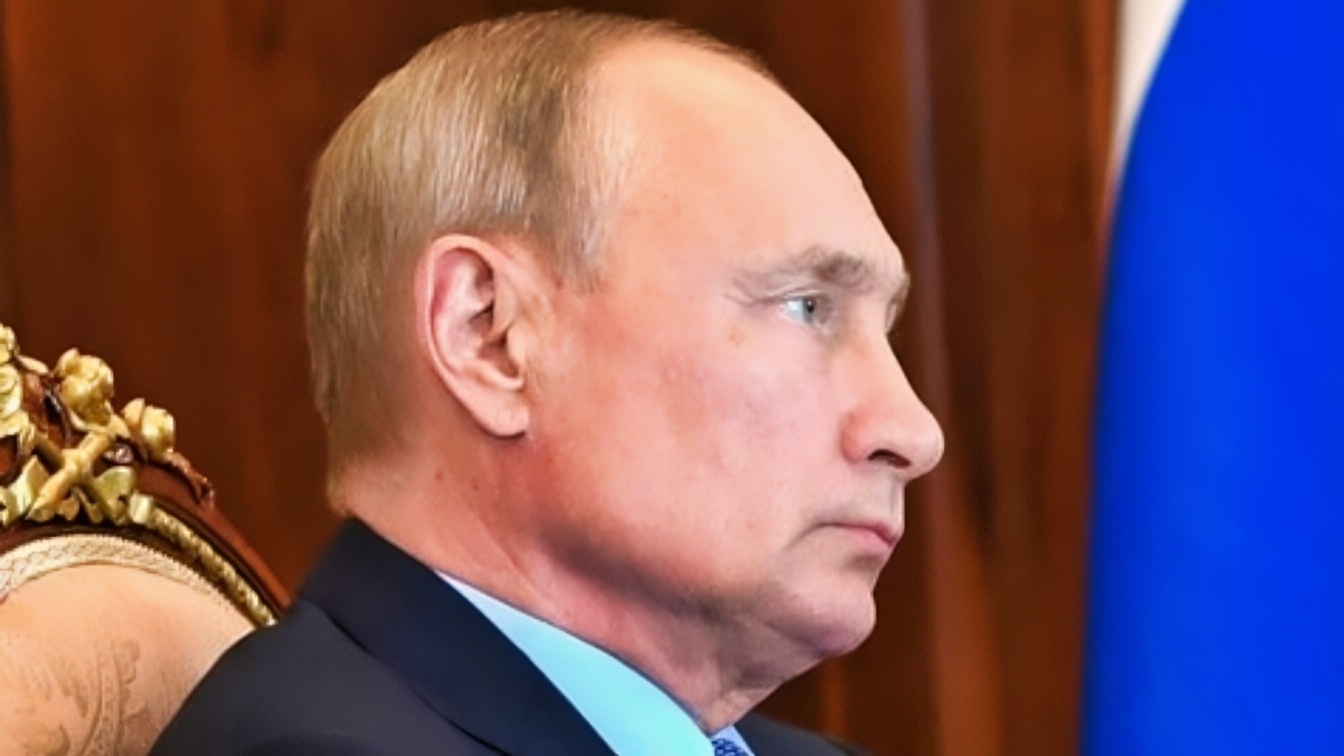
Putin Back in July of 2020 Creative Commons Image
At least 10 civilians were killed in Russian attacks across Ukraine overnight into Tuesday, August 11, according to the latest figures reported by the Associated Press.
Seven people were killed and 24 injured in the southeastern city of Zaporizhzhia, while three others, including a 15-year-old boy, were killed in attacks on the Dnipropetrovsk region.
Zelenskyy said North Korean missiles were among the weapons used against Zaporizhzhia.
North Korean Missiles Hit Zaporizhzhia
The overnight attack came as Russia also launched strikes against several Ukrainian regions.
Zelenskyy claimed that Russian forces used a combination of North Korean ballistic missiles, Zircon missiles, and guided aerial bombs in the attacks.
“Emergency response efforts have been ongoing since last night to deal with the aftermath of the Russian strike on Zaporizhzhia. The city was struck with North Korean ballistic missiles, Zircons, and guided aerial bombs. It was a vicious attack, calculated to inflict maximum damage specifically on civilian infrastructure. Unfortunately, as of now, six people have been reported killed and nineteen wounded in the city. My condolences to their families and loved ones. First responders are continuing to extinguish a fire at one of the impact sites,” Zelenskyy said in a statement.
He also said that, in Kyiv, a missile strike caused damage to an infectious diseases hospital building and several nearby businesses, while drone strikes continued throughout the country, hitting substations in Kherson and Kharkiv and causing power outages.
Zelenskyy also said that more than 120 Shahed-style drones were fired during the overnight attack, but noted that the drones were upgraded jet-powered versions of Iranian Shahed designs.
Blasting North Korean involvement in the war, Zelenskyy said that Moscow is preparing to escalate and that the world must respond with additional sanctions that put pressure on elements of Russia’s critical wartime economy.
“Every step Russia takes – increasing ballistic missile production, bringing in North Korean equipment, preparing for mobilization – all of this shows that Moscow is preparing not for peace, but for escalation. And the world needs to respond now, not wait. More sanctions pressure, specifically on enterprises that fuel Russia’s war, more air defense assistance for Ukraine – all of this is needed to give peace a chance. I am grateful to everyone who is helping,” he said.
What Russia Said
The Russian Defense Ministry said that its forces had targeted military-related infrastructure overnight, including the Zaporizhstal steelworks in Zaporizhzhia, which Moscow claimed produced steel used for Ukrainian military purposes.
Russia also said it struck the Nova Poshta sorting complex and Kyiv-3 transport and logistics hub in the Ukrainian capital, alleging that the sites were being used to store drone, robotic-system, and electronic-warfare components.
Ukraine has repeatedly accused Russia of hitting civilian and commercial infrastructure under the justification that it supports the military.
The strikes also came just one day after a major Ukrainian drone attack hit Russia’s Tatarstan region and killed at least 13 people near the Taneco oil refinery in Nizhnekamsk, more than 700 miles from the Ukrainian border.
North Korea Was Already Preparing More Missiles
Zelenskyy’s account of the overnight attack fits closely with intelligence reports published in recent days suggesting that North Korea was preparing to dramatically expand its missile support for Russia.
The news doesn’t necessarily mean that new missiles have arrived yet; the missiles may already be in the Russian stockpile, and they may have been used in anticipation of more arriving soon.
Reuters reported on August 5 that, according to Ukrainian military intelligence, a roughly 90-person North Korean missile unit was deploying to Russia’s Voronezh region.
The unit could eventually operate six launchers supplied with as many as 120 North Korean ballistic missiles. At least 40 missiles had reportedly already arrived.
North Korea has supplied Russia with roughly 150 KN-23 and KN-24 ballistic missiles since late 2023.
Zelenskyy also warned in late July that Pyongyang was preparing to provide Russia with additional ballistic missile launchers and that Moscow was even preparing to receive as many as 30,000 North Korean troops.
Additional ballistic missiles and launchers are particularly useful to Russia now, as Ukraine struggles to obtain sufficient quantities of interceptors that can stop ballistic missile attacks.
Ukraine relies heavily on U.S.-made Patriot systems for ballistic missile defense, but Zelenskyy warned last week that deliveries of interceptors in 2026 have fallen to roughly one-third of their 2025 level.
Estimates from Ukraine now suggest that Russia is preparing to take advantage of that shortage and could soon launch as many as 100 ballistic missiles per month.
About the Author: Jack Buckby
Jack Buckby is a British researcher and analyst specializing in defense and national security, based in New York. His work focuses on military capability, procurement, and strategic competition, producing and editing analysis for policy and defense audiences. He brings extensive editorial experience, with a career output spanning over 1,000 articles at 19FortyFive and National Security Journal, and has previously authored books and papers on extremism and deradicalization.


