

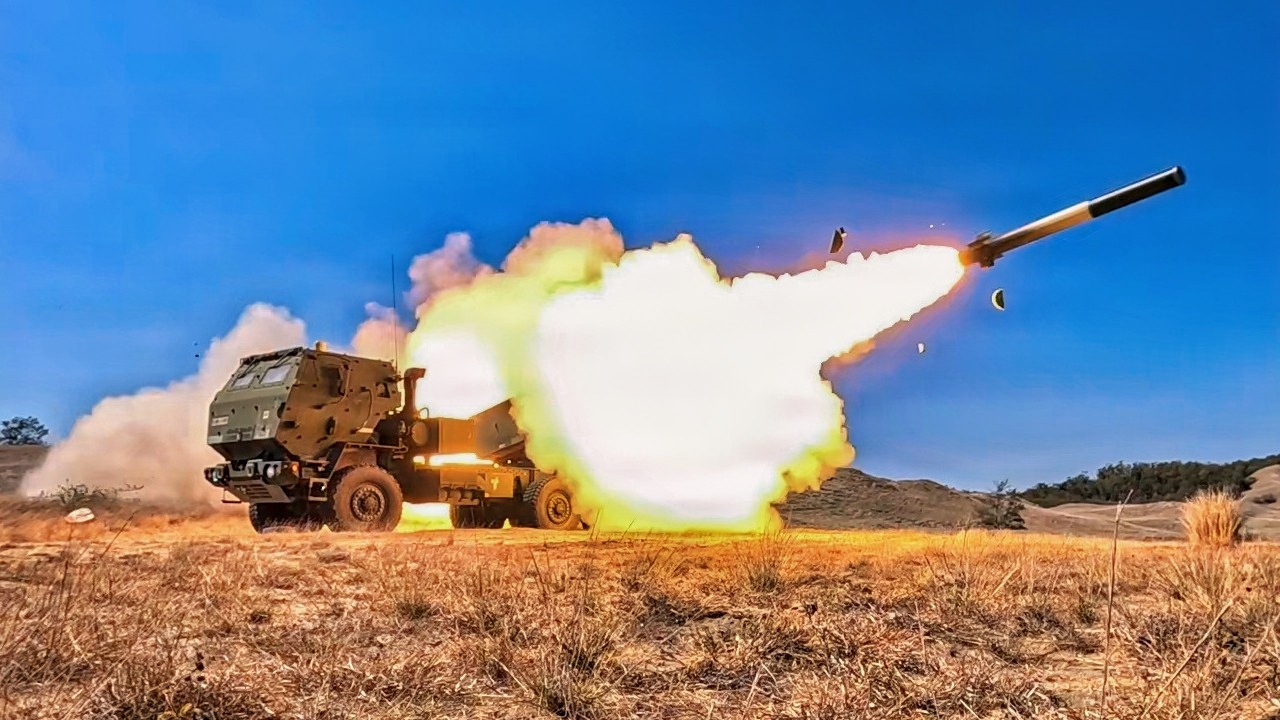
Russia has long been known to give some support to Iran during this year’s war with the United States. But a new report states that this cooperation has been deeper than previously known.
NBC News reported on Tuesday that Russia has been shipping “drone components, ammunition and TNT” to Iran, in part to replenish stockpiles damaged in the war.
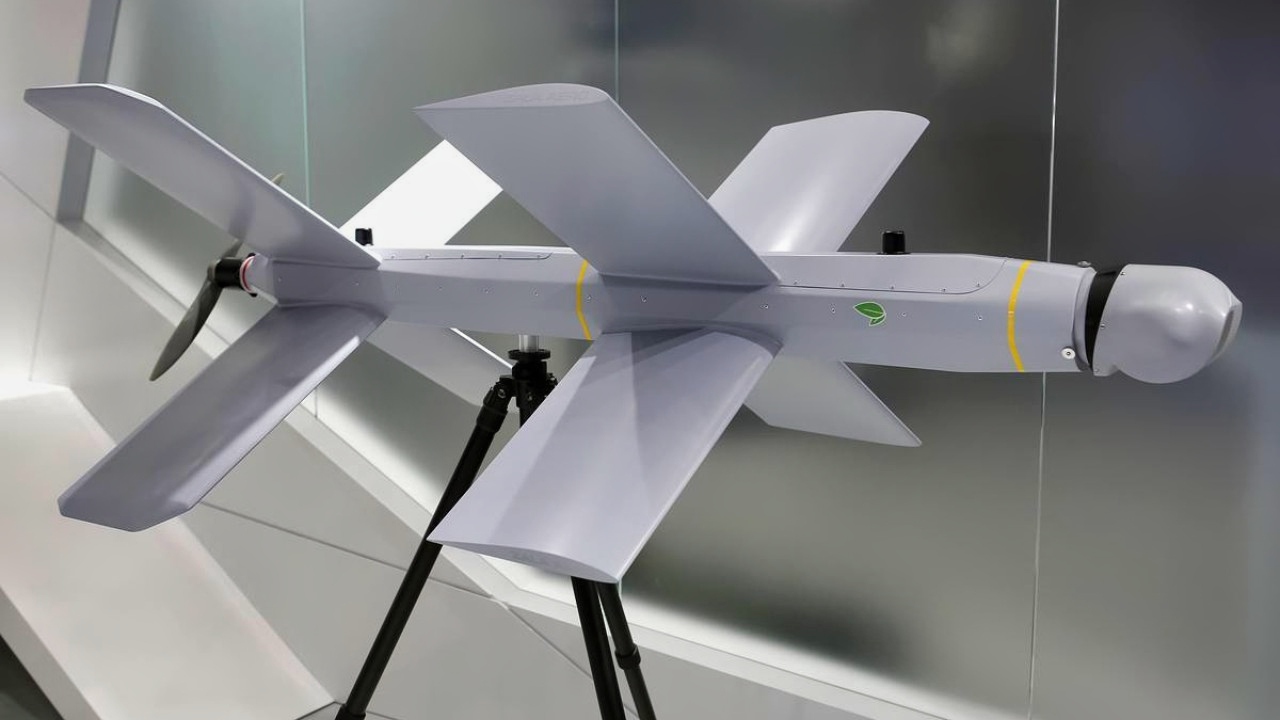
Lancet Drone. Image Credit: Russian State Media.
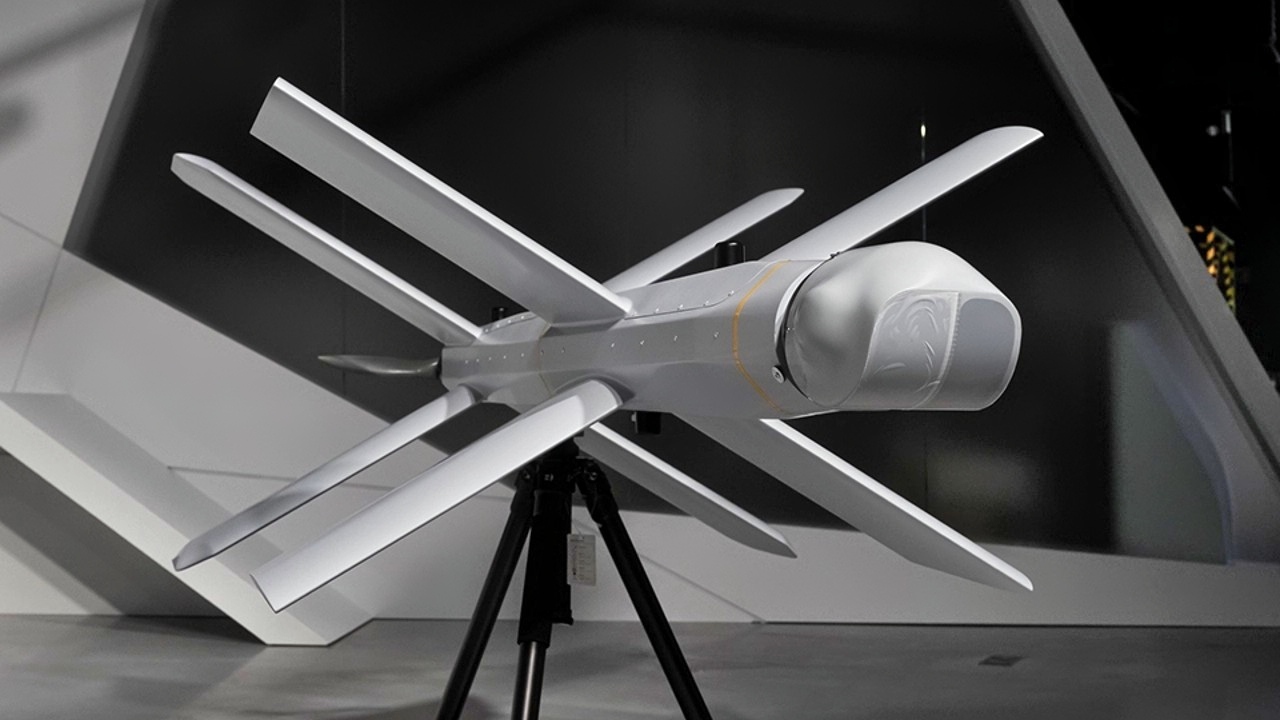
Lancet Drone from Russia. Image Credit: Creative Commons.
NBC cited a European government document as evidence of the transfers.
Russia is doing so even though it’s already fighting its own war in Ukraine. However, as the NBC story states, Russia and Iran have “stepped up their cooperation as they confront a common enemy in the U.S.”
According to a follow-up story by United 24 Media, the shipments are being sent across the Caspian Sea.
The report says Western navies do not operate in the Caspian Sea, so they cannot stop the shipments.
Israel did strike Iran’s Bandar Anzali port complex in March, the report said, with the goal of stopping arms shipments to Russia, but those shipments resumed not long after that.
Beyond Shaheds
It’s been known for a while that Iran was supplying Russia with its Shahed drones, after which Russia began mass-producing advanced versions of the Shaheds themselves.
In March, in the early phases of the war, the Financial Times reported that Western intelligence believed that Russia had been sending those drones to Iran, along with medicine and food.
“There are a lot of fakes going around right now. One thing is true — we are continuing our dialogue with the Iranian leadership,” Kremlin spokesperson Dmitry Peskov said in March when asked if those reports were true.
All the way back in 2023, the Caspian Policy Center wrote about how Iran shipped Russia weapons via that same Caspian Sea route. These “dark port calls” followed the imposition of sanctions on Russia following its invasion of Ukraine the year before.
This story noted that under the terms of the 2018 Convention on the Legal Status of the Caspian Sea, foreign warships were barred from operating in the Caspian.
A New Axis?
A Washington Post op-ed, also published on Tuesday, stated that both Russia and China have been assisting Iran with its war efforts.
The piece, titled “How China and Russia keep Iran armed and dangerous,” was authored by Bradley Bowman and Cameron McMillan. Bowman is “Axis of Aggressors: Countering the Cooperation of China, Russia, Iran & North Korea,” and both authors work for the Center on Military and Political Power at the Washington think tank, the Foundation for Defense of Democracies.
“A significant reason for Iran’s resilience, lethality and leverage is the growing support Tehran is receiving from China and Russia,” the authors say.
They also said that while Russia and China did not come to Iran’s aid when the U.S. and Israel attacked their nuclear facilities in the summer of 2025, it was a very different story when this year’s war launched.
Russia, they write, provided Iran with “ valuable drone and intelligence support that strengthened its offensive capabilities,” while also sharing “drone tactics and technologies” that Russia has honed during its long war with Ukraine.
This cooperation on intelligence and satellite imagery, the authors state, likely helped Iran to attack U.S. forces in the region, including the July attack that killed three U.S. service members in Jordan.
As for China, they have long provided Iran with “dual-use support,” which the authors believe has helped the Iranians with their ballistic missile program, which has made use of the chemical sodium perchlorate.
The U.S. Treasury Department, in 2025, sanctioned entities from both Iran and China for supplying missile-propellant ingredients to Iran’s IRGC.
But China has continued to provide Iran with sodium perchlorate through 2025 and 2026, the authors say.
What can Washington do about it?
“If Washington ignores these actions by Russia and China, Tehran’s regime will continue to become more resilient and lethal,” the authors write. “That is likely to put additional pressure on U.S. munitions, exacerbate problems in the Strait of Hormuz and potentially cause more American casualties in a future conflict.”
The op-ed authors recommend deterring such pro-Iran actions on the part of Russia and China, including by “increasing intelligence and munitions support for Ukrainian offensive strikes,” and also by imposing sanctions on China.
About the Author: Stephen Silver
Stephen Silver is an award-winning journalist, essayist, and film critic, and contributor to the Philadelphia Inquirer, the Jewish Telegraphic Agency, Broad Street Review, and Splice Today. The co-founder of the Philadelphia Film Critics Circle, Stephen lives in suburban Philadelphia with his wife and two sons. For over a decade, Stephen has written thousands of articles on politics, national security, technology, and the economy. Follow him on X (formerly Twitter) at @StephenSilver, and subscribe to his Substack newsletter.


