
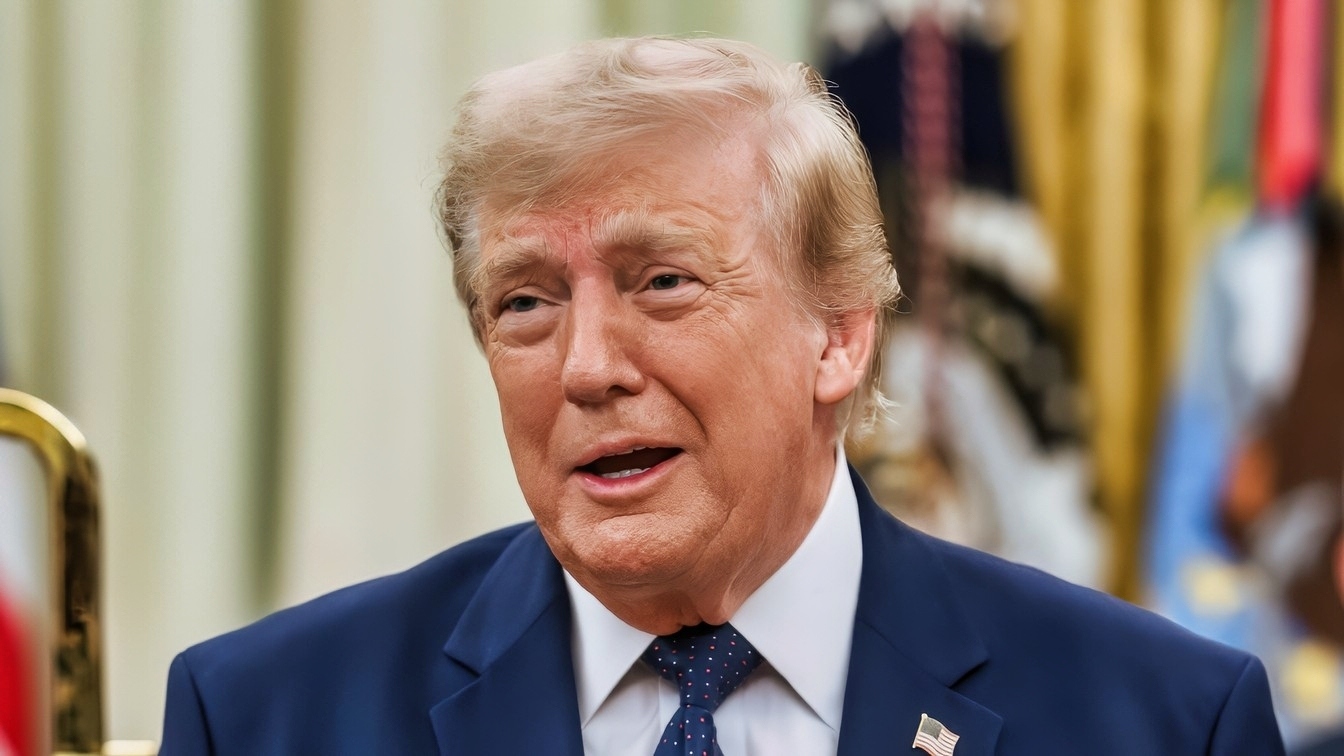
The Polls Aren’t Improving for Donald Trump – Another week brings us closer to the midterm elections, and the polls aren’t improving for U.S. President Donald Trump.
His popularity, measured by how many Americans approve of his performance as the nation’s commander-in-chief, is nearing lows seen during the worst points of both his first term and Joe Biden’s only term.
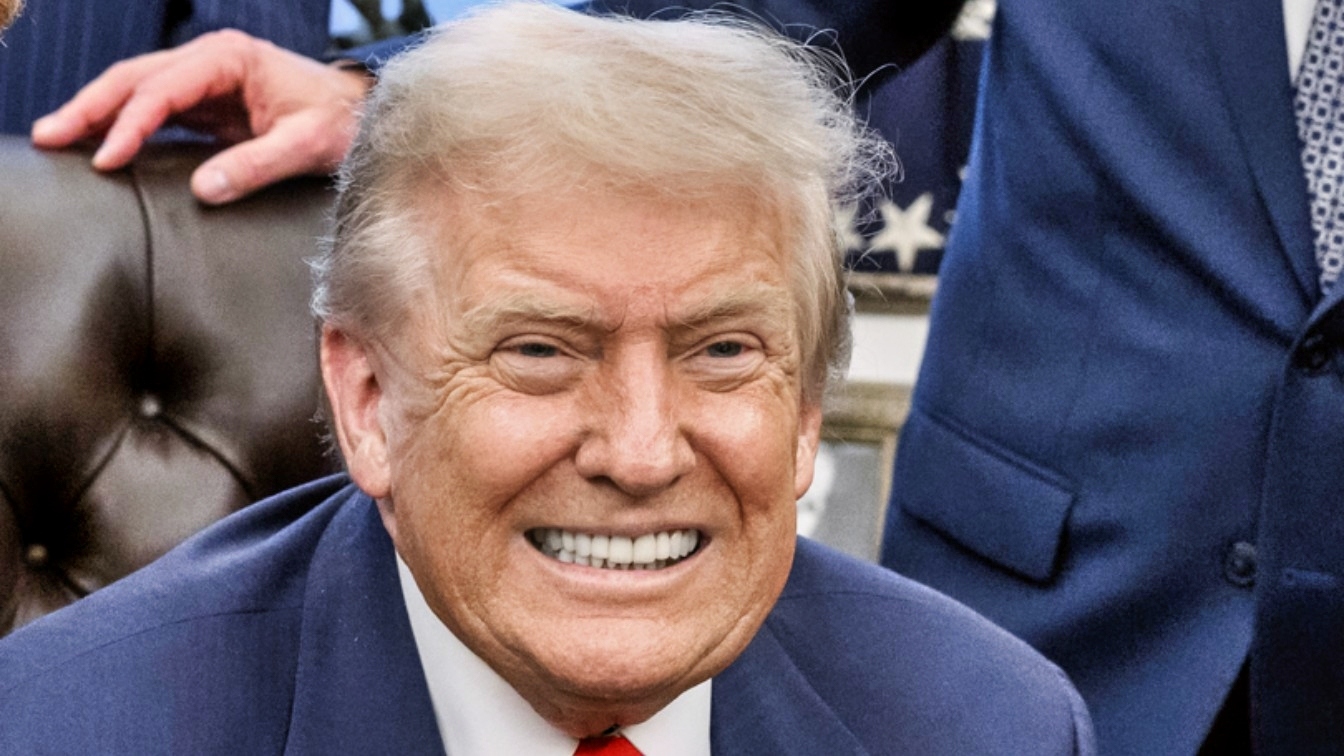
President Donald Trump signs the spending bill that ends the shutdown and reopens the U.S. Government Tuesday, February 3, 2026, in the Oval Office. (Official White House Photo by Joyce N. Boghosian)
With just four weeks until the nation goes to the polls, the situation is not improving for the President or his party.
Better than Usual
A CBS News/YouGov poll released on Monday, 4th October found that 39% of all adults approved of Trump’s performance as president. Remarkably, that’s one of his better approval ratings in recent weeks, with some polls measuring his approval rating as low as 32%.
Nevertheless, 39% is still low, and that’s reflected in the estimates for the House of Representatives, which, as a reminder, is entirely up for grabs in this election. The poll estimated the Democrats winning as many as 237 seats to the GOP’s 198, although the median of all estimates gave the Democrats a majority of 11.
It also explores how the meaning of the word “economy” has shifted, with 91% of the 2,166 respondents thinking about prices when they think about the economy. Job reports (64%), interest rates (56%), the housing market (54%), and the stock market (36%) followed suit.
On that point, voters have blamed Trump for the rising cost of living, with 70% believing his policies increased prices, compared with just 10% who said the President helped reduce them.
Donald Trump Meeting With French President White House Flickr Photo
GOP Dissatisfaction
Part of the problem for any party is not only convincing swing voters to join your side, but mobilizing those who have previously rallied behind your cause. That’s proving to be a problem for the GOP, with a little over three-quarters of registered Republicans confirming their intention to vote next month. 84% of Democrats will vote, while 82% of registered independents will make the trip to the polls in four weeks.
The poll found a link between being more critical of the administration’s handling of the cost of living and being less likely to vote next month among Republicans. The same connection held for those who said their Republican nominee had not talked much about the cost of living, who were less likely to vote.
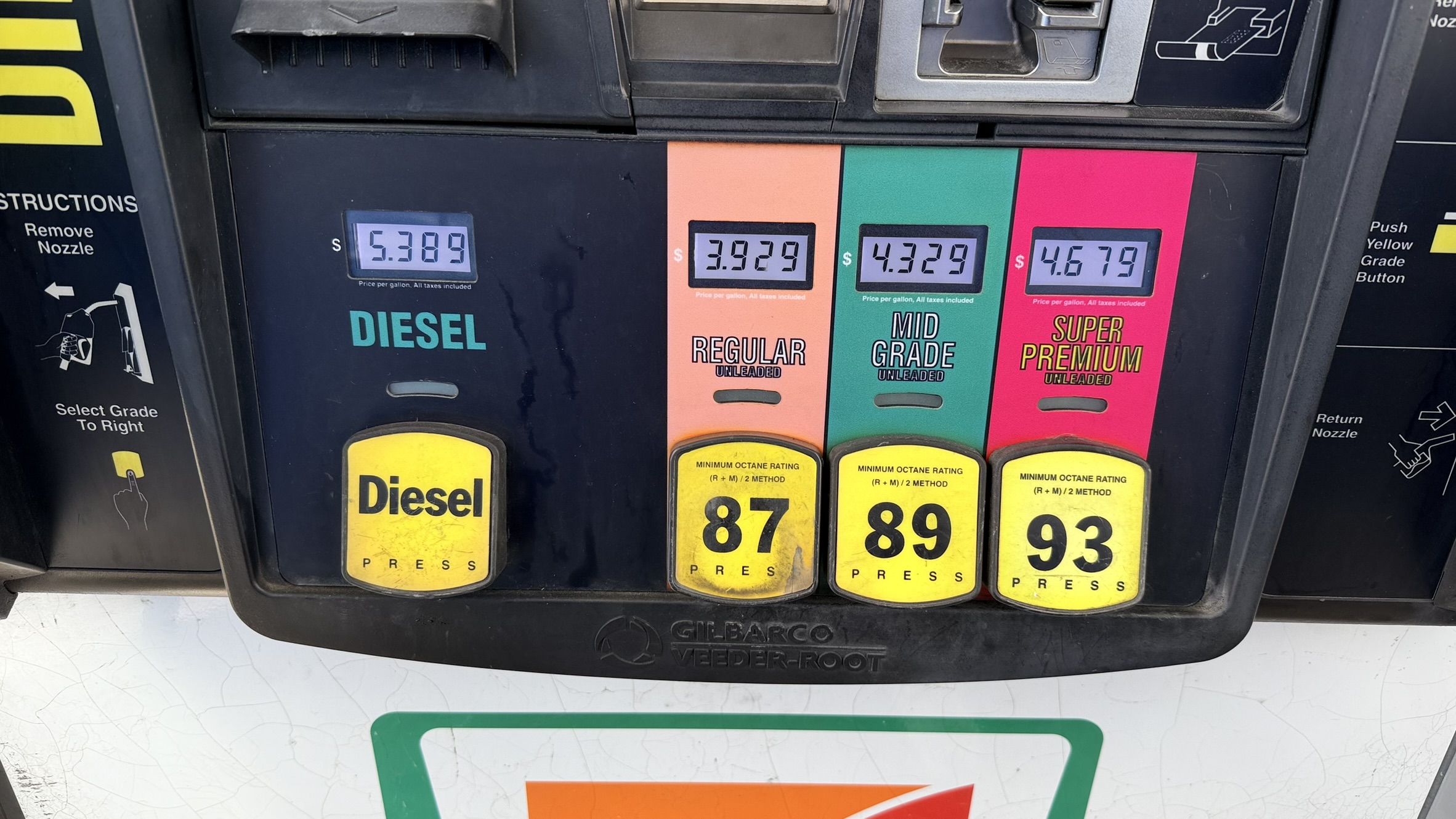
Gas Prices in Davenport, Florida. Image by National Security Journal.
Republicans who believe Trump’s second term has been better than his first are more likely to vote. 86% of GOP voters who said Trump was performing better this time around said they would definitely vote, compared to just 67% of those who preferred his first term. The remaining third was split between “probable” and “less likely” voters.
Hispanic Voters
Trump performed well among the Hispanic community in 2024, but his advantage is slipping in this demographic. Of those polled, 46% of Hispanic respondents said they voted for Trump two years ago, but only 39% said they’d vote for the GOP this November.
While their cost-of-living concerns broadly reflect the wider sample, Hispanic voters expressed dissatisfaction with Trump’s immigration policy.
Three-fifths said the Trump administration deported more people than expected (compared to 51% in the overall sample), and the same split said too much attention was being spent on deportation.
Other Considerations
According to the poll, Democratic Party candidates talk about the cost of living twice as much as Republican candidates, with 24% of voters saying their Democrat hopeful talked about the cost of living “a lot.” However, voters thought both Democrats (41%) and Republicans (61%) could talk about the issue more often.
While the GOP may struggle to convince its supporters to vote, Democrats need to pay attention to younger voters, with one-third of 18-29-year-olds noncommittal about voting next month. As usual, older voters are more likely to vote, with 89% of those aged 65 and above definitely voting come polling day.
Voters also weighed in on the Iran war, with 67% of likely voters preferring candidates who have called for an end to the conflict. A similar number (64%) said oil and gas prices were “a lot higher” as a result of the war.
About the Author: Shay Bottomley
Shay Bottomley is a British journalist. He has written for the Western Standard, Business Insider, Maidenhead Advertiser, Slough Express, Windsor Express, Berkshire Live and Southend Echo.