

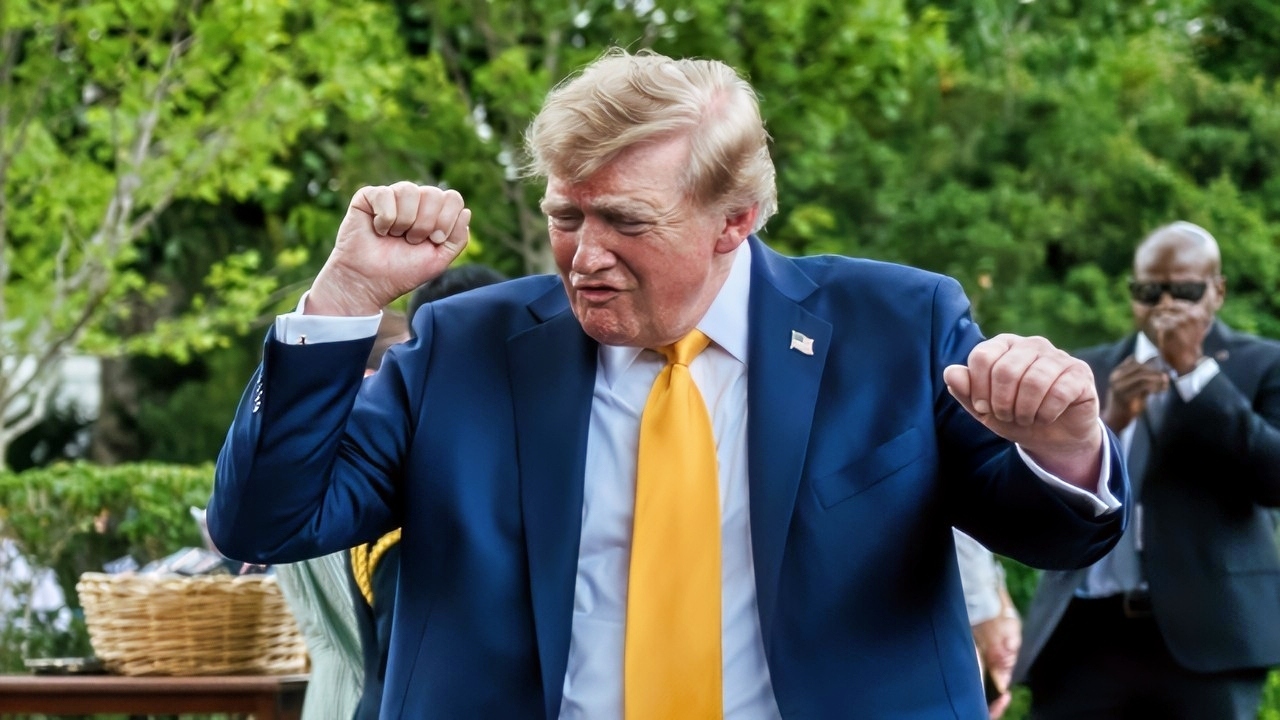
Donald Trump, for the last few weeks, has been arguing that the high gas prices that are a result of the Iran War and the closure of the Strait of Hormuz are a “small price to pay” for keeping Iran from acquiring a nuclear weapon. This week, Trump added a bizarre segue from this argument, speaking casually about the possible nuclear annihilation of Los Angeles and San Diego.
But now, Trump has a different talking point: That the spike in oil prices, which are hitting everyone in the wallet and presenting political problems for the president and his party, weren’t actually caused by the Iran War or the resulting Strait of Hormuz crisis; it’s really all about the refinery attacks in Russia and Ukraine.
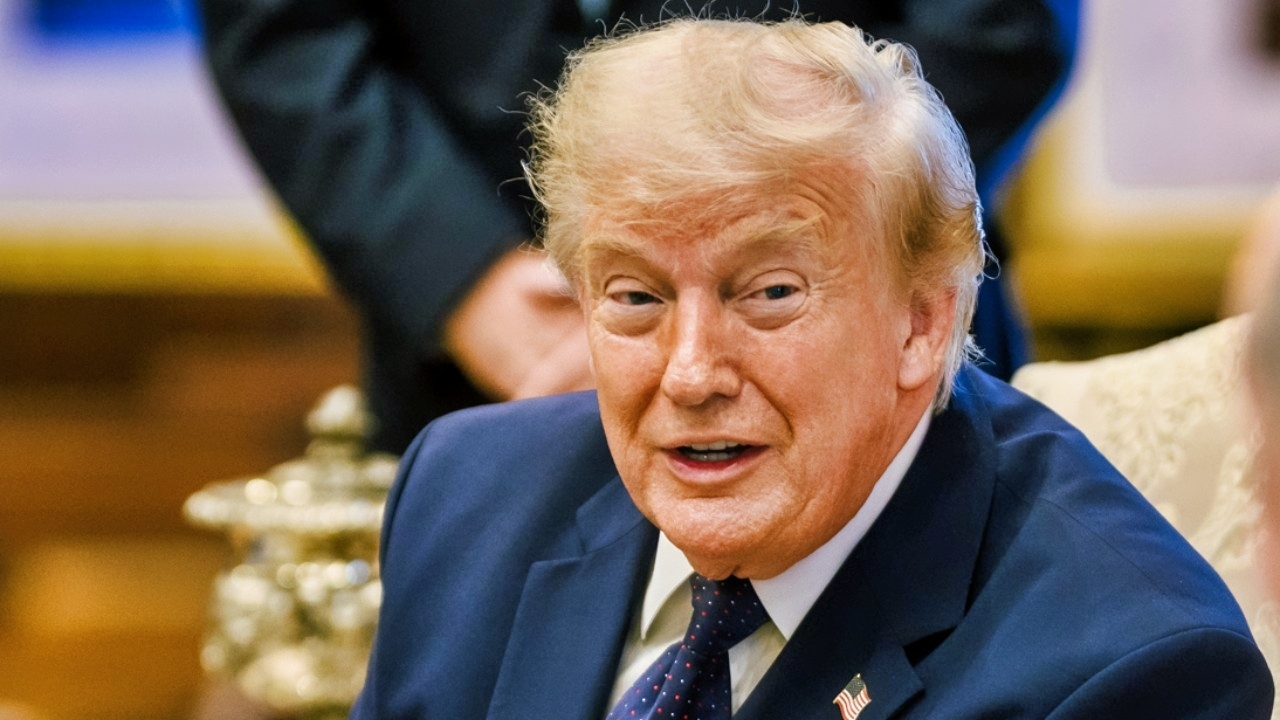
President Donald J. Trump participates in a restricted bilateral meeting with President Recep Tayyip Erdogan of Turkey, Tuesday, July 7, 2026, at the Bestepe Presidential Compound in Ankara, Turkey. (Official White House Photo by Daniel Torok)
Per The Hill, Trump claimed this in a Truth Social post on Monday.
“What’s driving up Gasoline is no longer the Strait of Hormuz, because Record Numbers of Barrels are coming out now on an almost daily basis,” Trump claimed in the Truth Social post. He said the real reason for gas prices was “refineries.”
“Russia’s are being blown up by Ukraine, and where ours are being closed up, in Blue States,” Trump added, blaming “Dumocrats” for closing such refineries.
Is It True?
Trump’s claims appear to mix exaggerations and half-truths.
While the amount of oil going through the Strait of Hormuz has reached something close to pre-war levels, that number can’t accurately be described as “record numbers of barrels,” unless it’s something as narrow as the record for the most barrels through the Strait of Hormuz since the start of the war.
In the Hill’s story, Tom Kloza, Gulf Oil’s chief petroleum analyst, called Trump’s claim “partially right,” but said that oil coming from the Gulf region remains high-priced.
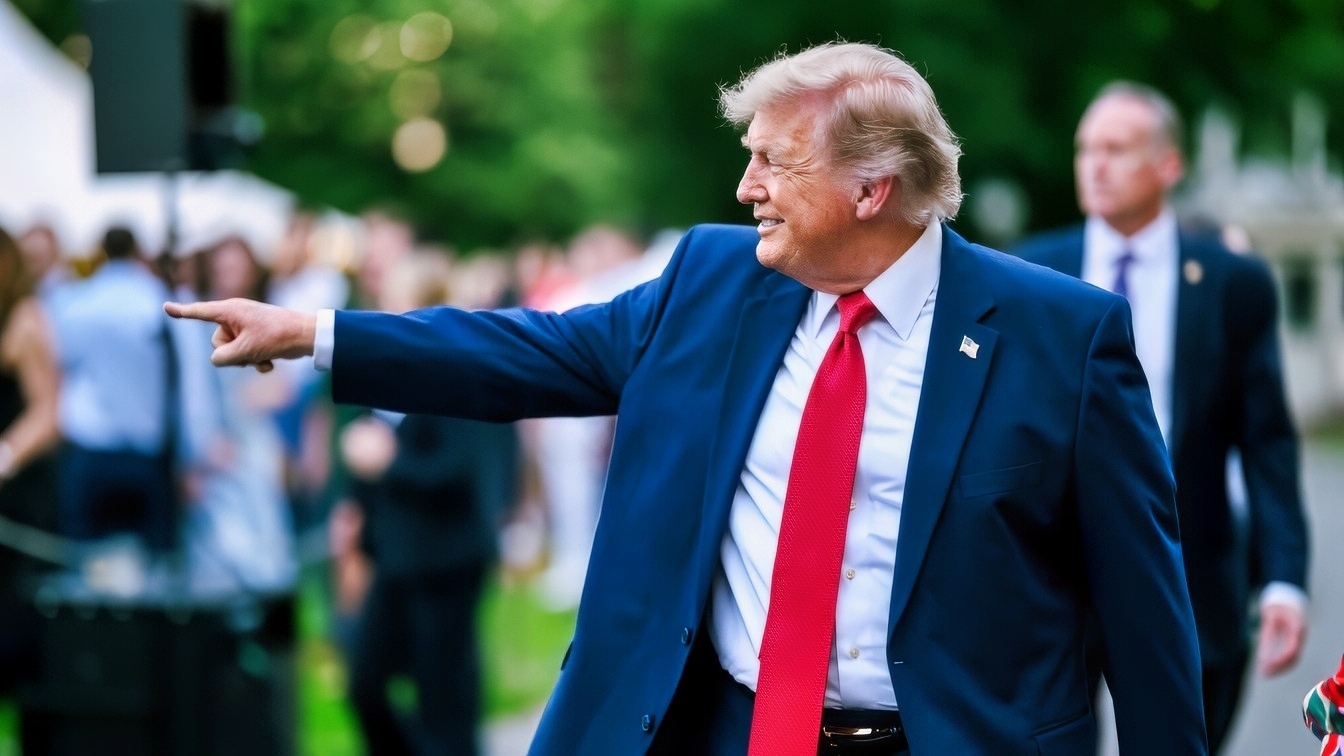
President Donald J. Trump and First Lady Melania Trump work the rope line at the Congressional Picnic on the South Lawn, Tuesday, May 19, 2026. (Official White House Photo by Daniel Torok)
Rachel Ziemba, senior adjunct fellow at the Center for a New American Security, told Al Jazeera, in response to Trump’s comments, that the two wars, in Iran and Russia/Ukraine, are “reinforcing each other, impairing oil product markets, but Middle Eastern flows are far from normal.”
GasBuddy’s weekly report on Monday said gas prices had fallen to a still-high average of $4.30 per gallon, with prices down in 48 of the 50 states, though analyst Patrick De Haan cautioned that “relief may be temporary.” De Haan’s report also said that while more oil shipments have been going through the Strait of Hormuz, “refineries behind the Strait are not yet fully able to move products through,” which has kept prices higher, at least for the time being, “relative to what crude oil levels alone might suggest.”
Beyond that, global energy markets are complex, and oil prices, especially over time, tend to reflect multiple factors that affect supply and demand worldwide—from wars and embargos to severe weather.
For instance, the Trading Economics site, which tracks Brent crude oil prices in real time, cites several factors for the recent drop below $100. These include rising oil flows through Saudi Arabia’s East-West Pipeline, news that G7 countries have agreed to release 100 million barrels of diesel and crude from emergency reserves, and OPEC+’s announcement that it is not changing its production targets for November.
The Russia/Ukraine Factor
It is certainly true that Russia and Ukraine’s attacks on each other’s oil infrastructure have been a factor in the price of energy in recent weeks and months, which is a big reason why Trump’s envoys made a push last month, one that to date has been unsuccessful, to get Russia and Ukraine to agree to a limited ceasefire that would apply to such attacks.
In mid-September, Trump even announced that such an agreement had been reached, before both Russia and Ukraine denied making any such deal.
However, while Ukrainian President Volodymyr Zelensky said he was on board with such an agreement, Russian President Vladimir Putin last week rejected that framework, and Ukraine launched a big attack on oil refineries in the Moscow region overnight.
In recent days, Ukraine has also claimed it successfully knocked out 51 percent of Russia’s refining capacity.
About the Author: Stephen Silver
Stephen Silver is an award-winning journalist, essayist, and film critic, and contributor to the Philadelphia Inquirer, the Jewish Telegraphic Agency, Broad Street Review, and Splice Today. The co-founder of the Philadelphia Film Critics Circle, Stephen lives in suburban Philadelphia with his wife and two sons. For over a decade, Stephen has written thousands of articles on politics, national security, technology, and the economy. Follow him on X (formerly Twitter) at @StephenSilver, and subscribe to his Substack newsletter.


