

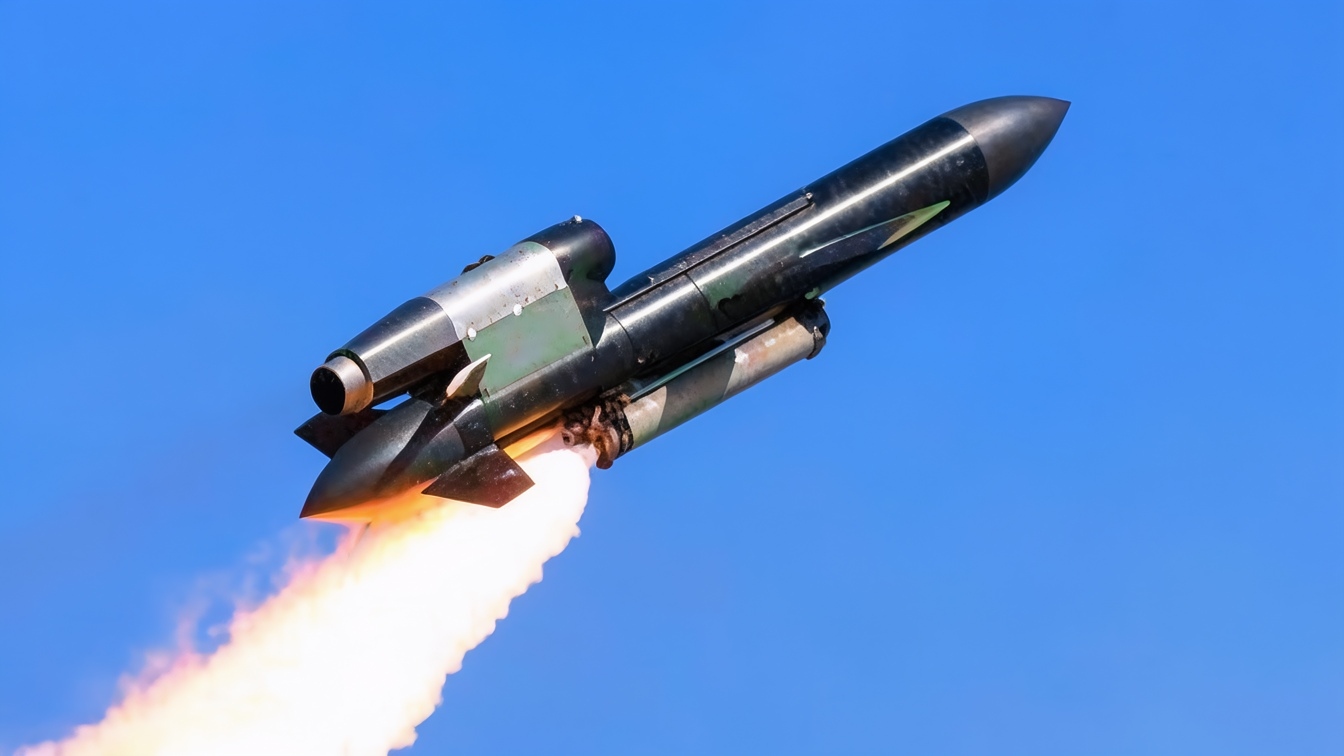
The continuing strikes on Ukraine by Russia have led to extended blackouts, causing pain for people in that region and prompting politicians to point fingers at each other.
In the BBC story, reported from Kyiv, rolling blackouts have been in place since October due to Russia’s attacks, sometimes lasting up to 20 hours a day.
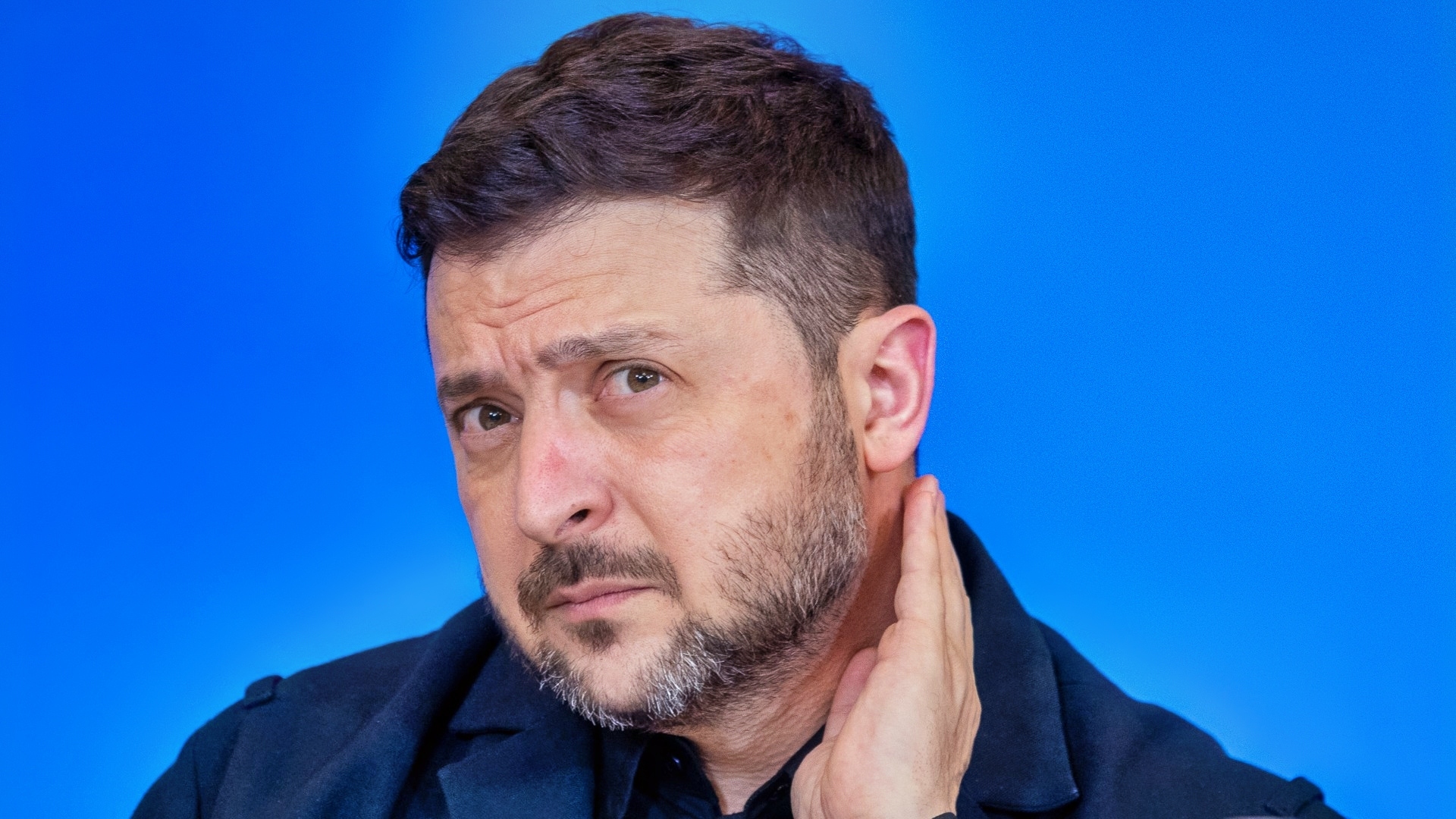
Ukraine President Zelensky 2026 Creative Commons Photo
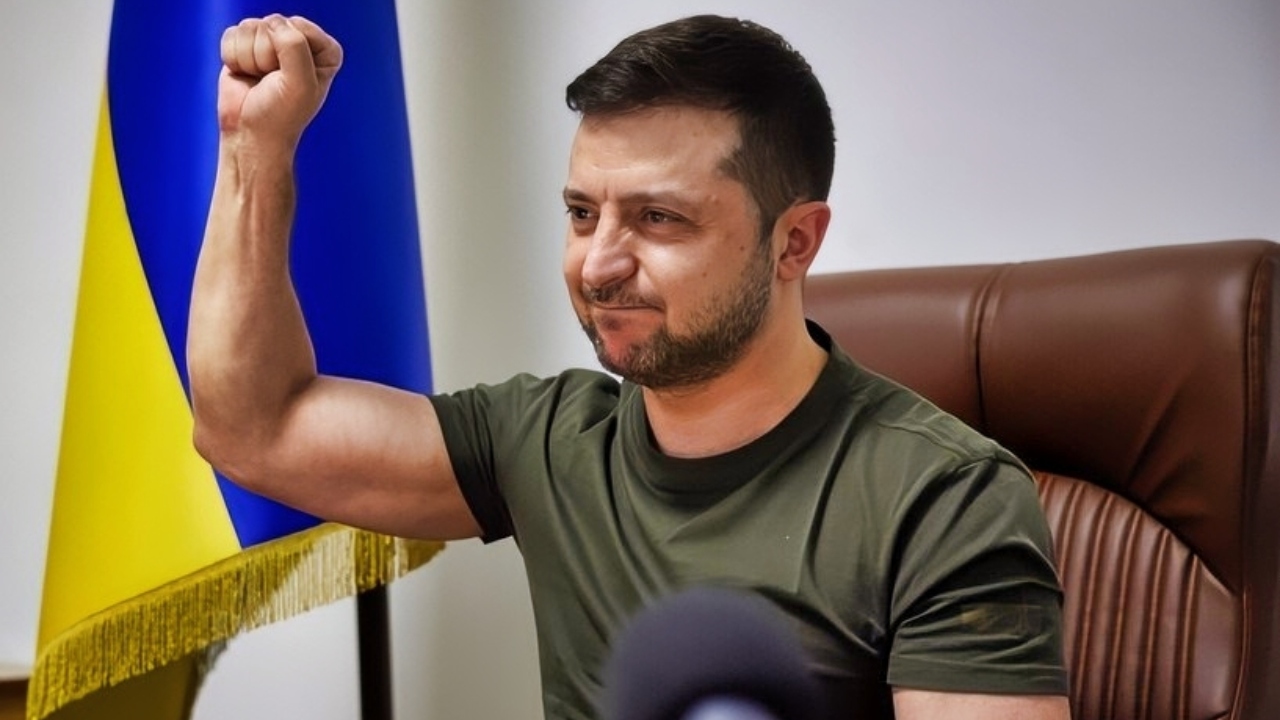
Zelensky Speaking in UK Ukraine Government Photo
“Officials are concerned that life will quickly become unsustainable for millions of Ukrainians if power supplies cannot be maintained for at least four hours per day,” the BBC report said.
There had been planned rolling blackouts the previous year, the report said, but they started earlier this winter than they did a year ago.
“Just before 7:30 pm, there’s a click, and that’s it,” the BBC said. “Darkness until dawn.”
Kyiv is getting the worst of the blackouts, the report said, although many other parts of the country have also been affected.
“There’s no light, no water, no heat, no electricity. And no fun. All the fun got sucked out with the electricity,” one 12-year-old told the BBC. “We have a lot of board games. We have a whole shelf, but we’ve played them like a hundred thousand times already.”
The BBC also visited a power station in Ukraine, which it did not name but referred to as one of the country’s largest, which was recently hit by a missile strike and is now “barely standing” and “reduced to a pile of twisted metal and broken pipes.”
President Volodymyr Zelensky has said, per the report, that Ukraine maintains the generating capacity to meet demand, but that “getting it to homes and businesses” remains a big challenge.
The question has also been raised of who is to blame for the failure to better deal with the crisis: the national government or Kyiv’s city government.
“Kyiv Ping-Pong”
According to a Kyiv Post report, Kyiv now absorbs almost 40 percent of Russia’s missile attacks, with most of its power sources lying outside the city. Also, Zelensky and Mayor Vitali Klitschko have been at odds over who’s to blame for the continuing situation.
The 2022 Russian invasion led to what Kyiv Post described as “unity that politicians showed from different political camps and at every level.” But that has frayed after more than four years of war, as the winter approaches and the blackouts continue.
President Zelensky has said that city authorities in the capital have failed to prepare for Russian strikes, with the president specifically calling out the Kyiv City State Administration for what he deemed “a lack of preparedness for the heating season,” and for Russia’s attacks on energy sites in Ukraine.
Mayor Klitschko, the former world heavyweight boxing champion, responded to Zelensky in a Telegram post this week. He said the winter heating season started on October 16, so the government could not have prevented Russia’s “special operation against Ukraine’s energy sector.”
He went on to accuse Zelensky of not being aware of “the actual situation with electricity supplies in other regions amid the enemy’s constant devastating attacks.”
“The central government’s mantra that Kyiv is the worst, along with constant manipulation and lies, is a bad story,” the mayor said in his Telegram post.
Who’s Right?
According to the Kyiv Post report, only the Ukrainian central government, and not the city government, can have armed forces. The Armed Forces of Ukraine protect the country’s infrastructure facilities. A separate Kyiv Defense Council coordinates with the Armed Forces but has its own command.
“Nevertheless, many areas fall directly under Klitschko’s team, and the city administration has faced harsh criticism for inadequate preparations,” the Kyiv Post wrote. The report added that mobile shelters have only recently appeared in the capital. Problems with bridges in Kyiv, the report said, have continued to plague the Ukrainian capital.
The conditions have even become fodder for a viral stand-up comedy routine by Kyiv’s Kateryna Dubina.
“I found a map of shelters, spent half an hour on a bus, fought with a security guard for the keys, chased out the rats, and now you’re safe, Kyiv resident!, Dubina said in the routine. “We need more responsibility.”
About the Author: Stephen Silver
Stephen Silver is an award-winning journalist, essayist, and film critic, and contributor to the Philadelphia Inquirer, the Jewish Telegraphic Agency, Broad Street Review, and Splice Today. The co-founder of the Philadelphia Film Critics Circle, Stephen lives in suburban Philadelphia with his wife and two sons. For over a decade, Stephen has authored thousands of articles that focus on politics, national security, technology, and the economy. Follow him on X (formerly Twitter) at @StephenSilver, and subscribe to his Substack newsletter.


