

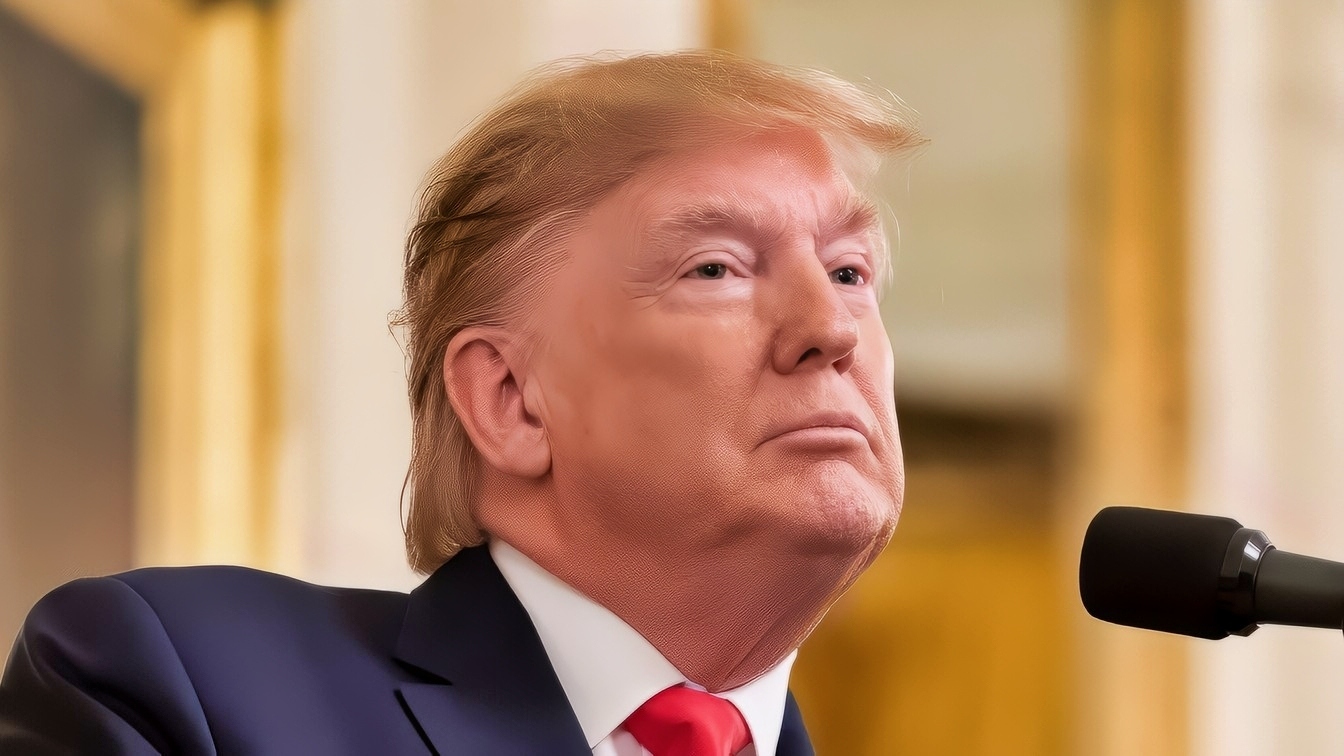
US Attorney Aaron Reitz, who heads the Southern District of Texas, has issued a formal warning to Democratic Senator Elizabeth Warren of Massachusetts. In a November 15 letter, Reitz demanded that Warren preserve documents relating to prospective congressional investigations of corporations and individuals associated with President Trump. Reitz cited two federal criminal civil-rights statutes: 18 USC §§ 241 and 242. The warning follows Democratic victories in the November midterm elections, which have positioned Warren to chair the Senate Banking Committee. The confrontation highlights growing tensions between the Trump administration and congressional Democrats over anticipated investigations.
Triggering the Warning
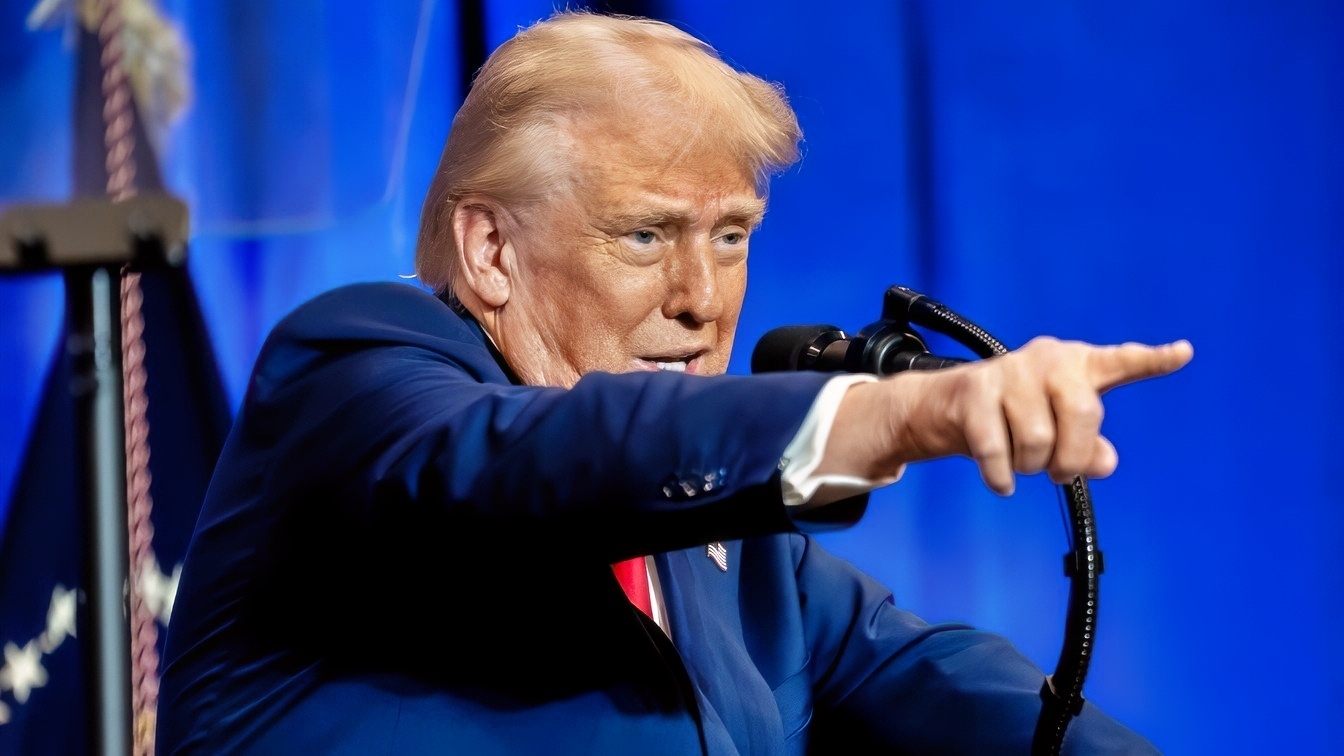
President Donald Trump delivers remarks at the Department of Justice in Washington, D.C., Friday, March 14, 2025. (Official White House Photo by Joyce N. Boghosian)
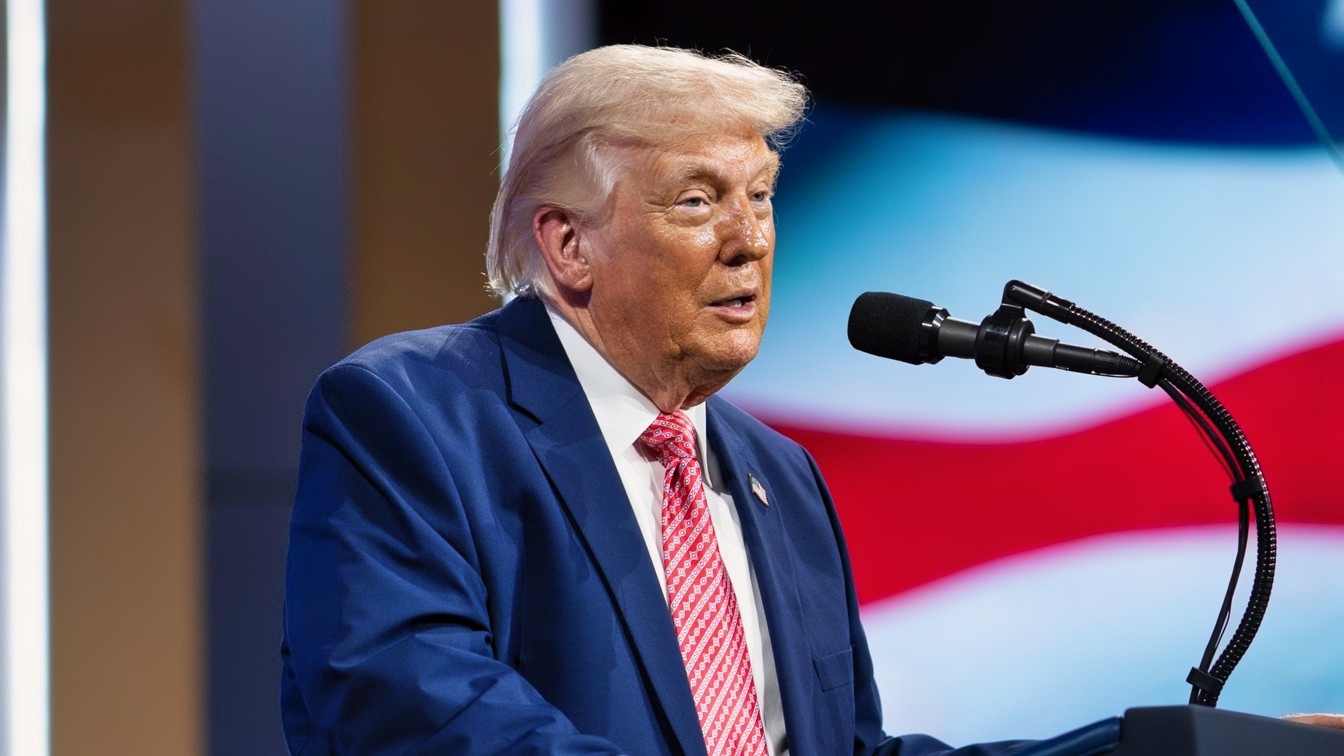
Donald Trump Flickr/White House Photo
During a November 8 appearance on CBS’s Face the Nation, Warren discussed her plans for congressional oversight. Host Margaret Brennan asked whether Warren intended to pursue legislation or investigations targeting corporate misconduct. Warren responded, “We have to do both,” continuing, she said, “If you’ve been making your profits by cheating American families and scamming your investors, you better get ready for some investigations, serious ones.” When asked whom she intended to investigate, Warren answered, “Anyone who has been cheating.” Warren also criticized the Trump administration for allegedly failing to enforce laws against politically connected businesses, suggesting that corporate contributions to Trump’s White House ballroom project could’ve influenced enforcement decisions. Of course, these are Warren’s allegations, not established findings of corruption with any sort of institutional backing at the moment.
Things Could Get Interesting Fast
Reitz argued that Warren’s statements suggested an intention to target private individuals because of their political associations. His letter cited two federal statutes: 18 U.S.C. § 241, which prohibits conspiracies to injure, oppress, threaten, or intimidate individuals in the exercise of federally protected rights; and 18 U.S.C. § 242, which criminalizes willful deprivation of protected rights by individuals acting under color of law. Reitz suggested that congressional investigations targeting people merely for associating with Trump could violate First Amendment protections. His public statement accused Warren of preparing to use her committee authority against people who associate “too closely” with Trump. Now, it’s important to note that Reitz has not charged Warren with a crime, issued a subpoena, or obtained a court order. His letter is merely a preservation demand and is in no way a judicial finding that Warren violated federal law.
Becoming Personal
Reitz publicized his warning on X, employing references to Native American imagery. He wrote: “@SenWarren is on the warpath to wield her committee gavel like a tomahawk, seeking the scalps of those who associate ‘too closely’ with President Trump.” He concluded: “My first arrow shot.” The language of the post was intentionally crafted to reference a longstanding political controversy surrounding Warren’s previous claims of Native American ancestry. White House communications director Steven Cheung accused Democrats of seeking to weaponize congressional authority against Trump associates, while White House chief of staff Stephen Miller reposted Reitz’s letter, highlighting the two criminal statutes. The exchange suggests that the administration intends to challenge the legitimacy of Democratic investigations before they begin.
Not the Only Target
Reitz previously issued similar warnings to Democratic Senators Richard Blumenthal of Connecticut and Elissa Slotkin of Michigan. The warnings concern public statements and prospective oversight activity. Warren, Blumenthal, and Representative Robert Garcia of California previously sought information about fundraising associated with Trump-backed projects, including the White House ballroom. Their inquiries raise questions about potential conflict of interest and quid pro quo arrangements. Warren, Blumenthal, and Slotkin also participated in an earlier inquiry concerning spending by major technology companies. Blumenthal rejected Reitz’s warning as “baseless” in a November 11 response, demanding preservation of records concerning the prosecutor’s decision to issue the warning. Garcia, who is expected to chair the House Oversight Committee in January, has pledged that Democrats will not be intimidated.
The Stakes
The dispute involves competing constitutional principles. Reitz’s position holds that government officials cannot use official authority to punish private individuals solely for exercising First Amendment rights, including political association. The Democrats’ position is that Congress possesses broad investigative authority and pursues legitimate legislative purposes, including examining corporate and government corruption. The Constitution’s Speech or Debate Clause, Article I, Section 6, provides substantial protection for legitimate legislative activity. Congressional investigations are generally protected when connected to a valid legislative purpose, although that authority is not unlimited. Of course, investigations undertaken solely to punish political opponents would raise serious constitutional concerns. Yet at the same time, threats of criminal prosecution directed at lawmakers simply for announcing prospective oversight would raise concerns about executive interference with Congress.
About the Author: Harrison Kass
Harrison Kass is a writer and attorney focused on national security, technology, and political culture. His work has appeared in Tablet, City Journal, The Hill, The Spectator, and The Cipher Brief. He holds a JD from the University of Oregon and a master’s in Global & Joint Program Studies from NYU. More at harrisonkass.com.


