

Jensen Huang is back as Nvidia’s CEO, largely because President Trump wants him there. Trump lent his prestige and influence to Huang’s effort at reinstatement after Nvidia’s Board of Directors pushed the serial philanderer to resign after affairs with co-workers and with a suspected Chinese spy came to light. This influence evidently involved assurances from Vice President Vance that the federal government did not regard Jensen as an ongoing national security threat and that, consequently, Nvidia would not face government sanction.
The external affirmation of Jensen’s self-worth ended a dizzying array of moves and revelations after plausible allegations emerged that Huang had compromised US national and economic security by lobbying for the transfer of Nvidia chips to data centers accessible by Chinese firms. Jensen’s affair with a woman connected to Chinese military and intelligence circles gained the attention of the US intelligence community in late 2024, but the Trump administration repeatedly declined to rein in either the commercial relationship between Nvidia and Megaspeed (Alice Huang’s firm) or Jensen Huang’s personal activities.
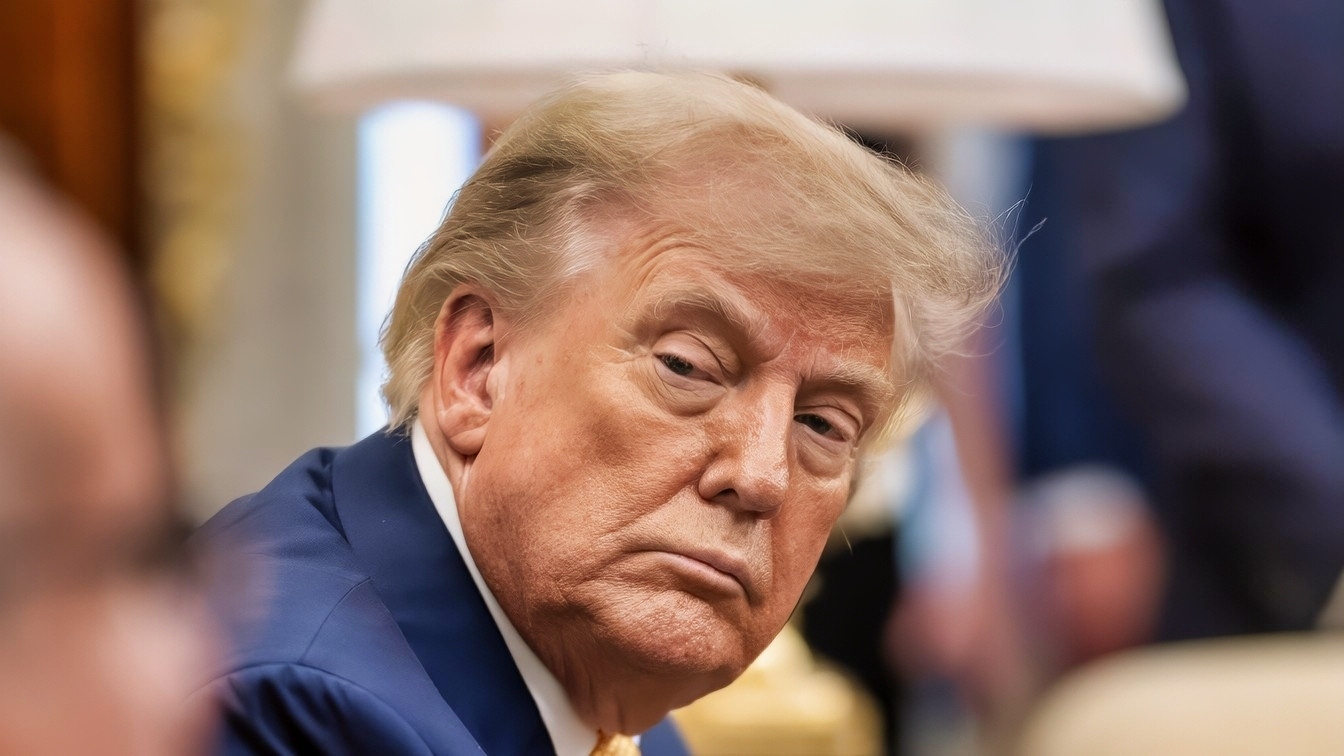
President Donald Trump hosts a bilateral meeting with Prince Salman bin Hamad Al Khalifa, Prime Minister of Bahrain, Wednesday, July 16, 2025, in the Oval Office. (Official White House Photo by Daniel Torok)
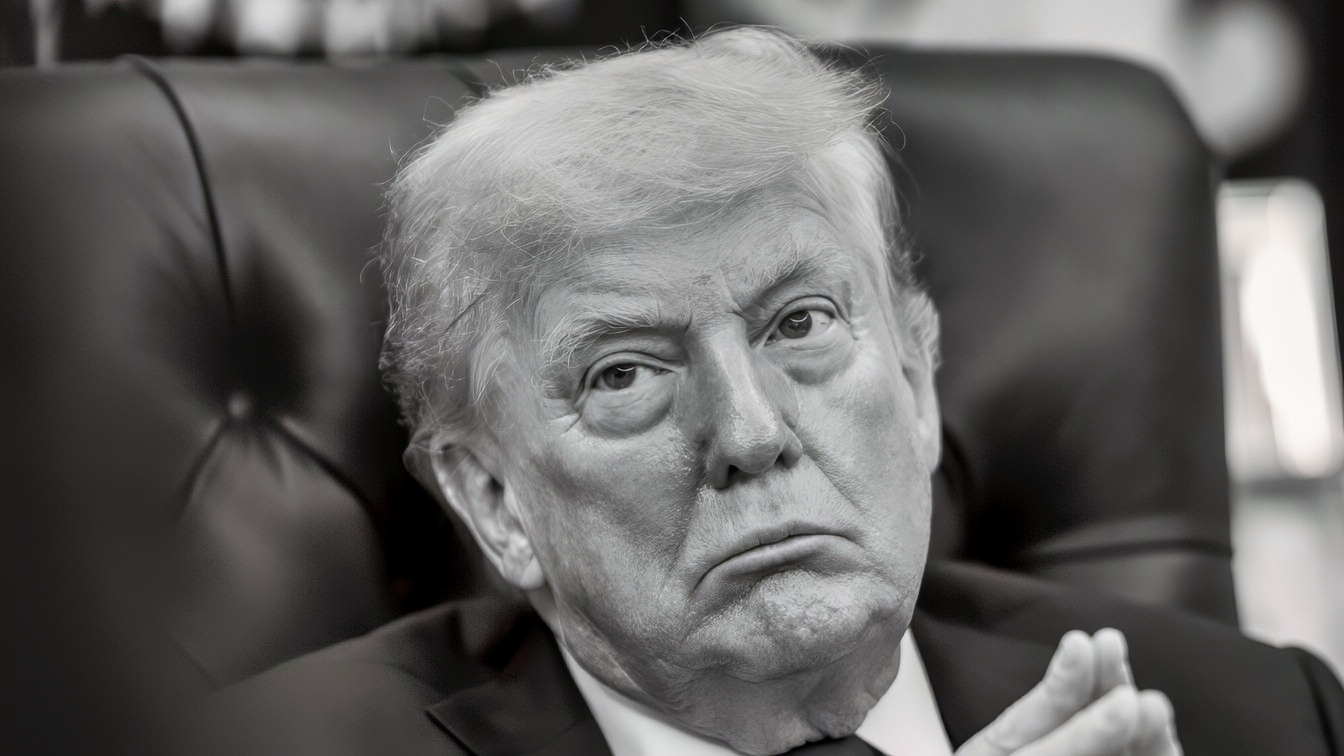
President Donald Trump meets with NATO Secretary Mark Rutte, Monday, July 14, 2025, in the Oval Office. (Official White House Photo by Daniel Torok)
Why has the Trump administration, which has prized US economic security and harshly critiqued the growing influence of the Chinese Communist Party, taken such a light touch to Huang’s activities?
Chinese Economic Espionage
There is no question that China has pursued a campaign of economic espionage designed to acquire technological secrets from the United States. As US-Chinese technology competition has heated up, this effort has taken on national security implications. The US government (including the Trump administration) has generally taken a dim view of industrial espionage, both because it undercuts the competitiveness of US industry and because it undermines US security advantages in advanced computing and AI.
It is of course difficult to prove that Alice Huang is a spy, or that the relationship with Jensen Huang was geared towards espionage. However, establishing third-party smuggling networks is a time-tested way to avoid export controls, and it appears Huang’s advocacy played some role in the administration’s decision to allow the transfer of chips to Megaspeed, which diverted some to China and used others in data centers accessible to Chinese firms.
Nvidia Chips and the Balance of Power
Why the fuss? Nvidia produces some of the most powerful chips in the world, chips that are especially valuable for advanced AI training. Chinese firms have become dependent on Nvidia chips in their most advanced AI models, despite US export controls. In other words, it will be difficult for Chinese firms to keep pace with their US counterparts if they lack access to the chips. The Megaspeed loophole allowed Chinese firms to remotely access the chips, which were used in data centers across Southeast Asia.
Advances in AI have obvious national security implications, as more advanced models could grant a military advantage to their owners. Nvidia chips have been found in Russian drones used in Ukraine, although not the chips alleged to have been smuggled in this case.
Trump Administration Priorities
Such a casual approach to Chinese espionage is curious for an administration that rose to power, in part, on the promise of confronting China as a political and economic threat. However, hawks have been losing bureaucratic battles for most of the last two years. While Trump 45 took a confrontational view of China, Trump 47 has pursued a far more accommodating line, peaking with the recent summit in Shenzhen. Trump seems more open to the transfer of chips (although not Nvidia’s most advanced) to China as a means of closing the trade deficit between the two countries.
President Trump also has domestic political and financial considerations in mind. Dispatching Vice President Vance to assure Nvidia’s board of Trump’s friendship suggests the President still believes his relationship with Silicon Valley is a load-bearing pillar of his political coalition. Huang is popular among tech oligarchs and virtually no one else. President Trump also has significant personal financial holdings in Nvidia.
What Happens Next?
Many sources for the Wall Street Journal and New York Times investigations of Jensen Huang come from within the US government, fueling allegations of a “deep state vendetta” designed to prevent rapprochement between China and the United States. However, it is difficult to see how Premier Xi Jinping would prioritize Megaspeed, or any other aspect of US-Chinese intelligence cooperation, in his relationship with President Trump. Espionage is, after all, something countries do, and Xi surely understands the competitive dynamics that underlie US-China relations.
The bigger issue is the lack of accountability. Most people who sell industrial secrets to China end up going to prison. Jensen Huang didn’t even lose his job and, indeed, received a pat on the back from the President. This speaks to President Trump’s political sense and his attentiveness to his own finances, but also to his sense that towering figures of industry and politics should have impunity in the face of the law.
About the Author: Dr. Robert Farley
Dr. Robert Farley has taught security and diplomacy courses at the Patterson School since 2005. He received his BS from the University of Oregon in 1997 and his Ph.D. from the University of Washington in 2004. Dr. Farley is the author of Grounded: The Case for Abolishing the United States Air Force (University Press of Kentucky, 2014), the Battleship Book (Wildside, 2016), Patents for Power: Intellectual Property Law and the Diffusion of Military Technology (University of Chicago, 2020), and most recently Waging War with Gold: National Security and the Finance Domain Across the Ages (Lynne Rienner, 2023). He has contributed extensively to journals and magazines, including The National Interest, The Diplomat: APAC, World Politics Review, and The American Prospect. Dr. Farley is also a founder and senior editor of Lawyers, Guns and Money.


