
On November 23, the U.S. Treasury Department announced a new set of sanctions against the regime in Tehran.
The Department said that Monday’s sanctions target two dozen Iranian exchange houses and front companies that it says have kept Iran’s foreign trade running. According to Reuters, they include firms based in the United Arab Emirates, Turkey, and Hong Kong, as well as key personnel.

(Oct. 17, 2017) The aircraft carrier USS Nimitz (CVN 68) transits the Arabian Gulf, Oct 17, 2017. Nimitz is deployed in the U.S. 5th Fleet area of operations in support of Operation Inherent Resolve. While in this region, the ship and strike group are conducting maritime security operations to reassure allies and partners, preserve freedom of navigation, and maintain the free flow of commerce. (U.S. Navy photo by Mass Communication Specialist Seaman David Claypool/Released)
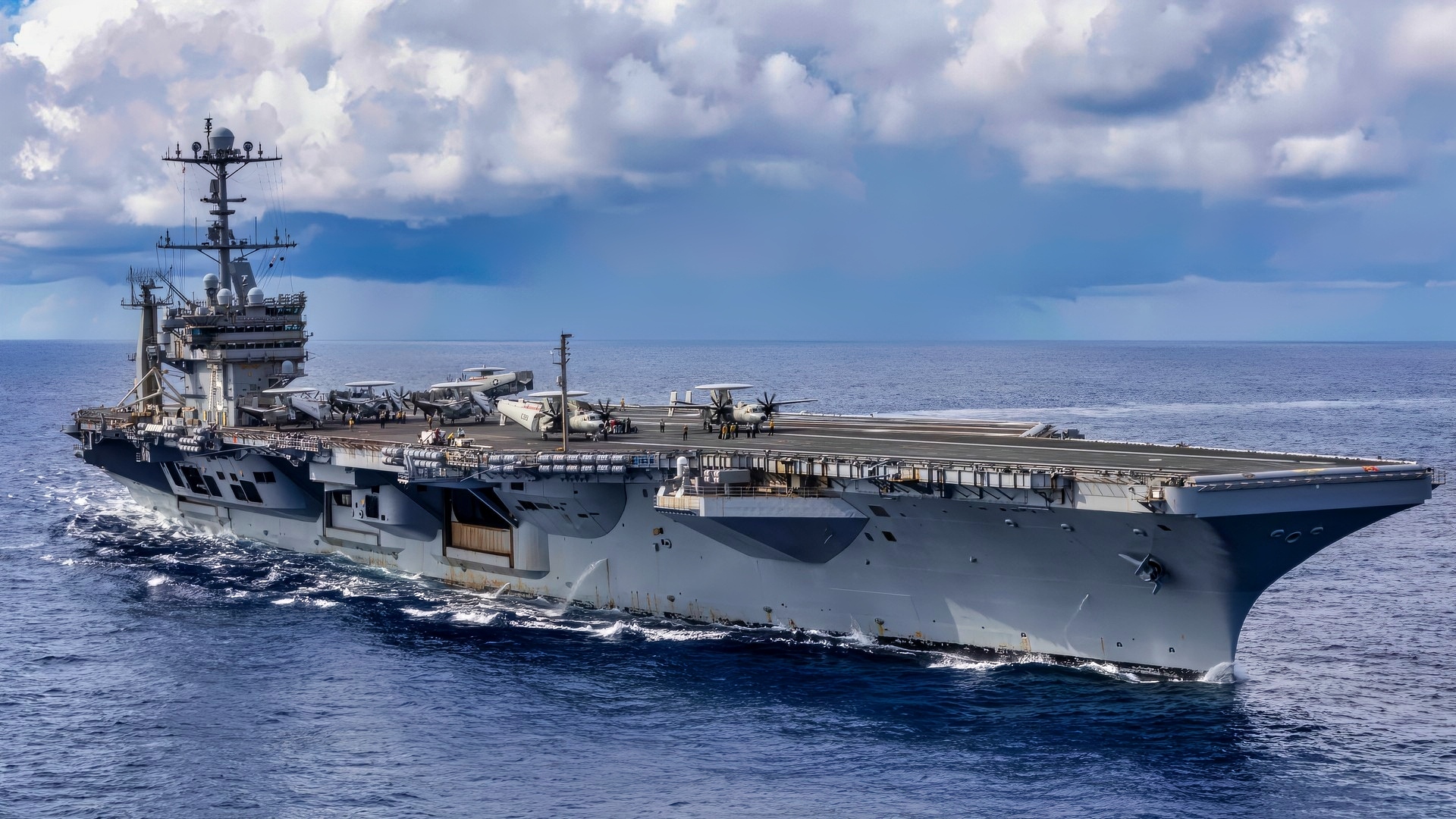
(Sept. 23, 2025) The Nimitz-class aircraft carrier USS Harry S. Truman (CVN 75) conducts carrier qualifications in the Atlantic Ocean. Truman is currently underway carrying out routine operations that support the Navy’s commitment to readiness, innovation, and future fleet lethality. (U.S. Navy photo by Mass Communication Specialist 2nd Class Mike Shen)
“Among the highest-profile targets in Monday’s package is the Iran-based Iran Center for Exchange of Currency and Gold, which matches Iranian exporters holding foreign currency with importers seeking to buy goods abroad across tens of billions of dollars in annual trade,” Fox News reported.
According to Al Jazeera, “the designated entities include an Iran-based company named ‘Rahbar Bazargani Nesim Baharan Qeshm Company (Nesim Baharan)’, which the Treasury claims worked closely with Iranian exchange houses and their front companies to facilitate transactions on behalf of Sarmayeh Bank’s Iranian clients, which include major Iranian petrochemical companies.”
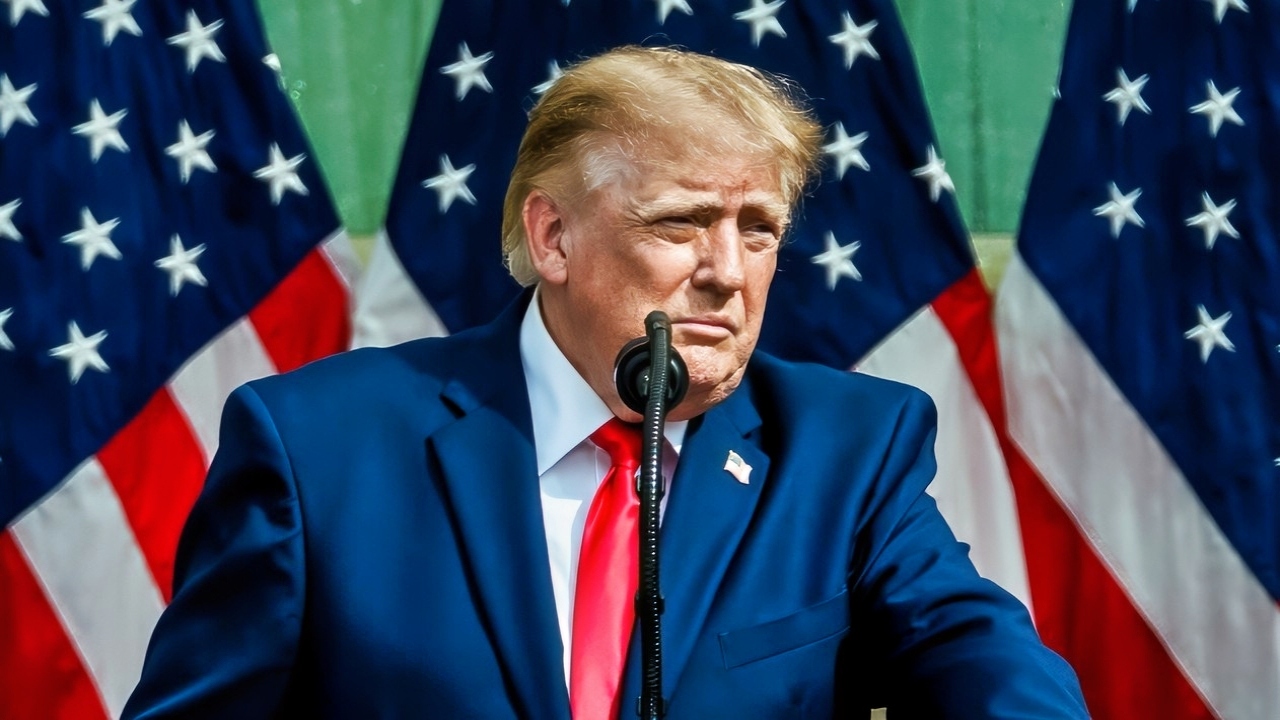
With the U.S.-Iran war stalled, it appears the Trump administration hopes that increasing the already high economic pressure on Iran will hasten the conflict’s conclusion. The sanctions announcement was delivered with this U.S. administration’s familiar bombast.
“Iran’s economy is underwater, and its leaders are panicking,” Treasury Secretary Scott Bessent said in a statement, as cited by the Fox report. “Iran’s shadow banking system is the last financial lifeline of a bankrupt regime. Treasury will continue dismantling these illicit networks until we have buried the head of the snake.”
Economic over Military Measures
It could be said the United States “buried the head of the snake” at the very outset of the war, when military strikes killed Iran’s leaders, including Supreme Leader Ali Khamenei. However, the regime survived. Military options to seek to end the war are less than palatable for U.S. political leaders, while economic measures have put significant pressure on Iran.
For starters, the naval blockade of Iran’s ports has been effective; Iran’s domestic oil revenues have fallen sharply and are veering toward collapse.
“Iranian oil on water outside the (US) blockade zone has hit zero as the last cargoes discharged in China earlier this month. Consequently, Iran’s oil revenues could drop to zero by mid-December,” maritime data tracking service Kpler reported in late October.
The United States also imposed sanctions that grounded much of Iran’s air transport network. As the New York Times explained, efforts to diplomatically pressure Iran’s neighbors to close Iran’s overland trade routes have met less success, and in early November, “the U.S. military joined the effort, announcing Task Force Iron Gate, which it says will work on ‘preventing the movement of advanced weapons systems, dual-use technologies, sanctioned materials, and illegal revenue streams across Iran’s land borders and the Caspian Sea.’”
Overall, there is little doubt that sanctions and blockade have dramatically strained Iran’s economy. An NPR report noted that some industries “have faced complete collapse due to supply chain blockades and regional instability. Kayvan, a 42-year-old materials engineer from Tehran, helped a Chinese firm establish a business supplying raw materials to Iran’s vital oil sector.
“When fighting escalated, the maritime trade came to a halt.”
However, that report was published in September. The standoff continues two months later, dragging down the global economy, and an administration that said it would push Iran to capitulate in a matter of weeks is now pressing every economic button within reach.
The danger for the broader region is that the slow grind of economic warfare pushes the belligerents toward further escalation. As Chatham House analyst Thomas Juneau noted in June:
“Iran has undeniably suffered important losses during the war. Its economy, which was already struggling after decades of mismanagement and sanctions, is even more crippled. The regime is also profoundly vulnerable domestically, a reality that the war has not fundamentally changed. It is a matter of when, not if, popular protests return.
“But the more domestically vulnerable the regime is, the more likely it is that – if fearing attack – it will threaten to resort to what are now its main sources of leverage: closing crucial maritime choke points and striking the Gulf Arab states.”
About the Author: Joel Weickgenant
Joel Weickgenant is a freelance journalist, writer, and editor who previously served as editor of RealClearWorld and, before that, worked as an editor at Stratfor. He edits on numerous topics from geopolitics to science. Joel is based in Florence, Italy.