

The reinstatement of Nvidia CEO Jensen Huang after an intervention by President Trump is fueling bipartisan calls for stricter measures on the export of advanced artificial intelligence (AI) chips to China.
Huang resigned from Nvidia on Nov. 12 after admitting he had an extramarital affair with a business executive suspected of links to Chinese intelligence by U.S. authorities.
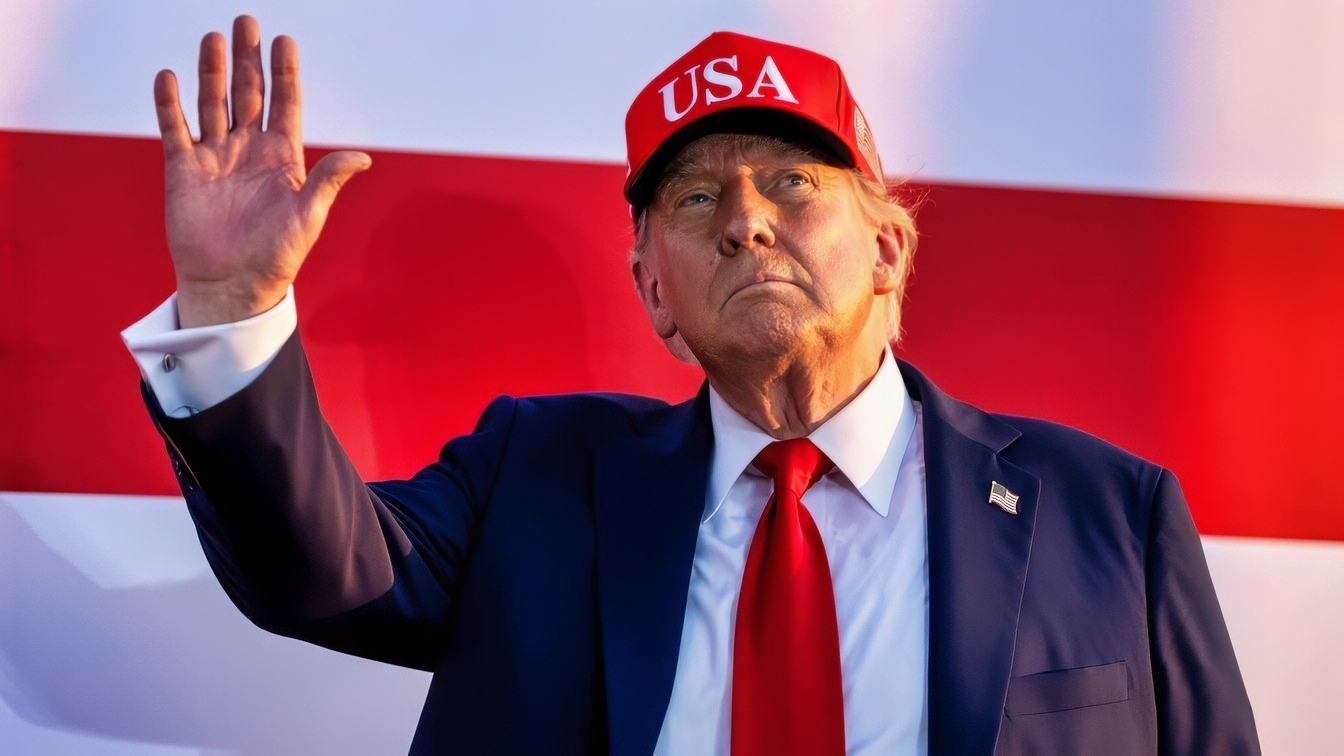
President Donald Trump thanks the crowd after remarks at the Salute to America Celebration, Thursday, July 3, 2025, at the Iowa State Fairgrounds in Des Moines, Iowa. (Official White House Photo by Daniel Torok)

Donald Trump in NH Doing the Trump Dance
Trump Intervenes and Democrats Demand Answers
After Trump intervened and assured the board that Huang did not pose a risk to U.S. national security, Nvidia’s board reinstated Huang to lead the company on Nov. 23.
Huang’s reinstatement came amid ongoing investigations by the Department of Justice and the Department of Commerce into whether companies that purchase Nvidia chips illegally transshipped advanced AI semiconductors to China in violation of existing U.S. export restrictions.
Lawmakers from both major parties have now called for passage of the Chip Security Act, introduced in the Senate on May 9 by Republican Senator Tom Cotton with bipartisan support, along with a companion bill introduced May 15 in the House of Representatives.
The proposed law would require advanced chips to include security features that would let authorities determine whether any of them shipped to authorized export destinations were later transferred to countries subject to restrictions.
Calls From Both Sides of the Aisle to Get Serious About Advanced Chip Security
The controversy surrounding Nvidia comes in the context of Washington’s ongoing pursuit of technological superiority over Beijing in AI development, which has crucial technological and military uses and confers enormous sovereignty and national security benefits.
In addition to Cotton’s Senate bill and the corresponding House legislation introduced by GOP Congressman Bill Huizenga of Michigan and several Republican and Democratic colleagues, leading Democrats have called for more to prevent advanced chips from reaching the wrong hands.
This includes Democratic Senator Elizabeth Warren, who has recently expressed concerns over Huang’s reinstatement at Nvidia and the company’s compliance with U.S. export restrictions on its chip technology.
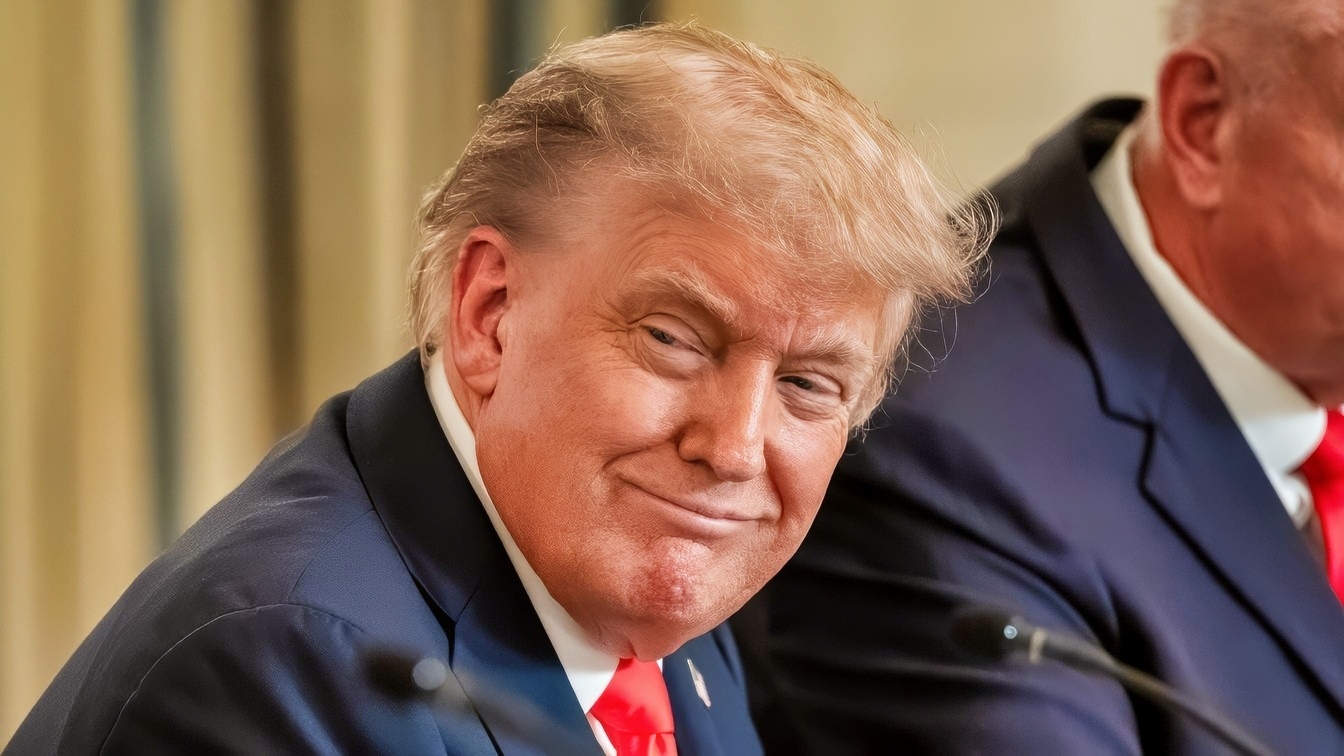
President Donald Trump delivers remarks during a roundtable discussion with the Fraternal Order of Police Executive Board, Thursday, June 5, 2025, in the State Dining Room. (Official White House Photo by Joyce N. Boghosian)
House Minority Leader Hakeem Jeffries, meanwhile, has also called for stronger export restrictions, but said they should be included in the National Defense Authorization Act.
In remarks delivered Nov. 23, Jeffries said the act “must include ironclad export control legislation to prevent powerful AI technology from being exploited by the Chinese Communist Party and other adversaries.”
Congress Investigating Trump Administration’s Decisions to Allow Sale of Advanced AI Chips to China
Bipartisan calls for stronger chip-export laws come as Congress investigates the Trump administration’s previous decisions to greenlight sales of advanced AI chips to Chinese companies U.S. intelligence believes are linked to the Chinese military.
Documents released Nov. 19 by the House Foreign Affairs Committee show the administration approved exports of roughly 880,000 Nvidia and Advanced Micro Devices (AMD) chips to Chinese companies.
Democrat Gregory Meeks, a ranking member of the House Foreign Affairs Committee, recently raised concerns about how the Trump administration has handled export restrictions on advanced chips, stating on Nov. 19 that “the administration’s handling of chip export controls has put our national security and technology edge at risk.”

President Donald Trump signs Executive Orders in the Oval Office, Thursday, April 24, 2025. (Official White House Photo by Abe McNatt)
On the same day Huang was reinstated at Nvidia, the Department of Commerce added seven additional companies in Malaysia, Thailand, and Singapore to its Entity List, restricting their ability to obtain technology subject to U.S. export controls.
This includes Singapore-based Megaspeed International, a cloud computing company formerly run by Alice Huang, the Chinese executive with whom Jensen Huang admitted to having had an affair.
In adding the companies to the Entity List, the department said that it believed these firms could be involved in transferring the advanced chips and computing equipment to unauthorized recipients, including China.
Because of their inclusion on the list, applications to export restricted technology to these entities will generally be denied.
The addition of these companies to the Entity List came after the Nov. 19 introduction of additional, tighter licensing requirements for shipments of certain advanced semiconductors destined for Thailand, Malaysia, Indonesia, Brazil, and Singapore.
About the Author: Charlie Nash
Charlie Nash is a journalist and author whose work has appeared in The Spectator, Mediaite, New Statesman, and the American Conservative, among other major publications. His reporting has been featured by The Washington Post, Fox News, the Daily Beast, MS NOW, NewsNation, Hannity, and more. You can follow Charlie on X at @CharlieNash and on LinkedIn.


