


The radar-absorbent coatings of stealthy aircraft are far different than a coat of specialized paint. Instead, they are specifically engineered radar-absorbing materials that convert or otherwise dissipate radar reflected onto the aircraft.
The maintenance and upkeep of these stealth coatings are therefore critical to aircraft combat readiness, as worn-out coatings can make an otherwise highly stealthy aircraft substantially easier to detect.
Why Stealth Coatings Fail
Low-observable surfaces degrade through ordinary use. Aerodynamic friction, rain, dust, insects, ground handling, panel movement, and thermal cycling are all sources of potential abrasion.
Heat, humidity, and salts can accelerate corrosion and delamination of coatings, in particular along leading edges, inlets, access panels, as well as fasteners.
But a scuffed patch of an aircraft’s stealth coatings is not automatically a death sentence for the pilot or aircraft. It does not suddenly make the aircraft visible to adversary radar.
It can, however, raise the aircraft’s radar cross-section along particular frequencies or from certain angles.
Maintenance of stealthy coatings can be intrusive, as coatings must remain electrically and geometrically continuous. Technicians inspect seams and panels for damage, record damage, and repair or reapply material. Panels may, in some circumstances, require the stripping and restoring of the coating around certain edges.
For the F-22 Raptor, for example, the U.S. Government Accountability Office, a nonpartisan federal oversight body, found that coating upkeep was time-consuming and materially reduced aircraft availability. As a result, the U.S. Air Force looked into more durable materials and a modular repair approach involving robotics.
From the F-117 to the F-35
Early American stealth aircraft relied heavily on externally applied, relatively fragile treatments. The F-117, the B-2 Spirit bombers, and the F-22 Raptor all required extensive inspection and recertification, with the F-22’s inlet coatings proving particularly troublesome for a high-airflow area.

F-117A Up Close National Security Journal Image. Taken by Harry J. Kazianis on July 19, 2025.
The F-35, however, took a different approach to stealthy coatings, and treated low observability as a structural property instead of as a kind of surface finish akin to paint.
Its radar-absorbing material is integrated into a multilayer composite skin, while coatings, conductive treatments and carefully managed seams supplement the shaping of the airframe.
The aim is a signature that changes less with wear and can be restored more quickly. But that strategy does not eliminate maintenance.
The F-35C, the navalized variant of the F-35, has shown visible coating wear and canopy-coating problems. But the design philosophy is more durable and repairable than that of earlier stealth aircraft.
What the F-47 May Need
Public information about the United States’ upcoming crop of sixth-generation aircraft is limited, as is information about its stealth coatings.
But the plausible direction is perhaps less turbid. Materials that survive higher skin temperatures, resist abrasion and corrosion, tolerate the stresses of carrier operations, and can be repaired without lengthy depot work are no doubt prioritized.
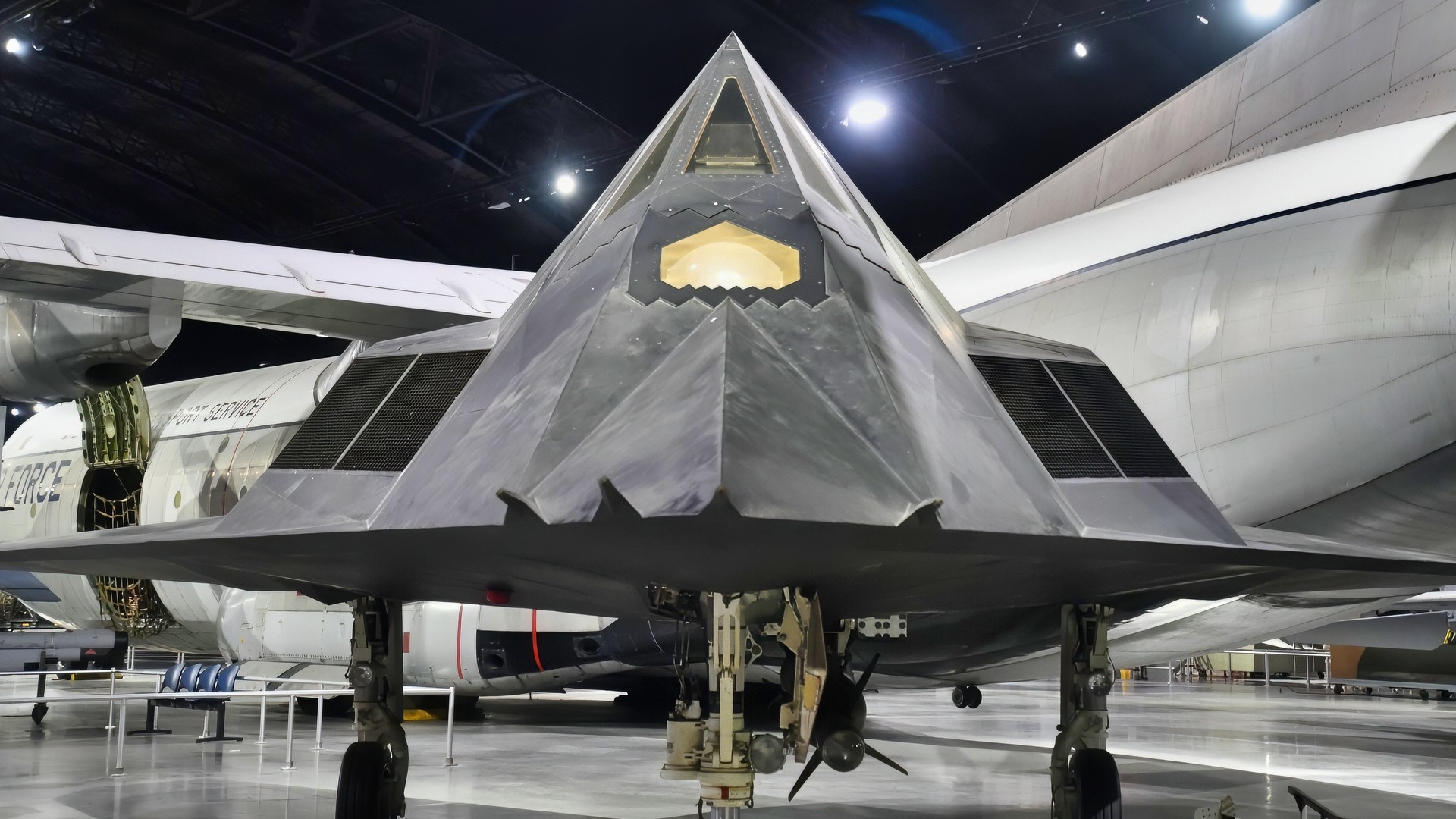
F-117A Nighthawk Stealth Fighter in Museum. Image Credit: Creative Commons.
For the F-47, its anticipated stealth-plus requirement is likely to be pursued through a combination of shaping, bonded radar-absorbent materials, better edge and seam treatment, and lower-maintenance manufacturing, not a single miracle coating.
For the U.S. Navy’s F/A-XX, the same pressures apply, with added factors of salt, humidity, and carrier stresses.
Russia and China
Russian and Chinese stealthy aerospace programs follow the same general physics as that of their American counterparts: aircraft shaping, radar-absorbent materials, conductive treatments, and attention to seams and edges.
The Su-57 is generally assessed by outside military analysts as less stealthy than the F-22 or F-35, partly because its design retains features that are harder to reconcile with a very low radar cross-section. Its coating details are not publicly documented in comparable detail.
China’s J-20 appears to make extensive use of RAM and low-observable shaping. But as with the aforementioned Russian projects, little is publicly known about how effective China’s stealthy aircraft coatings truly are.
What can be said with a higher degree of confidence, however, is that American stealth programs have a much longer, better-documented track record of integrating stealth into production, dusting fleets at scale, and learning from coating failures.
Russia and China have demonstrated capable stealth-oriented designs, but their public evidence on real-world coating durability and fleet-wide maintenance is much less complete.
Bonus: F-22 Photo Essay Photos from National Security Journal
As we were up close to a real F-22 Raptor at the National Museum of the US Air Force last year, we included a block of photos to show you what a real F-22 Raptor stealth fighter looks like up close, as seen by our team at National Security Journal.
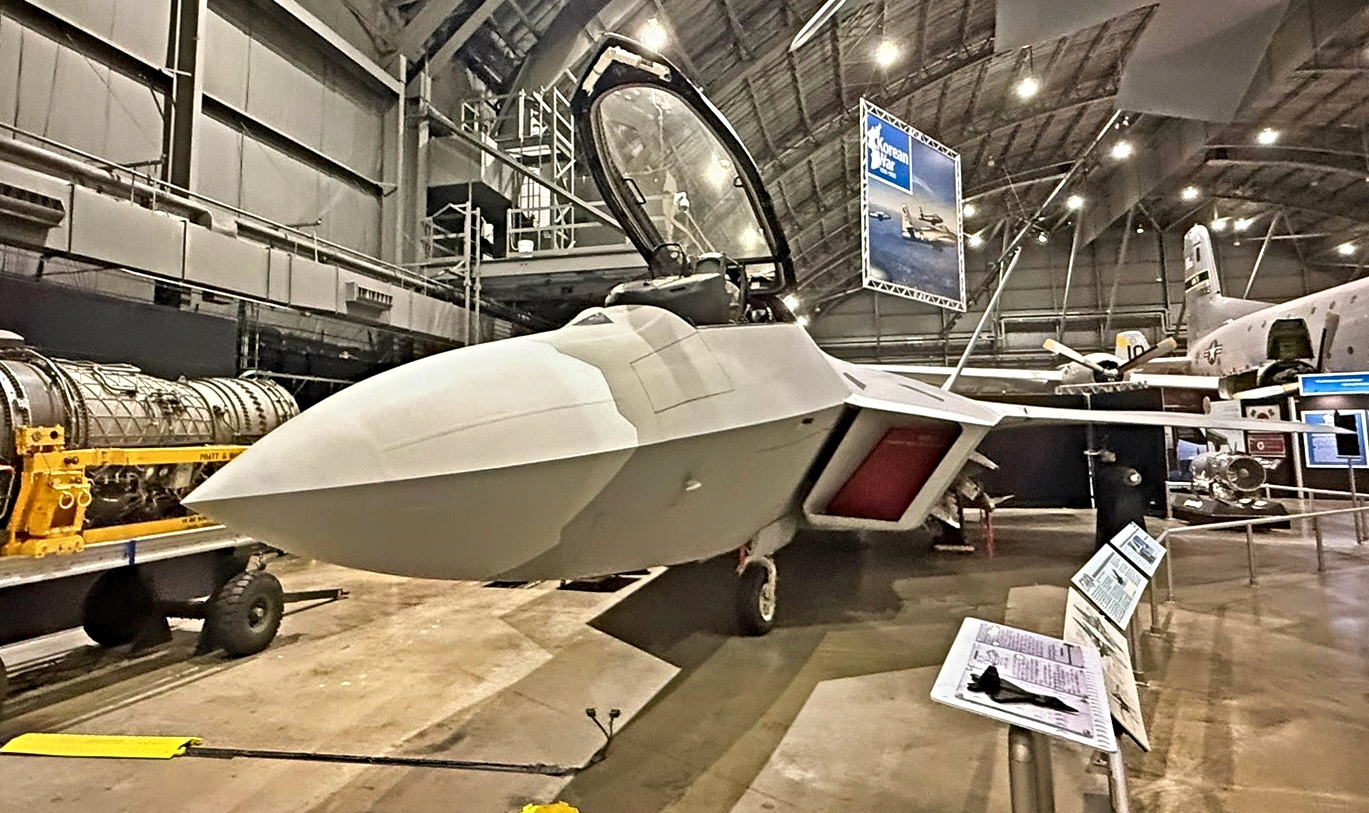
F-22 Raptor Nose Shot from U.S. Air Force Museum. Image Credit: National Security Journal.
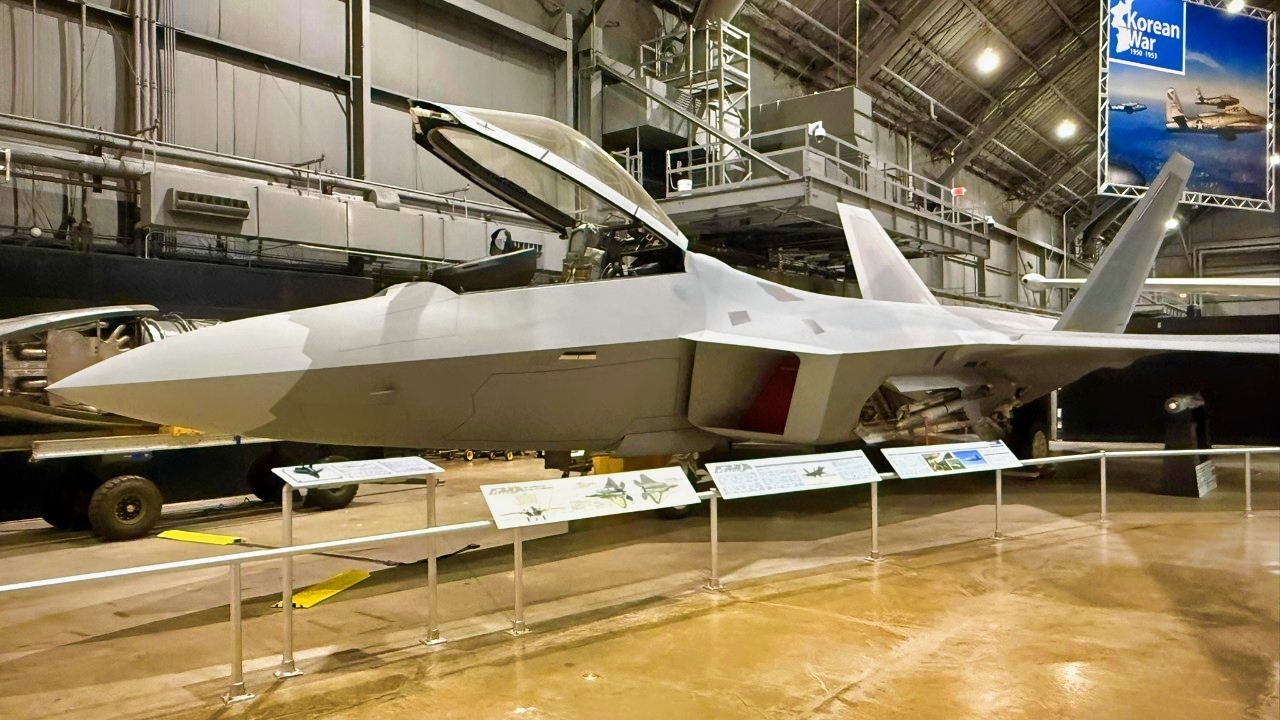
F-22 Raptor @ USAF Museum 2025. Image Credit: National Security Journal.
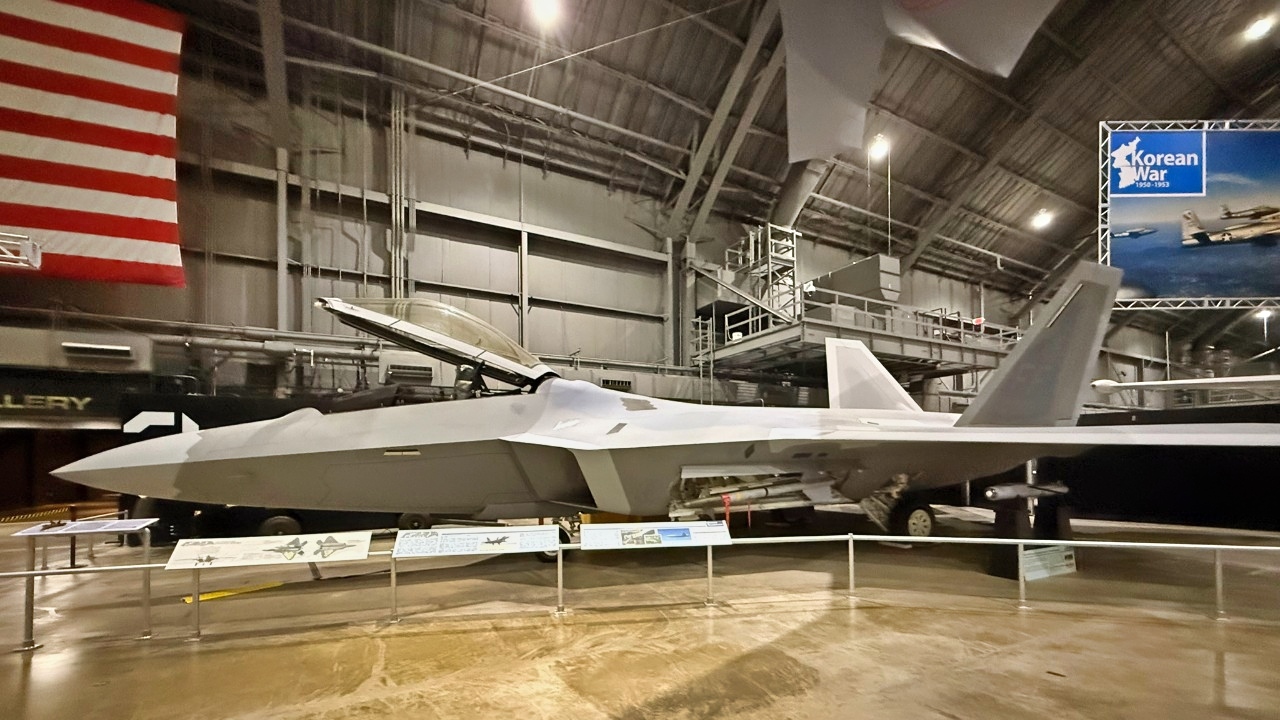
F-22 Raptor. This will be replaced by the F-47. Image Credit: National Security Journal.
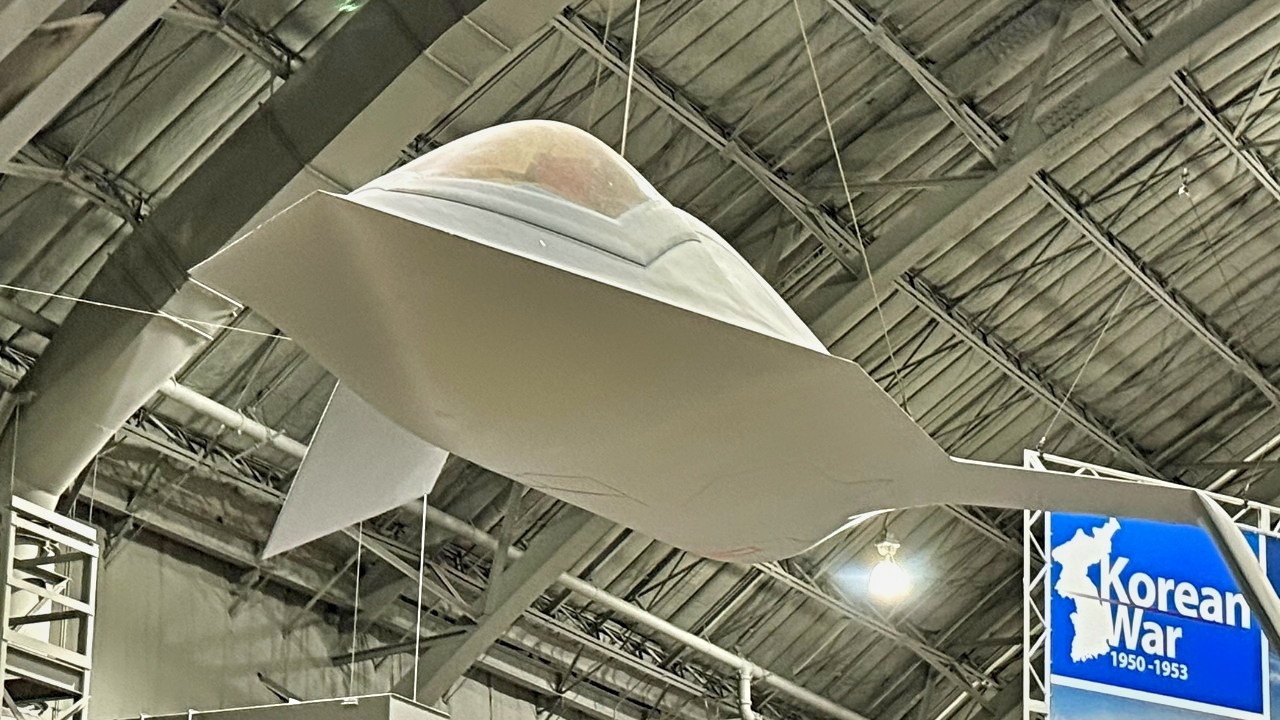
YF-118G Bird of Prey Hanging Above F-22. Image Credit: National Security Journal.

YF-118G Bird of Prey and F-22 Raptor. Image Taken at U.S. Air Force Museum on 7/20/2025.

F-22 Fighter. Image Credit: National Security Journal.

F-22 Raptor Stealth Fighter. Image Credit: National Security Journal Original Photo.
About the Author: Caleb Larson
Caleb Larson is an American multiformat journalist based in Berlin, Germany. His work covers the intersection of conflict and society, focusing on American foreign policy and European security. He has reported from Germany, Russia, and the United States. Most recently, he covered the war in Ukraine, reporting extensively on shifting battle lines in Donbas and writing about the war’s civilian and humanitarian toll. Previously, he worked as a Defense Reporter for POLITICO Europe. You can follow his latest work on X.


