
U.S.-Iran Mediators Working On A Deal – Mediators are reportedly pressing ahead with efforts to bring the war with Iran to an end, but disagreements over Iran’s nuclear future remain the main sticking point, according to two U.S. officials who spoke to The Associated Press.
New reports suggest that mediators are continuing to work on a potential deal to end the conflict. Reuters reported that further discussions are now expected to focus on an amended version of a plan put forward by Tehran, which envisions restoring shipping through the Strait of Hormuz within seven days of an agreement being made.
But the negotiations come as the conflict enters its eighth month, with clear and significant divides persisting — and no indication that the next agreement may hold.
Talks Continue Via Qatar
U.S. and Iranian officials held separate discussions with mediators on Monday, September 28, according to Reuters, citing officials from both countries.
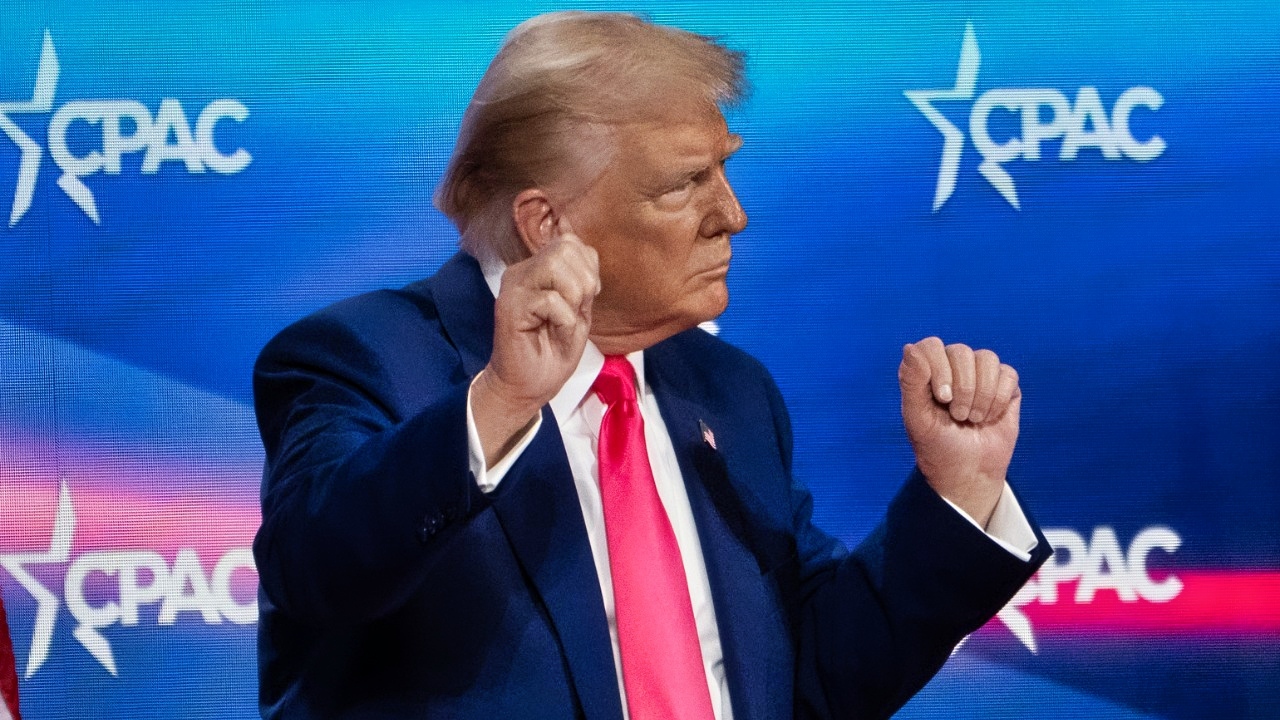
Speaking to reporters at the White House, President Donald Trump confirmed that American officials had participated, but he provided no details about the discussions. Until this week, the president has repeatedly insisted that he is not negotiating with Iran, but waiting for the economic pressure to force the regime to return to the table.
One official briefed on the negotiations told Reuters that further talks are now expected to focus on an amended version of Iran’s seven-day proposal.
Iranian Foreign Minister Abbas Araghchi, who stayed in New York after attending the United Nations General Assembly, said that a Qatari mediator had met with Iran’s delegation to discuss how Tehran’s conditions could be met, according to Iran International. According to Araghchi, Qatar is expected to present the ideas discussed at that meeting to American officials and relay Washington’s response.
“They had some ideas, and we held discussions that they will also raise with the US side,” Araghchi told IRNA.
Araghchi also said that he would fly back to Iran within hours instead of waiting for the official U.S. response, noting that the Qataris “know how to reach” the regime once they receive a response.
The Iranian government official also said that messages exchanged via Qatari and Pakistani mediators have continued throughout the entire process, but are now taking on a “more serious form.”
Iran’s Proposed Deal
It comes after Araghchi said on Thursday, September 24, that Iran had submitted a new proposal to Washington via mediators. Speaking to reporters and academics in New York during the United Nations General Assembly, he described a proposed plan to reopen the Strait of Hormuz and restart negotiations on a final agreement within one week.
On Friday, September 25, he publicly outlined the proposed timetable and said that it had been offered to the United States via Qatar. Under the proposed deal, Washington would lift its naval blockade and waive sanctions on Iranian oil sales, and release frozen Iranian assets. He also said that the proposed ceasefire would include Lebanon.
Araghchi told reporters that the seven-day timeline would begin as soon as the United States accepted the plan, adding that the initial measures would take four or five days and that the strait would reopen on the sixth day. Then, he said, negotiations over Iran’s nuclear future would begin on the seventh day.
How the U.S. Responded
President Donald Trump has already publicly rejected the proposed deal from Iran, stating on September 26 at the White House, “They made a proposal, but I rejected it.”
Trump argued that Iran was not seeking a deal to end the war, but to relieve economic pressure that is weakening its position. He did, however, say that he remains interested in reaching a deal on different terms.
Speaking to reporters outside the White House, Trump said, “They want to make a deal and I think that’s fine.”
“I’d like to make a deal, too. But that deal would not be acceptable.”
Iran Appeals to American Voters
On Tuesday, September 29, Iran’s Revolutionary Guard Corps made a direct appeal to American voters, releasing a 25-page open letter urging opposition to U.S. support for Israel and foreign wars. Speaking to reporters in Tehran, IRGC spokesman Hossein Mohebbi said he did not expect the message to change the Trump administration’s behavior, but hoped it would reach voters ahead of the midterm elections in November.
The letter argued that Iran and the United States could coexist if Washington changed its policies.
Mohebbi also called on Americans to protest the conflict, insisting that Washington “has no choice but to acknowledge defeat and leave the region.”
“This is how the war will end,” he continued.
The appeal came as Iran’s currency fell to a record low, with Iranian traders now exchanging more than 2.5 million rials per dollar.
About the Author: Jack Buckby
Jack Buckby is a British researcher and analyst specializing in defense and national security, based in New York. His work focuses on military capability, procurement, and strategic competition, and he produces and edits analysis for policy and defense audiences. He brings extensive editorial experience, with a career output spanning over 1,000 articles at National Security Journal, and has previously authored books and papers on extremism and deradicalization.


