
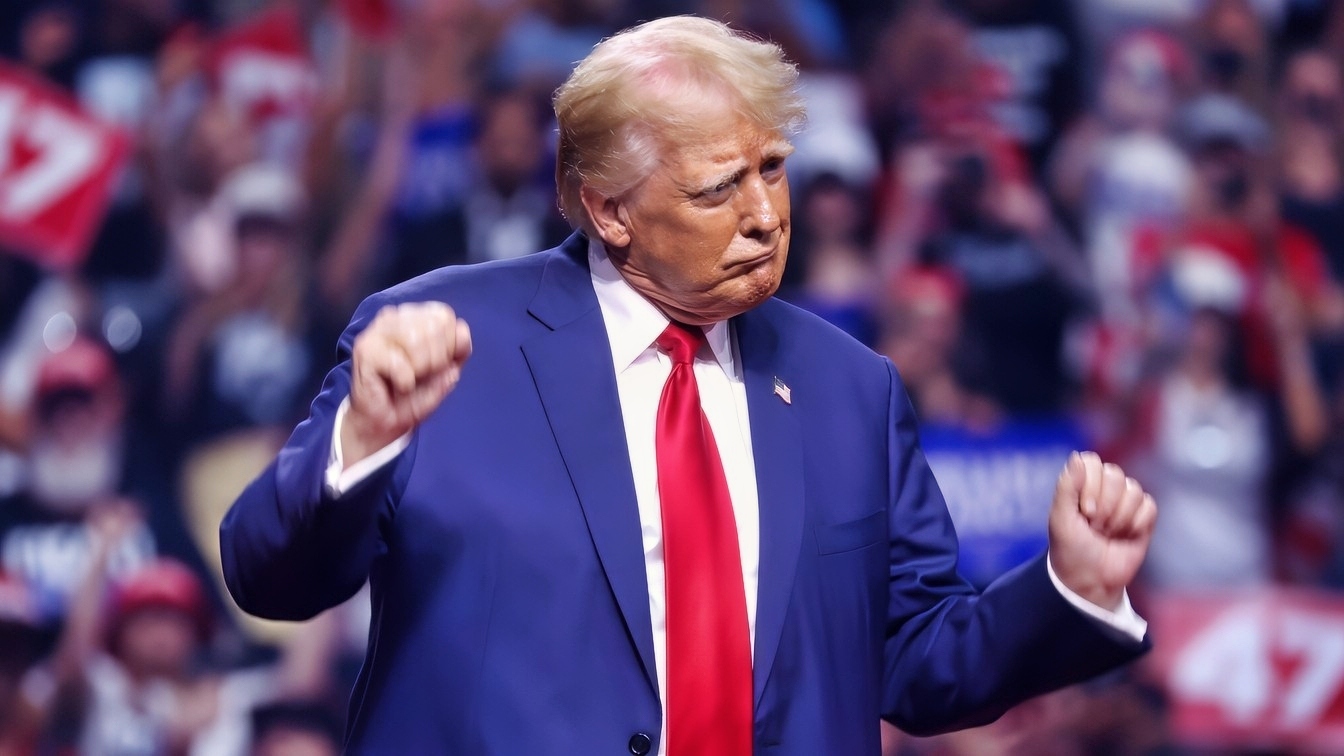
President Donald Trump is questioning the legitimacy of last week’s midterm elections, seemingly going back on his previous suggestions that he accepted the results.
Comments by Trump administration officials from before the election also suggest that investigations may still be underway to ensure that the vote was not affected by illegal votes.
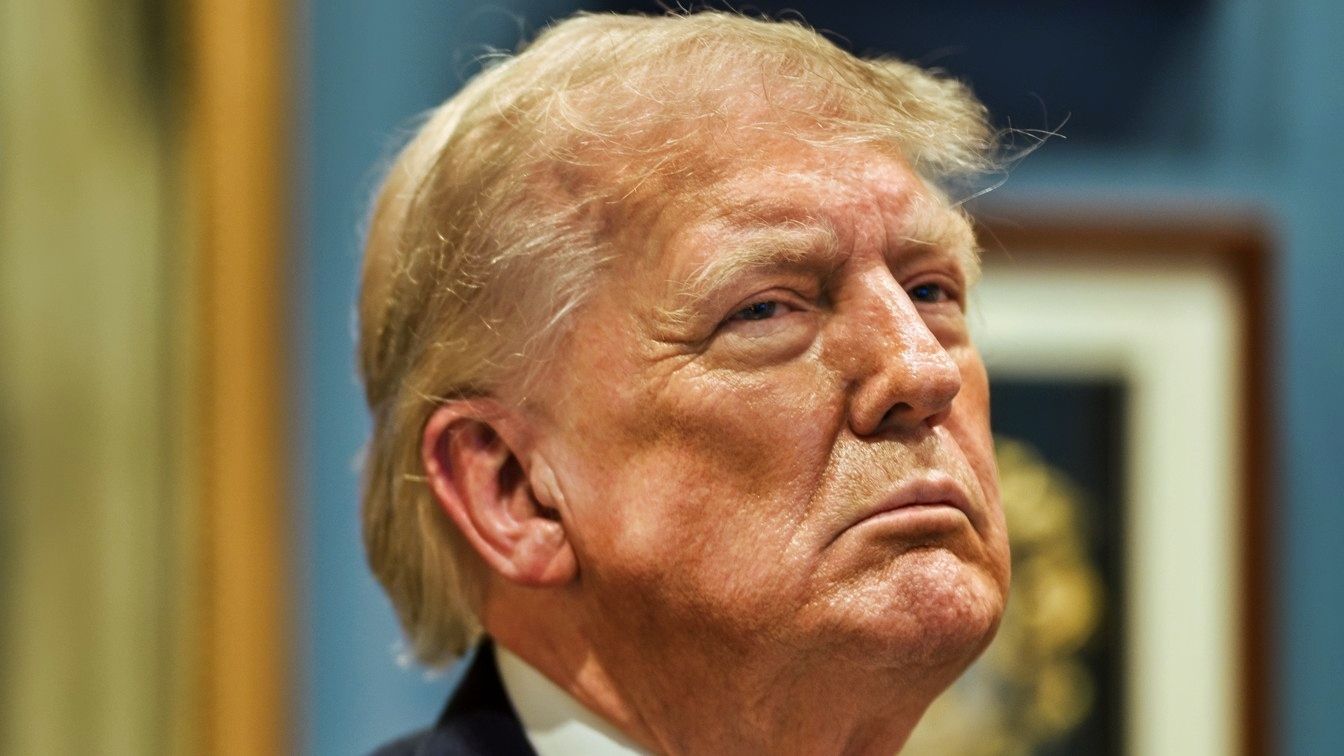
President Donald J. Trump watches the liftoff of Artemis II in the Outer Oval Office, Wednesday, April 1, 2026. (Official White House Photo by Daniel Torok)
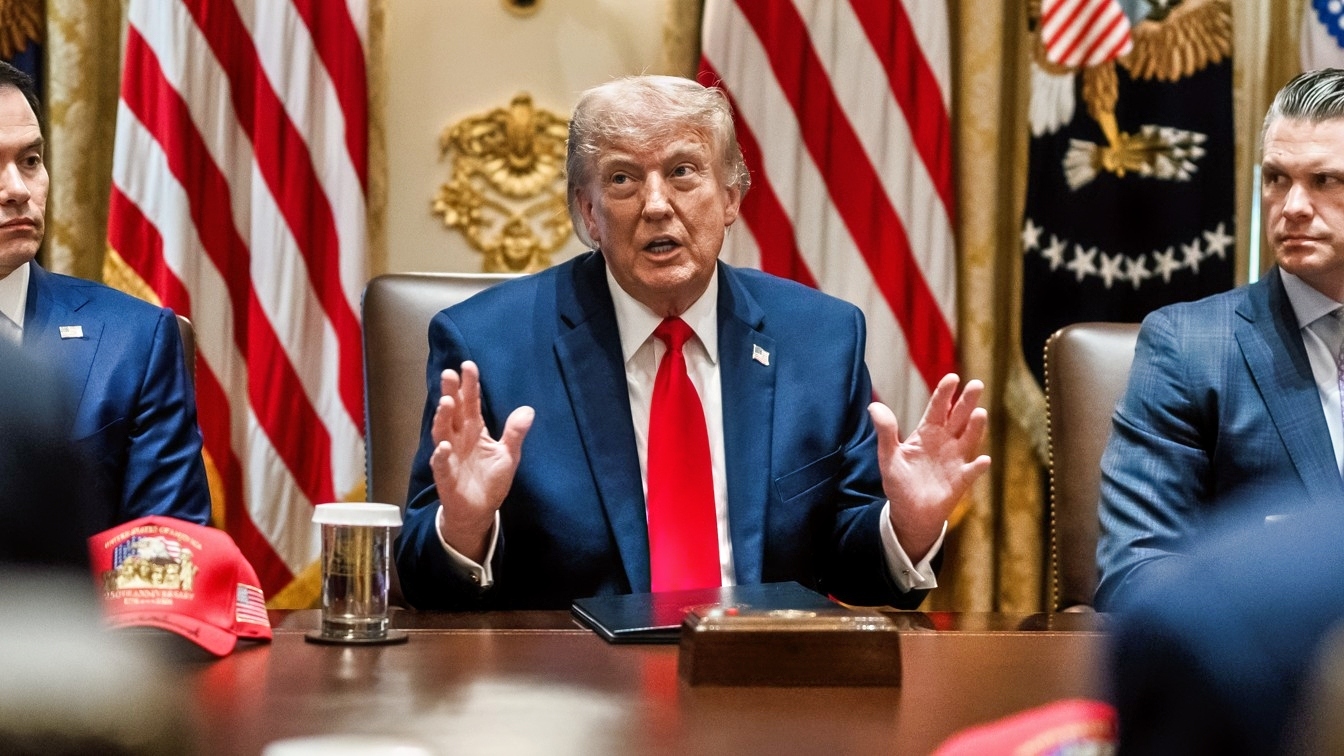
President Donald J. Trump holds a cabinet meeting in the Cabinet Room Wednesday, May 27, 2026. (Official White House Photo by Daniel Torok)
In a statement issued on Truth Social on November 9, the president suggested that voting machines and unusually large numbers of early ballots may have contributed to the Democrats’ sweeping victories.
The accusations came less than a week after Democrats secured control of both chambers of Congress, even winning Senate races in traditionally Republican states.
The Democrats also flipped more than 40 Republican-held House seats.
But the president’s allegations may not surprise observers who remember that, before the election, the Department of Homeland Security (DHS) and Department of Justice (DOJ) confirmed investigations into potential illegal voting.
Both the DHS and DOJ have already investigated thousands of voter records and issued more than 100 subpoenas, demanding information from election officials all over the country.
What Trump Claims
After initially accepting the results, President Trump published a statement on Truth Social on Monday questioning whether the Democrats had legitimately won.
“Does anybody really believe that this ‘Election’ was honest? How could the Polls be so wrong???” he said.
“Some early voting ‘dumps’ were so large that it was impossible to win, no matter how many people went to vote. It’s all about the machines, which are far more important than the voter!” he continued.
The president’s suggestion that the polls were wrong is interesting—and neither he nor his representatives have indicated what he means by it.
The polls did, in fact, predict that the Democrats would take control of the House of Representatives. Some polls also predicted, in the final days of the race, that the Democrats would also secure control of the Senate.
Trump Initially Accepted the Results
Just days earlier, President Trump publicly accepted the results in multiple interviews and appeared to be uncharacteristically magnanimous about the losses.
While the president largely blamed Republican candidates and insisted the loss cannot be attributed to him, he did accept that rising gas prices influence voters’ decisions.
He also praised Democrats on election night, congratulating the party and indicating that he was willing to work with the incoming congressional majority.
Trump accepted the results in an interview broadcast on Sunday, November 8. He also told The New York Times that he accepted the election results.
But by Monday morning, Trump appeared to be returning to old arguments that date back to his 2020 defeat to Joe Biden.
The president famously alleged widespread voter fraud and pursued legal challenges that ultimately failed.
Conservative commentators also disagreed with the president’s claims this time around, with commentator Megyn Kelly, who backed Trump in 2024, telling him to “just stop.”
Investigating Illegal Voting
Federal investigations were already resulting in criminal charges before election day. On November 2, Attorney General Todd Blanche announced charges against 63 individuals in connection with several election-related offenses.
Among them were four noncitizens who were accused of illegal voting or fraudulently registering to vote.
Blanche described the announcement as the largest wave of voter fraud arrests since the president returned to office.
He also committed to pursuing more cases.
On November 4, reports confirmed that federal prosecutors had subpoenaed election officials in Sonoma and Santa Clara counties in California.
The subpoenas were part of an investigation into California’s handling of voter registration records, with the Trump administration alleging that as many as 20,000 suspected noncitizens had received ballots. And investigations are ongoing.
Trump Admin Suffers Legal Setback
The Trump administration’s efforts to challenge potentially illegal voting suffered a major legal setback when, on Friday, November 6, the Justice Department withdrew a lawsuit seeking to prevent California from counting ballots associated with those approximately 20,000 suspected noncitizens.
The decision came after four court defeats, including a November 2 ruling by the Supreme Court. Judges rejected the Trump administration’s emergency request to separate the disputed ballots.
U.S. District Judge David Carter also ordered an independent review of the administration’s list of suspected noncitizens.
A hearing was scheduled for November 13 but was canceled after the case was withdrawn.
California Attorney General Rob Bonta has also accused the administration of abandoning its claims entirely, rather than defending its evidence in court.
And a separate federal court order has restricted field operations by the Department of Homeland Security in nine states, including Wisconsin, Georgia, and Pennsylvania.
The Trump administration can still investigate suspected criminal offenses, but the recent rulings have limited its ability to intervene in state election procedures.
About the Author: Jack Buckby
Jack Buckby is a British researcher and analyst specializing in defense and national security, based in New York. His work focuses on military capability, procurement, and strategic competition, and he produces and edits analysis for policy and defense audiences. He brings extensive editorial experience, with a career output spanning over 1,000 articles at National Security Journal, and has previously authored books and papers on extremism and deradicalization.


