
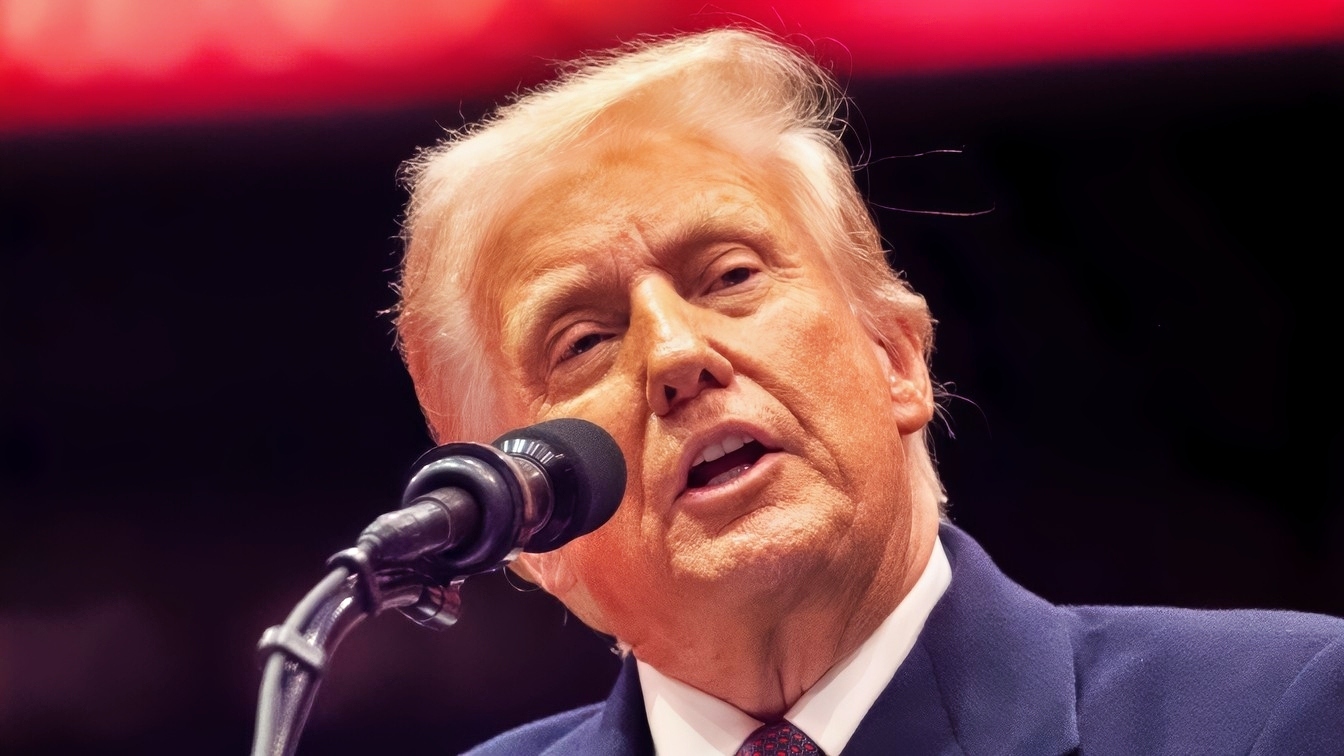
President Donald Trump has made seemingly conflicting statements in recent weeks, sometimes suggesting he is preparing to be combative with Democrats, while at other times expressing optimism that working with Democrats to make deals could be more fruitful than governing with a slim Republican congressional majority.
And while the president has spent much of his political career campaigning against Democratic healthcare reform proposals, the incoming Democratic-controlled Congress could allow Trump to explore some of his more traditionally Democratic political instincts.
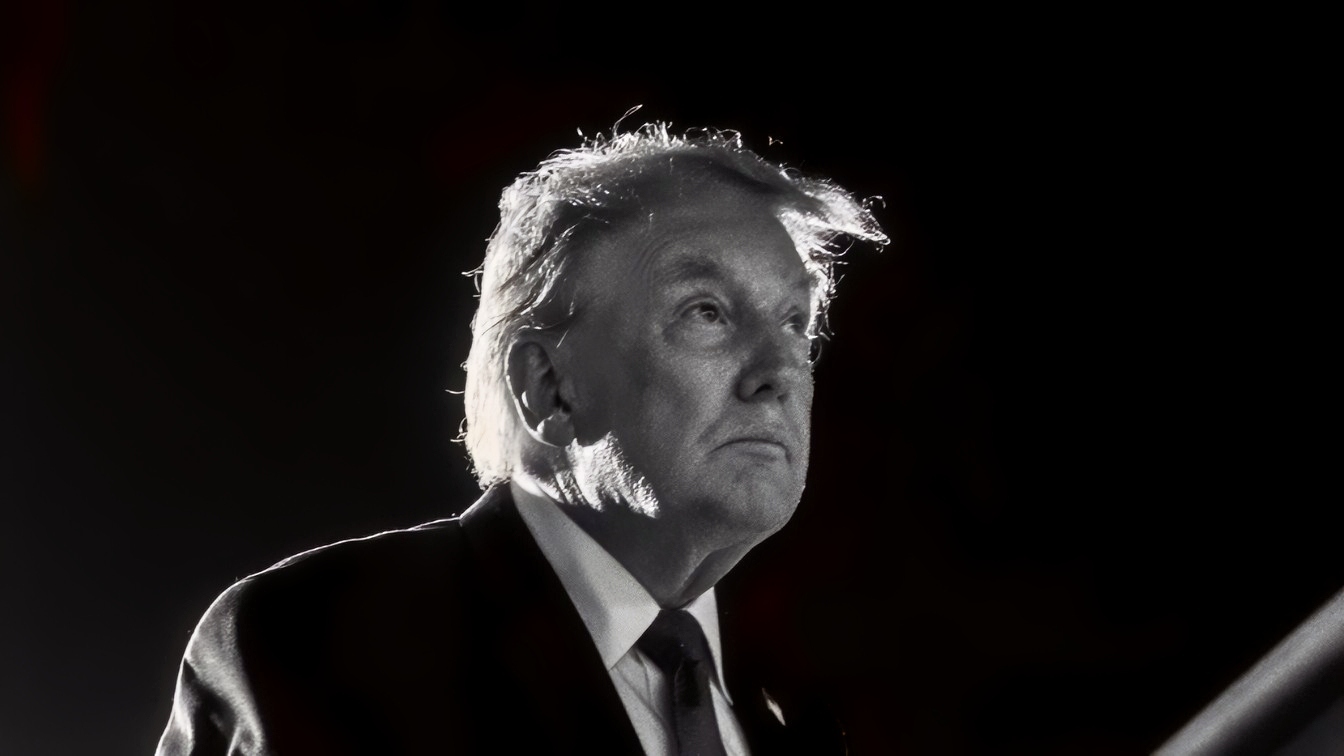
Donald Trump Getting on Air Force One. Creative Commons Photo.
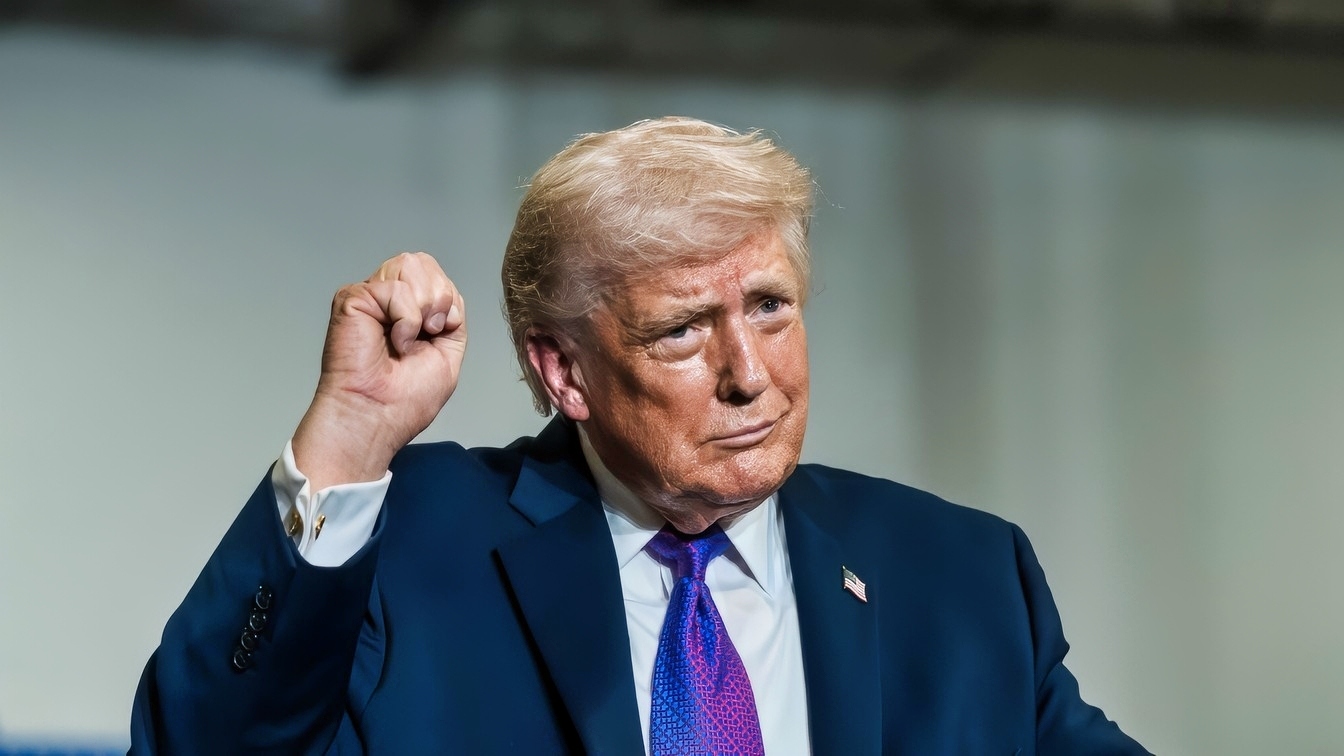
President Donald J. Trump delivers remarks at Verst Logistics Manufacturing in Hebron, Kentucky on Wednesday, March 11, 2026. (Official White House Photo by Joyce N. Boghosian)
With Republicans set to lose control of the legislative agenda during the final two years of Trump’s term, the president may find himself in an ideal position to pursue healthcare reforms that members of his party would ordinarily oppose and that align better with his own views.
On Tuesday, November 23, The Hill reported growing speculation in Washington about the possibility of passing a bipartisan healthcare agreement, following the president’s decision to share a proposal by Michigan Democratic Senator-elect Abdul El-Sayed.
The incoming senator shared a photograph of a health insurance card featuring the president’s name in a post calling on Trump to guarantee healthcare for all U.S. citizens.
Trump’s Democratic Instincts
President Trump has been promising to implement healthcare reform since his first term in office, but it has so far proven impossible to rally legislators behind a single idea.
Democrats and Republicans disagree wildly over how reform should be implemented and what the new system should look like, and Republicans can’t even agree among themselves.
And before Democrats secured control of Congress in November, Republicans’ slim majority still wasn’t enough to get anything done.
But Trump now has an opportunity to pass something with the support of the Democrats, including the most radical wing of the party, it seems — and even do so in a way that is consistent with positions he held before he entered Republican politics.
Trump has advocated for single-payer healthcare systems before. In his 2000 book, The America We Deserve, Trump said he supported a single-payer healthcare system for the United States. He had also previously expressed his admiration for Canada’s healthcare model.
But during the first Republican presidential primary debate in 2015, Trump acknowledged that while single-payer systems work in some countries, he did not believe it would work in the United States.
Trump may have believed it, but it is also perfectly likely that he was adapting to the expectations of the Republican base, which is largely opposed to socialized healthcare systems.
But does that mean Trump is preparing to do a deal that wipes out private health insurance? Certainly, no. But there is evidence that Trump supports ideas that Republicans generally do not, and the American people broadly do.
What Might A Deal Look Like?
But recently, House Minority Leader Hakeem Jeffries outlined several proposals he believes could form the basis of negotiations with the president over healthcare.
Among them was lowering the age of Medicare eligibility, which would help a limited number of Americans who do not yet qualify for support.
He also suggested expanding the program to cover dental, hearing, and vision care, and also guaranteeing access to healthcare for children.
Senator-elect El-Sayed has also said he is open to a universal healthcare system, which could be dubbed “TrumpCare,” that would exist alongside the option for Americans to purchase private health insurance.
The Trump administration also seems receptive not just to talks with Democrats now, but to continuing to implement provisions of the Inflation Reduction Act, passed under the Joe Biden administration.
Under that legislation, the federal government can negotiate drug prices through Medicare.
President Trump has continued to make reducing prescription drug prices one of his major priorities, despite objections from some Republicans on how it is achieved.
Will the Republicans Stop Him?
Even if Trump reaches an agreement with Democratic congressional leaders, Republicans may still try to stand in the way—especially if the deal departs dramatically from the Republicans’ traditional platform.
Unless Democrats can pass healthcare reforms through the budget reconciliation process, which limits the kinds of provisions that can be included in a bill, they would need the support of some Republican senators to overcome the Senate filibuster.
President Trump could also face opposition from within his own administration if he returns to his Democratic roots.
The White House has already pointed to an analysis by its Council of Economic Advisers that warns of a federal deficit increase of $47.4 trillion over a decade if Medicare for All is implemented.
But with just two years left in office, Trump may see an opportunity to establish a new legacy—one that implements a healthcare policy popular with the American people, but less so with his own party.
About the Author: Jack Buckby
Jack Buckby is a British researcher and analyst specializing in defense and national security, based in New York. His work focuses on military capability, procurement, and strategic competition, and he produces and edits analysis for policy and defense audiences. He brings extensive editorial experience, with a career output spanning over 1,000 articles at 19FortyFive and National Security Journal, and has previously authored books and papers on extremism and deradicalization.


