

Tehran just put its war aims on the record. Actually, they’ve been stating it for months, but now more people are paying attention. In an exclusive interview with Al Jazeera published Wednesday, Mohammad Bagher Ghalibaf, Iran’s parliament speaker and its lead negotiator, said the Strait of Hormuz will “never return” to its status before the US-Israel war on Iran.
He added that Iran and Oman have reached an understanding to oversee the waterway together as part of Tehran’s seven-point proposal to end a conflict now in its ninth month.
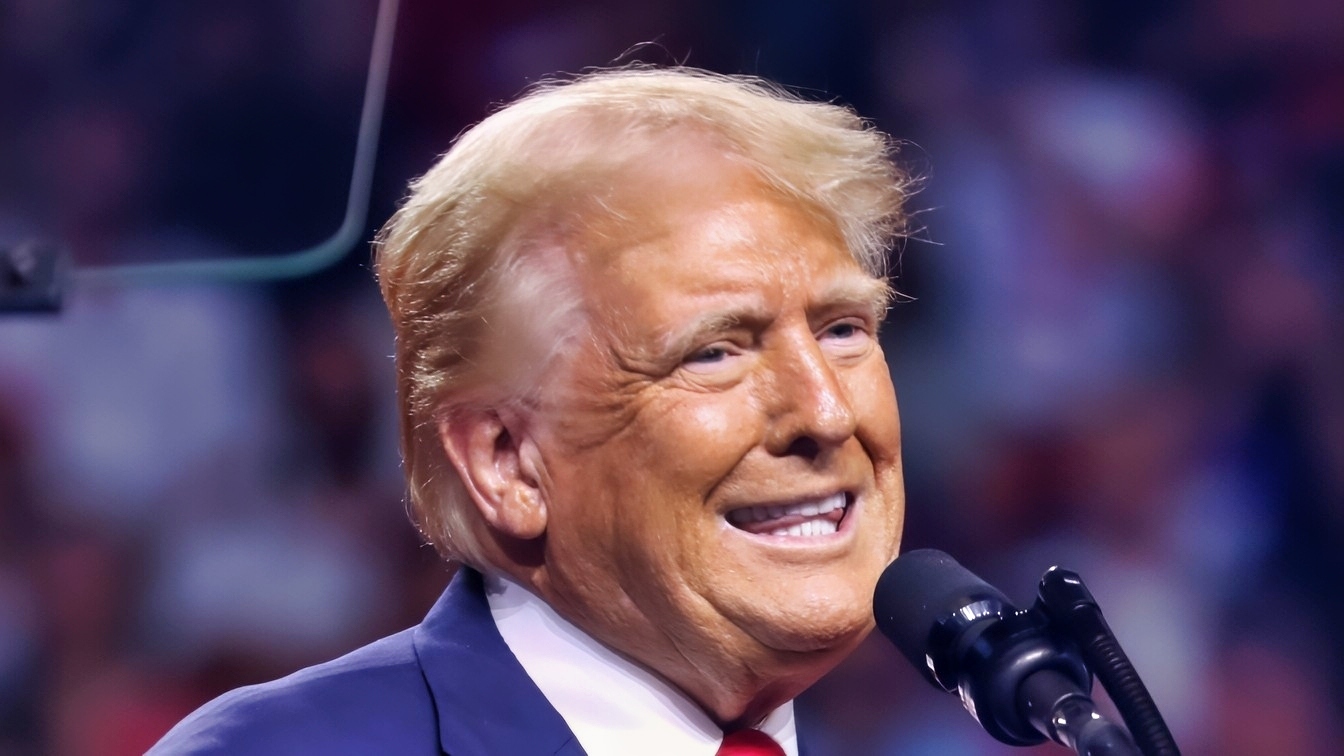
Trump Speaking in Arizona. Creative Commons Photo.
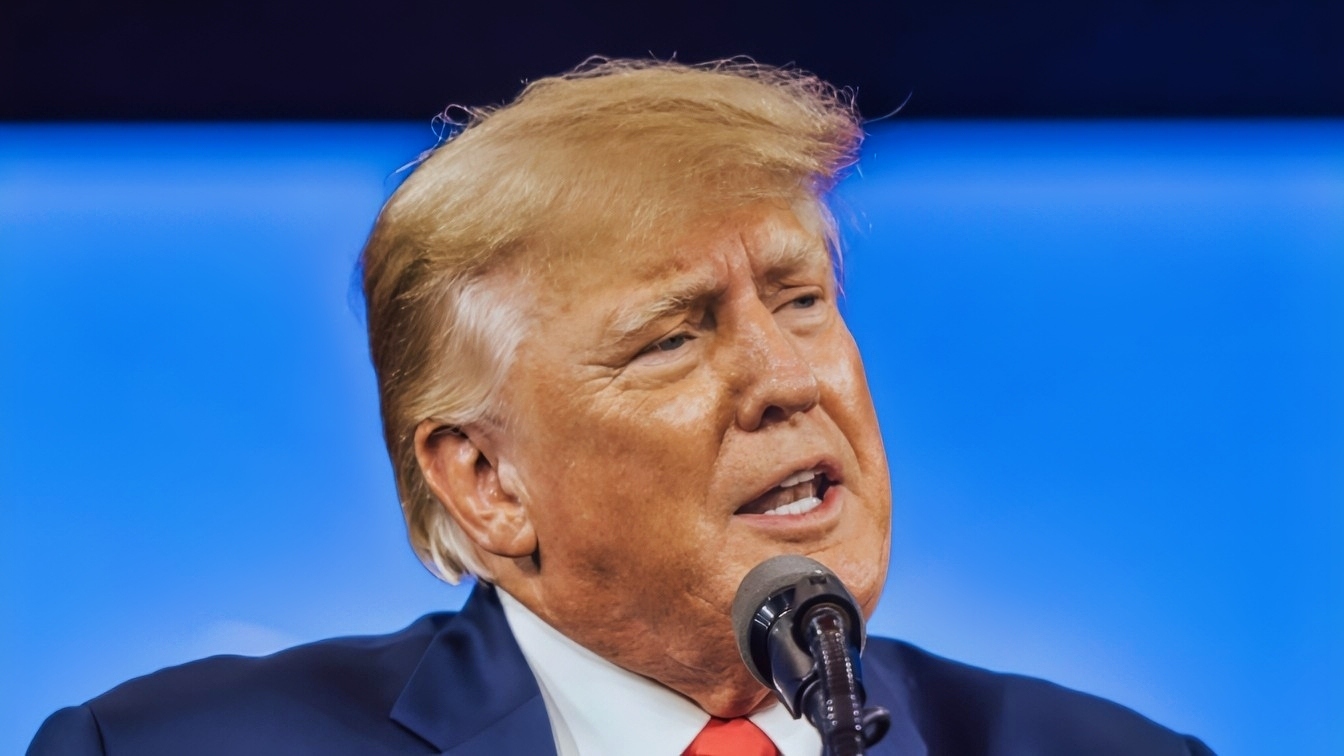
Donald Trump at CPAC in 2022. Creative Commons Photo.
Ghalibaf went further. He argued there are no international waters in the strait, that the 1982 UN Convention on the Law of the Sea doesn’t apply there, and that the two countries on either shore set the rules of the road. Iran and Oman. Nobody else.
That’s the line Washington, Riyadh, Beijing, and every shipping company on the planet should be reading twice.
The Law Of The Sea Argument Is The Tell
The headline quote grabs the attention. However, the legal claim is the real story. Under UNCLOS, straits used for international navigation carry a right of transit passage that coastal states can’t suspend.
Iran signed the convention in 1982 but never ratified it, and Tehran has long argued that transit passage binds only the countries that did. For those keeping score at home, the United States never ratified it either.
The American position has always been that transit passage is customary international law and applies to everyone, signature or not.
This is where this fight actually lives. A country that calls the strait its sovereign water is telling you it intends to permit, tax, and deny passage as a matter of law, long after the shooting stops.
Tehran has already built the machinery. Ships in and around the strait are attacked if they refuse to coordinate with the Persian Gulf Strait Authority, the body Iran set up to enforce its control.
On Tuesday, the IRGC claimed three oil tankers struck mines and caught fire while using what it called an unauthorized route in the eastern part of the strait. Security chief Mohsen Rezaei said Hormuz stays shut until the US meets Iran’s conditions.
The International Maritime Organization has tracked 131 confirmed incidents near the waterway from February 28 through November 9. October alone saw 35, the worst month of the war.
It has ostensibly turned into a mine-infested toll gate.
What Tehran Wants Is No Secret
Ghalibaf laid out the core of those seven conditions: lifting the US naval blockade and sanctions, releasing Iran’s frozen funds, ending fighting on all fronts, and an explicit declaration that the war is over.
He said those demands trace back to the Islamabad memorandum of understanding signed in June, and that Tehran is waiting on a formal American reply through Qatari mediators.
In his telling, the ball is in Washington’s court, and the real obstacle is Iran’s lack of trust in the United States.
He also claimed US officials asked Vladimir Putin to broker direct talks, and he warned that new American strikes would hand President Trump another defeat plus political pressure from the new Congress seated in January.
Regardless of Ghalibaf’s reading of maritime law, that is Tehran’s argument. Iran believes time is on its side, and the calendar gives it some reason to believe so.
Reuters energy columnist Ron Bousso noted this week that Trump said he would hold off on new military action following appeals from Gulf allies, after his party’s rough showing in the midterms.
That came just days after Trump confirmed US strikes on Qeshm Island near the strait.
Meanwhile, Iran is treating the strait like an invitation-only club. Tehran has exempted ships from India, China, Iraq, and Qatar from its restrictions.
A draft bill in parliament would bar US, Israeli, and other “hostile” vessels outright, charge ships for services like insurance and bunkering, and deny passage to countries blamed for damage to Iran until they pay compensation.
The Economic Bill
Here’s where the oil market gets interesting.
Gulf producers have adapted faster than most predicted. According to Kpler data cited by Reuters, traffic through Hormuz has averaged 10.5 million barrels per day since the start of October, against a pre-war average of 13.5 million.
Add in the pipelines that bypass the strait and total Gulf crude exports reach 16.7 million barrels per day, just shy of the pre-war 17 million.
Brent fell below $90 on Tuesday for the first time since late August, more than 20 percent off its October 30 high of $118. Amazingly, or perhaps not, oil prices dropped quickly after the midterm elections.
However, the cost of moving that oil hasn’t come down.
Freight and insurance are running roughly 10 times pre-war levels. Before February, war-risk premiums sat around 0.25 percent of a ship’s hull value.
Brokers now quote 6 to 10 percent, which can mean up to $20 million in war cover for a single supertanker voyage.
Shipowners are offering tanker captains as much as $100,000 a month plus a $50,000 bonus per crossing.
Normal pay runs about $15,000.
A ceasefire doesn’t change anything.
It simply puts a floor under oil prices, and those costs are passed along to anyone who buys gasoline, diesel, jet fuel, or anything transported by truck.
Iran’s proposed fee system, if it ever takes hold, would stack another layer on top.
Bloomberg Intelligence analysts estimate that bypass projects plus existing capacity could insulate 45 percent of pre-war Gulf export volumes from a future Hormuz shock by the end of next year, and more than 60 percent by the end of 2028.
That’s the market quietly agreeing with Ghalibaf.
Iran is paying too.
The US blockade has Tehran weighing what amounts to a “zero oil” budget. The difference is that the regime is betting that it can absorb pain longer than Western voters tend to tolerate high pump prices.
What Will Donald Trump Do?
So what does Washington actually do? What options does Donald Trump have?
Bousso framed the dilemma well. Trump can accept a deal that does little to curb Iran’s nuclear program, which reinforces the idea the US lost this war.
Or he can order another round of strikes and risk hardening Tehran’s position without a decisive result. Neither option restores the old strait.
The worst and most dangerous outcome is the one nobody planned for: a low-grade, no-war, no-peace standoff the world simply learns to live with.
About the Author: Steve Balestrieri
Steve Balestrieri is a National Security Columnist. He served as a US Army Special Forces NCO and Warrant Officer. In addition to writing on defense, he covers the NFL for PatsFans.com and is a member of the Pro Football Writers of America (PFWA). His work was regularly featured in many military publications.


