
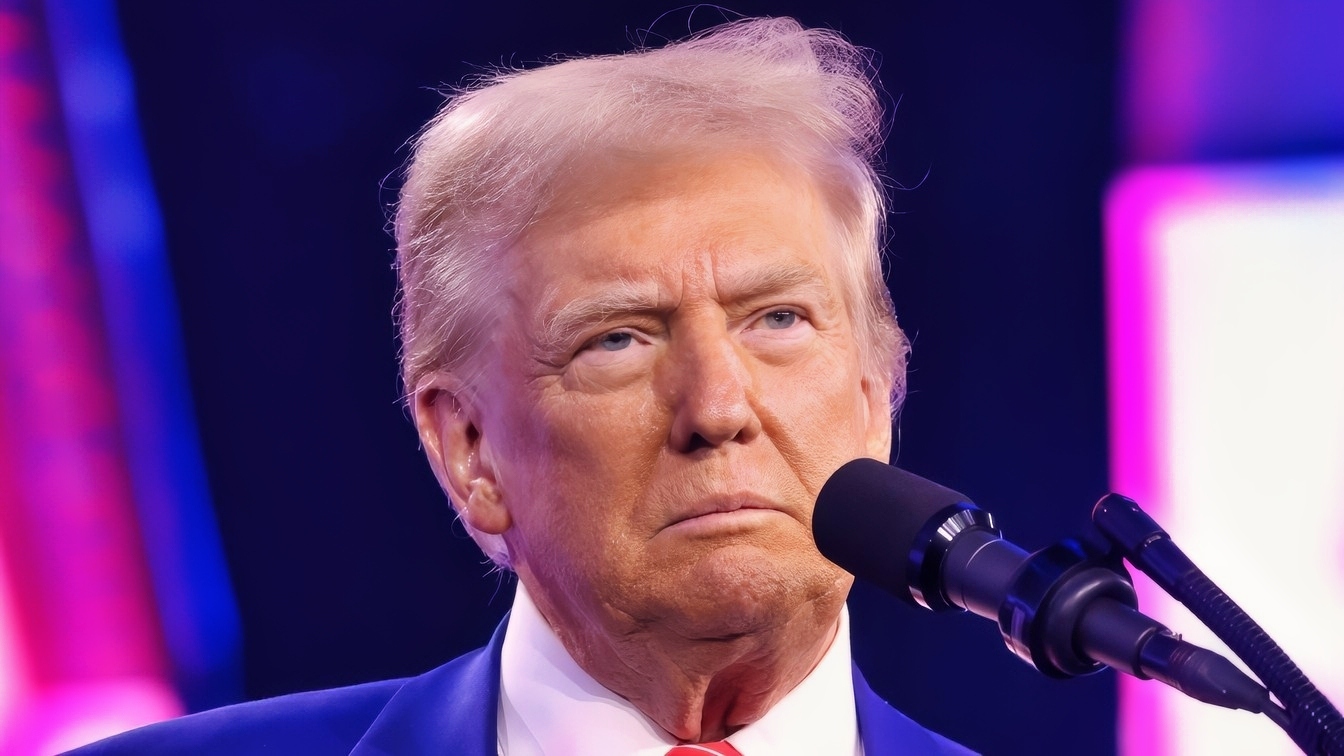
U.S. President Donald Trump on Nov. 22 poured cold water on hopes that talks to end the war with Iran, which have dragged on since February, could soon bring an end to the conflict.
In comments to Fox News, Trump on Sunday dismissed ongoing diplomatic talks with Tehran and said that if the two countries reach no agreement, he is inclined to order new strikes against Iran in the new year.
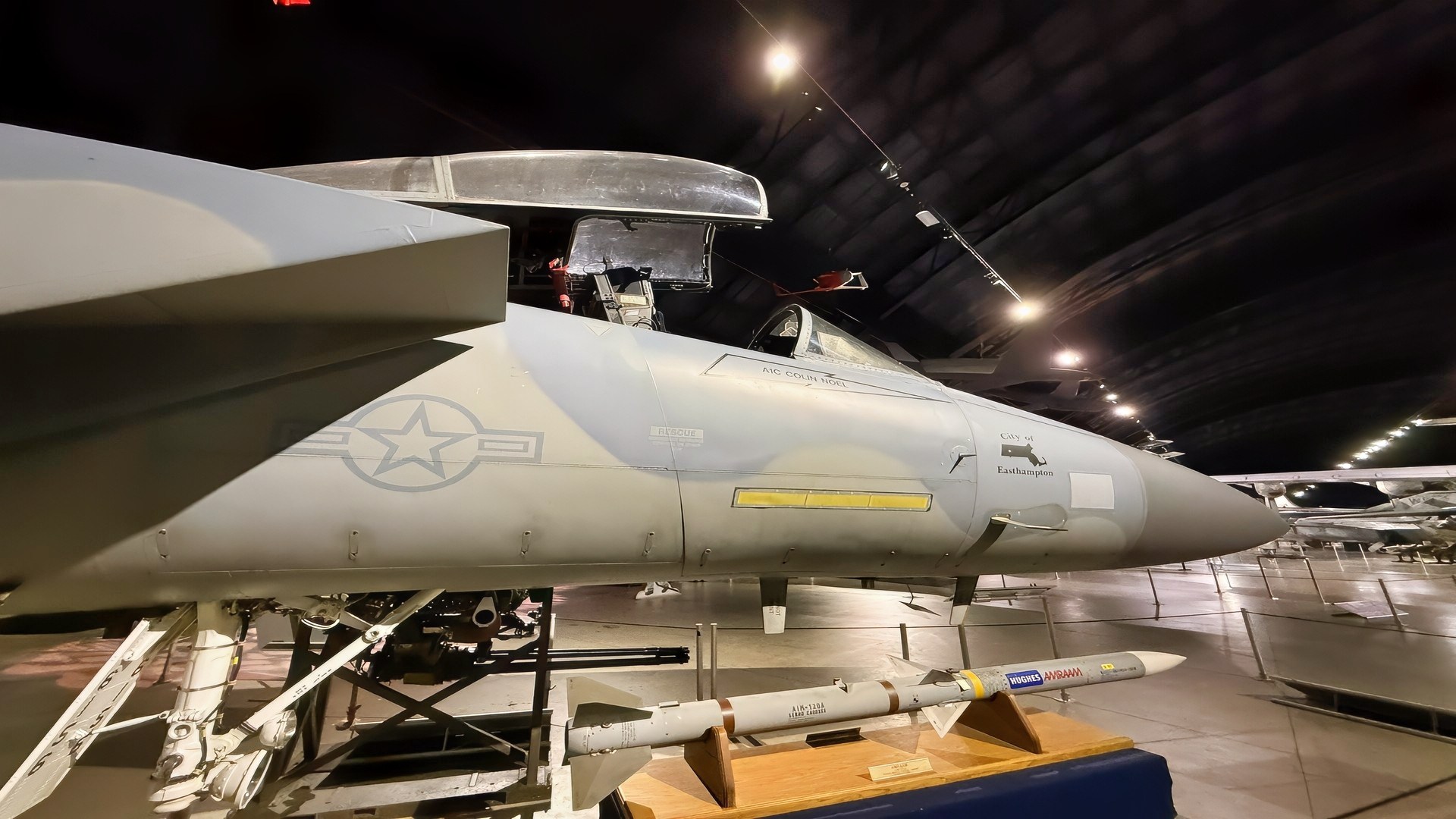
F-15 Fighter at the U.S. Air Force Museum. Image Taken on July 19, 2025 by National Security Journal.

An F-15EX Eagle II Fighter Jet assigned to the 85th Test and Evaluation Squadron, Eglin Air Force Base, Florida, taxis out from Nellis Air Force Base, Nevada, Oct. 21, 2021. The new F-15EX aircrafts are at Nellis AFB to test how effective and suitable the aircraft is for future use in our Air Force. (U.S. Air Force photo by William R. Lewis)
“They’re more aggressive now than before the election,” Trump told the news outlet, likening Iranian officials to professional tap dancers: “They talk all the time, all they do is talk, but it’s all b——.”
The U.S. president also warned Iran not to attempt to break the U.S. naval blockade around the Strait of Hormuz, saying any ships that attempted to break the blockade would be sunk.
Smoldering conflict
While the U.S. president contemplates future strikes, the conflict continues at a slow, smoldering pace. A framework agreement to end hostilities stalled late in the summer, and fighting has continued intermittently since then. Earlier in November, Iran claimed its first direct attack in two months against U.S. military installations when, according to Tehran, the Islamic Revolutionary Guard Corps targeted a U.S. early-warning radar in Bahrain.
Its attacks on Bahrain soil were the first strikes Iran had directed at Gulf states after a two-month lull, according to Military.com. This weekend saw another provocation, as the IRGC claimed it launched a missile-and-drone attack on Saturday against U.S. military positions in the kingdom, which is home to the U.S. Navy’s Fifth Fleet.
A lot of tough talk
Diplomatic efforts continue to seek an end to a war that has upended markets and disrupted essential global energy supplies since early in 2026. On Monday, U.S. Secretary of State Marco Rubio was due to meet Qatar’s Prime Minister and Foreign Minister, Sheik Mohammed bin Abdulrahman bin Jassim Al Thani, in Washington, D.C.
However, both belligerents continue to engage in tough talk. According to Al Jazeera, a senior Iranian lawmaker on Monday warned that Tehran will not negotiate to end the war if the United States does not take steps to back down. Citing Iran’s Mizan news agency, Al Jazeera reported Abbas Goodarzi as saying, “America only understands the language of force. Today, what needs to happen between America and us is their fulfillment of (our) seven conditions and nothing else.”
Not a fan of diplomacy, it seems
Trump’s statement downplaying the value of diplomacy follows a well-worn pattern.
In August, he went so far as to threaten the Gulf nation of Oman over its efforts to broker an end to the crisis. As the BBC recalled, Fox reporter Trey Yingst quoted Trump at the time as saying: “If Oman gets in the way, we’ll bomb the…out of them.”
Oman itself has been targeted by Iranian strikes and thus was obviously serving its own interests in working to attempt to broker a return to normality. But the country also has a history in the region as a player willing and able to broker among warring parties. If peace in the Middle East is what one is looking for, that nation is a strange one to target with inflammatory rhetoric.
Who can bear the pain?
Trump’s statements over the weekend, then, are just the latest sign that indeed neither side is ready to pursue peace. Perhaps in part their stances are easier to maintain because global markets have found something of a new normal. According to Geopolitical Futures, nearly 770 ships crossed the Strait of Hormuz in October, which was close to July’s wartime peak of 795.
Meanwhile, that same publication notes, “Gulf producers have also found ways around the chokepoint, with Saudi Arabia, the [United Arab Emirates], Iraq and Kuwait exporting a combined 15.5 million barrels per day in October, roughly prewar levels, according to Bloomberg.”
For now, tough talk predominates. Willingness to end the conflict through talks may depend on how much pain each side can bear. The Trump administration seems to have paid a steep political price in the U.S. midterm elections for starting and continuing the war. But neither can Iran’s stability be taken for granted, a condition Trump pointed to over the weekend when he mentioned anti-government protests in Iran and said: “Keep protesting.”
About the Author: Joel Weickgenant
Joel Weickgenant is a journalist, writer, and editor who has served as an editor and managing editor for RealClearWorld, and previously worked as an editor at Stratfor. Joel is based in Florence, Italy.