
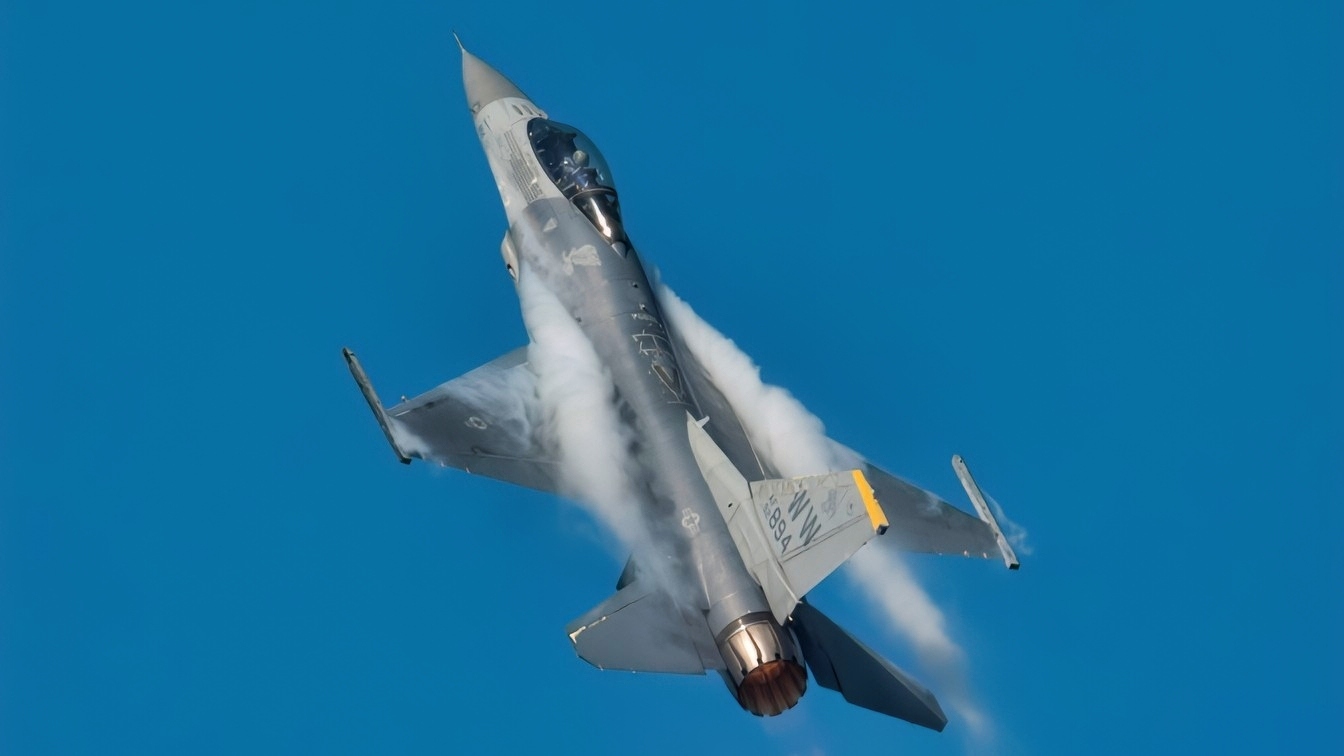
Washington and Tehran may be closer to reaching an agreement to end the war than at any point in recent months, a former senior Mossad official said, citing diplomatic efforts by Qatar that are reportedly making progress.
The comments come as the Trump administration indicates that it is hesitant to launch major new military strikes against Iran, preferring instead to maintain its land and naval blockades on Iranian trade.
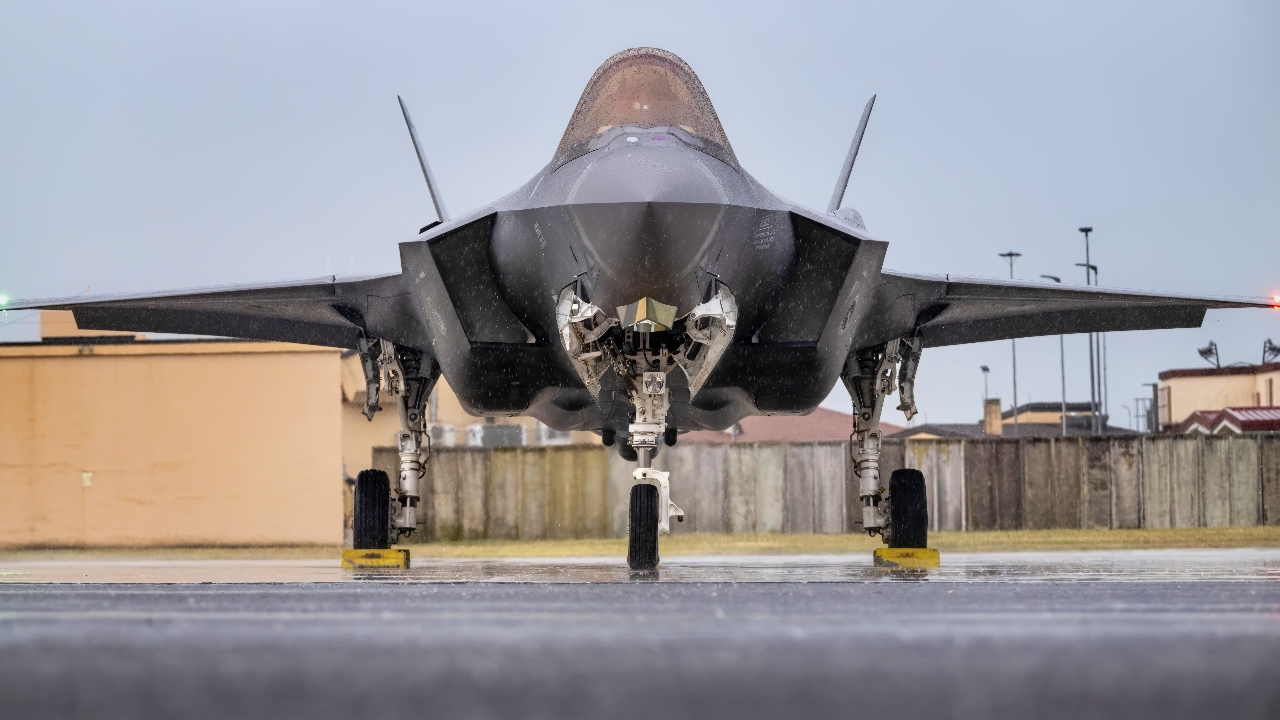
A U.S. Air Force F-35 Lightning II assigned to the 495th Fighter Squadron taxis pre-flight during exercise Combined Strike 25 at Aviano Air Base, Italy, Aug. 20, 2025. Combined Strike 25 is a readiness training with RAF Lakenheath’s 48th Fighter Wing F-15s and F-35s alongside Aviano’s 31st Fighter Wing F-16s. (U.S. Air Force photo by Senior Airman Joseph Bartoszek)
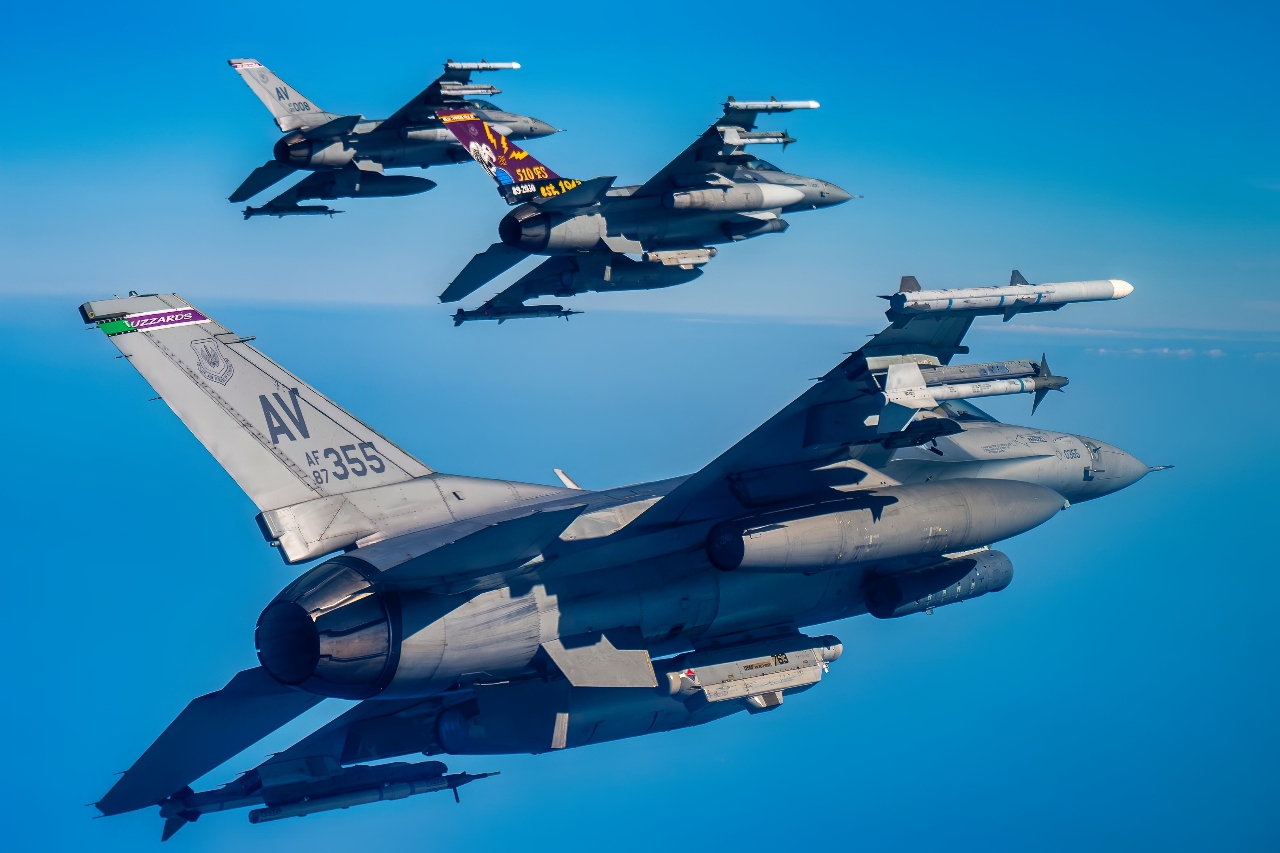
Three U.S. Air Force F-16 Fighting Falcons assigned to the 31st Fighter Wing at Aviano Air Base fly in formation during Exercise Combined Strike 25 along the coast of Italy, August 18, 2025. Integration flying training is key to enhancing interoperability with NATO partners and increasing our readiness capabilities. (U.S. Air Force photo by Senior Airman Zachary Jakel)
Speaking to The Jerusalem Post on Tuesday, November 10, Sima Shine, a former head of Mossad’s Research and Evaluation Division, said that the prospects of an agreement had improved significantly compared with two months earlier.
Shine, a senior researcher at the Israeli Institute for National Security Studies, believes political and economic pressures are encouraging both governments to avoid further strikes.
Her assessment comes as Qatar continues to facilitate mediation between the two sides, even as Tehran insists that no negotiations are taking place.
Why She Expects A Deal
According to Shine, the political consequences of the November 3 midterm elections have worked in Iran’s favor and given President Trump an incentive to bring the conflict to an end.
With the Republicans losing both chambers of Congress, the president now faces additional roadblocks as he attempts to pressure the regime in Tehran to concede.
Speaking to The Jerusalem Post, Shine said that President Trump would prefer to end the conflict rather than spend his final two years in office managing a war.
“All these things together make it quite understandable that he would prefer to close this issue and spend the next two years focusing on other matters,” Shine said
Iran is also facing its own significant pressures, with the country’s economy suffering after months of American sanctions and a naval blockade that have completely restricted the country’s ability to export oil. And, with winter approaching, fuel shortages and economic pressure are expected to cause major problems for the regime.
Shine cited comments made by Iranian President Masoud Pezeshkian indicating that Supreme Leader Mojtaba Khamenei does not want the current situation, in which neither war nor peace exists and the Iranian economy suffers, to continue indefinitely.
But President Trump and U.S. Secretary of State Marco Rubio both indicated this week that the current situation is preferable, and that the land- and sea-based blockades will remain in effect.
“As for the Iranians, they also don’t want to remain in the current situation,” she said. “We heard Iranian President Pezeshkian say that the supreme leader’s instructions were not to allow the current state of ‘no war, no peace’ to continue.”
Shine warned, however, that negotiations are still at risk of collapsing over Tehran’s insistence that it retain the right to enrich uranium.
Qatar Claims Progress Made
There are some signs that diplomatic efforts are bearing some fruit.
Qatar’s Foreign Ministry announced on Tuesday, November 10, that mediation efforts had made progress after Prime Minister Sheik Mohammed bin Abdulrahman Al Thani met with Vice President JD Vance and President Donald Trump in Washington on Monday.
Foreign Ministry spokesman Ibrahim bin Sultan Al Hashmi said that both sides had responded positively to the negotiations.
However, he did not specify how much closer a peace agreement may be.
Per media reports, the latest proposals from Iran are still not satisfactory to Washington, with Tehran insisting that Washington lift its naval blockade and release frozen Iranian assets before it is willing to reopen the Strait of Hormuz and return to negotiations over its nuclear program.
Iran Refuses to Surrender Enriched Uranium
On Wednesday, November 11, Secretary of the Supreme National Security Council of Iran, Mohsen Rezaei, said that Tehran will not allow its enriched uranium stockpile to be removed from the country.
Speaking to Al Mayadeen, Rezaei said that Iran intends to retain the material for domestic purposes, claiming that it is now necessary for use in nuclear-powered ships and submarines.
The United States, however, insists that the material either be removed from the country or diluted in an effort to ensure that the regime does not build a nuclear weapon.
Rezaei’s comments come after Iranian Supreme Leader Mojtaba Khamenei prohibited the transfer of highly enriched uranium overseas.
Russia had previously offered to take custody of the uranium as part of a potential agreement, but Iran also rejected that option.
There could be a large quantity of highly enriched uranium in Iran, still. The International Atomic Energy Agency (IAEA) estimates that Iran possessed approximately 440.9 kilograms of uranium enriched to 60% purity before American and Israeli strikes against its nuclear facilities in June last year.
The current size of that stockpile, and its location, remain uncertain—though some analysts expect it could be stored inside Pickaxe Mountain.
About the Author: Jack Buckby
Jack Buckby is a British researcher and analyst specializing in defense and national security, based in New York. His work focuses on military capability, procurement, and strategic competition, and he produces and edits analysis for policy and defense audiences. He brings extensive editorial experience, with a career output spanning over 1,000 articles at National Security Journal, and has previously authored books and papers on extremism and deradicalization.


