
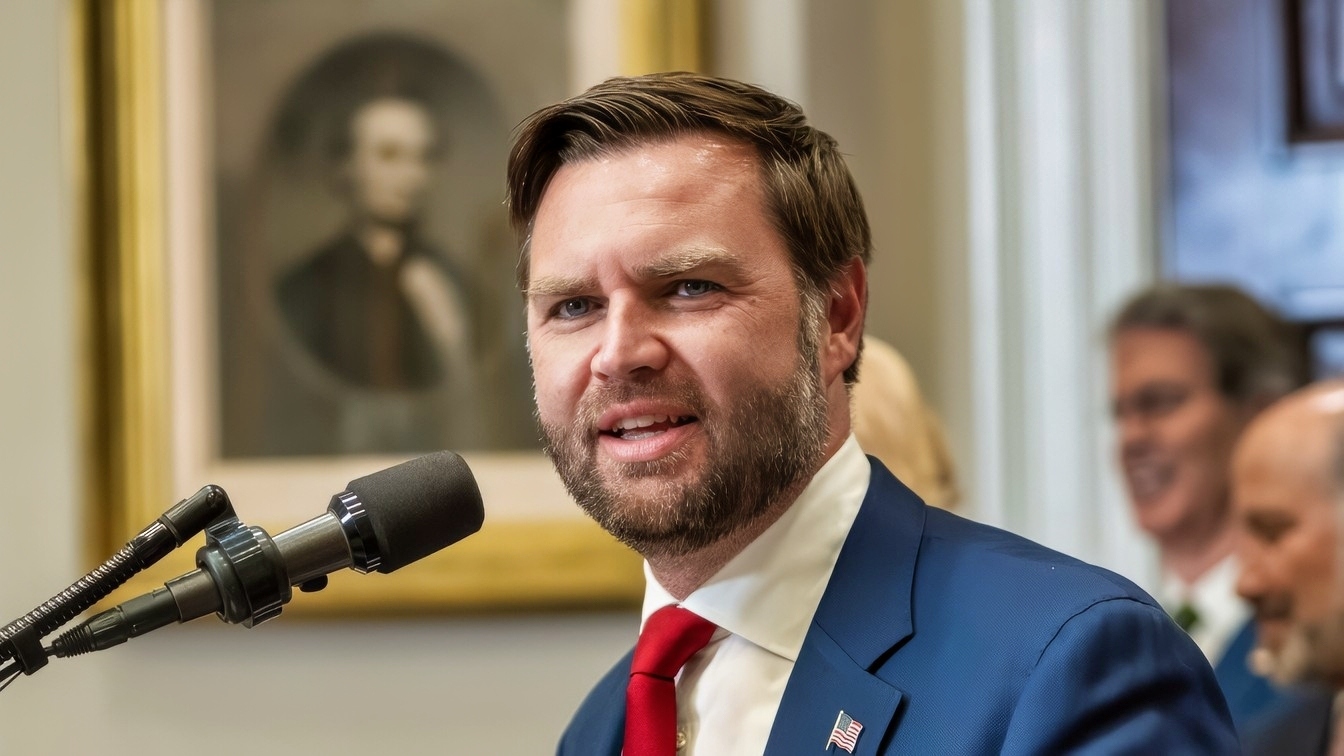
U.S. Vice President J.D. Vance gave his first White House press briefing on Thursday, 3rd September, since the departure of White House Press Secretary Karoline Leavitt.
The 29-year-old left her position last month following a “bittersweet decision” to spend more time with her family.

U.S. Senator J. D. Vance speaking with attendees at the 2023 Turning Point Action Conference at the Palm Beach County Convention Center in West Palm Beach, Florida. Image Credit: Gage Skidmore.
Family Comes First
“The truth is since returning to the White House after the birth of my daughter, I have felt in my heart that I cannot be the best mom my two young children deserve while devoting the constant time, energy, and attention required of the White House Press Secretary – and that is why I have ultimately made the bittersweet decision to depart the White House and embark on a new chapter in my life,” Leavitt wrote on social media last month.
President Donald Trump said he “totally understand[s] and respect[s]” Leavitt’s decision, without providing details to a potential successor.
The void left Vice President Vance to take on the duties of briefing the press, holding the first such conference in more than 40 days on Thursday.
How Did Vance Get On?
J.D. Vance has always been a strong orator, rising to prominence as Trump’s running mate in the 2024 Presidential Election. He has generally performed well in debates and in answering questions from journalists. Last month, he appeared on the Joe Rogan Experience for almost three hours, fielding countless questions from the world’s most popular podcast host.
This ability, along with a likely presidential campaign in 2028, perhaps makes him the most natural successor to Leavitt, even with the added pressures of being the nation’s VP.
Vance, who previously hosted press briefings while Leavitt was on maternity leave earlier this year, opened with announcements on road safety and anti-fraud measures, along with the recent oil deal with Venezuela.
There was an amusing moment as Vance struggled to understand a complex-looking sheet provided to him by an aide, with the Vice President even holding it up to the camera for reporters to figure out. Eventually, he took questions from the press, and it was his comments on the Iran war that drew the most attention.
Focus Firmly on Iran
Amid rising energy prices, Vance pointed the finger at Iran, arguing that gas prices would be “much, much higher” if it were not for the Trump administration’s efforts. “I’m not going to make a promise about when it’s going to return to $3,” he told reporters. “What I will say is that we have to remember why we are doing this. Number one, it’s that Iran doesn’t have a nuclear weapon.”
The Vice President also addressed an alleged U.S. strike on an Iranian wedding party earlier this week, saying he was “extremely skeptical” of claims by Iranian state media. He added that the U.S. never targets civilians, reiterating that the reports were being investigated “very fully.”
The Strait of Hormuz was also discussed. Vance said that the U.S. is “protecting a lot of ships” in the key waterway, through which 20% of the world’s oil passed before the war began in February. He added that there would be a “catastrophic global energy crisis” were it not for ongoing U.S. operations to protect commercial shipping, and that the U.S. would only return to the negotiations once Iranian attacks on commercial vessels ceased.
“I think the reality is I don’t know the answer to that question,” Vance said about when the war could end. “You would have to ask the Iranians.”
Midterm-oil
Vance’s blunt honesty about whether the conflict would be concluded by November’s midterms will do little to ease Republicans’ concerns.
The conflict is largely unpopular, with even GOP voters questioning why a president who ran proclaiming to be one of peace is now waging conflicts halfway across the world.
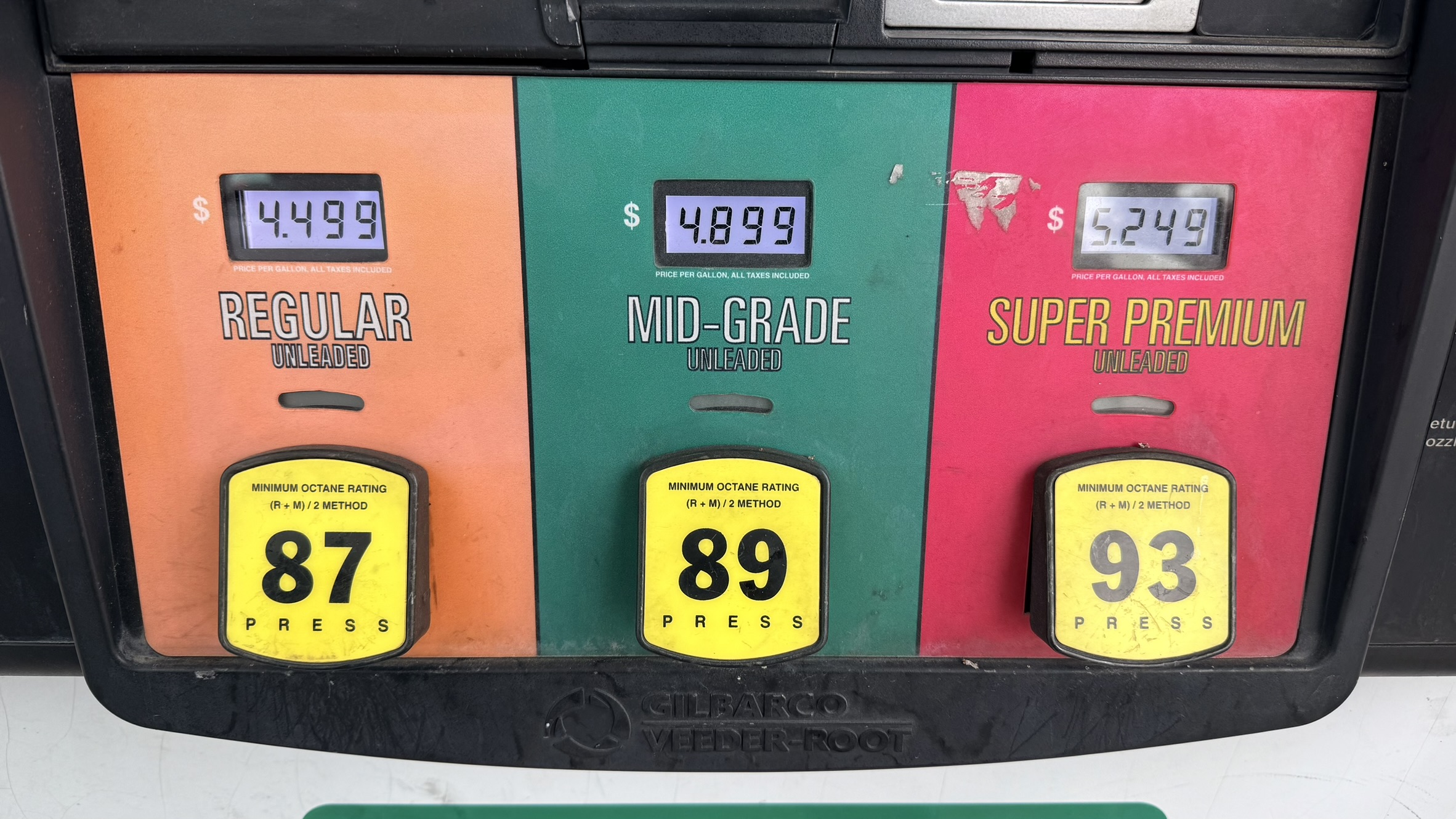
Gas Prices on May 9 outside of Orlando, Florida. Image Credit: Harry J. Kazianis for National Security Journal.
Conflict, of course, will always be divisive.
Even with America’s superior military advantage, there’s always a heightened risk that American lives may be lost when the country is at war.
However, the knock-on effects of the conflict – partly due to Iran’s closure of the Strait of Hormuz – are felt by all at home, even those with little interest in the war itself.
Energy prices have risen every time tensions have escalated, and that, crucially, will be on the minds of millions of voters when the country heads to the polls this November. A permanent peace agreement may see them fall, but Vance’s response suggested that would not be for the U.S. to decide anytime soon.
About the Author: Shay Bottomley
Shay Bottomley is a British journalist. He has written for the Western Standard, Business Insider, Maidenhead Advertiser, Slough Express, Windsor Express, Berkshire Live and Southend Echo.