

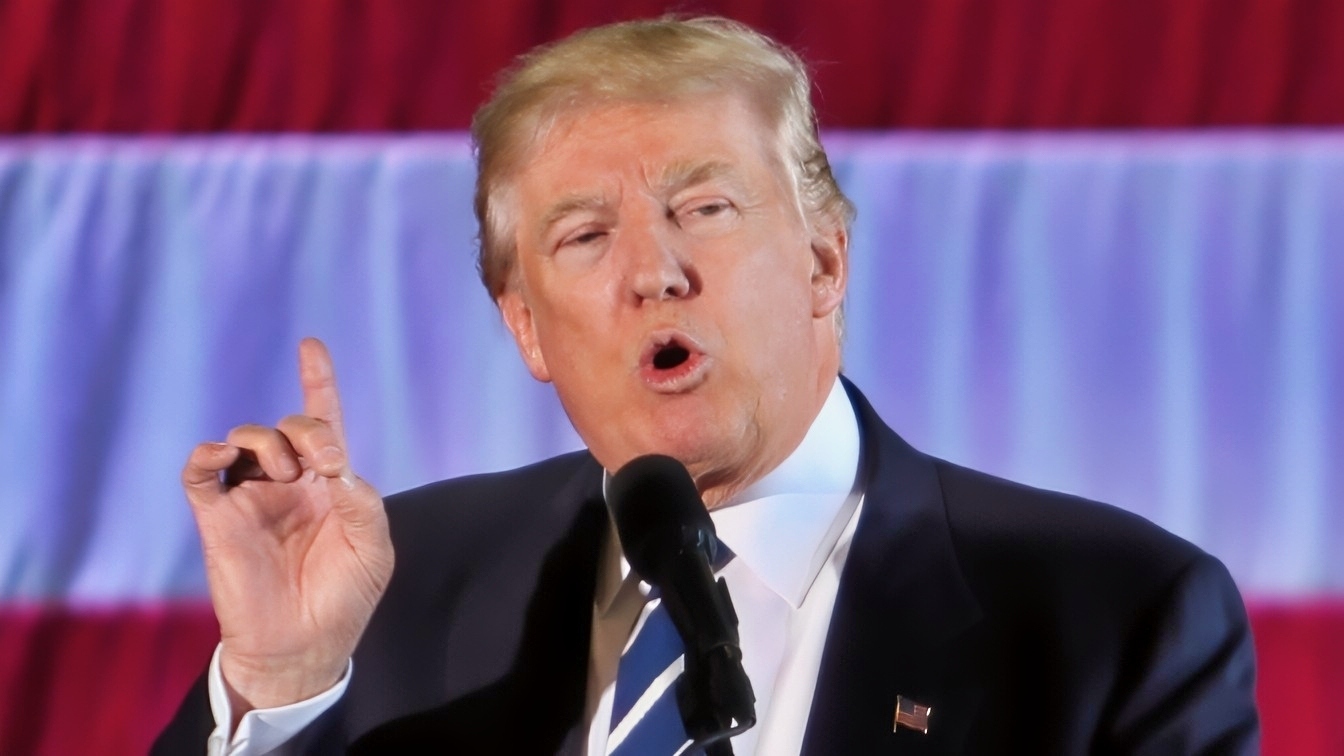
The fight over Iran has reportedly moved to the telephone. Over the weekend, President Donald Trump and Israeli Prime Minister Benjamin Netanyahu reportedly had a phone call that one source described to Israel’s Ynet as “a shouting match from hell.”
The story, first reported by Ynet and its sister paper Yedioth Ahronoth, was quickly picked up by U.S. outlets, including the New York Post.

An Israeli Air Force pilot climbs into an F-35I Adir prior to a Red Flag-Nellis 23-2 mission at Nellis Air Force Base, Nevada, March 16, 2023. Red Flag is an opportunity to build on the success of JUNIPER OAK 23-2, JUNIPER FALCON, and additional combined exercises to enhance interoperability with Israel, strengthen bilateral cooperation, and improve capabilities in ways that enhance and promote regional stability and reinforce the United States’ enduring commitment to Israel’s security. (U.S. Air Force photo by Airman 1st Class Trevor Bell)

Merkava Tank Israel. Image Credit: Creative Commons.
The subject was the same one that has strained these two leaders since the spring. Netanyahu wants to restart the strikes on Iran. Trump wants to give diplomacy more time.
Netanyahu’s office quickly dismissed the report as “fake news, complete nonsense.” A senior Israeli official confirmed the call took place but insisted it wasn’t a difficult conversation.
That’s the issue with anonymous sourcing. Netanyahu’s own words told the story anyway.
Speaking at the swearing-in of the 26th Knesset on Tuesday, he warned that Iran is working to rebuild its nuclear threat and argued that the only permanent fix is complete regime change, bringing down the ayatollahs.
He also predicted Israel would soon face international pressure to accept a nuclear Iran. That isn’t a man who’s content to let the negotiators run out the clock.
Then the Financial Times reported that Netanyahu has been calling Trump every day to lobby for renewed strikes, while Arab leaders urge the White House to stick with talks.
Another source close to the situation in Israel pushed back, saying there’s no coordinated campaign to sway the president. Daily calls or not, the gap between the two capitals is real.
With The Midterms Are Over, So Is Netanyahu’s Reason To Wait
For months, the conventional wisdom in Washington was that Trump wouldn’t restart a hot war before the November 3 midterms. Gasoline prices and an unpopular war were already hurting Republicans.
Axios reported that Netanyahu pressed Trump on Halloween weekend to hit Iran immediately after Election Day. Trump preferred to let the negotiations play out. Meanwhile, he sent a third carrier strike group toward the Persian Gulf.
The election came and went, and Republicans took a beating.
However, Trump still hasn’t pushed for a resumption of the bombing.
In a 60 Minutes interview that aired Sunday, he said he isn’t looking to escalate and doesn’t see a reason to, though he defended the original decision to go to war.
On Monday, after meeting with Qatar’s prime minister, whose government is mediating with Tehran, Trump told reporters that military action doesn’t look necessary at this point, while stressing that U.S. forces remain ready to go.
Secretary of State Marco Rubio laid out the administration’s thinking to G7 foreign ministers in Paris. According to Axios, Rubio told them the president isn’t stuck choosing between a return to war and a bad agreement.
“We won’t do a stupid deal,” he said. The third option is the current one: keep squeezing Iran’s economy.
Rubio, CIA Director John Ratcliffe, Jared Kushner and Treasury Secretary Scott Bessent all reportedly favor that approach.
This Isn’t The First Contentious Phone Call
For those keeping score at home, this is at least the third time these two have butted heads over Iran this year.
In May, Trump called off a planned operation reportedly dubbed “Heavy Hammer” at the last minute, and Netanyahu told him in a tense call that waiting would be a mistake.
In June, Trump confirmed to the Post’s Miranda Devine that he called Netanyahu “f**king crazy” over Israeli strikes on Beirut that threatened to derail the talks with Tehran.
The pattern holds every time. Netanyahu pushes. Trump pulls back.
Netanyahu’s office denies there was any shouting. Then both men insist the relationship has never been better.
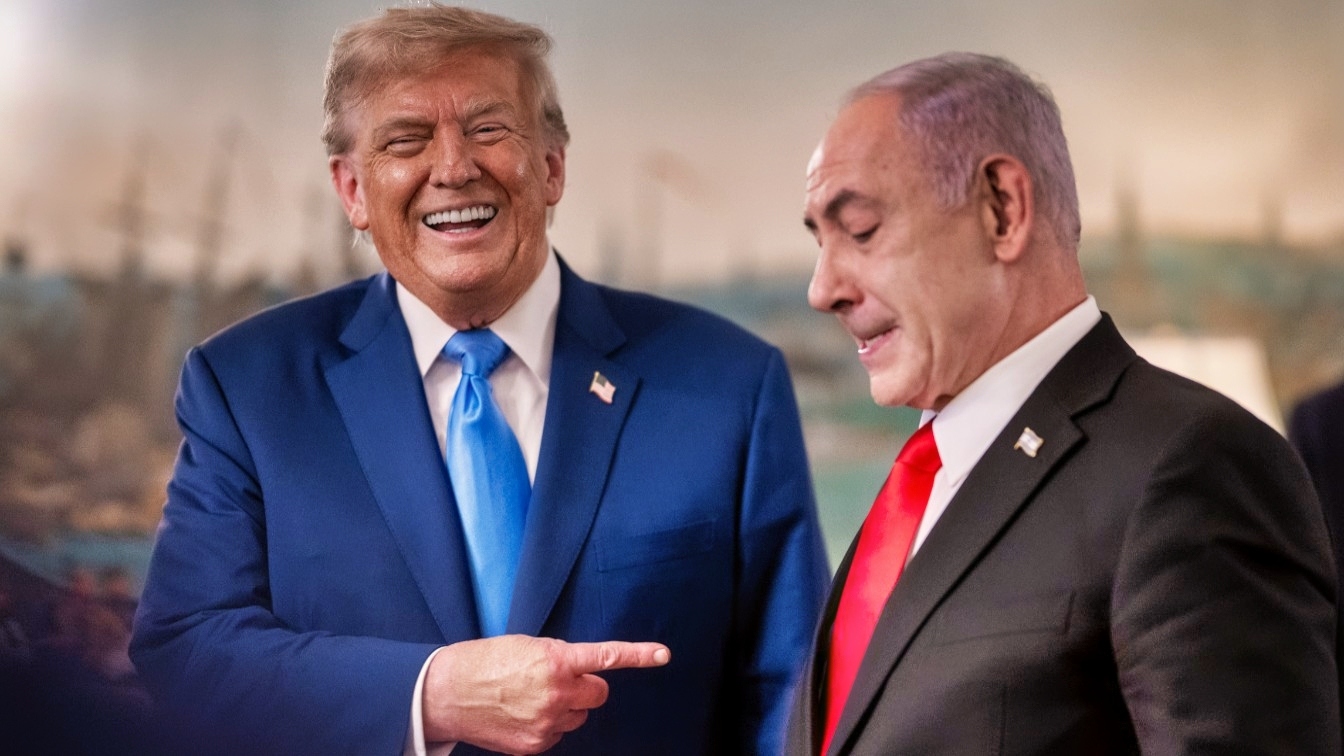
President Donald Trump and Israeli Prime Minister Benjamin Netanyahu speak privately in the Vermeil Room before a dinner, Monday, July 7, 2025, at the White House. (Official White House Photo by Daniel Torok)
The Israelis Know What Is At Stake
Netanyahu’s argument isn’t crazy, whatever words were used on the phone.
Back in May, U.S. intelligence assessed that Iran had reopened many of the missile depots buried during the war, and enriched uranium reportedly remains at Isfahan.
Every week Tehran spends stalling at the table is a week it spends digging out. The Israelis have watched this play out before.
However, resuming the war carries a price that affects many nations, not just Israel. Iranian lawmakers and regime-linked papers have threatened missile strikes on U.S. bases in Europe if those bases are used for renewed attacks.
On Wednesday, the IRGC said a tanker hit a mine and caught fire in the Strait of Hormuz.
Bessent, the architect of the administration’s economic campaign, was moved onto a military base after Iranian threats against his life. Those are American risks.
Is Trump making the right call for now? It is debatable. Airpower can wreck a nuclear program. It has never, by itself, toppled a regime, and regime change is exactly what Netanyahu says is the only permanent solution.
That’s an open-ended war, and the American public has already made clear it doesn’t want one.
About the Author: Steve Balestrieri
Steve Balestrieri is a National Security Columnist. He served as a US Army Special Forces NCO and Warrant Officer. In addition to writing on defense, he covers the NFL for PatsFans.com and is a member of the Pro Football Writers of America (PFWA). His work was regularly featured in many military publications.


