

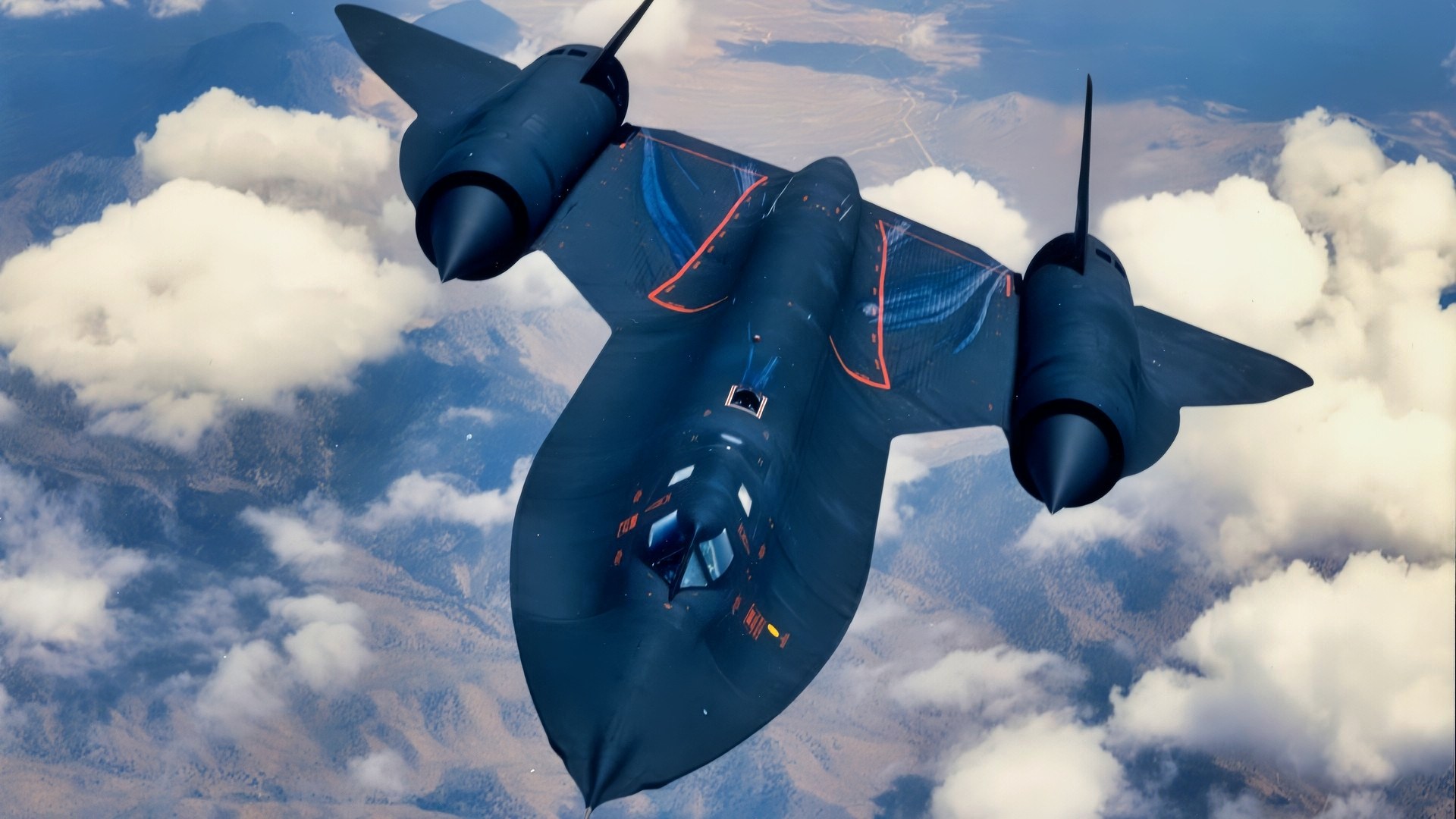
What It Took To Fly The SR-71 Blackbird, And All The Ways It Could Kill You: Only 93 Air Force pilots ever flew the SR-71 Blackbird operationally. That number is worth thinking about. The United States has minted thousands of fighter pilots, hundreds of astronauts, and exactly 93 men entrusted with the fastest air-breathing aircraft ever built, a titanium dart that cruised at Mach 3.2 on the edge of space, where the air outside could not keep a human conscious, and the airframe glowed hot enough to cook on.
Getting into that cockpit was harder than getting into most of America’s elite flying jobs, staying alive in it demanded a kind of precision few aviators ever achieve, and the machine itself offered a dozen different ways to die between takeoff and landing.
I guess this all explains why I keep making pilgrimages to see the SR-71 Blackbird in museums all across the country. There will never be anything like it. And we have the original images and video in this article to prove it.
The Selection Gauntlet: 93 Sled Drivers
The Air Force did not post openings for the Blackbird. Candidates had to survive a screening process built like an astronaut pipeline, starting with an astronaut-level physical exam, two evaluation flights in the T-38 with a squadron commander or evaluation pilot watching every move, and interviews with the unit’s leadership at Beale Air Force Base.
What the evaluators wanted in those T-38 rides was specific: proof that a man could stay ahead of the aircraft, the skill that decides everything at two thousand miles per hour, where a pilot who is merely keeping up is already behind.
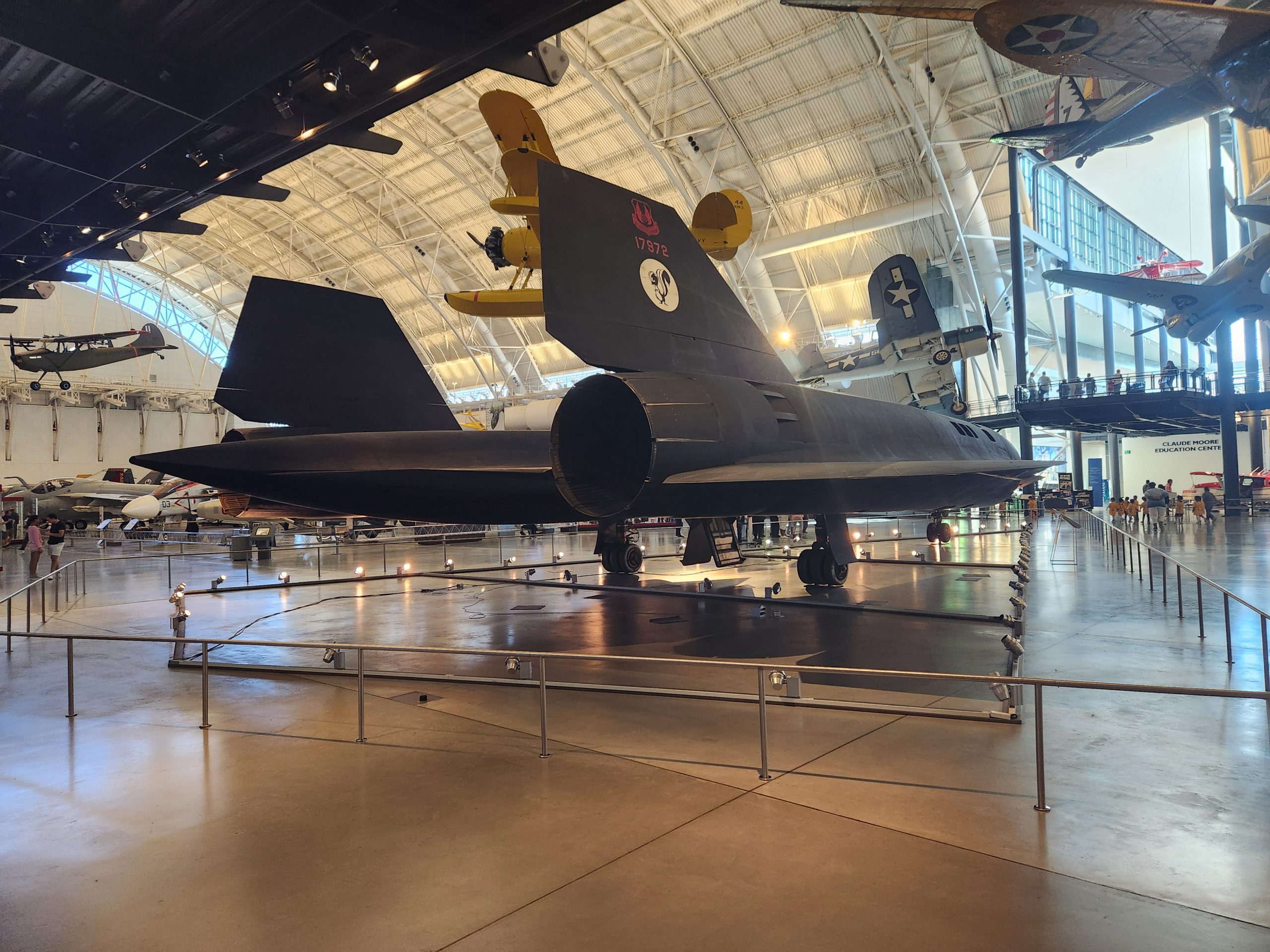
SR-71 Blackbird. Image Credit: National Security Journal.
The vetting did not stop at the stick and rudder. Applicants spent a week at Beale Air Force Base, being measured in formal and informal interviews, and the informal ones ended careers. One candidate had a few too many drinks at the Officers’ Club on his final night and started criticizing the crews; he was not hired.
Another turned belligerent and met the same fate. Married applicants were told bluntly about the relentless temporary-duty schedule and asked, in so many words, whether their families could take it. The program was hunting for a temperament as much as a skill set, because a Blackbird pilot operating alone over hostile territory carried the power to create an international incident with a single lapse of judgment.
Those who made the cut entered a roughly 10-month training program before flying a single operational sortie. Veterans compared the syllabus to astronaut training: months of ground school, simulator work under the watchful eye of active crews, and memorizing every system and parameter in an aircraft where nothing was off-the-shelf.
Crews described absorbing it all as drinking from a fire hose. Even the T-38 work was exotic; students flew approaches from the back seat to mimic the Blackbird’s extreme nose-high landing attitude. And because the jet was a two-man machine, the pilot trained with a Reconnaissance Systems Officer, the backseater who ran the cameras, sensors, and electronic countermeasures that justified the whole enterprise.
The Air Force had learned from the A-12 program that no single human could fly Mach 3 and fight the mission equipment simultaneously.
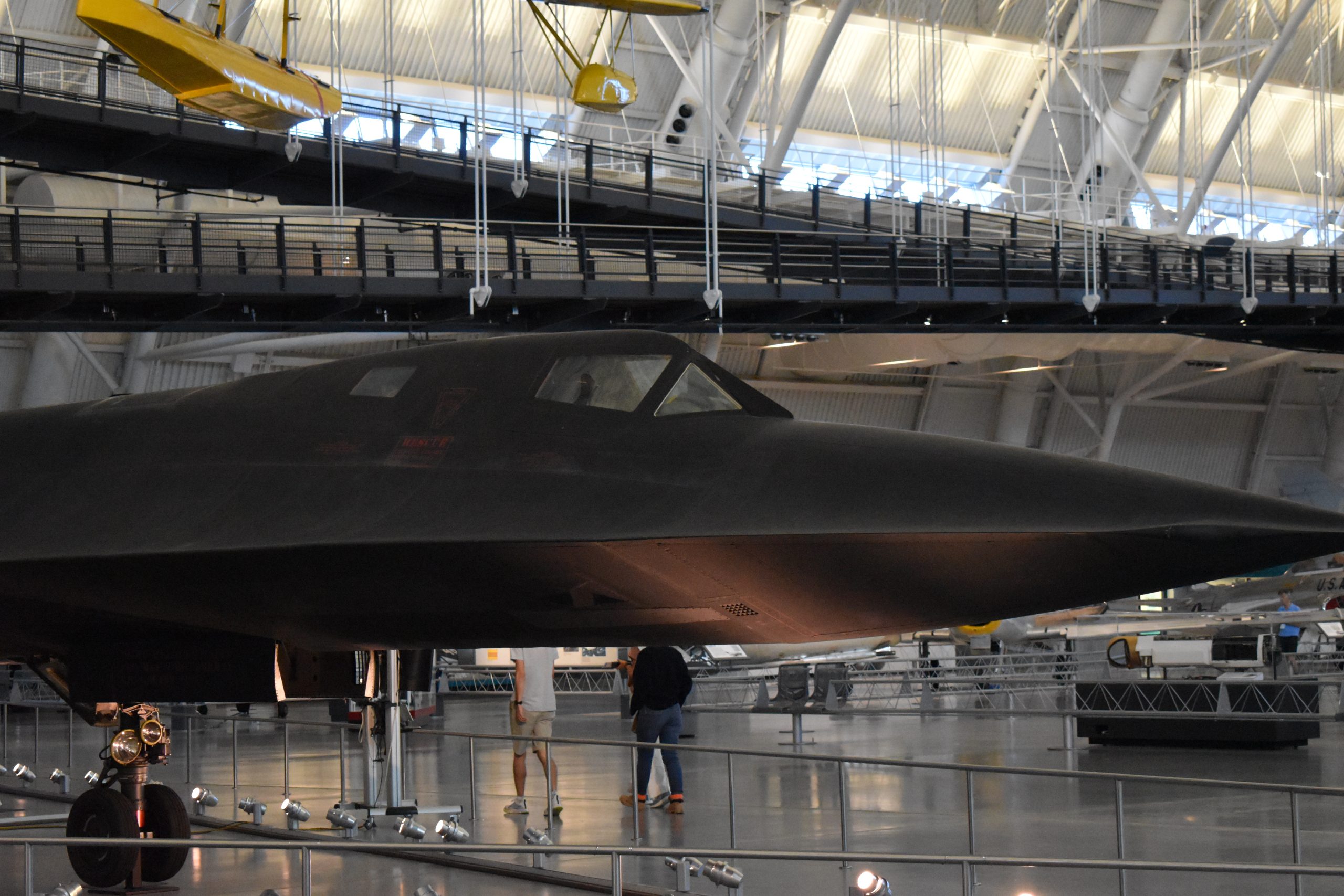
SR-71 Blackbird. Image Credit: National Security Journal.
Flying At Mach 3.2: The Most Hostile Cockpit Ever Built
Then came the airplane itself, unforgiving in ways no other jet has ever been. The SR-71 cruised above 80,000 feet at better than three times the speed of sound, and it lived there for hours. David Bredette, among the most experienced men ever to fly it, put the environment plainly: the average skin temperature at Mach 3 ran 620 degrees Fahrenheit, sustained for hours, in what he called the most hostile environment you could fly an aircraft in.
The crews flew it wearing full pressure suits, essentially spacesuits, that restricted movement and vision while they managed an aircraft whose controls grew razor-sensitive at speed, where a ham-fisted input at cruise could put stresses on the airframe it was never meant to absorb.
Even the ground game was strange. The jet leaked fuel on the ramp by design, its panels gapped to allow for the thermal expansion that sealed them only when the airframe heated up at speed. Each mission demanded elaborate preparation, tanker support, and days of maintenance afterward. Crews were medically screened constantly, far beyond the annual physical an ordinary pilot received, and a backup crew stood ready for every flight.
Nothing about the SR-71 Blackbird tolerated improvisation. It rewarded the meticulous and punished everyone else.
The Unstart: Three Seconds From Cruise To Catastrophe
The signature terror of the Blackbird had a deceptively gentle name: the inlet unstart. The SR-71’s engines depended on movable spikes in each inlet to position a supersonic shock wave with surgical precision.
When that shock wave spat out of one inlet, the engine instantly lost thrust while the other ran at full power, and the asymmetry slammed the aircraft sideways with such violence that it bounced crews’ helmets off the canopy. At Mach 3, the margin between a handled unstart and a lost aircraft was measured in seconds, and the most famous accident in the program’s history shows exactly how few.
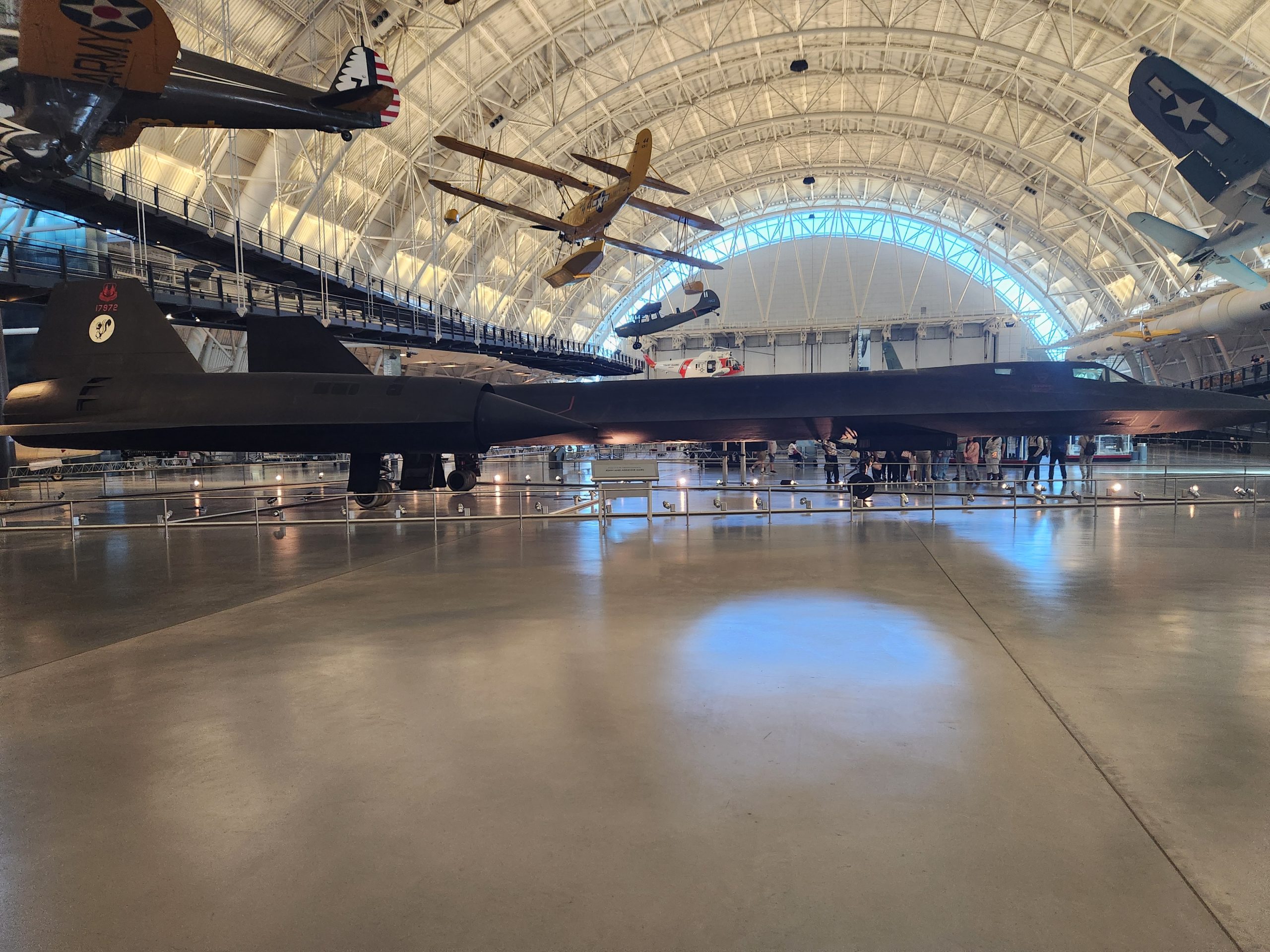
SR-71 Blackbird. Image Credit: National Security Journal.
On January 25, 1966, Lockheed test pilot Bill Weaver and flight-test specialist Jim Zwayer were flying a test profile with the center of gravity deliberately shifted aft, reducing stability, when the right inlet unstarted during a banking turn at Mach 3.18 and 78,000 feet. The jet rolled and pitched beyond the flight controls’ authority. Weaver, judging the ejection at that speed and altitude to be unsurvivable, tried to tell Zwayer to stay with the airplane until it slowed; the g-forces garbled his words. From the first sign of trouble to the aircraft’s catastrophic departure from controlled flight took two to three seconds. Weaver blacked out as the Blackbird disintegrated around him.
He never pulled an ejection handle. The breakup threw him out of the aircraft at more than three times the speed of sound, and by any reasonable physics, he should have died in the air. His pressure suit inflated and held, his stabilizing chute deployed automatically, and he regained consciousness descending under a frozen-over faceplate, initially convinced he was dead. He landed in New Mexico with remarkably light injuries, and later joked about surviving the disintegration only to fear the rickety helicopter ride out.
Zwayer’s parachute worked perfectly. It did not matter. The forces of the breakup had broken his neck, killing him almost instantly.
Twelve Lost SR-71 Blackbirds And One Grim Ledger
Zwayer’s death tells you how the SR-71 Blackbird killed: not with fire or impact, but with physics. Above 43,000 feet, a standard oxygen mask cannot keep a pilot conscious; without the pressure suit, the altitude itself is lethal. An ejection at cruise speed meant friction heating around 450 degrees, which is why the suits carried their own oxygen and pressurization for the long fall. The fuel that leaked on the ramp, the inlets that could unstart without warning, the landing attitude that demanded perfection, every phase of flight carried its own specific way to die.
The fleet ledger makes the point with brutal economy. Of the 32 SR-71s built, twelve were destroyed in accidents across the program’s life, more than a third of everything Lockheed produced, and not one was ever lost to enemy action. Thousands of missiles were fired at Blackbirds over the years; the jet outran all of them. The only thing that ever brought one down was the act of flying it. And yet, astonishingly, Zwayer remained the program’s sole fatality in a flight accident, a testament to the pressure suits, the ejection systems, and above all, the caliber of the 93 men the selection process let through.
That is the real story of the Blackbird, beyond the speed records and the museum silhouettes. It was an aircraft so demanding that America trusted fewer than a hundred pilots with it, so dangerous that it destroyed a third of its own fleet, and so magnificently engineered that the men inside almost always walked away. The Soviets never touched it. The only adversary that ever beat the SR-71 was the SR-71, and the men who flew it knew that every time they suited up.
About the Author: Harry J. Kazianis
Harry J. Kazianis (@Grecianformula) was the former Senior Director of National Security Affairs at the Center for the National Interest (CFTNI), a foreign policy think tank founded by Richard Nixon based in Washington, DC. Harry has over a decade of experience in think tanks and national security publishing. His ideas have been published in the NY Times, The Washington Post, The Wall Street Journal, CNN, and many other outlets worldwide. He has held positions at CSIS, the Heritage Foundation, the University of Nottingham, and several other institutions related to national security research and studies. He is the former Executive Editor of the National Interest and the Diplomat. He holds a Master’s degree focusing on international affairs from Harvard University.


John Clancy
June 10, 2026 at 8:53 am
Awesome article.