
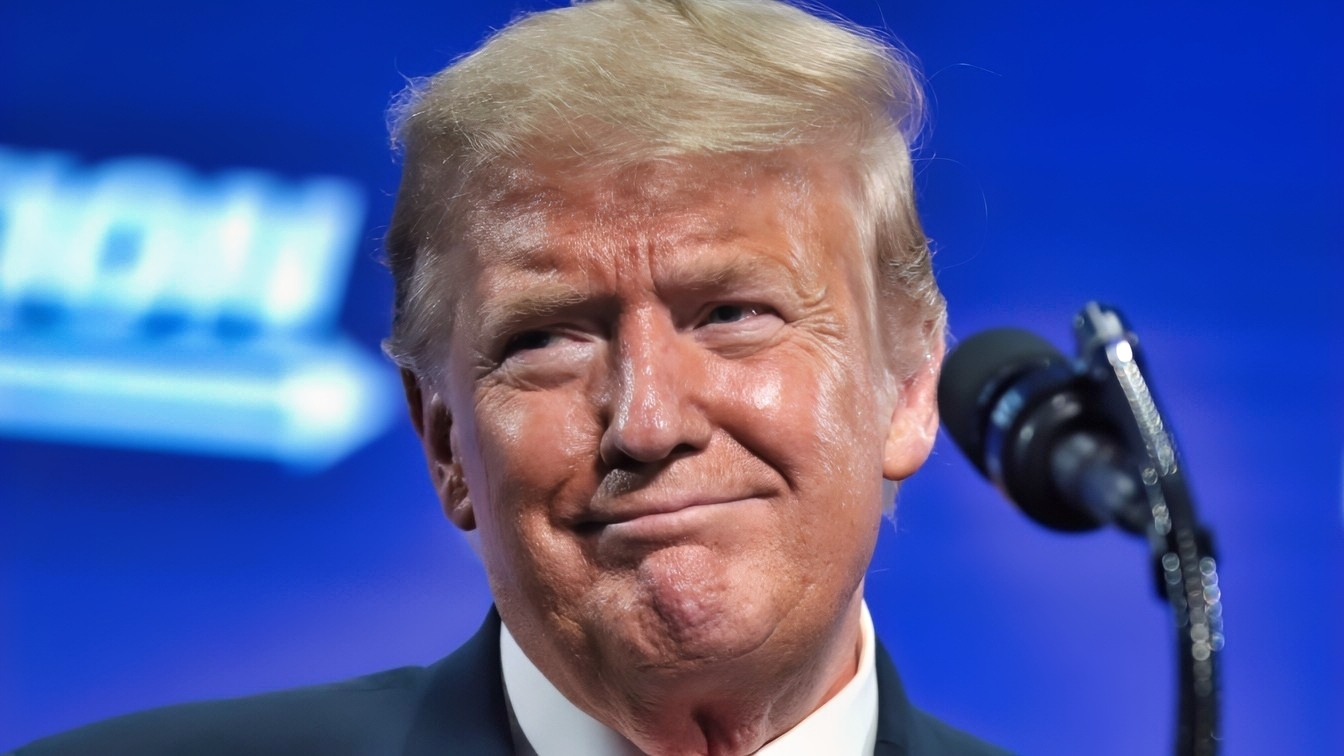
President Donald Trump was uncharacteristically magnanimous in the immediate aftermath of the November 3 midterm elections, publicly accepting the results and telling major news outlets he was prepared to work with Democrats over the next two years.
But as reality set in in the days following the results, President Trump appeared to question the election results.
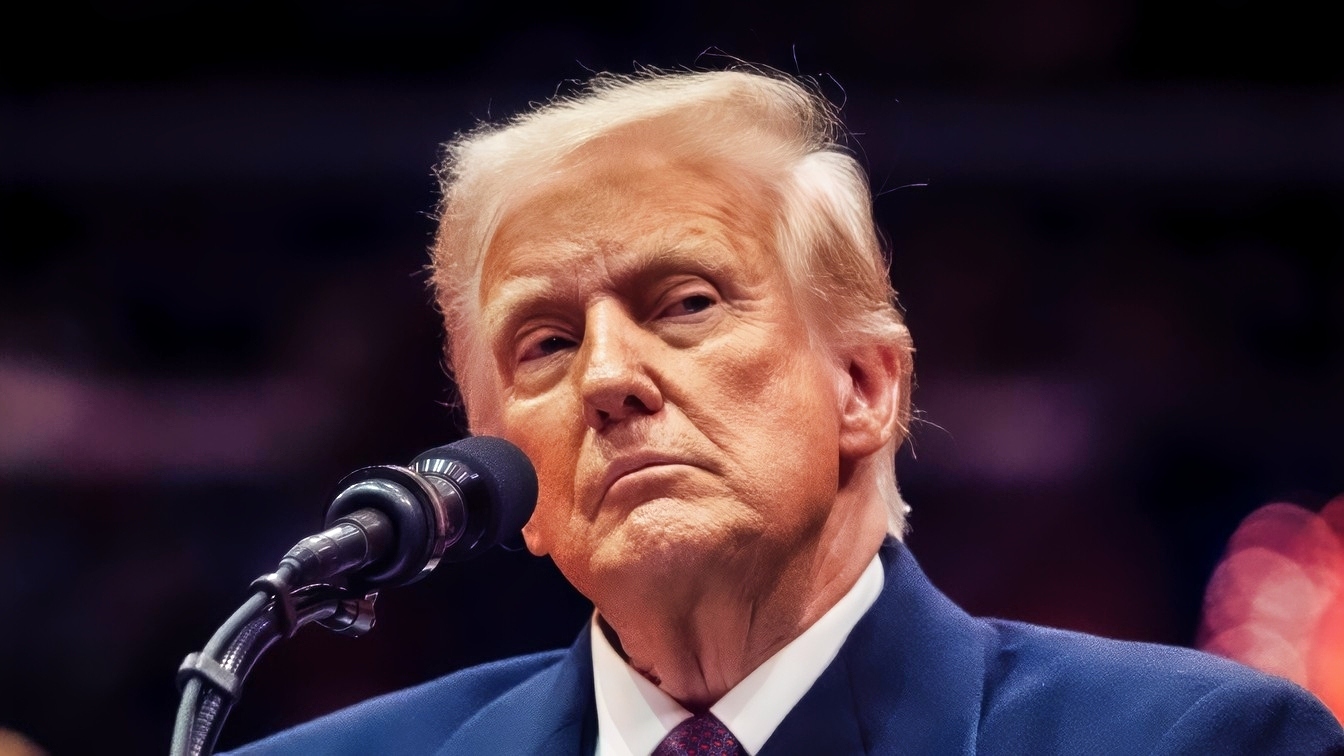
President Donald Trump addresses the audience after the inaugural parade during the 60th Presidential Inauguration at Capital One Arena in Washington, D.C., Jan. 20, 2025. Trump was sworn in as the 47th president of the United States. (DoD photo by Staff Sgt. Danny Gonzalez)
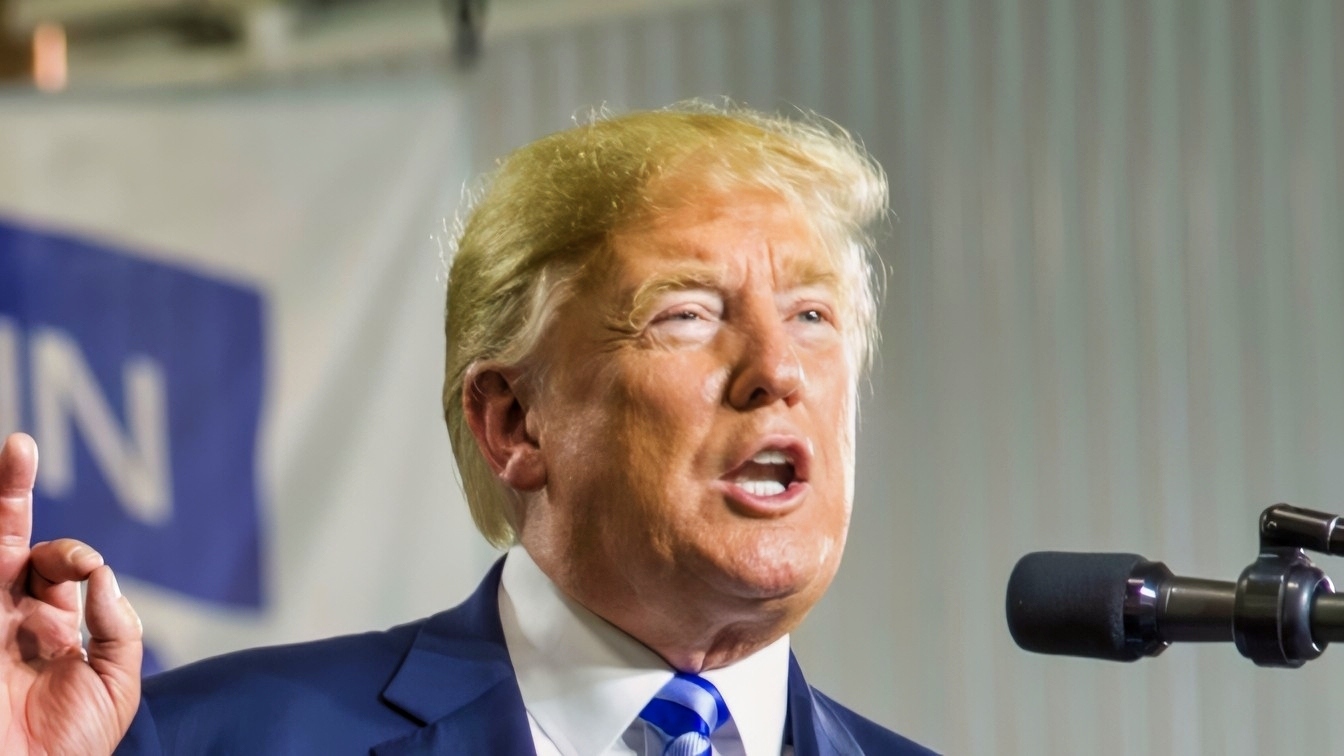
President Donald J. Trump speaks during an event at Fort Drum, New York, on August 13. President Trump visited the U.S. Army post to recongize Soldiers before signing the National Defense Authorization Act of 2019, which supports the establishment of Army Futures Command which will provide unity of command and effort for the Army’s modernization enterprise. (U.S. Army photo by Sgt. Thomas Scaggs) 180813-A-TZ475-918
New polling suggests that Republicans are equally skeptical.
New polling suggests that most Republican voters do not believe that the midterm elections were fair.
On Friday, November 20, NPR reported that fewer than half of Republicans believe that the most recent elections were free and fair, citing a survey by researchers at the University of California San Diego.
The findings come as the final election results roll in, with Democrats securing at least 258 House seats—their largest majority since the early 1990s.
Separate research published on Monday, November 23, reveals even more differences in how Democrats and Republicans interpret the results.
Republicans Are Losing Faith
UC San Diego research found that 46% of Republicans believe the midterm elections were free and fair — down from 55% before the election.
The findings show a stark difference between Democrats and Republicans, with 93% of Democratic voters saying that the vote was conducted fairly.
Independents were also more confident in the election, with 66% describing the results as fair, compared with 43% before the election.
The data showed that 66% of Americans overall believe that the election was fair, up from 49% in September.
According to the researchers, Republican voters’ confidence in national vote counting fell from 82% in the aftermath of the 2024 presidential election to just 52% this month.
Thad Kousser, the co-director of UC San Diego’s Center for Transparent and Trusted Elections, told NPR that skepticism is particularly concentrated among Republicans.
“There are still a lot of people who remain unconvinced that they can trust elections,” he said. “And they’re predominantly located in one party.”
Trump Questions the Results
Speaking to Fox News on November 3, President Trump told Bret Baier that he would accept the election results.
Results were still being called, but it was clear that Republicans were set to lose control of both chambers of Congress.
“Yeah, sure, I’ll accept. Why wouldn’t I?” Trump said.
Just days later, though, the president questioned the results on Truth Social.
“Does anybody really believe that this ‘Election’ was honest? How could the Polls be so wrong???” Trump said.
He went on to speculate about possible impropriety with regard to “dumps” of early voters — a claim that was made by Trump and high-profile figures in the Republican Party in the wake of the 2020 election.
“Some early voting ‘dumps’ were so large that it was impossible to win, no matter how many people went to vote,” he said. “It’s all about the machines, which are far more important than the voter!”
The president’s suggestion that the polls were wrong was curious, given that every major national poll in the run-up to the election predicted Republicans would lose control of the House.
In the days before the election, most polls predicted that Republicans would also lose the Senate. The polls accurately predicted a Democratic-controlled Congress.
Trump then again appeared to question the legitimacy of the results on Sunday, November 22. In another Truth Social post, the president described the Democrats’ victory as a “rather strange ‘win.’” Trump also blamed the election results for stock market losses and escalating Iranian strikes against Gulf infrastructure and commercial vessels in the Strait of Hormuz. That same day, Trump also published another post in which he described the election as “very ‘strange.’”
“Election Deniers” Suffer Big Defeats
While Republican voters continue to express skepticism about the results, fueled in large part by the president’s baseless suggestions, the midterms also delivered massive defeats for candidates who have previously questioned the integrity of American elections.
While fraud does exist, evidence of widespread wrongdoing sufficient to influence or change the result of an election has yet to be proven in the 2020 election, or indeed in 2024 or 2026.
Research published by States United Action after the November 3 midterms shows that candidates it classed as so-called “election deniers” lost five of the six secretary of state races in which they competed. The positions are particularly important given that secretaries of state typically oversee election certification and administrative duties.
Reuters also reported on November 8 that “election deniers” were set to hold at least 41 fewer congressional and statewide offices in 2027.
The results suggest that Trump’s previous claims of widespread election fraud could be losing political influence.
And with Trump now questioning the results all over again, the Republican Party faces a difficult choice between continuing to challenge election integrity of focusing on rebuilding support before the 2028 election.
About the Author: Jack Buckby
Jack Buckby is a British researcher and analyst specializing in defense and national security, based in New York. His work focuses on military capability, procurement, and strategic competition, and he produces and edits analysis for policy and defense audiences. He brings extensive editorial experience, with a career output spanning over 1,000 articles at National Security Journal, and has previously authored books and papers on extremism and deradicalization.


