
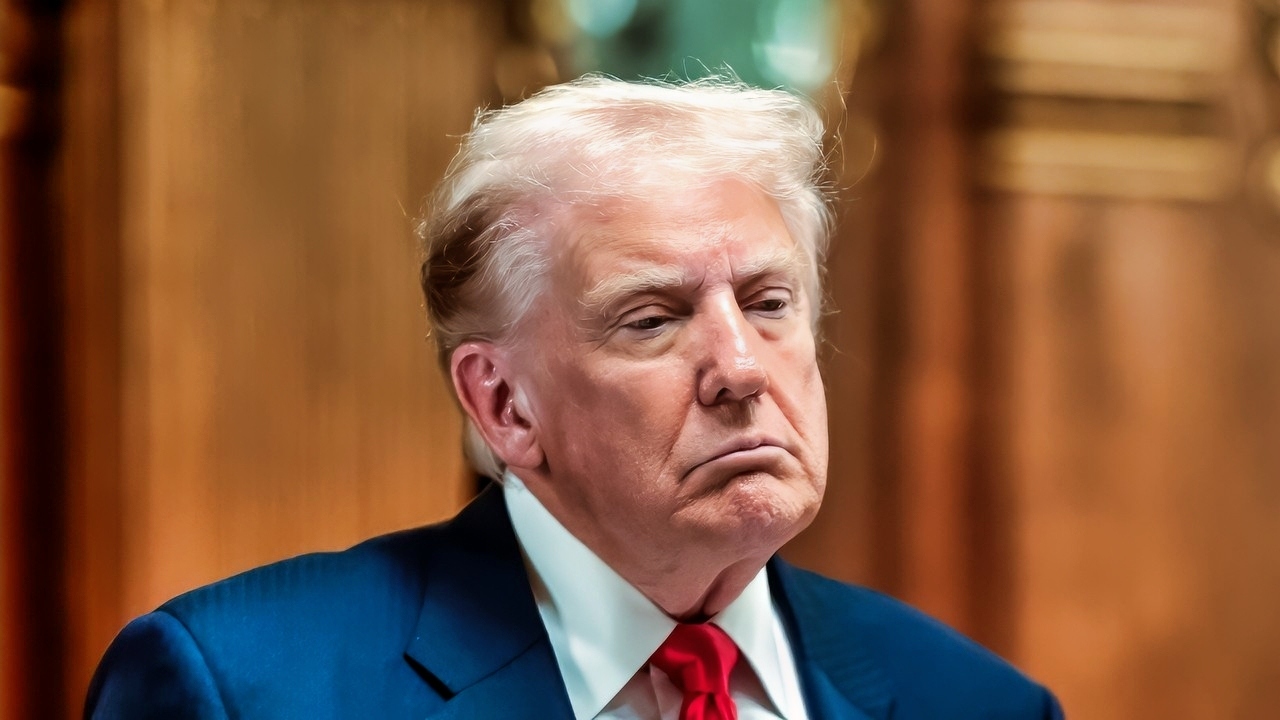
The Trump administration is threatening Democratic legislators with possible criminal investigations over their stated plans to investigate the president and his business dealings once Democrats take control of Congress in January — but it’s unclear whether the president can follow through on the threats.
Constitutional law experts and analysts note that the administration faces significant legal obstacles if it attempts to launch criminal investigations into lawmakers threatening to exercise their congressional oversight powers.
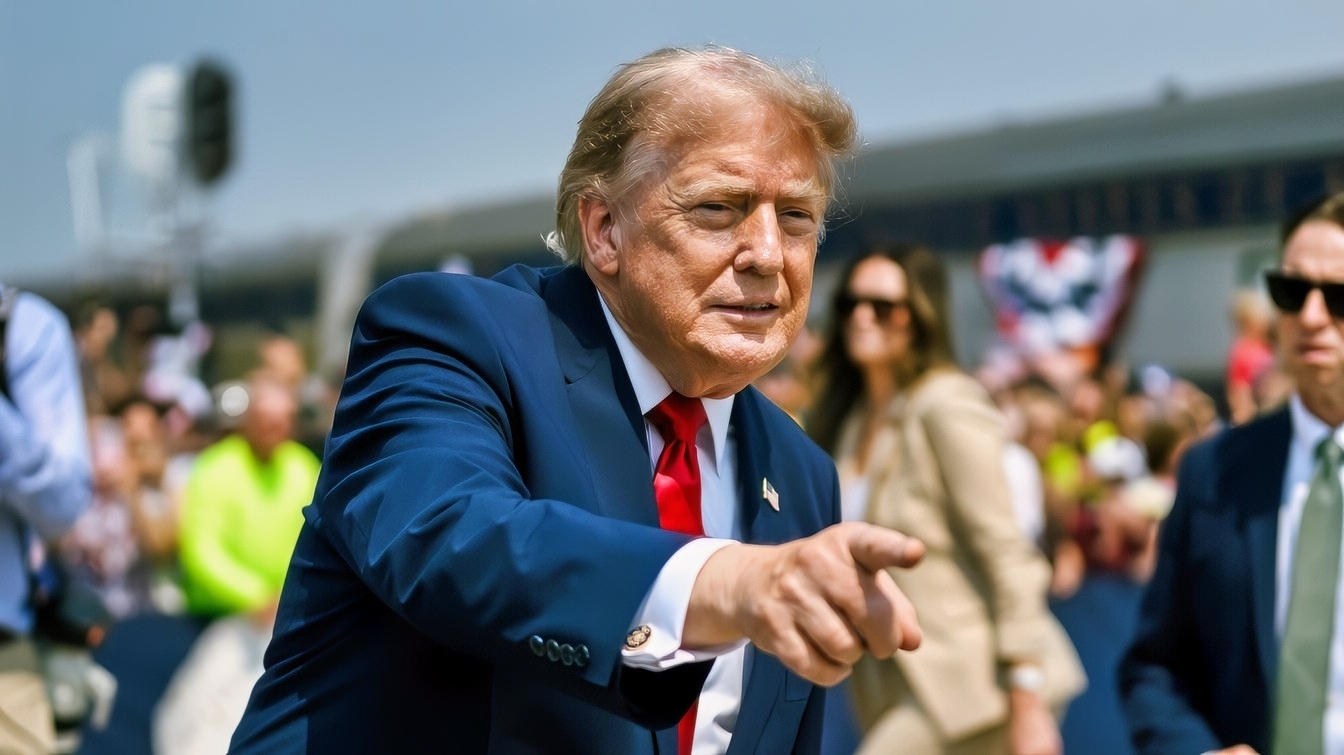
President Donald J. Trump greets the crowd in Medora, North Dakota, after arriving on the Freedom 250 Train en route to the grand opening of the Theodore Roosevelt Presidential Library, Wednesday, July 1, 2026. (Official White House Photo by Daniel Torok)
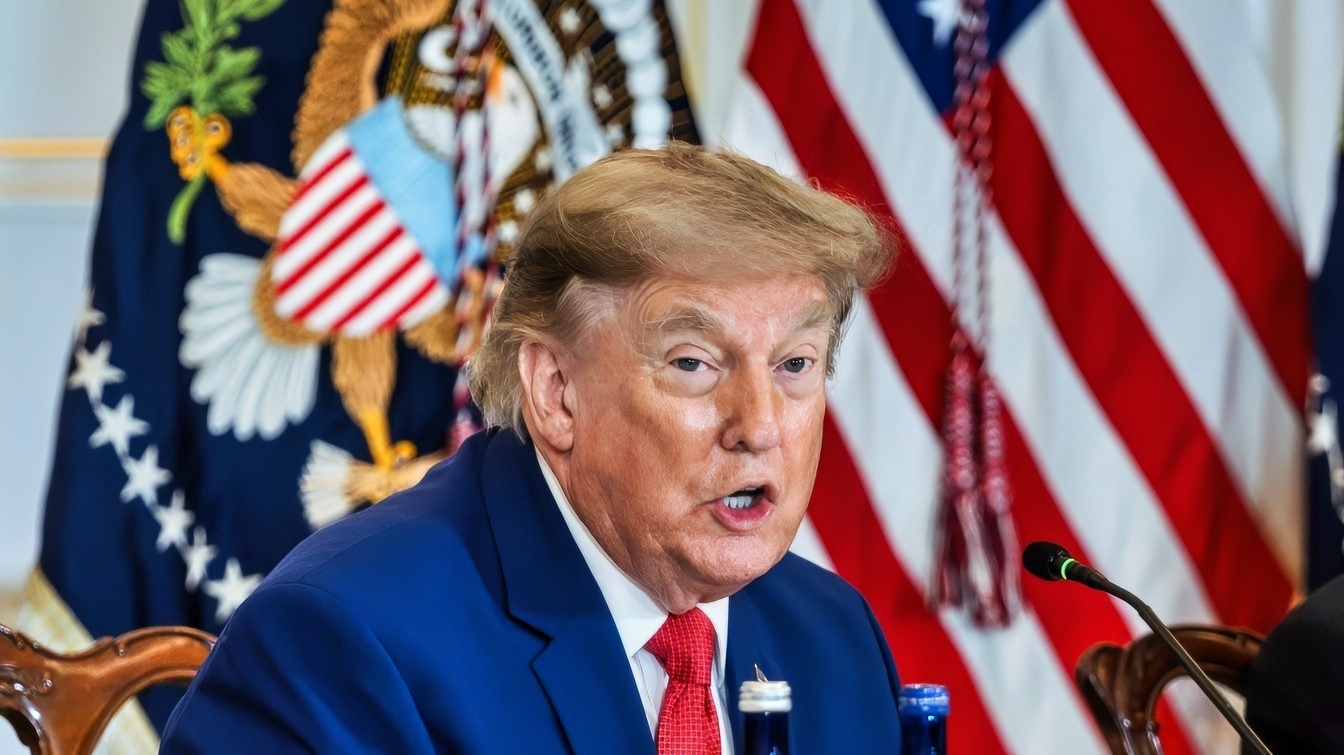
President Donald J. Trump, flanked by Secretary of State Marco Rubio and Secretary of Interior Doug Burgum, attends a roundtable for the American mining industry, Friday, August 7, 2026, at the U.S. Department of State in Washington, D.C. (Official White House Photo by Joyce N. Boghosian)
On Thursday, a POLITICO report cited six legal experts who largely dismissed the administration’s threats as being legally baseless.
The warnings come after U.S. Attorney Aaron Reitz, a federal prosecutor in the Southern District of Texas, sent letters to five prominent Democrats suggesting their plans could violate federal law.
After White House counsel Will Scharf warned that the administration may prosecute legislators.
What Democrats Threatened
Incoming House Oversight Committee Chairman Robert Garcia warned members of the Trump administration to “lawyer up” in the wake of the November 3 midterm elections and the revelation that Democrats were set to take control of both chambers of Congress.
The comment prompted a backlash from the Republicans, but was quickly joined by a chorus of other statements from Democrats warning similar things.
Rep. Analilia Mejia promised to issue subpoenas like “Mardi Gras beads,” and Rep. Yassamin Ansari had already previously discussed prosecuting individuals affiliated with Immigration and Customs Enforcement deportation operations.
Scharf cited those remarks when he sent a letter on November 9 to Garcia, along with comments from the California Democrat, accusing democrats of acting out of pettiness.
Garcia said the letters Democrats sent to Republican officials demanding they retain information related to their investigations “drip with an animus or pettiness,” and said it was clear the lawmakers intend to “harass and aggrandize.”
The Trump Administration Responds
In his November 9 letter, Scharf warned that investigations intended to intimidate government employees or private citizens could become criminal matters.
Those warnings quickly escalated, with critics claiming that the Trump administration was seeking to intimidate Democrats into backing out of their investigations.
Republicans, however, argued that the way in which Democrats “warned” Republican officials was deliberately provocative.
According to a Washington Post report from November 17, Reitz began sending letters to Democratic Senators Richard Blumenthal, Elissa Slotkin, Elizabeth Warren, and Adam Schiff, as well as Garcia, suggesting that their proposed activities and threats warranted scrutiny.
Reitz cited civil rights laws that protect Americans from government abuse and outlined his concerns over potential investigations into private donors who contributed to the historic White House ballroom project and businesses related to the president.
Speaking to the outlet, Reitz accused Democrats of preparing to weaponize the committee system.
“They are promising repeatedly to potentially break the law when they have the power to do so,” he said.
The Department of Justice has also defended those warnings, arguing that congressional oversight cannot be used to deprive American citizens of their constitutional rights.
In a statement on November 16, an unnamed Justice Department spokesperson defended Reitz’s actions to CBS News after the watchdog Campaign for Accountability filed an ethics complaint against the prosecutor with the Texas state bar.
“Oversight is not a license to threaten private citizens for exercising their First Amendment rights,” the spokesperson said.
Senior White House officials also supported the warnings, including the new chief of staff, Stephen Miller, who shared Reitz’s letter to Senator Warren on social media platform X on Sunday, November 15. In his post, Miller simply wrote, “18 USC 241 and 242,” referring to civil rights statutes, 18 U.S.C. Sections 241 and 242. Warren was accused of preparing to target private citizens associated with the president in the letter.
After citing several of Warren’s statements, Reitz’s letter accused the senator of wielding her future gavel “like a tomahawk” and “hunting for the scalps of President Trump’s private associates.”
“But remember: any investigation you and your Senate Democrat colleagues launch from the majority must have a legitimate legislative purpose,” he noted.
After citing the U.S. Constitution, Reitz said that he was writing to give formal notice to preserve all documents, communications, and electronically stored information relevant to her intent to “weaponize congressional investigations and deprive citizens of their core constitutional rights.”
Why the Threats Might Fail
Legal experts are skeptical about the Trump administration’s warnings and the chances of successfully prosecuting the lawmakers in question.
Former House general counsel Stan Brand told POLITICO the warnings were little more than “saber-rattling,” and Ohio State University law professor Steven Huefner also pointed to the U.S. Constitution’s Speech or Debate Clause, which protects lawmakers conducting investigations from executive-branch interference.
And it’s not just left-leaning legal experts who have expressed doubts, either.
Hans von Spakovsky, a senior legal fellow at Advancing American Freedom, also told Fox News that while the investigations must serve legitimate legislative purposes, the chances of securing criminal convictions are still low.
To succeed, federal prosecutors would need to establish that lawmakers went well beyond legitimate congressional oversight and deliberately engaged in illegal conduct.
About the Author: Jack Buckby
Jack Buckby is a British researcher and analyst specializing in defense and national security, based in New York. His work focuses on military capability, procurement, and strategic competition, and he produces and edits analysis for policy and defense audiences. He brings extensive editorial experience, with a career output spanning over 1,000 articles at National Security Journal, and has previously authored books and papers on extremism and deradicalization.


