

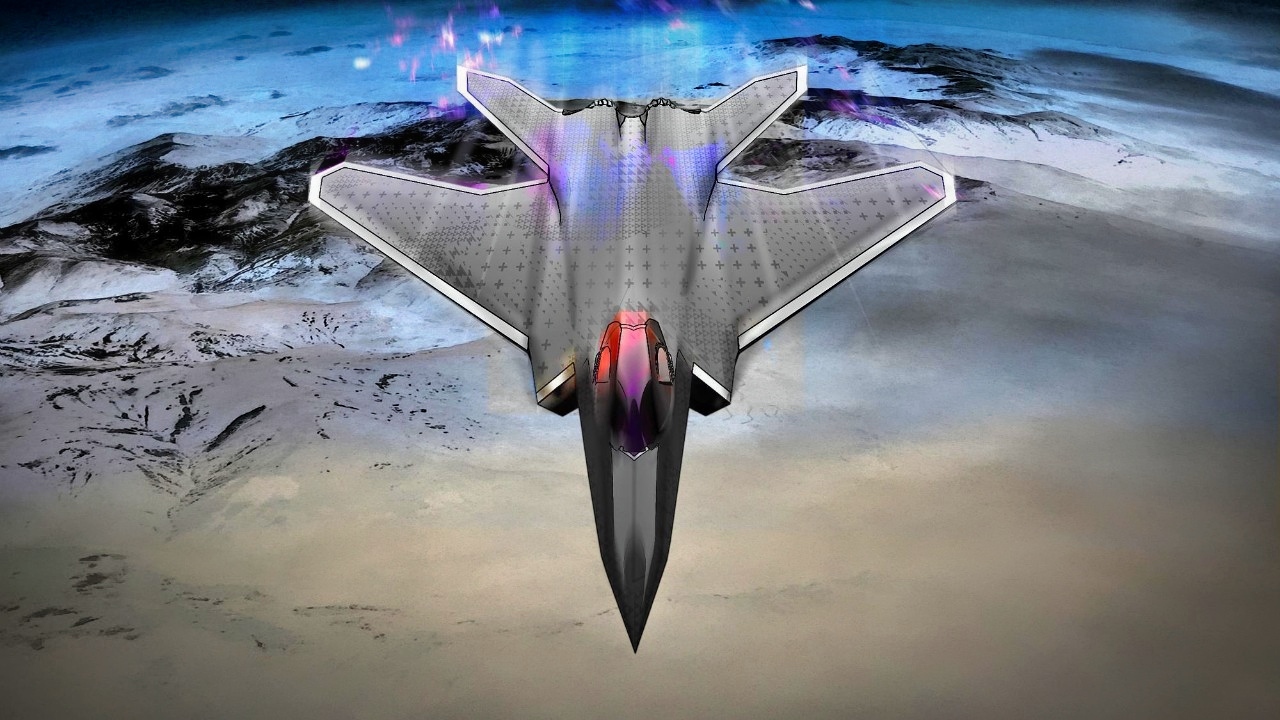
Key Points and Summary – France and Germany are scrambling to rescue the €100 billion Future Combat Air System, Europe’s flagship next-generation fighter program.
-At the core is a power struggle between Dassault and Airbus over control of design work, with Paris insisting on lead authority and Berlin demanding a true 50–50 partnership.

FCAS Fighter Mock Up. Image Credit: Creative Commons.
-Political clocks are ticking: defense ministers from France, Germany and Spain are meeting under pressure to seal a deal before year’s end, while business leaders warn that failure would split Europe between rival fighter blocs and undermine ambitions for a unified, sovereign European defense industrial base.
FCAS Fighter: France and Germany Rush to Save €100 Billion Defense Deal
French and German officials are closer to agreeing on the €100 billion deal that would develop Europe’s most ambitious defence programme to date, but nothing is set in stone.
The so-called Future Combat Air System (FCAS) would include collaboration between France’s Dassault Aviation and Germany’s Airbus Defence and Space, who have frequently traded public jabs over the matter.
French Defence Minister Catherine Vautrin will finally touch down in Berlin this Thursday for talks with her German counterpart Boris Pistorius about the proposals, after months of delays. On Friday, the pair will also meet with Spain’s defence chief, Margarita Robles, who has thus far maintained public neutrality on the topic.
At the heart of the dispute is the question of control. Dassault, France’s prime contractor, insists it is unable to deliver a next-generation fighter if it must continually compromise with the German firm, Airbus.
Airbus says that a 50-50 partnership is the sole model that can be both industrially fair and politically deliverable.
That both firms have repeatedly expressed their frustrations to the press, suggests just how fragile this embryonic deal remains.
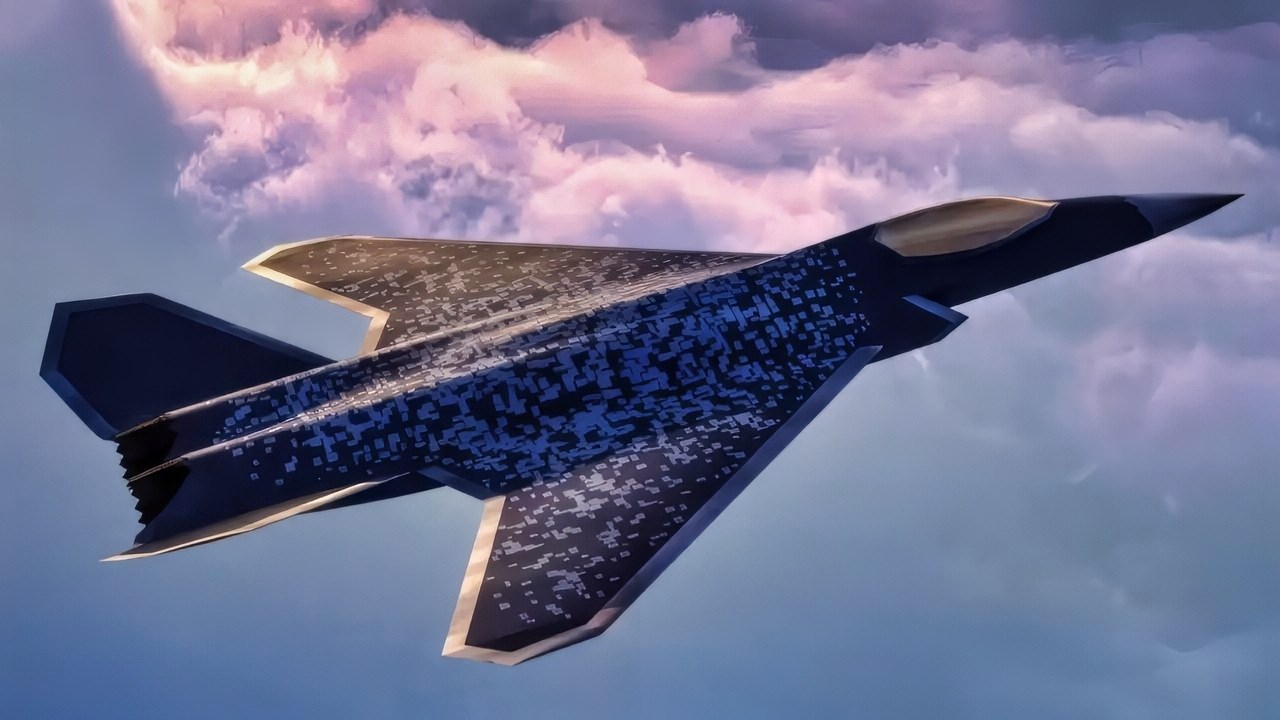
FCAS Artist Photo Creation. Image Credit: Creative Commons.
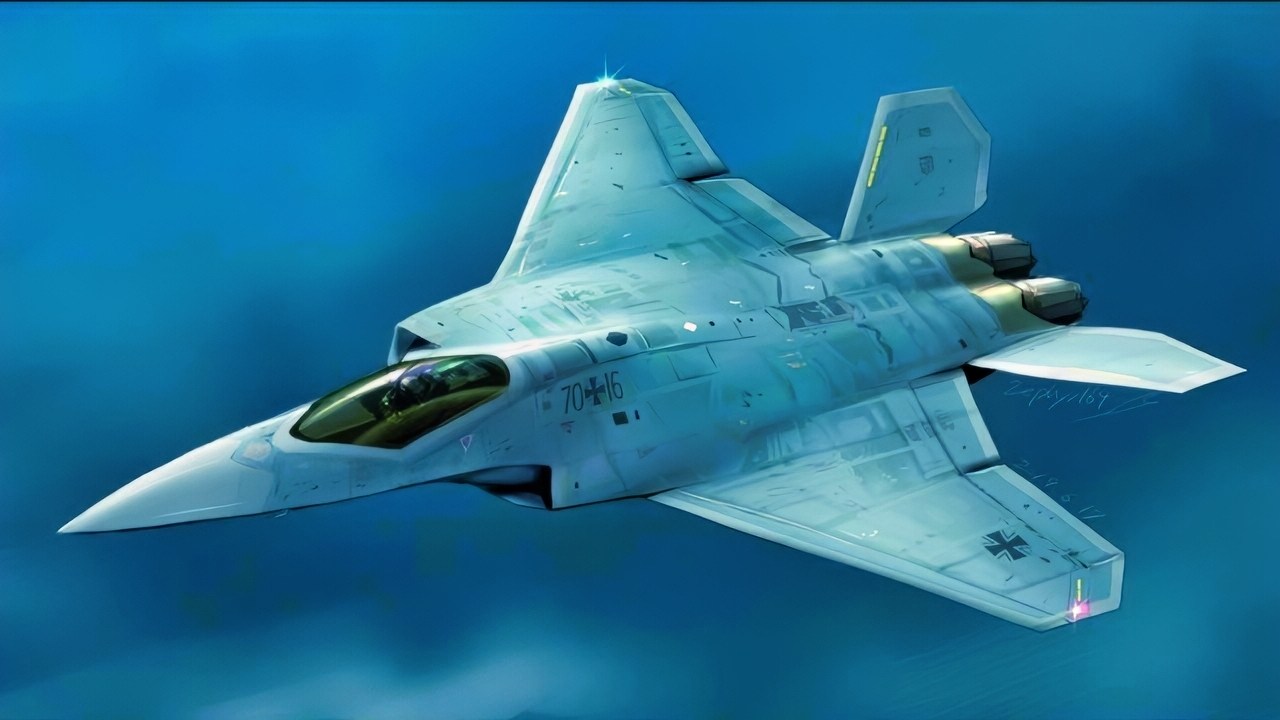
FCAS Photo Artist Image. Image Credit: Creative Commons.
The political timetable is now tightening, with these ministers having first been set to meet back in October. These plans were scrapped as a result of recent French government reshuffles.
As pressure builds to secure the project before the year is out, Chancellor Friedrich Merz and President Emmanuel Macron are now expected to hold a further bilateral conversation on FCAS in mid-December, alongside a slew of other Brussels summits.
The new pressure comes as Germany’s Bundestag prepares to authorize a record €52 billion in procurement in a single committee meeting.
This is part of a rapid, politically charged effort to re-establish Berlin as, in Pistorius’s words, “the pacemaker of defence in Europe” after years of complacency and compromise with Russia and China.
What Happens Next?
Yet even as Germany pours money into infantry vehicles, satellites, and long-range missile defence, the FCAS stalemate remains conspicuous.
It is the one big-ticket item Berlin cannot push through by sheer fiscal force.
Reuters reported on Tuesday that German business leaders have intensified lobbying to keep the project alive, fearing that its collapse would leave Europe awkwardly divided between rival fighter-jet blocs.
One would be centred on France, and the other on the UK-Italy-Japan Global Combat Air Programme (GCAP) initiative, which has already hinted it would welcome German participation.
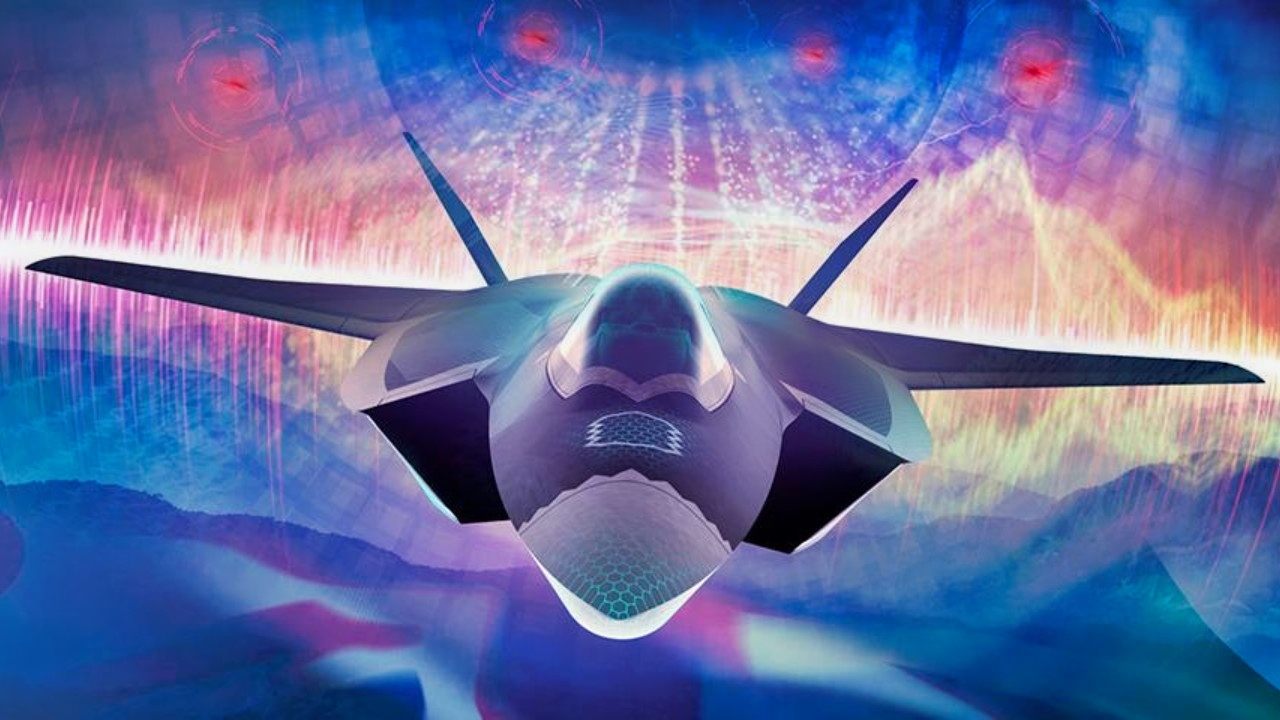
GCAP Fighter. Image Credit: Creative Commons.

GCAP 6th Generation Fighter.
The next fortnight will show whether Europe’s leaders can salvage a programme meant to embody strategic unity. If they fail, FCAS may become a case study in something Europe can ill afford: lofty rhetoric that economic rivalry and diplomatic spats can easily imperil.
About the Author: Georgia Gilholy
Georgia Gilholy is a journalist based in the United Kingdom who has been published in Newsweek, The Times of Israel, and the Spectator. Gilholy writes about international politics, culture, and education. You can follow her on X: @llggeorgia.


