

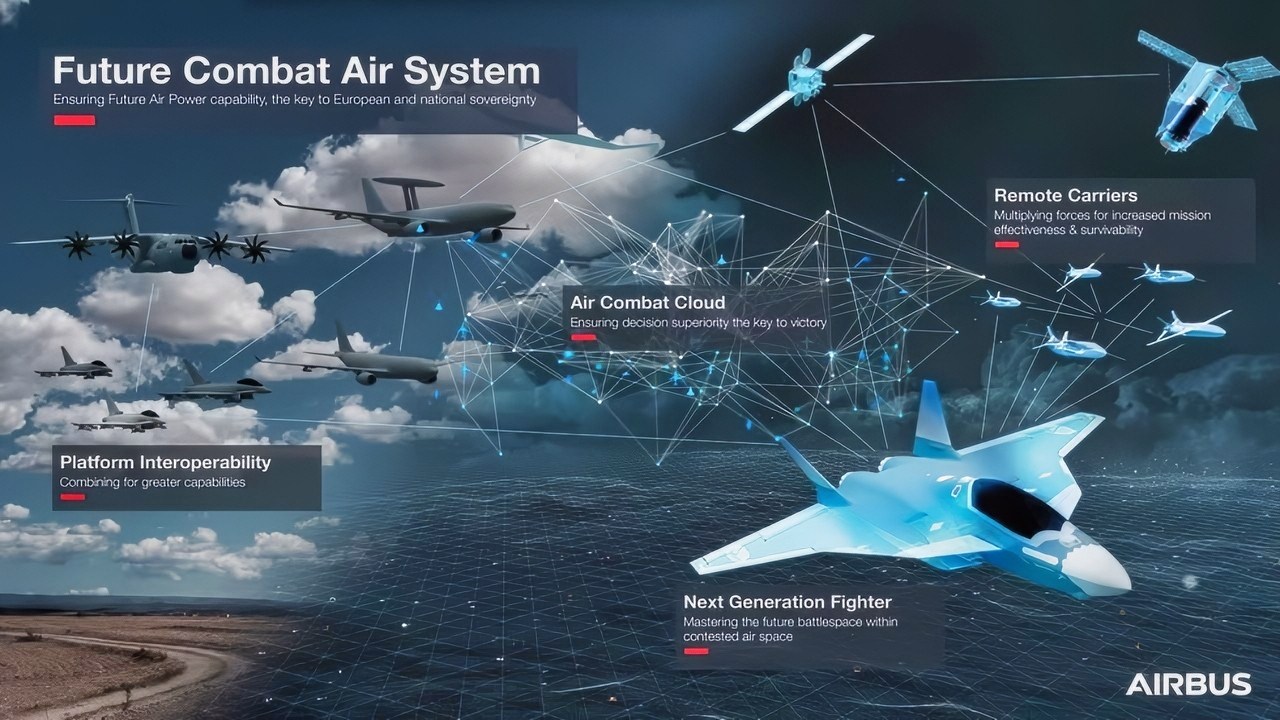
Key Points and Summary – Europe’s flagship Future Combat Air System (FCAS) was meant to showcase “European unity” and deliver a sixth-generation fighter plus loyal wingman drones for France, Germany, and Spain by 2040.
-Instead, the €100 billion project is bogged down in familiar industrial turf wars.

FCAS Fighter Mock Up. Image Credit: Creative Commons.
-Dassault and Airbus are deadlocked over workshare, intellectual property, and who really leads the manned fighter portion versus the unmanned Collaborative Combat Aircraft.
The standoff echoes the failed 1980s Eurofighter talks that drove France to build Rafale alone.
With national leaders now ordering defense ministers to intervene, FCAS risks becoming yet another cautionary tale in European defense cooperation.
FCAS in Trouble: How ‘European Unity’ Is Failing the Next-Gen Fighter
The phrase “European unity” is an oxymoron, as a recent development shows yet again.
A source speaking on conditions of anonymity told Reuters that the defense ministers of Germany, France and Spain have agreed to meet on Dec. 11 to discuss a program that is supposed to produce a jointly developed and multinational next-generation fighter aircraft.
This platform would eventually replace two European-produced fighters currently in service.
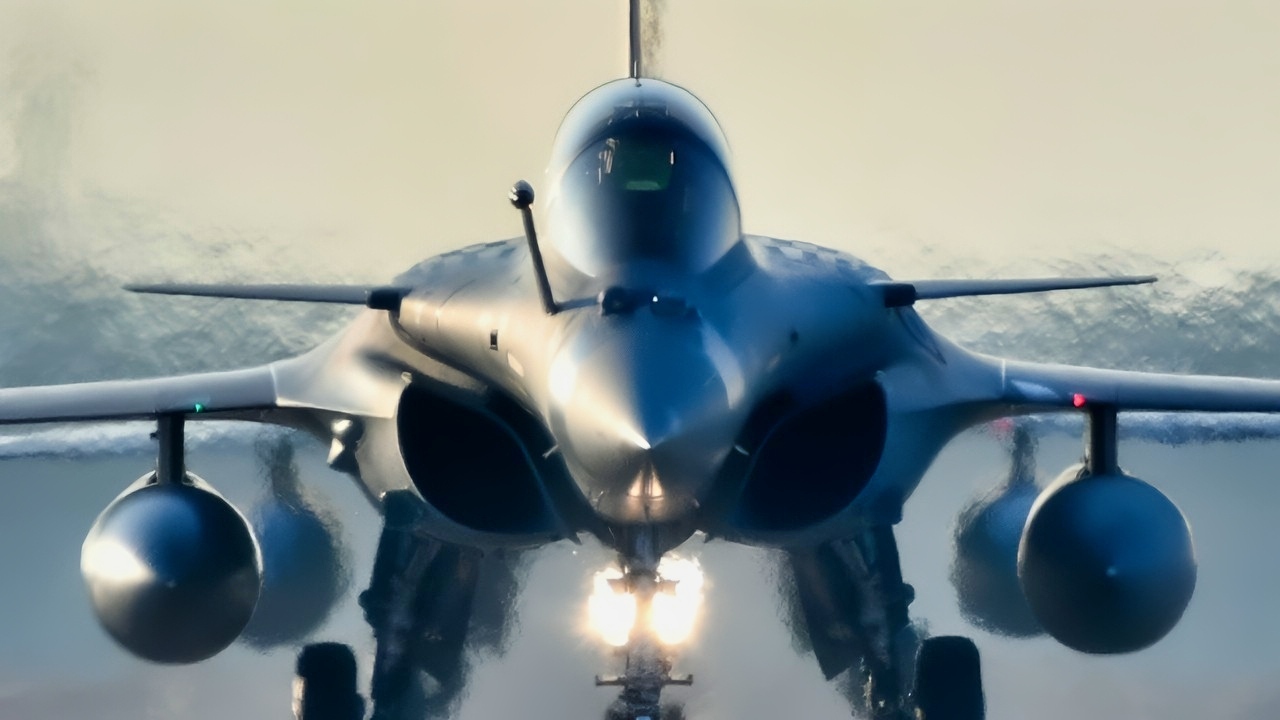
Dassault Rafale Fighter. Image Credit: Creative Commons.
One of the platforms to be replaced is the Eurofighter Typhoon, which was developed and flown by air forces of the United Kingdom, Germany, Spain and Italy.
The other aircraft is the French-made Dassault Rafale, which is not only flown by the armed forces of France, but also those of Egypt, the United Arab Emirates, Qatar, India, Indonesia, Greece, Serbia, and Croatia.
Recently, Ukraine signed an agreement to purchase up to 100 Rafales for its Air Force. That number of deliveries would be the largest export order ever for the French-made aircraft, outnumbering the UAE’s order of 80.
The €100 Billion FCAS
The three defense heads meeting next Thursday will discuss the Future Combat Air System (FCAS). The 100 billion-euro program was proposed more than eight years ago, but has run into more than its fair share of problems.
Many of these boil down to what the news service reports describe as “industrial turf battles.”
In recent months, the would-be partners have seen fratricidal disputes among the defense enterprises that would be the prime contractors for the aircraft.
Most of the points of contention are focused on how the companies involved will divvy up the industrial workshare packages, as well as how the same firms will be able to maintain control over sensitive proprietary technologies.
An added complication is that the negotiations will not just resolve which company will receive some percentage of the program, or which company will develop specific technologies for this next-generation manned fighter aircraft.
Also at stake is the next phase of the program’s plans to develop the Collaborative Combat Aircraft that will operate in conjunction with the fighter.
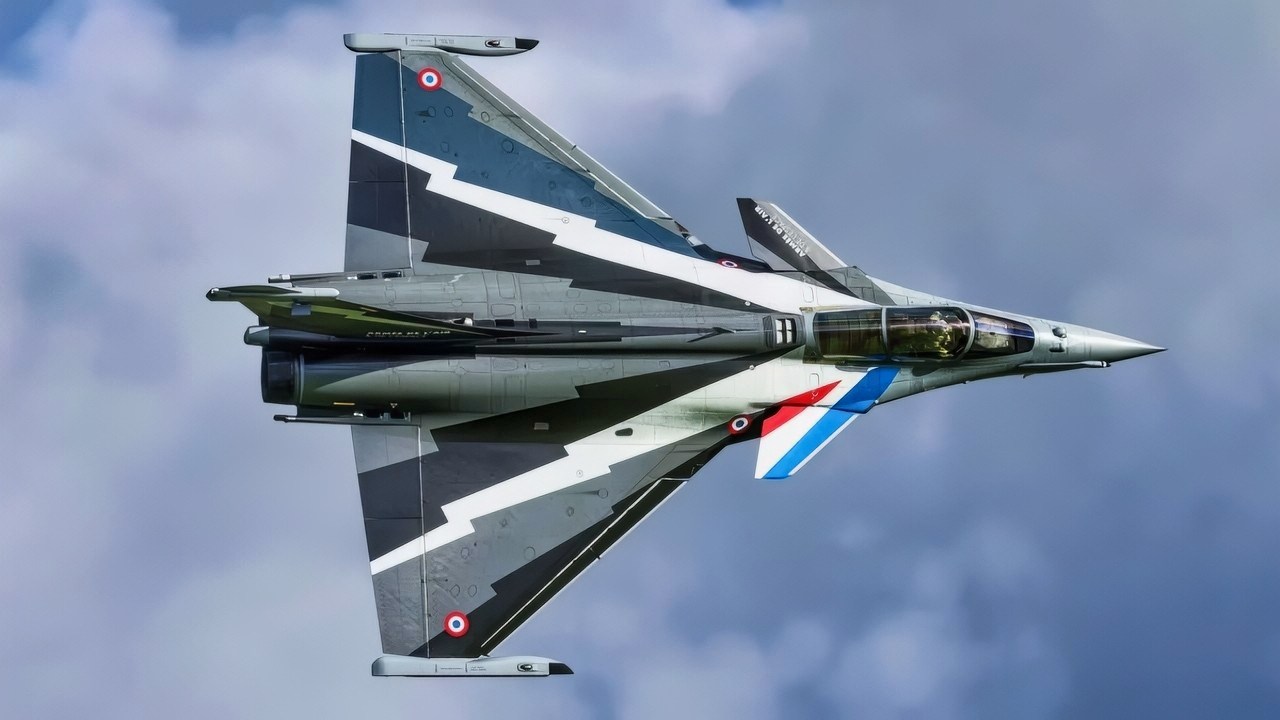
Dassault Rafale Fighter from France. Image Credit: Creative Commons.
These unmanned drones will also be developed for France, Germany and Spain. The entire effort is supposed to be developed, tested, validated, and in production by 2040.
Déjà Vu All Over Again
Disagreements between France’s Dassault Aviation and the German and Spanish-led Airbus have left the program deadlocked in negotiations.
In a repeat of history, Dassault is saying the company is prepared to go on alone.
A similar inability of French and German parties to come to terms led to Dassault never joining the Eurofighter program in the 1980s and instead developing the Rafale.
Negotiations have been stalled for some time, due to the contentious interactions between the two national aerospace major players.
Last month, French President Emmanuel Macron and German Chancellor Friedrich Merz met to discuss how to break the impasse.
The Dec. 11 meeting of defense ministers is reportedly taking place because the two national leaders asked them to intervene.
German sources say Dassault has been trying to take over control of the project, putting itself in charge of some 80 percent of the manned aircraft design—an assertion the French company calls erroneous.
In response, the French firm charges that Airbus is trying to muscle them out.
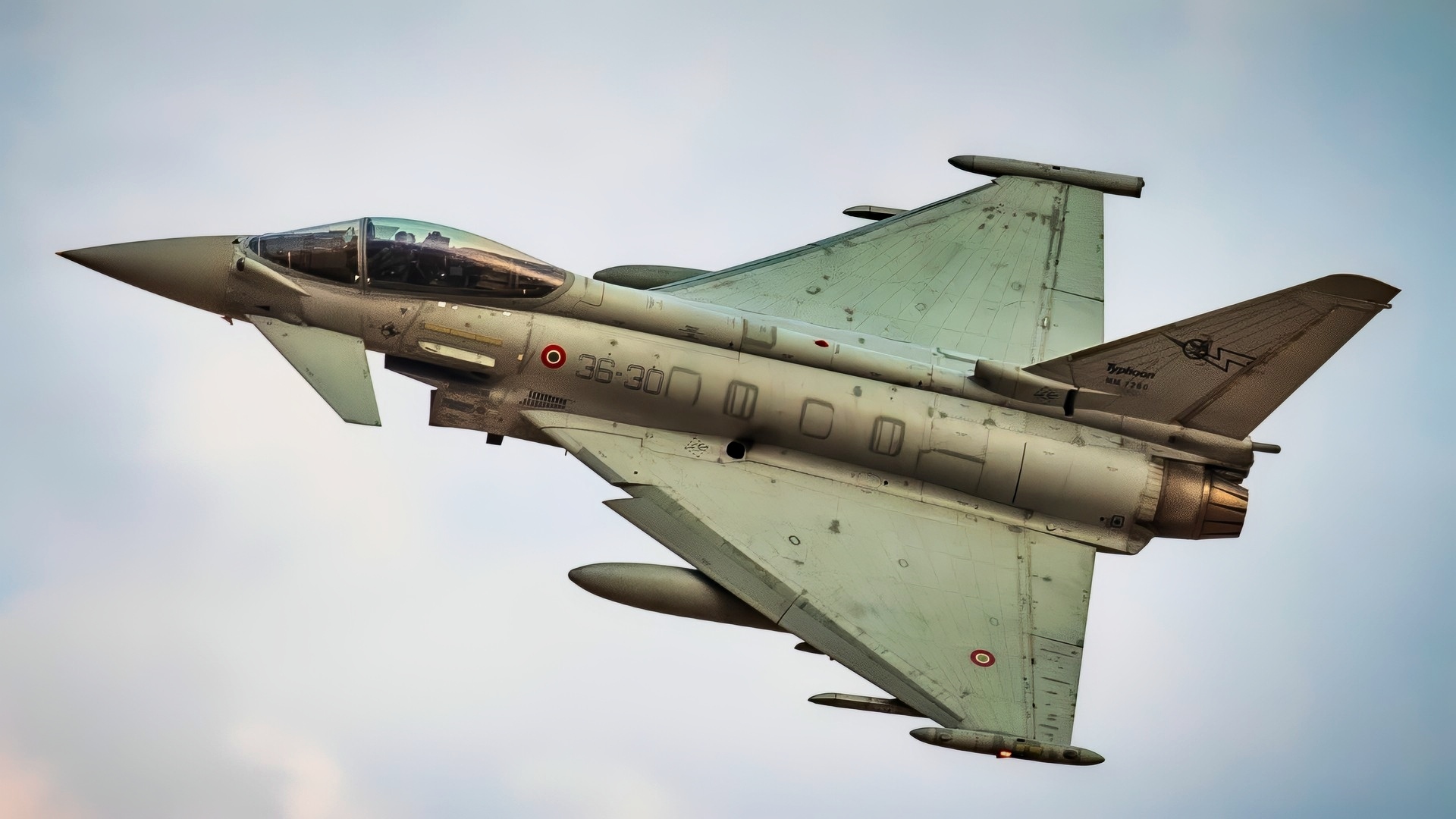
An Italian Air Force Eurofighter Typhoon maneuvers during a joint close air support exercise with U.S. Marines attached to the Special Purpose Marine Air-Ground Task Force – Crisis Response – Central Command (SPMAGTF-CR-CC) 19.2, and service members with the Italian Air Force in Kuwait, Oct. 14, 2019. The SPMAGTF-CR-CC works with partner nations on maintaining regional security. (U.S. Marine Corps photo by Sgt. Kyle C. Talbot)
Speaking to Reuters on Tuesday, Airbus CEO Guillaume Faury said “the jury is out” on the outcome of the negotiations between the different governments.
“We don’t want to be in a situation where there is one partner dominating the others and telling (them) ‘you do this, you do that,’” Faury said in an interview.
Dassault has since declined comment.
The company’s CEO Eric Trappier said Dassault should be free to take the critical decisions on the core fighter portions of the project that it is responsible for.
The role for Airbus, as he sees it, should be to lead on the unmanned CCA design, as well as other areas for which it has specifically been placed in charge.
About the Author: Reuben F. Johnson
Reuben F. Johnson has thirty-six years of experience analyzing and reporting on foreign weapons systems, defense technologies, and international arms export policy. Johnson is the Director of Research at the Casimir Pulaski Foundation. He is also a survivor of the Russian invasion of Ukraine in February 2022. He worked for years in the American defense industry as a foreign technology analyst and later as a consultant for the U.S. Department of Defense, the Departments of the Navy and Air Force, and the governments of the United Kingdom and Australia. In 2022-2023, he won two awards in a row for his defense reporting. He holds a bachelor’s degree from DePauw University and a master’s degree from Miami University in Ohio, specializing in Soviet and Russian studies. He lives in Warsaw.


