

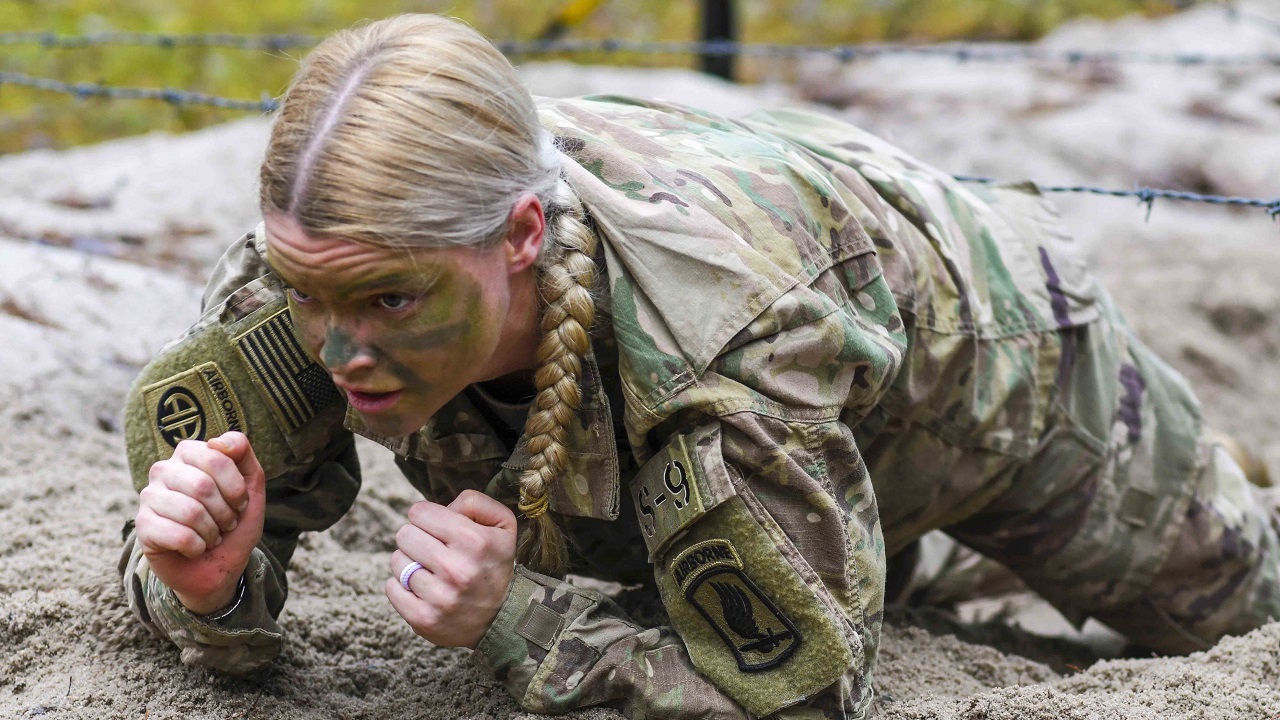
The U.S. Army just standardized one of the most iconic symbols of military authority: starting January 2, 2026, all drill sergeants—regardless of gender—will wear the same campaign hat known as the “Brown Round.” Female drill sergeants will no longer wear the distinctive bush hat that had been their standard for decades, ending a gender-specific uniform divide that 70% of surveyed drill sergeants wanted gone.
The Bush Hat Is Going Away
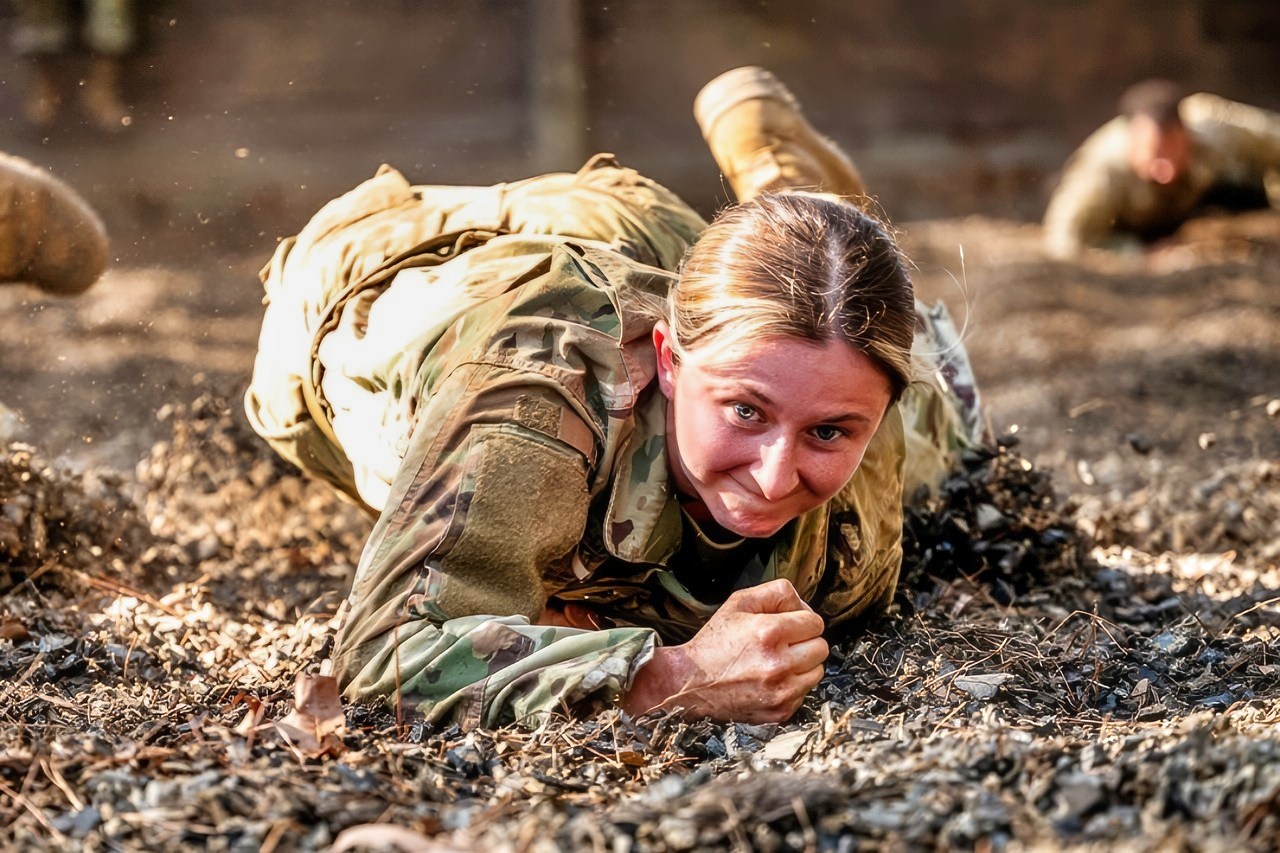
U.S. Army Training Official U.S. Army Photo.
In recent decades, male and female drill sergeants have worn different hats.
Men have worn the iconic campaign hat, often called the “Brown Round,” while women have worn a distinctive bush hat.
Beginning on January 2, 2026, however, the U.S. Army standardized this policy, requiring all drill sergeants, regardless of gender, to wear the same campaign hat.
This decision to create a single, uniform standard aligns with the Pentagon’s intent to replace previous policies, which current leaders describe as an ill-advised tendency to prioritize diversity over pure “merit” in critical military decision-making.
Ultimately, one can argue that creating a uniform standard for both genders “elevates” women from being held to a “lower” or “different” physical standard when it comes to combat capability.
Women have, for years, proven quite capable in combat, and a woman graduated from U.S. Army Ranger School in 2015. Common standards extend full respect to women as equals.
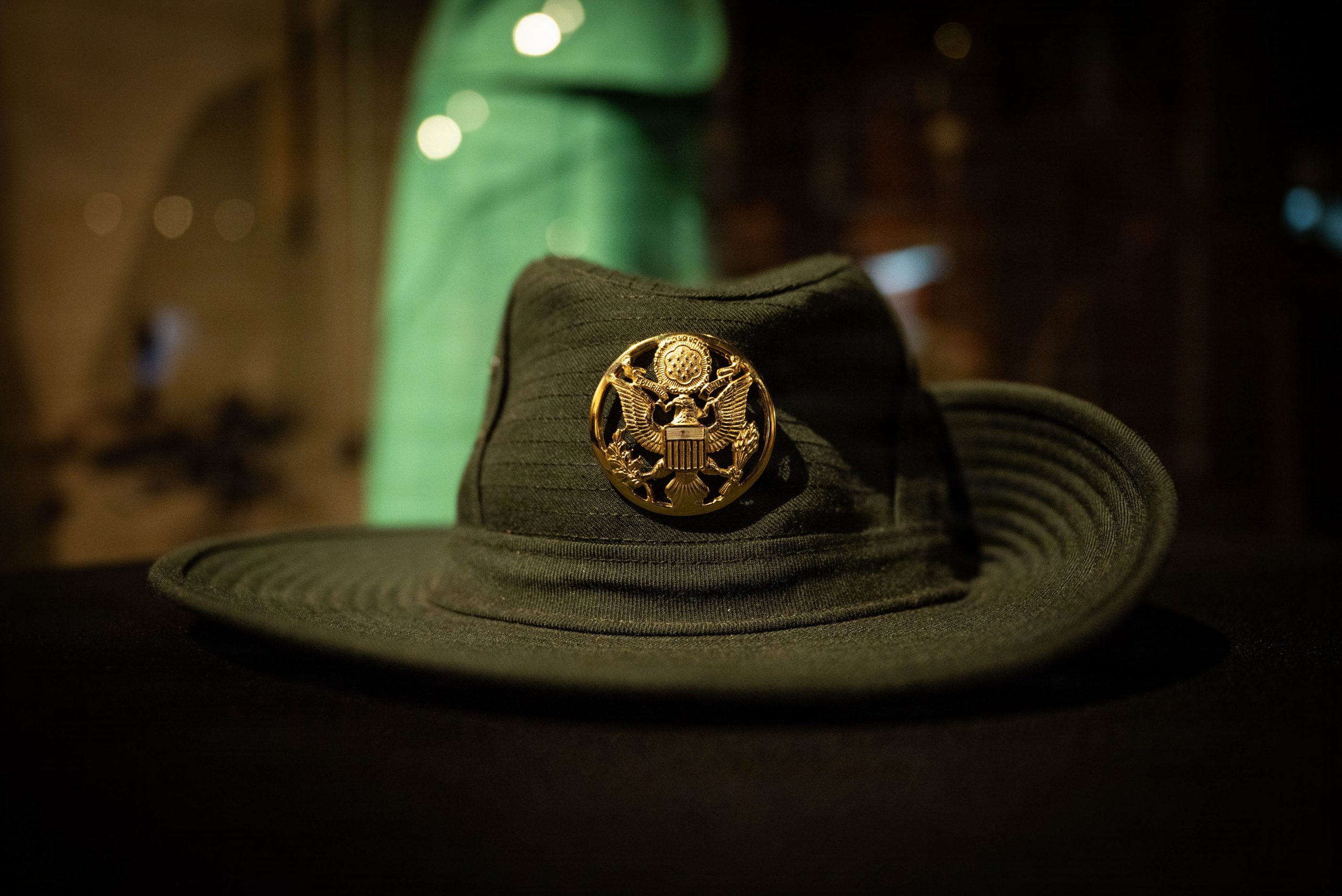
U.S. Army Sgt. 1st Class Edjenik Uzcategui, a Drill Sergeant with Alpha Company, 5th Battalion, 1st Special Warfare Training Group (Airborne), 369th Adjutant General Battalion (AIT), and Staff Sgt. Heather Woodward, a Senior Drill Sergeant with Echo Company, 1st Battalion, 13th Infantry Regiment, remove their bush hats for the final time and don the campaign hat during a special ceremony hosted by Command Sgt. Maj. William M. Shoaf, Command Sgt. Maj. for Fort Jackson, and museum curator, Mr. Steven P. Noonan at the Basic Combat Training Museum, Fort Jackson, S.C., January 23, 2026. The campaign hat became the official hat for all Drill Sergeants, January 2, 2026. (U.S. Army photo by Sgt. 1st Class Dana Clarke)
Therefore, why not ensure that something like the “hat” of a distinguished and highly revered drill sergeant also adheres to a uniform standard?
Army leadership has emphasized that there is already “a single standard” for selecting and evaluating drill sergeants, so having different headgear was arguably inconsistent with that principle.
By adopting one universal hat, the Army reinforces the idea that all drill sergeants are held to the same expectations and responsibilities.
According to Army statements, the new policy is intended to promote “unity, consistency, and equal representation” across the force.
Soldier Feedback
Another significant factor behind the change is feedback from soldiers themselves.
The Army conducted surveys in 2023 and 2024 to gather opinions from active drill sergeants, including women currently serving in the role.
The results showed strong support for adopting a single hat.
Many respondents believed that the campaign hat looked more professional and better represented the authority of a drill sergeant.
In fact, roughly 70 percent of surveyed drill sergeants supported switching away from the bush hat.

A U.S. Soldier, assigned to Headquarters and Headquarters Battalion, XVIII Airborne Corps, prepares to throw a weighted medicine ball during a physical training session at Segra Stadium in Fayetteville, N.C., July 15, 2025. The full-body exercise was part of a circuit training rotation designed to boost strength and endurance. (U.S. Army photo by Sgt. Gianna Elle Sulger)
This feedback demonstrates that the change was not imposed from the top down alone, but was also driven by the experiences and preferences of those directly affected.
There is a philosophical or symbolic element to this decision as well, given that the drill sergeant hat has long been associated with authority, tradition, and leadership within the Army.
Many drill sergeants felt that wearing the same iconic hat would enhance their professional image and reinforce their authority in the eyes of trainees.
When recruits see a drill sergeant, the uniform and especially the hat it helps them establish immediate recognition and respect.
A single, standardized appearance arguably strengthens that effect.
The change also reflects a broader trend within the military toward gender-neutral policies.
In recent years, the Army has examined standards in areas such as physical fitness, grooming, and assignments, often moving toward requirements that apply equally to all soldiers.
While not every policy is identical across genders, the general direction has been toward reducing unnecessary distinctions.
The adoption of a single drill sergeant hat fits within this larger pattern, demonstrating how even symbolic elements of the uniform are being reconsidered.
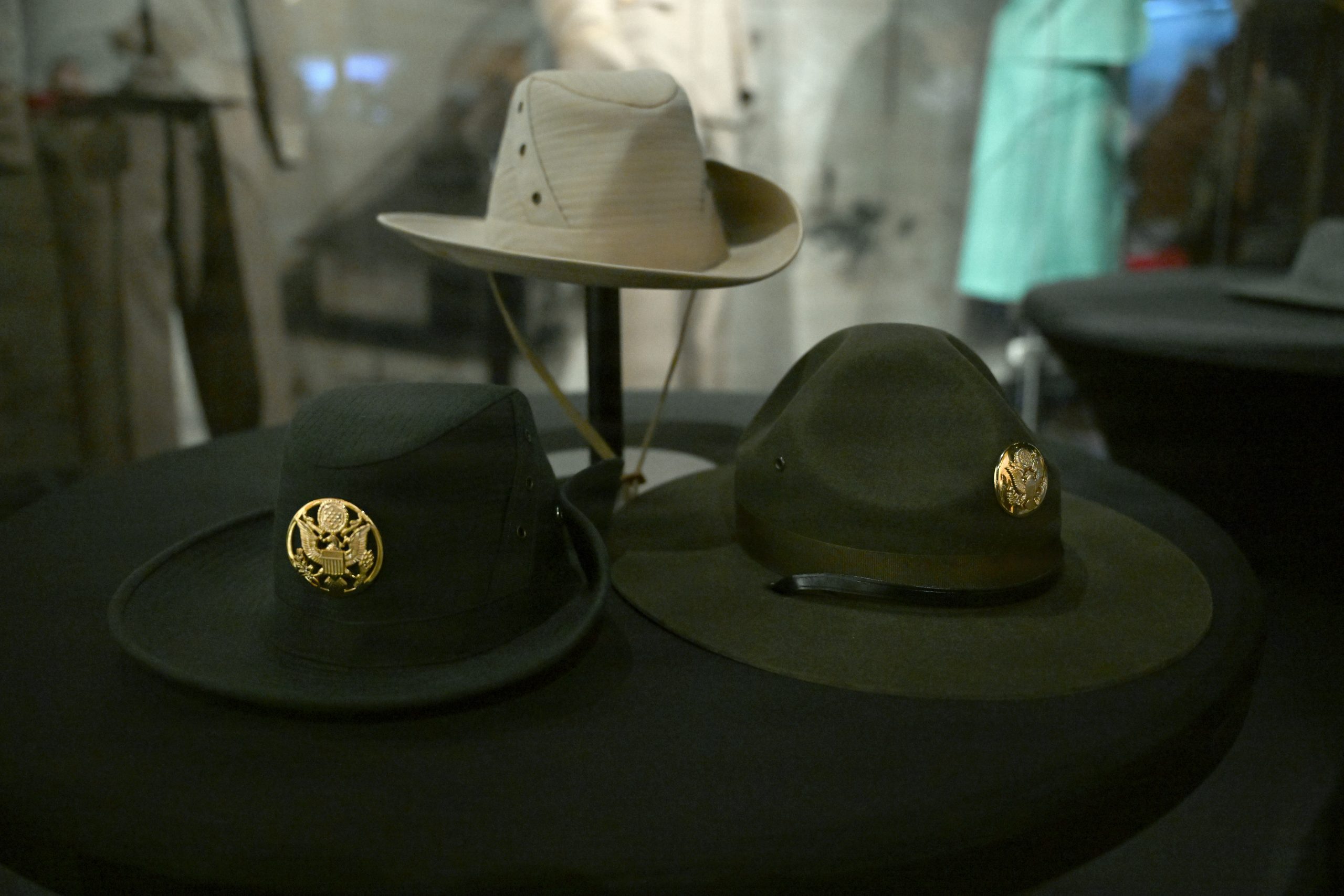
Army drill sergeant hats sit on display at the Basic Combat Training Museum. Female drill sergeants used to wear bush hats until Jan. 1, when the headgear was phased out as the Army standardized to the iconic campaign hat, or ‘brown round.’
Production Reality
Practical considerations also played a major role. Reports indicated that the Army faced difficulties with manufacturers meeting quality standards for the female bush hat.
Maintaining separate designs for male and female headgear adds complexity to production, supply chains, and logistics.
By standardizing the hat, the Army simplifies procurement and ensures consistent quality across all units. In a large organization like the military, even small efficiencies can have significant operational benefits.
Visual Imagery & Symbols
It seems it would be difficult to dismiss, minimize, or undervalue the significance of the “image” or “symbol” of the hat, as it has long been associated with the honorable and transformative process of “becoming” a soldier.
Being familiar with this image and its associated attributes informs arriving recruits of the significance, history, honor, and tradition they are joining when becoming part of the United States Army.
About the Author: Kris Osborn
Kris Osborn is the President of Warrior Maven – Center for Military Modernization. Osborn previously served at the Pentagon as a highly qualified expert in the Office of the Assistant Secretary of the Army—Acquisition, Logistics & Technology. Osborn has also worked as an anchor and on-air military specialist at national TV networks. He has appeared as a guest military expert on Fox News, MSNBC, The Military Channel, and The History Channel. He also has a Masters Degree in Comparative Literature from Columbia University.


