


Summary and Key Points: The U.S. Navy’s undersea dominance is threatened by a shrinking force structure and an overstretched industrial base. While the Virginia-class Block V remains a formidable multi-role asset—restoring strike capacity via the Virginia Payload Module (VPM)—it is a 1990s-era design. The proposed SSN(X) promises the speed, quieting, and advanced sonar necessary to penetrate 2040-era Chinese A2/AD networks.
-However, with shipyards struggling to produce even two Virginias per year alongside the priority Columbia-class SSBNs, the Navy must pursue a “long game” strategy: maximizing Virginia builds now while methodically developing SSN(X) to avoid a catastrophic capability gap.

(Sept.9, 2011) The Virginia-class submarine Pre-Commissioning Unit (PCU) California (SSN 781) gets underway from Naval Station Norfolk to conduct weapons systems acceptance trials. California is the eighth Virginia-class submarine and is scheduled to be commissioned Oct. 29. (U.S. Navy photo by Mass Communication Specialist 2nd Class William Jamieson/Released)
In 2 Words: Just Delayed?
No SSN(X) for the U.S. Navy?
The US Navy is planning SSN(X), a next-generation nuclear attack submarine meant to replace the Virginia-class beginning in the 2040s. But SSN(X) will be extremely expensive, technically ambitious, and likely delayed. Meanwhile, the Navy is already struggling to produce enough Virginia-class submarines.
So the question becomes, should the US push ahead with a clean-sheet SSN(X) or double down on more Virginias?
The Virginia remains highly capable for near-term competition, but SSN(X) may be necessary in the long term—the real issues are sequencing and industrial capacity, not whether to cancel one outright.
Why SSNs Matter
Attack submarines are arguably the most survivable US military assets.
Their mission profile includes anti-submarine warfare (ASW), intelligence, surveillance, reconnaissance (ISR), Tomahawk strike, carrier strike group (CSG) escort, and sea denial in contested areas (i.e., the Western Pacific). In some respects, SSN quantity matters as much as quality.
And today, China is rapidly expanding its PLAN submarine fleet while the US submarine force structure is shrinking in the 2020s due to the Los Angeles-class retirements.
The Virginia-class
Still extremely capable, the Virginia-class entered service in the early 2000s.
Quiet, modular, and highly adaptable, the Virginia has served admirably. Block V introduced the Virginia Payload Module (VPM), featuring four large payload tubes that restore the vertical strike capacity lost with the retirement of the Ohio-class SSGNs.
Capable of special operations support, cruise missile strikes, and advanced sonar and ISR, the Virginia-class has been an asset to the fleet, among the most capable SSNs in the world, with the VPN helping to offset the missile gap with China.
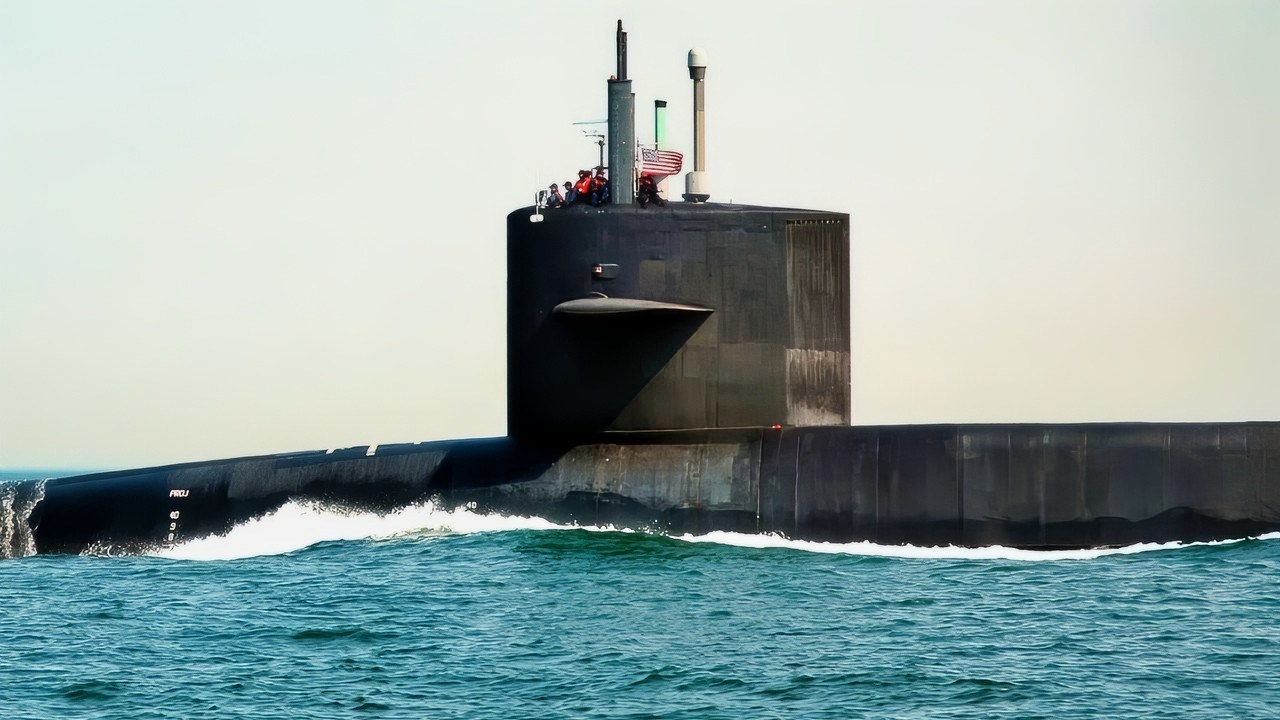
(March 31, 2006) – The guided missile submarine USS Florida (SSGN 728) conducts sea trials off the coast of Virginia. Florida will be delivered to the Fleet in April, and a Return To Service ceremony is scheduled for May 25 in Mayport, Fla. As the second of four SSBN submarines to be converted to SSGN, this nuclear-powered submarine will have the capability to: launch up to 154 Tomahawk cruise missiles; conduct sustained special warfare operations with up to 102 Special Operations Forces (SOF) personnel for short durations or 66 SOF personnel for sustained operations; and provide approximately 70 percent operational availability forward deployed in support of combatant mission requirements. U.S. Navy photo by Chief Journalist (SW/AW) Dave Fliesen.
The SSN(X) on Paper
SSN(X) is a clean-sheet design for the 2040s threat environment. The expected features include greater speed, improved quieting, increased weapon capacity, advanced sonar, and potential integration with unmanned systems.
The platform will be designed to counter improved Chinese ASW, long-range sensors, and increasingly dense A2/AD networks. But the program is going to be expensive; the per-hull cost is likely going to significantly exceed that of the Virginia. The timeline is already pushed into the late 2030s or early 2040s, and the project threatens to further strain and already strained industrial base.
The Industrial Reality
US submarine yards are already struggling to meet Virginia- and Columbia-class production schedules. The Columbia-class SSBN replacement has current priority, and the current Virginia production rate is below the target of 2 boats per year.
Adding the SSN(X) too aggressively could further slow production, increase cost per hull, and reduce overall fleet size during the transition. So industrial constraints are arguably the most important factor in weighing the transition to the SSN(X).
Build More Virginias?
Arguments for continuing the Virginia block are strong. The production line is well established; development risk is lower; it will be faster to field in numbers; mitigating the fleet shortfall will be more immediate; and the VPM already expands strike capacity.
But unknowns linger—many of which favor SSN(X) production. Namely, the Virginia was conceived in the 1990s.
By the 2040s, submarine warfare may demand greater endurance, higher speed, larger power margins, and advanced unmanned system deployment, so long-term reliance on the Virginia class risks technological stagnation.
The China Factor
US defense planning is tied closely to China, whose PLAN fleet is modernizing rapidly—with an expanding SSN fleet and improving ASW sensors. In the near future, the Western Pacific is likely to be highly contested, with undersea competition potentially decisive in territorial conflicts.
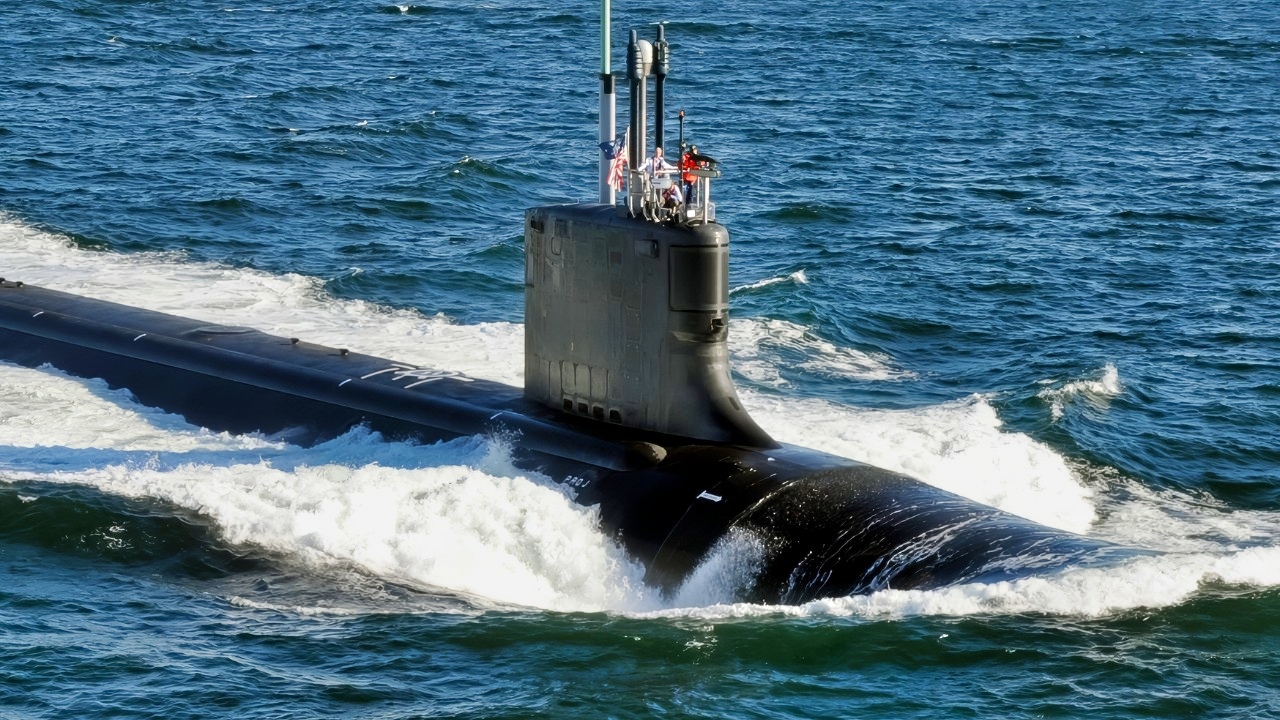
USS Missouri Virginia-Class Submarine. Image Credit: Creative Commons.
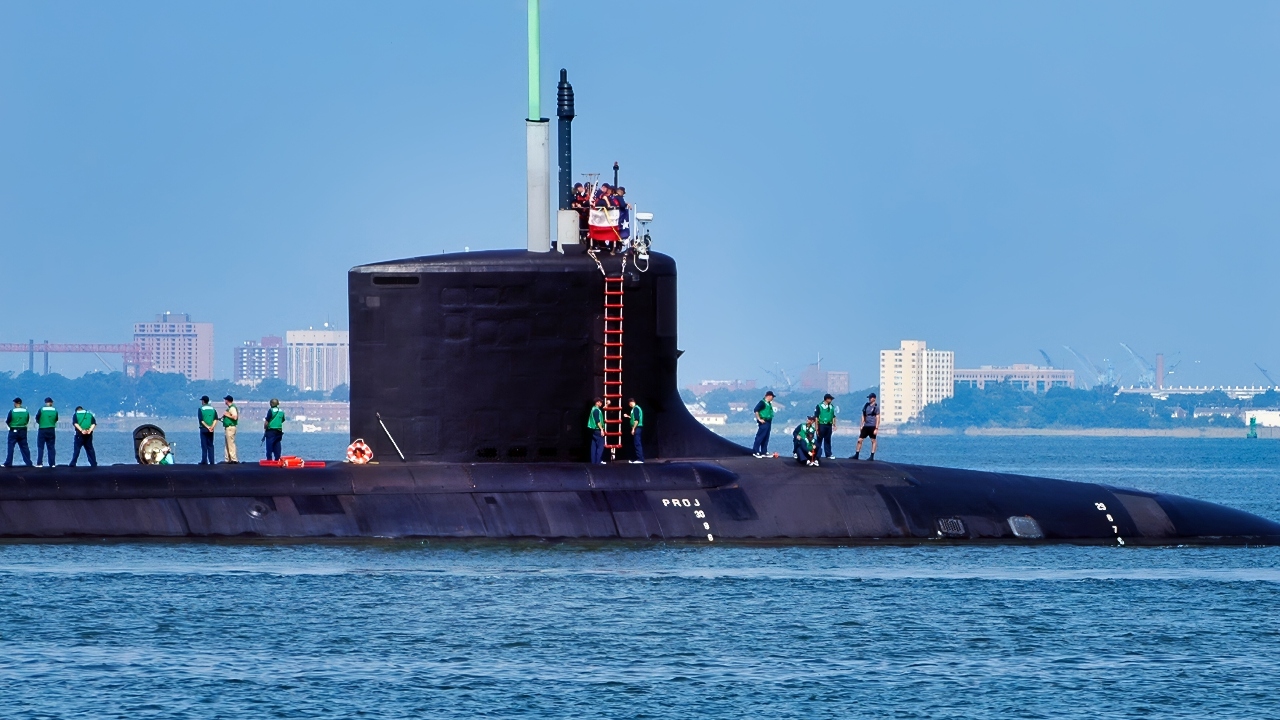
Norfolk, Va. (Aug. 22, 2006) – Sailors stationed aboard the Pre Commissioning Unit (PCU) Texas (SSN 775) stand topside as she gets underway from Naval Station Norfolk.
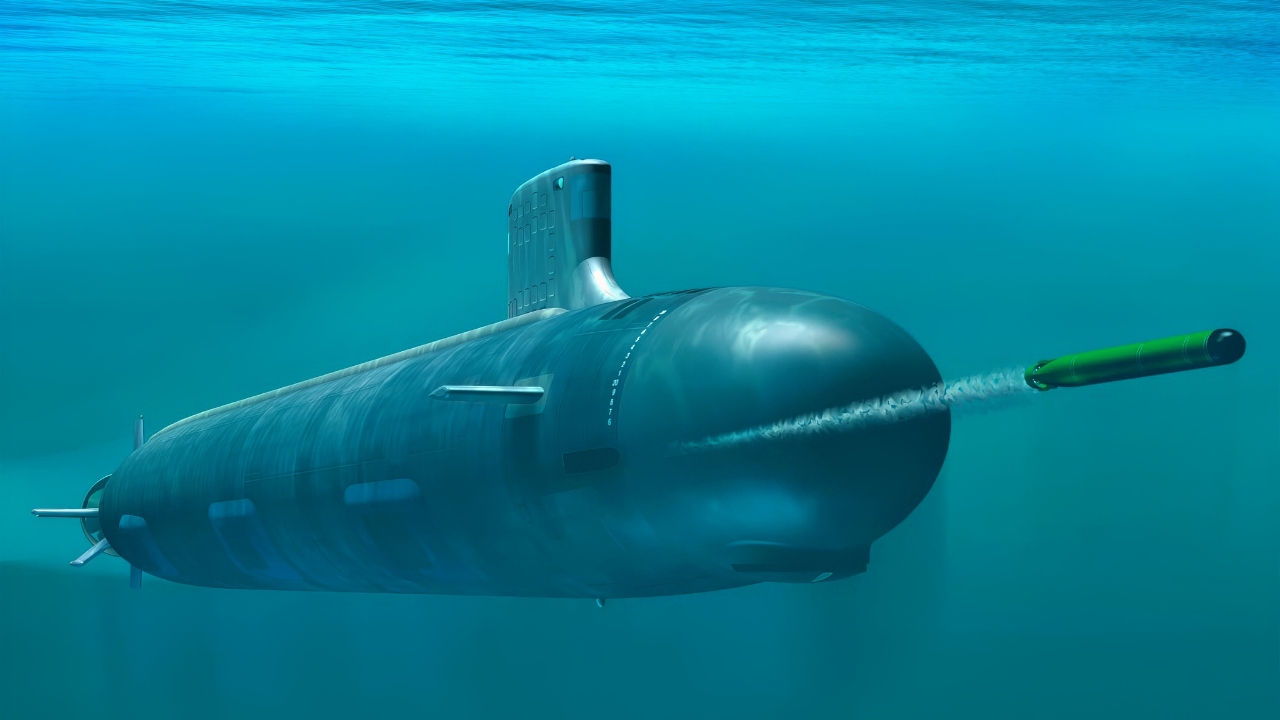
SSN 774 Virginia Class Submarine Artist Rendering from U.S. Navy.
Under such circumstances, will the incremental Virginia improvements be enough? Or will the qualitative edge erode without next-generation technology?
Long Game Strategy
Submarines are a long-game investment. Continuing to build the Block V Virginia at the max sustainable rate puts hulls in the water, which is sometimes more important than having fewer, more optimized submarines.
In the meantime, while continuing to max out Virginia production, the US can deliberately begin SSN(X) development, thereby avoiding a production cliff and preparing for the future with methodical SSN(X) development.
For now, the Virginia-class remains highly capable and strategically relevant. The VPM enhances strike capacity. So Virginia still adds fleet value and will continue to do so. The trick will be transitioning without disruption or capability loss, because eventually, the Virginia fleet will age beyond its service life, or its technological relevance.
About the Author: Harrison Kass
Harrison Kass is an attorney and journalist covering national security, technology, and politics. Previously, he was a political staffer and candidate, and a US Air Force pilot selectee. He holds a JD from the University of Oregon and a master’s in global journalism and international relations from NYU.


