
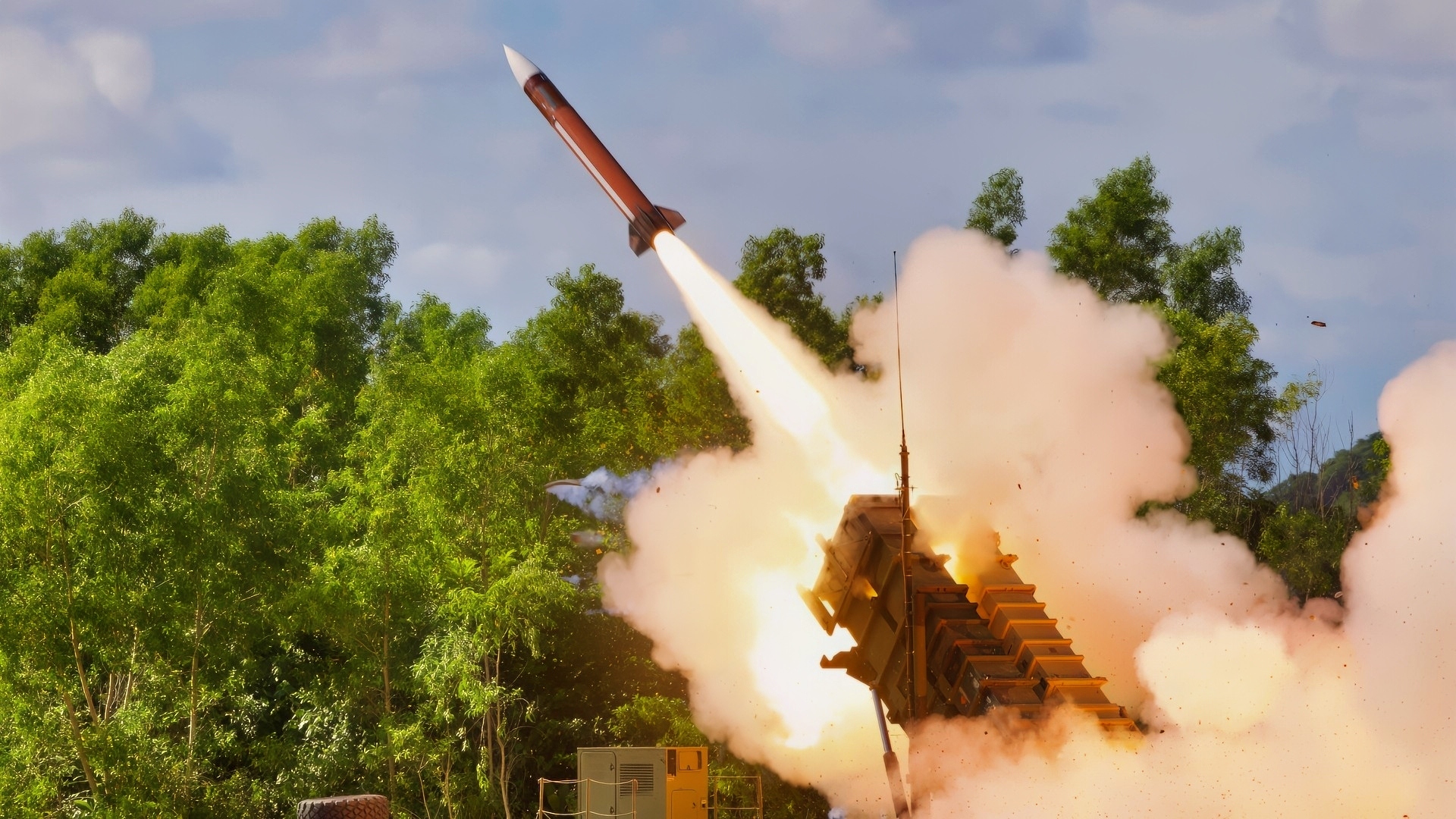
Iran Has a New Missile, And a New Doctrine – Iran is reportedly pursuing a new doctrine following the unveiling of an improved ballistic missile.
Speaking to Iranian state TV, Iran’s Supreme National Security Council chief Mohsen Rezaei said that the country’s armed forces “will take action against any threat, even before it is carried out,” demonstrating a new approach from Tehran.
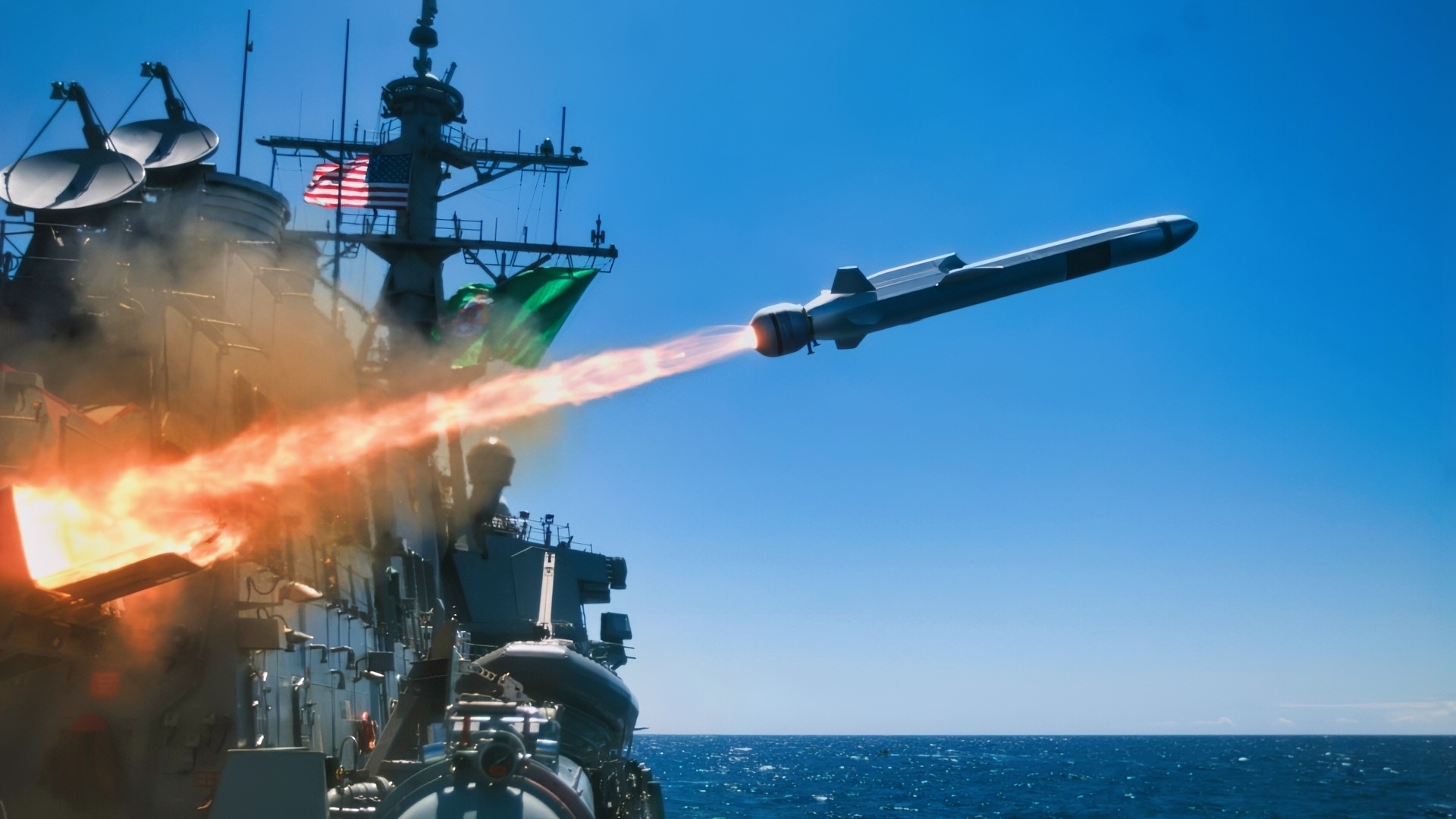
The Arleigh Burke-class guided-missile destroyer USS Fitzgerald (DDG 62), while participating in Exercise Rim of the Pacific (RIMPAC) 2024, fires the first naval strike missile from a U.S. destroyer July 18. Twenty-nine nations, 40 surface ships, three submarines, 14 national land forces, more than 150 aircraft, and 25,000 personnel are participating in RIMPAC in and around the Hawaiian Islands, June 27 to Aug. 1. The world’s largest international maritime exercise, RIMPAC provides a unique training opportunity while fostering and sustaining cooperative relationships among participants critical to ensuring the safety of sea lanes and security on the world’s oceans. RIMPAC 2024 is the 29th exercise in the series that began in 1971. (U.S. Navy photo by Mass Communication Specialist 2nd Class Jordan Jennings)
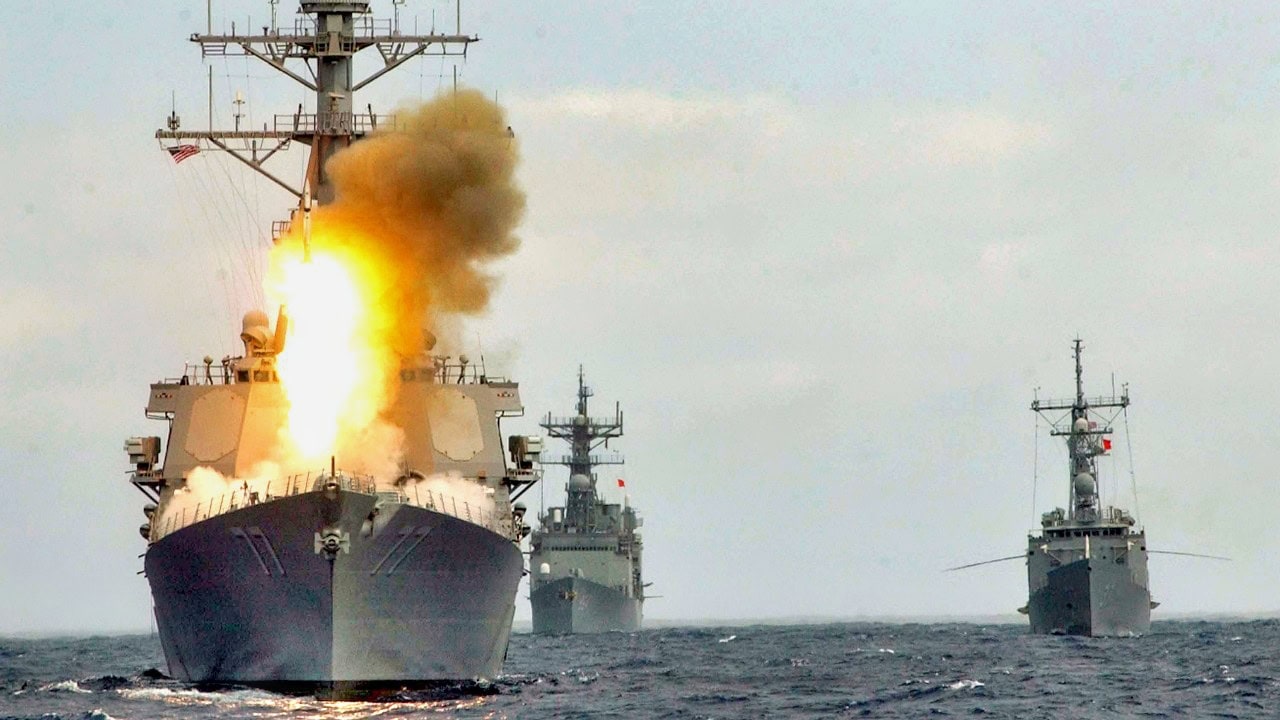
Spruance-Class Destroyer. Image Credit: U.S. Navy.
In the same report, Rezaei boasted of improvements to the Qassem Basir – a ballistic missile believed to be the strongest in Iran’s arsenal.
New and Improved
On state TV, Rezaei claimed a successful test following improvements to Iran’s Qassem Basir – a solid-fueled ballistic missile with a reported range of at least 1,200km (745 miles). First tested in 2025, the missile’s warhead weighs around half a ton and has an impact speed of Mach 5 (approximately 3,800mph).
According to Iranian media, the improved Qassem Basir has greater range and accuracy. A report said it marked “a turning point in Iran’s defense strategy” amid the ongoing conflict with the United States and Iran.
Rezaei announced the new doctrine, with Tehran vowing to “take action against any threat, even before it is carried out.” He claimed a new missile had been tested against a U.S. warship, although it was not clear as to whether the Qassem Basir was used.
A Shift in Strategy
Tehran’s new approach marks a dangerous shift in defensive strategy. Previously, the authoritarian regime has focused largely on retaliatory strikes following initial U.S.-Israeli attacks. It has also struck vessels in the Strait of Hormuz that it sees as flouting its regulations on passage.
However, judging by Rezaei’s comments, Tehran will now pre-emptively strike targets under a more aggressive doctrine. The regime may strike perceived threats well before any attack is carried out. This increases the chance of misjudgment or miscalculation, and will undoubtedly provoke a firm response from the U.S. amid heightening tensions in the Middle East. Concerns over Iran’s ballistic missiles were cited as one of the reasons behind the launch of Operation Epic Fury in February this year.
Fighting had mellowed over August, with no confirmed strike by either the U.S. or Iran for over a month. However, that changed at the end of August when the U.S. destroyed two Iranian rocket launchers on an island in the Strait of Hormuz. Since then, both sides have been engaged in retaliatory attacks, with U.S. forces narrowly avoiding an attack on warships in the Persian Gulf over the weekend.
A New Exclusion Zone
Following on from his comments about Tehran’s new missile capability, Rezaei announced plans for a new “exclusion zone” across the Persian Gulf. This will extend from the end of an ongoing U.S. Naval blockade, with the precise boundaries still to be determined. Any vessel that breaches this new area will be placed on Iran’s sanctions list.
“In recent days, Washington has received a clear warning from Iran’s new missiles,” he wrote on social media on Tuesday, 7th September. “Economic warfare will be met by a maritime exclusion zone across the Persian Gulf to the blockade perimeter. The operational posture towards U.S. warships and bases has been fundamentally recalibrated.”
The White House was dismissive of Tehran’s plans for an exclusion zone, reiterating that the Strait of Hormuz remains open and is controlled by U.S. forces. It noted that the strait was cleared of mines last month, with an ongoing blockade continuing to restrict Iranian oil exports, with almost 100 vessels redirected.
Strait Economic Warfare
The Strait of Hormuz has been Iran’s key leverage throughout the war. It’s an important shipping lane, with 20% of the world’s oil formerly passing through from the Middle East. Tehran asserts control over the strait, which is 24 miles wide at its narrowest point, while the U.S. believes it to be an international waterway.
Passage has dramatically reduced from pre-war levels. In the face of conflicting claims as to whether it is safe to pass through, commercial shipowners have been reluctant to risk their vessels and crew. With maritime traffic stranded in the Persian Gulf, oil prices worldwide have risen, raising living costs.
The war has been as economic as it has been militaristic. Washington has sought to cripple the Iranian economy through sanctions and the ongoing blockade. In turn, Tehran’s insistence that the strait is closed has had a knock-on effect on U.S. allies in the Middle East as well as the U.S. itself.
About the Author: Shay Bottomley
Shay Bottomley is a British journalist. He has written for the Western Standard, Business Insider, Maidenhead Advertiser, Slough Express, Windsor Express, Berkshire Live and Southend Echo.