
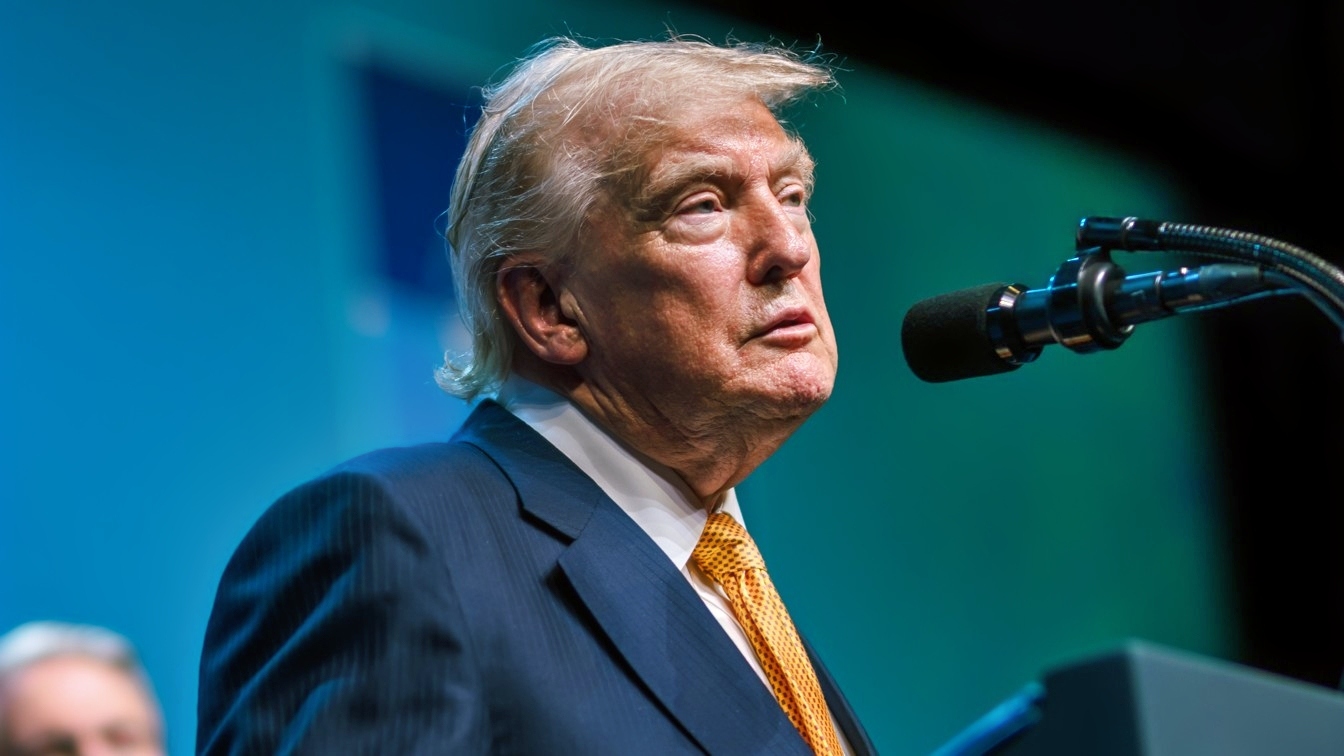
After six months of bombing failed to yield results in Iran, U.S. President Donald Trump’s new strategy is to make it as difficult as possible for Tehran to trade with the rest of the world.
But the success of that new campaign will ultimately depend on whether the White House is willing to pick another fight it probably can’t win: an economic war with China.
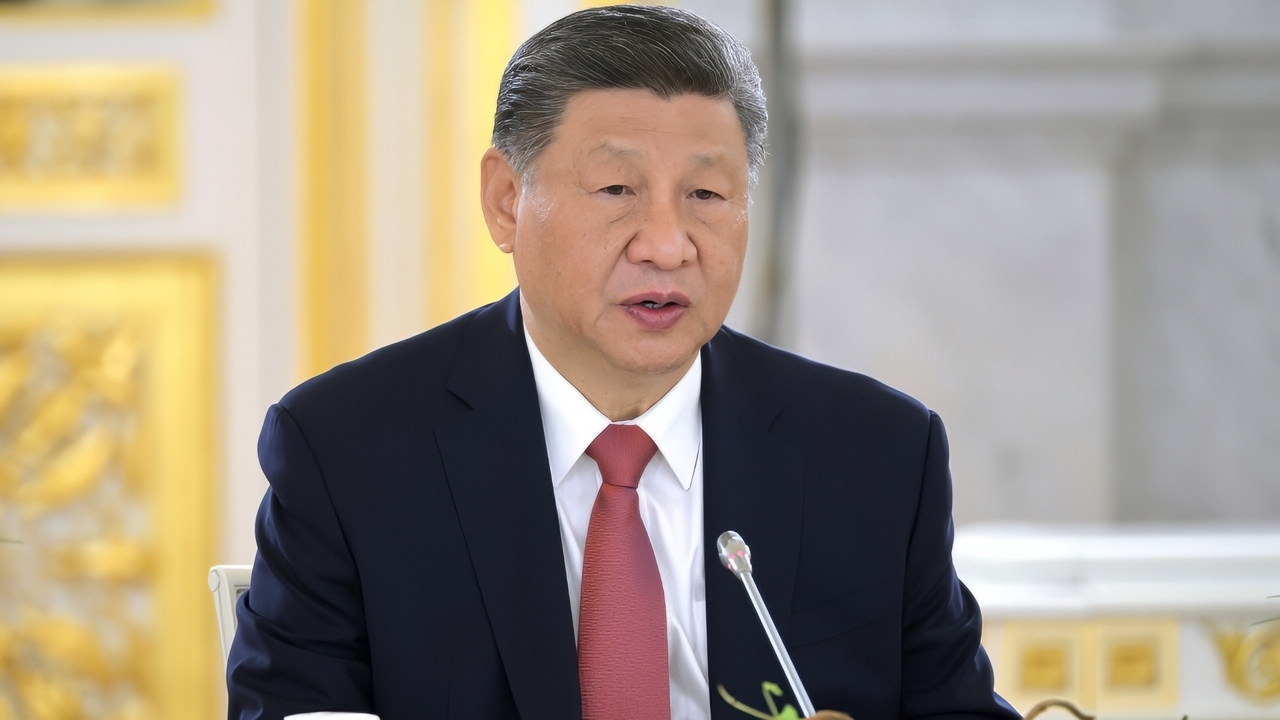
China’s Xi Jinping. Image Credit: Creative Commons.
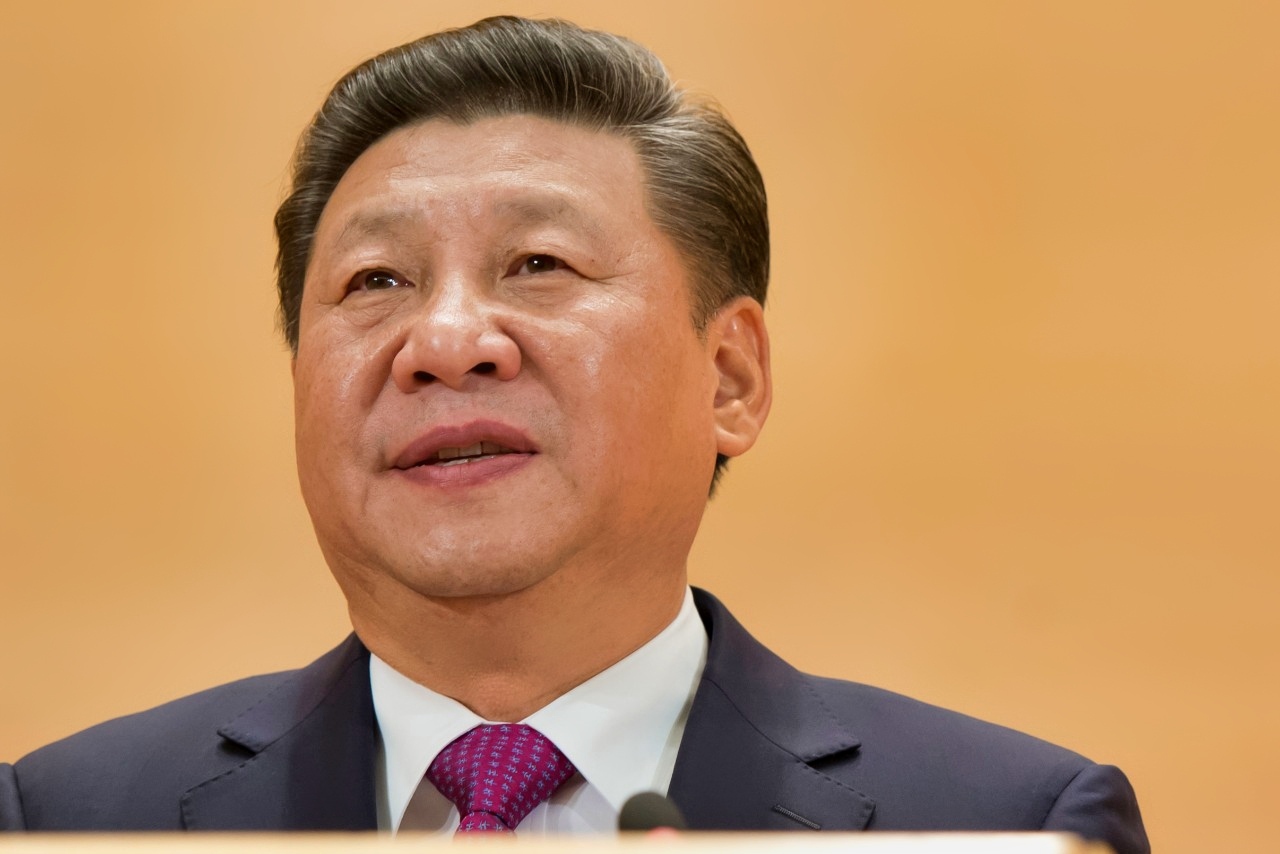
Xi Jinping President of the People’s Republic of China speak’s at a United Nations Office at Geneva. 18 january 2017. UN Photo / Jean-Marc Ferré
The Trump administration this week launched Operation Economic Outcast, dramatically expanding its economic pressure campaign against Iran and warning countries, companies, individuals, and financial institutions that they could face U.S. sanctions if they continue to do business with Tehran.
And so far, Trump has failed to scare Beijing.
China presents the biggest test of whether the threats will actually be enforced, given that Beijing is Iran’s most important oil customer and economic partner.
On August 27, President Trump doubled down on the threat even after Beijing said it would not comply, threatening Chinese banks that refuse to comply.
The president said that, should Beijing refuse to cooperate, he may soon decide just how far he is willing to go.
But it’s exactly the kind of threat the president has repeatedly made to Tehran – and one that the world knows he may not follow through on.
Trump Doesn’t Rule Out China Sanctions
Speaking to reporters on Thursday, Trump was asked whether his administration would impose sanctions on Chinese banks facilitating transactions with Iran – and he wouldn’t rule it out.
Trump suggested that Washington could already be taking measures that have not been publicly announced and told reporters he does not need to reveal actions his administration is taking or preparing to take.
His comments also came right as he confirmed that the United States is not currently negotiating with Tehran, has no plans to return to negotiations or the terms of the failed Memorandum of Understanding, and is committed to following through on his economic campaign.
The comments follow warnings by U.S. Treasury Secretary Scott Bessent on Monday when he announced the details of Operation Economic Outcast.
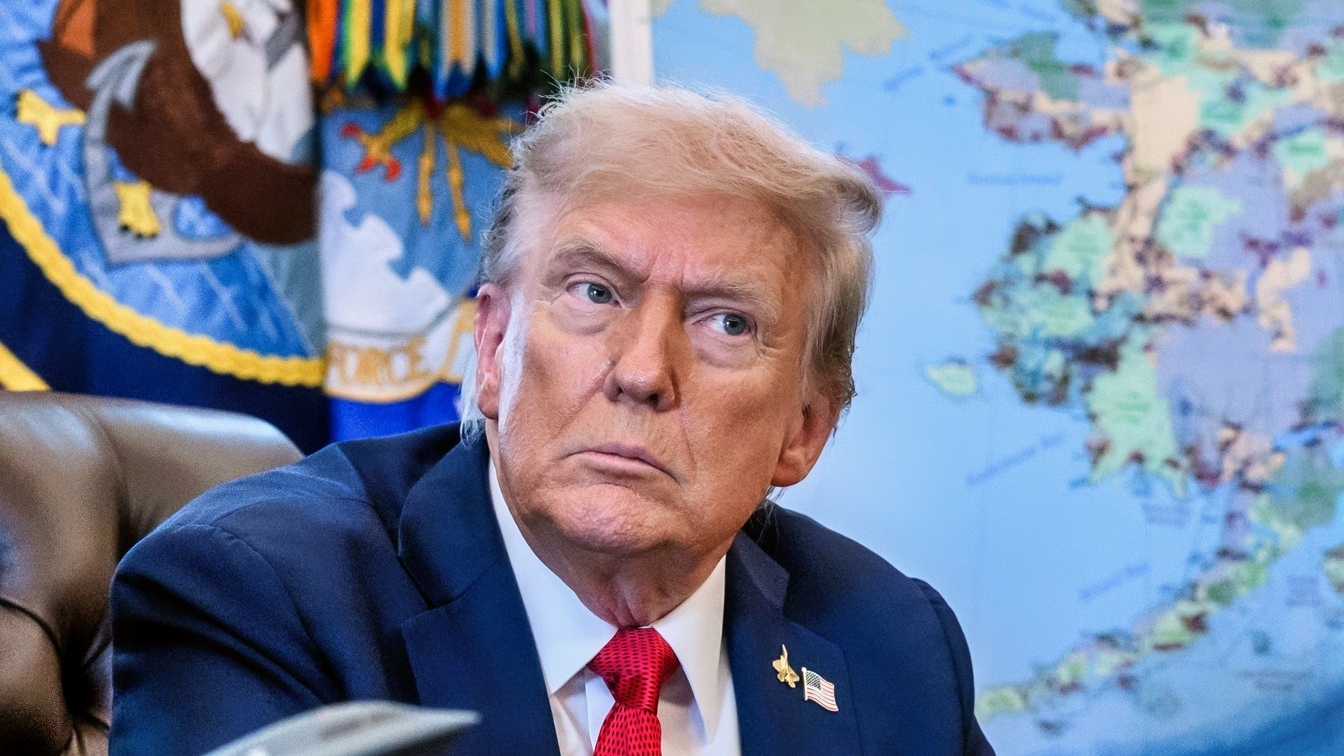
President Donald Trump, flanked by Secretary of Energy Chris Wright and Secretary of the Interior Doug Burgum, signs an Executive Order approving the Ambler Road Project in Alaska, Monday, October 6, 2025, in the Oval Office. (Official White House Photo by Joyce N. Boghosian)
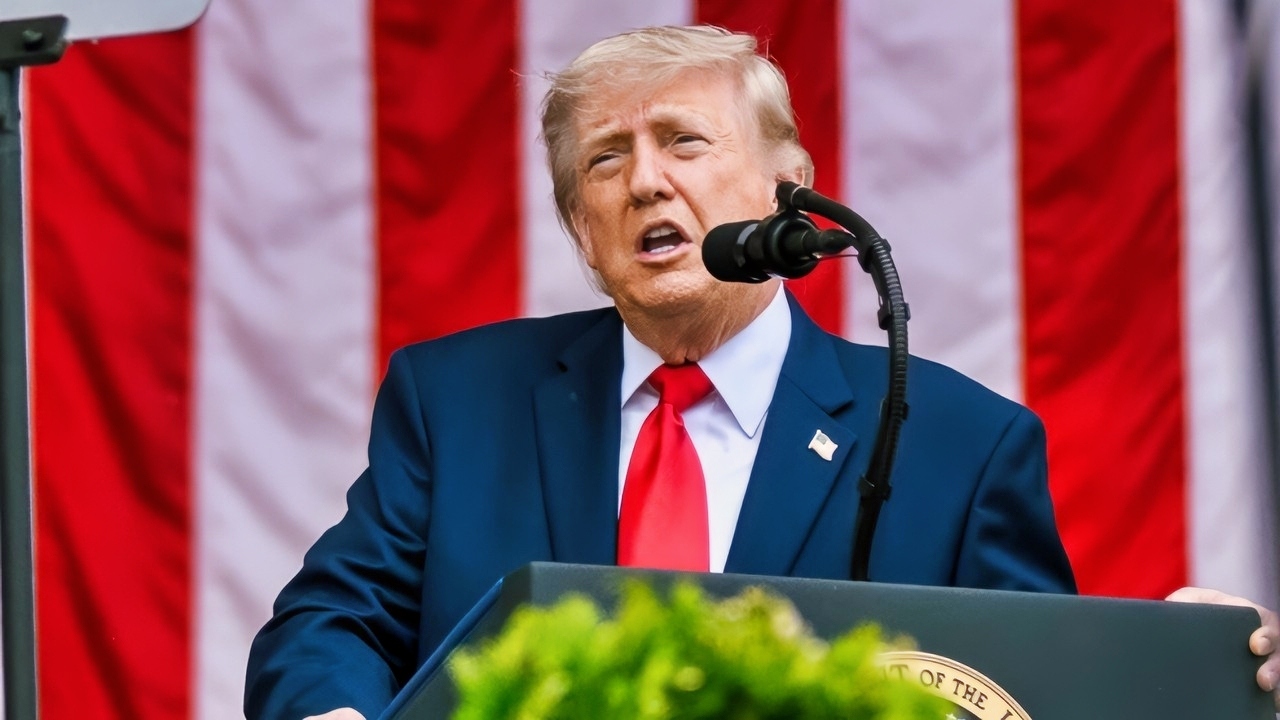
President Donald J. Trump delivers remarks during a Memorial Day ceremony at Arlington National Cemetery Amphitheater, Monday, May 25, 2026, in Arlington, Virginia. (Official White House Photo by Daniel Torok)
When asked specifically whether Chinese banks would be targeted, Bessent said that “no one is above the reach of U.S. sanctions.”
So far, the U.S. is showing that it is willing to follow through – but to a limited degree. Washington has already sanctioned smaller Chinese and Hong Kong-based entities that are accused of helping Iran sell oil and move money internationally.
But those sanctions have limited impact on the global financial system, and the big question now is whether the administration is prepared to apply the same pressure to major Chinese financial institutions interwoven with the global financial system.
China Is Iran’s Lifeline
Isolating Iran would inflict exactly the kind of pressure Trump needs to get the regime to come to the negotiating table – in theory, at least. But the problem is that Tehran’s biggest trading partner is unlikely to easily concede.
For many years, China has been the primary buyer of Iranian crude oil. Kpler data suggests that China purchased more than 80% of Iranian shipped oil in 2025, giving Beijing a significant role in keeping foreign currency flowing into the Iranian economy.
The war and the U.S. naval blockade have already significantly reduced those flows, of course, but Iran also insists that oil keeps flowing in unconfirmed ways.
The best estimates, however, suggest that Iranian oil shipments to China fell from around 1.57 million barrels per day in February to roughly 534,000 barrels per day in August.
But trade has not disappeared, with independent Chinese refiners still buying Iranian crude and traders using intermediary countries and ship-to-ship transfers to make Iranian oil harder to trade.
It means that China has substantial leverage over both Tehran and Washington.
If Beijing continues to buy, Iran retains a critical source of revenue – but if it stops, the economic pressure on Tehran would become more severe.
Trump’s Big Problem
Targeting major Chinese banks would be a significant escalation. Large institutions depend on access to the U.S. dollar and financial markets, so Washington technically has huge leverage.
But using that leverage could provoke retaliation from Beijing and further damage the strained U.S.-China economic relationship.
It would also cause damage to the global financial system in ways that would ultimately hurt the United States.
That leaves Trump with a difficult choice. Continuing to sanction smaller refiners, shipping companies, and intermediaries may disrupt Iranian trade, but Beijing has spent years developing ways to continue trading with sanctioned countries.
Recent comments from Chinese officials also suggest it is not about to abandon Tehran now.
And if the Chinese purchases continue anyway, Iran will retain that economic lifeline.
Trump’s other option is to simply go ahead, sanction those large banks, and watch the economic fallout the world knows will occur – and do so right as his party battles to maintain control of Congress.
Beijing will ultimately be the biggest test for Operation Economic Outcast, and there’s no telling just how long it will be before we get the results.
About the Author: Jack Buckby
Jack Buckby is a British researcher and analyst specializing in defense and national security, based in New York. His work focuses on military capability, procurement, and strategic competition, producing and editing analysis for policy and defense audiences. He brings extensive editorial experience, with a career output spanning over 1,000 articles at 19FortyFive and National Security Journal, and has previously authored books and papers on extremism and deradicalization.


