

Key Points and Summary – Russia’s Black Sea Fleet has taken serious hits from Ukrainian missiles and naval drones, including the loss of flagship cruiser Moskva and a string of smaller warships.
-But talk that the fleet is “gone” is fantasy.

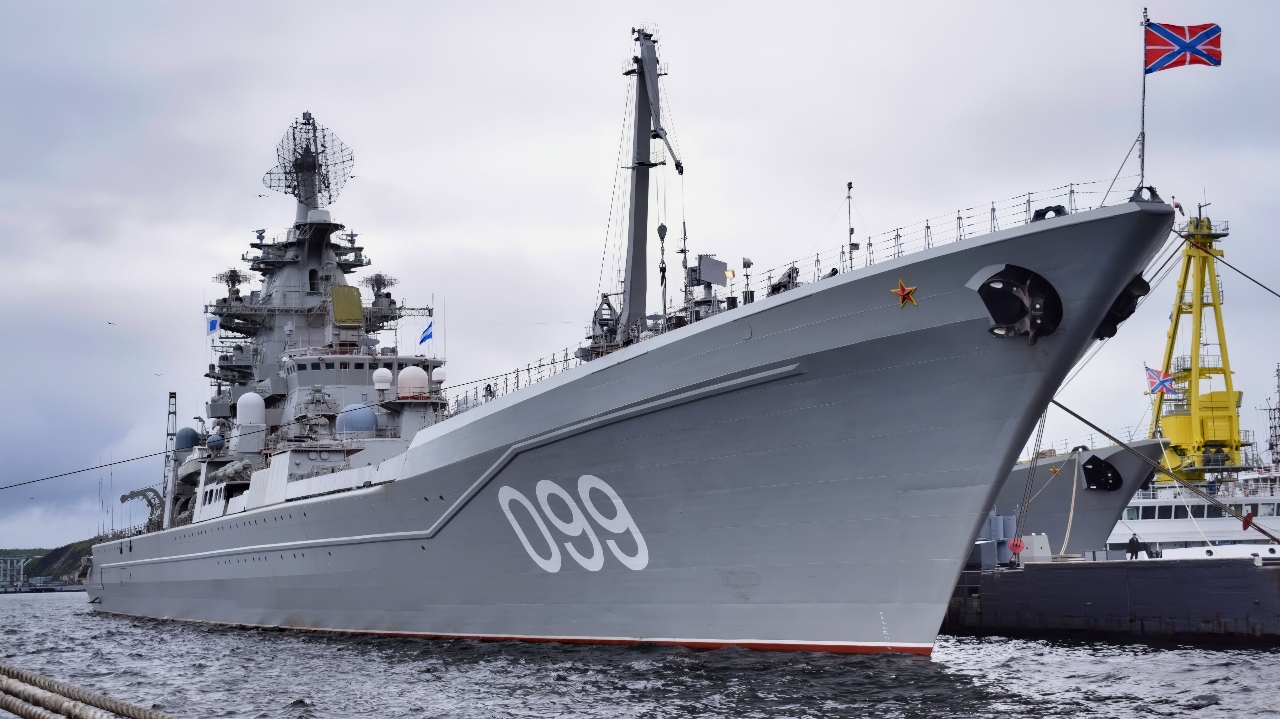
Kirov-Class Russian Navy. Image Credit: Creative Commons.
-After relocating key assets from Sevastopol and likely degrading Ukraine’s naval drone network in a 2024 strike near Odesa, Moscow still fields submarines and missile carriers that fire regular salvos into Ukraine.
-Ukraine retains options as long as it holds Odesa and coastal missiles, but Russia’s navy remains a dangerous, adapting foe—not a defeated one yet, and still central to the wider war.
Russia’s Black Sea Fleet: What Happens Now?
No military service participating in the war in Ukraine has been as soundly humiliated as Russia’s Black Sea Fleet. Despite Ukraine lacking a navy, the Black Sea Fleet seemed to suffer loss after loss as it failed to retain control.
Ukrainian sources assert that the Black Sea Fleet is practically non-existent—mostly only aircraft remain.
Unfortunately, such claims do not reflect reality. The Black Sea Fleet still operates in the area, and Ukrainian attacks against it have largely decreased since 2024.
Despite setbacks and humiliation, Russia still maintains a formidable presence in the Black Sea and continues to launch missile attacks from the region.
The Beginning of the Invasion and the Sinking of the Moskva
When the full-scale invasion first started in 2022, the Black Sea Fleet was by far the dominant power in the region.
With the Moskva as its flagship, the fleet made short work of Ukraine’s fledgling navy based in the port of Odesa.
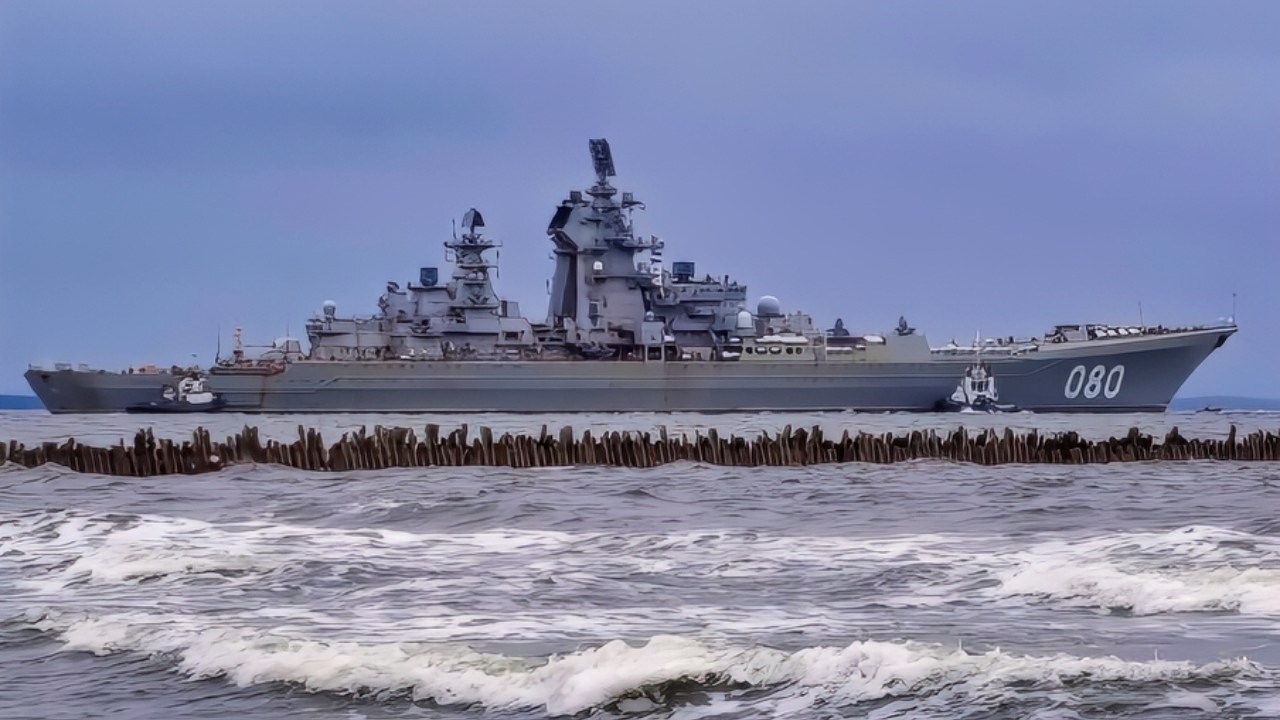
Kirov-Class Warship from Russia X Screenshot
Despite the loss of smaller patrol boats, it seemed that the Black Sea Fleet had established itself as the dominant force in the region for good. It did not take very long for this outlook to change.
Less than a month after the invasion began, the fleet suffered its greatest casualty yet.
The Moskva, an Atlant-class missile cruiser, was struck by a Neptune anti-ship missile and sunk. This loss was a taste of what was to come.
In the immediate aftermath, Russia and Ukraine traded missiles against each other, but the fleet retained a permanent presence around Crimea and continued to launch Kalibr cruise missiles at Ukraine.
Ukraine’s Black Sea Campaign
Ukrainian operations against the Black Sea Fleet heated up in 2023. Without a large conventional navy, Ukraine opted to use asymmetric tactics against Russia in Crimea to set the stage for a larger effort to retake the region.
Ukraine launched a series of combined drone and missile attacks against Russian naval assets stationed at Sevastopol. Aerial and naval unmanned systems caught the Russians off guard and managed to inflict significant damage on the fleet. Between 2022 and 2024, Ukraine claimed to have hit at least 20 Black Sea Fleet vessels. Not all of these claims were verifiable, but many vessels were indeed hit by Ukrainian attacks.
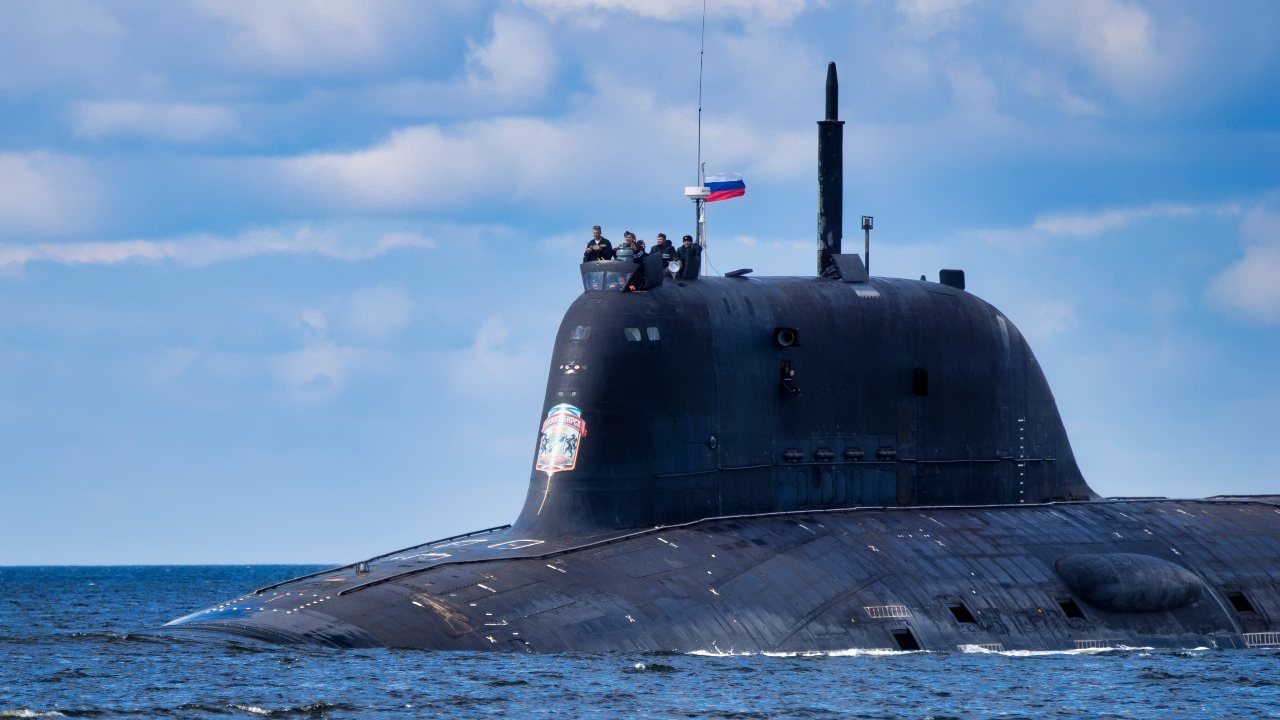
Yasen-Class Submarine Russian Navy. Image Credit: Creative Commons.
The pressure amped up so greatly that the Black Sea Fleet was forced to relocate from Sevastopol to Rostov and Novorossiysk in order to protect its more important ships. Asymmetric tactics had set it on the run.
Rather than using a conventional military unit, Ukraine likely had a significantly complex web of specialists, operators, and technicians to build and operate small unmanned naval drones to harass the Russians. This network, combined with intelligence and satellite imagery from NATO, meant Ukraine knew exactly what to hit and where to hit it. It was a complex but beautiful operation.
And Yet the Fleet Still Stands
After suffering so many losses, the Russians had to respond somehow, lest the Black Sea Fleet lose its presence in the area. What follows is speculation as to what happened based on the limited evidence I have.
Contrary to what many may think, the Russians are very good at adapting. Russia likely studied the attacks on their Navy and was able to identify some of the key individuals responsible for the attack network.
Their opportunity to shut down the network came when Ukraine made a big mistake: they held an awards ceremony. In March 2024, a ballistic missile struck a hangar where, moments before, President Volodymyr Zelensky had handed out medals to personnel involved in the Black Sea campaign.
Many news outlets listed this attack as a potential assassination attempt on Zelensky, but it was likelier an attack on the network that had harassed the Black Sea Fleet so hard for years. The Russians for their part claimed to strike a facility where preparations were underway for an attack using unmanned boats.
What is the proof of this?
Immediately after this missile strike, attacks against the Black Sea Fleet decreased significantly in volume and success. Despite a couple of hits here and there, Ukrainian drone activity in the Black Sea has decreased substantially.
This is not to say that Ukraine is now powerless in the Black Sea—far from it. As long as Ukraine has medium-range missiles and controls Odesa, it will always remain a threat to the Russian Navy. However, it is a bit telling that no large-scale attacks against the Black Sea Fleet have been reported for some time now.
A Fleet Hurting, But Not Wiped Out
Currently, the Black Sea Fleet maintains a small fleet at Sevastopol, with its largest and most important units stationed elsewhere in the Black Sea.
Despite exhilarating reports of 20 percent of the Black Sea Fleet being sunk, most of the casualties are smaller patrol boats, amphibious assault ships, and tugboats, none of which have contributed much to Russia’s naval campaign.
The majority of Russia’s missile carriers and submarines are still active and still participate in missile attacks on Ukraine.
While many journalists and pro-Ukrainian commentators have already written off the Black Sea Fleet, Russia maintains a strong presence in the area, and that is unlikely to change in the near future.
About the Author: Isaac Seitz
Isaac Seitz, a Defense Columnist, graduated from Patrick Henry College’s Strategic Intelligence and National Security program. He has also studied Russian at Middlebury Language Schools and has worked as an intelligence Analyst in the private sector.


Swamplaw Yankee
December 5, 2025 at 12:29 pm
“Pro-Ukrainian commentators” seem over whelmed by “ANTI-Ukraine” op-ed writers.
Where is the objective site that supplies data on Black – Azov Sea activity from the 2 entities? Drone data included? WHAT is “substantial” change? Hmmm.