

Key Points and Summary – At dawn in Moscow, Russia, a car bomb killed Lt. Gen. Fanil Sarvarov, head of the Russian General Staff’s operational training, in the latest high-profile blast near the capital.
-Investigators are probing suspected Ukrainian involvement, echoing earlier attacks that killed generals Igor Kirillov and Yaroslav Moskalik.

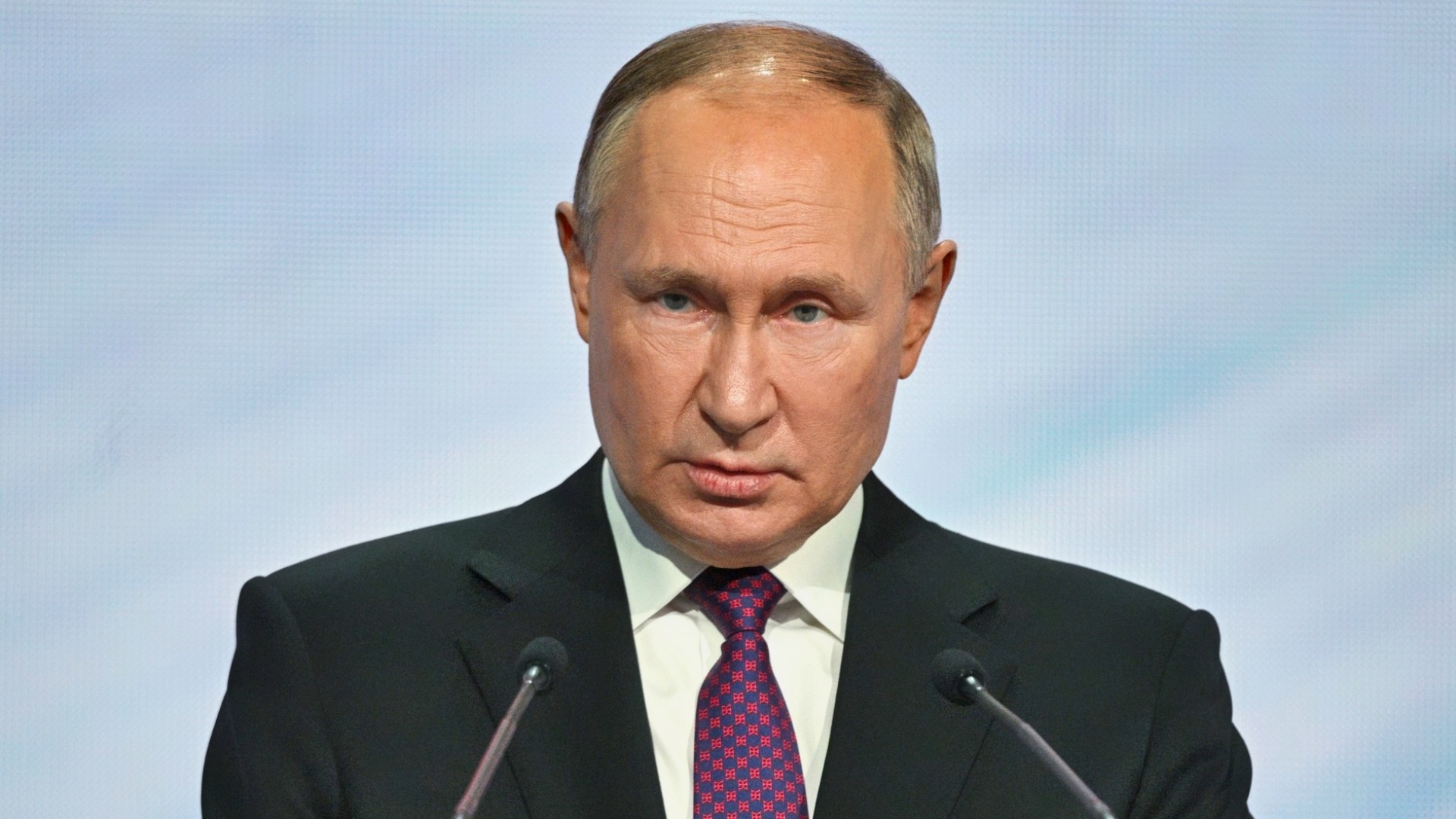
Putin in 2019. Image Credit: Creative Commons.
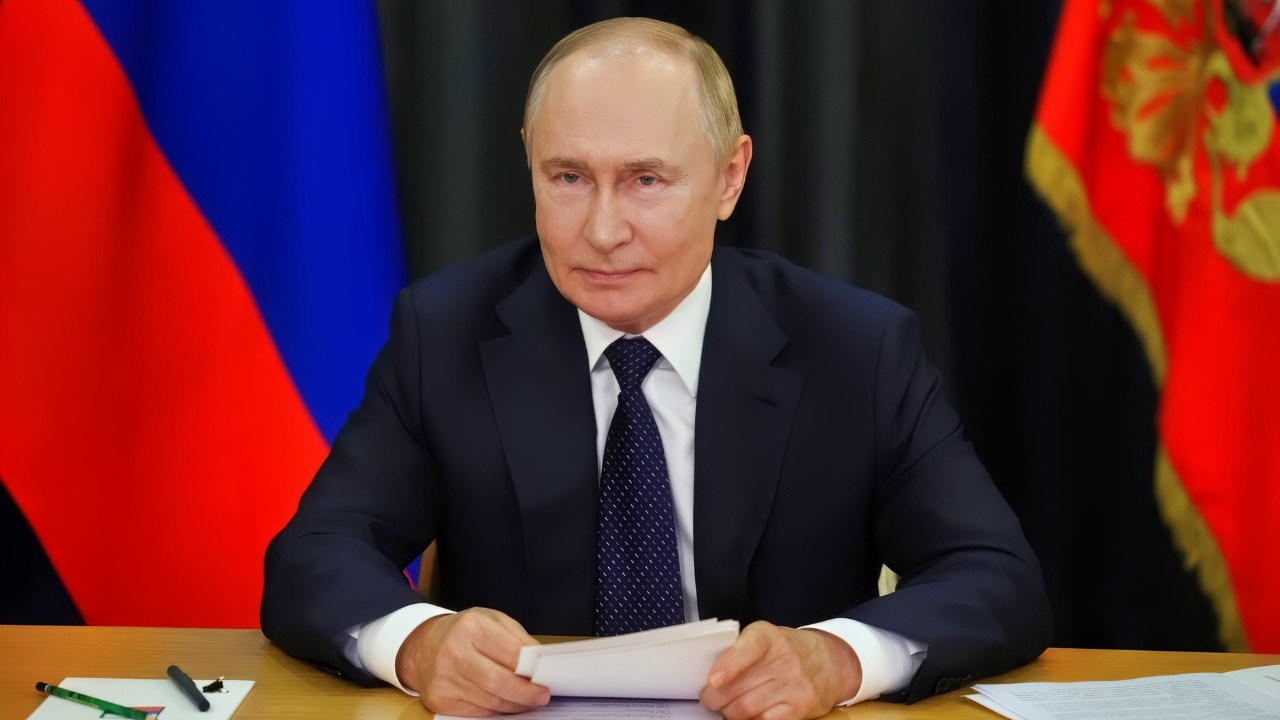
Putin in August 2025. Image Credit: Creative Commons.
-The strike comes as U.S.-mediated talks try to bring Russia and Ukraine to the table, giving hardliners ammunition to brand Kyiv “terrorist” and argue against negotiations.
-For Ukraine, such covert attacks are leverage; for Moscow, they are a reminder that the war is no longer confined to the front.
Top Russian Officer Killed in Car Blast
At dawn on Monday, a bomb planted under a car on Yaseneva Street in southern Moscow tore through a residential area and killed Lieutenant General Fanil Sarvarov, one of the Russian General Staff’s senior officers.
Russia’s Investigative Committee said Sarvarov, who led the General Staff’s operational training directorate, died after the blast and that investigators were examining multiple scenarios, including the possibility the attack was organised by Ukrainian intelligence services.
The committee opened a criminal case and published video from the scene showing a mangled white vehicle and investigators moving through the cordoned-off area.
Kremlin spokesman Dmitry Peskov said President Vladimir Putin was informed “immediately,” underlining how sensitive these attacks have become for the Russian leadership.
As per its usual approach to such attacks, Ukraine has not publicly claimed responsibility. Still, the method and the target fit a pattern that has been building for more than a year: high-ranking officers being picked off in or around the capital, with Moscow blaming Kyiv and Kyiv sometimes hinting that “justice” is being served.
Sarvarov is at least the third senior Russian military figure killed in a bombing since late 2024. In December last year, Lieutenant General Igor Kirillov was killed by an explosive device concealed on an electric scooter outside his building.

Putin Speaking in 2025. Image Credit: Creative Commons.
Kirillov had headed up Russia’s nuclear, biological, and chemical protection forces — Russian investigators said Ukraine’s security service was behind that attack and later reported the arrest of a suspect.
In April, another general, Yaroslav Moskalik, was killed by a device placed in a car near Moscow, with a suspect quickly detained.
What makes Monday’s killing especially combustible is the timing. It lands in the middle of U.S.-brokered efforts to get Russia and Ukraine to the same table, and it hands hardliners an argument that talks are pointless while bombs are going off in the capital.
Analyst Domitilla Sagramoso told Al Jazeera, a media outlet funded by the Qatari State, that there was no immediate sign the attack would derail negotiations, but cautioned Moscow could use it to justify a pause by portraying Ukraine as “terrorists.”
From Kyiv’s perspective, targeted strikes on commanders are a grimly logical form of leverage.
Ukraine remains stunned by Russia and continues to attempt to shift the balance in its favor via technology, such as targeting energy infrastructure, rumored operations against senior Russian figures, and long-range drone attacks.
Still, these tactics can work both ways, and any high-profile actions against Moscow by Kyiv risk a significant response in kind.
About the Author: Georgia Gilholy
Georgia Gilholy is a journalist based in the United Kingdom who has been published in Newsweek, The Times of Israel, and the Spectator. Gilholy writes about international politics, culture, and education. You can follow her on X: @llggeorgia.


CharlieSeattle
January 28, 2026 at 10:11 pm
Ya Putin, just like you had ‘little green men’ in Ukraine before the invasion raising hell, there were Ukrainian Special Forces in Russia.
Don’t take a piss of your back porch anymore. Snipers have trained hard to be able shoot off your 3 inch dyck.