

More than 300 years after the 150-foot-long Spanish galleon San José came to a grisly end off the coast of Colombia, the world’s most coveted shipwreck is again at the center of a bitter struggle over who has a right to its untapped wealth.
The Backstory
The San José sank near Colombia’s port city of Cartagena back on June 8, 1708, while carrying one of the richest cargoes ever assembled in the Americas. Often described as the “Holy Grail of shipwrecks,” the vessel is believed to have gone down with gold, silver, emeralds, Chinese porcelain, and other valuables. Estimates of the shipwreck’s value vary wildly between $7 billion and $18 billion.
Colombia announced in November that it had recovered the first artifacts from the wreck, including a cannon, three coins, and a porcelain cup.
The Guardian reported that the items would undergo conservation treatment, while Euronews noted that Colombian officials described the mission as scientific rather than commercial.
The galleon was the flagship of Spain’s Tierra Firme fleet, part of a system that moved European goods to the Americas and returned with gold, silver, emeralds, dyes, and royal taxes.
The extraordinary cargo of San José likely reflected the disruption caused by the War of the Spanish Succession.
The treasure fleet had not sailed for several years, allowing royal revenues and private wealth to accumulate before the convoy finally departed.
Ship Carried Vast Colonial Wealth
Much of that wealth originated in the mining districts of what are now the independent nations of Peru and Bolivia.
Silver flowed from Potosí, the Andean city dominated by Cerro Rico, while gold came from regions including Puno and Huamanga.
Those riches were transported to Lima, where bullion was struck into coins at the Spanish Royal Mint, before being moved onward through Panama and Cartagena.
Indigenous groups from Bolivia, such as the Qhara Qhara, Caranga, Chicha, and Killaka, have argued that this history gives them a moral claim to the cargo, since much of the wealth was produced through largely coercive labor known as “mit’a”.
The labor system began under the Inca Empire and expanded under Spanish imperialism.
The San José, however, did not make it back to the imperial metropole.
Off Cartagena, the Spanish convoy was intercepted by a British squadron led by Commodore Charles Wager.
The key Spanish ships included the San José, the San Joaquín, and the Santa Cruz. Britain’s force included HMS Expedition, HMS Kingston, HMS Portland, and HMS Vulture.
During the so-called Wager’s Action battle, referred to as the Battle of Barú in the Hispanophone world, the ship’s powder magazine exploded.
The San José consequently sank over the course of a few minutes, causing around 600 fatalities. Only 11 people survived.
Ownership Remains Contested
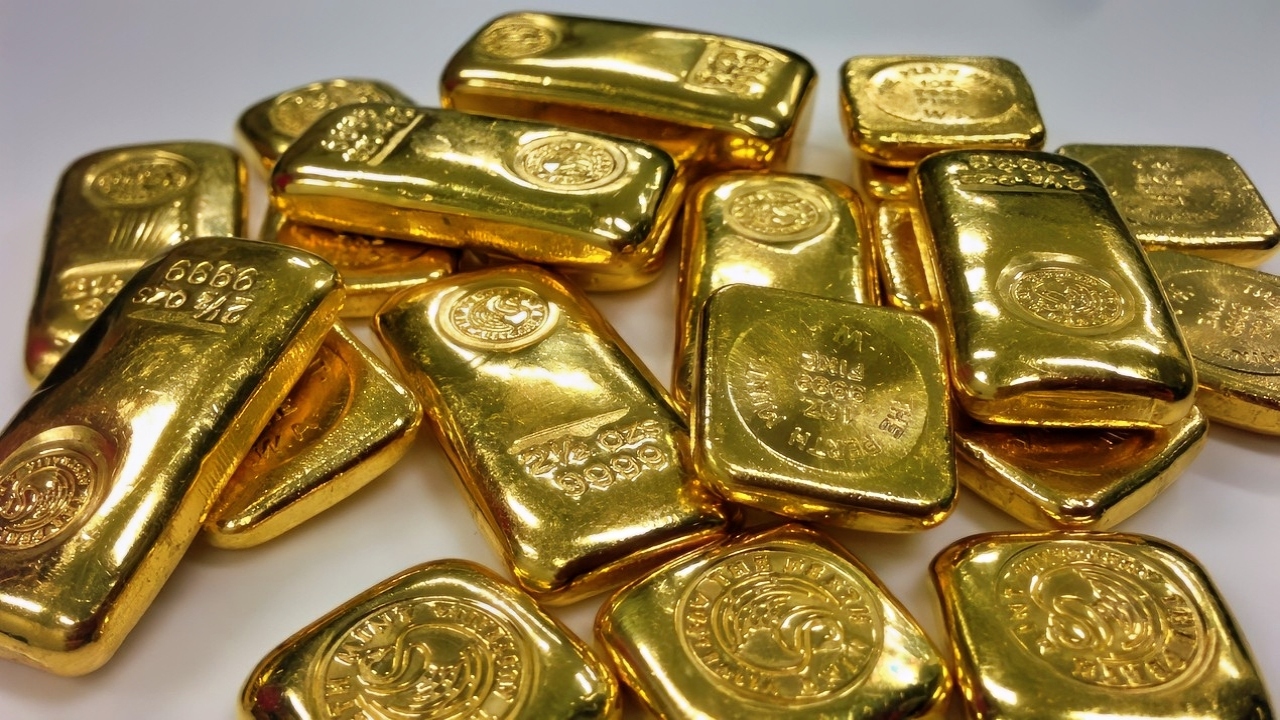
The value of the wreck remains unclear, with The Times of London reporting that the U.S. salvage company claiming to have first located the wreck, Sea Search-Armada, claims the cargo includes some 300,000 gold coins, 1.7 million silver reales, 54,000 ounces of gold bullion, 30,000 emeralds, 64 bronze cannons, and thousands of Chinese porcelain fragments.
The firm argues that it is entitled to half the wreck’s value. Colombia rejects this claim, arguing that the vessel was discovered by its navy in 2015 at another, secret location.
Spain has also invoked sovereign immunity, given that the San José was a Spanish state warship. Colombia, meanwhile, maintains that the wreck forms part of its cultural heritage. In 2020, the Colombian government declared the ship’s contents “assets of cultural interest,” meaning they cannot simply be sold or removed from the country. The global row has ensured that most of the shipwreck remains untouched on the seafloor.
Fresh archaeological work has also strengthened the case that the wreck is indeed the San José.
A 2025 paper in Antiquity used photographs from remotely operated vehicles to study coins still lying almost 2,000 feet below the surface.
The coins, known as macuquinas in Spanish and cobs in English, were irregularly shaped and hand-struck.
They include depictions of the Pillars of Hercules above waves, heraldic symbols of Castile and León, and evidence that they were minted in Lima in 1707.
Such coins were the primary means by which the Spanish Empire transported large amounts of wealth over long distances during this period.
About the Author: Georgia Gilholy
Georgia Gilholy is a journalist based in the United Kingdom who has been published in Newsweek, The Times of Israel, and The Spectator. Gilholy writes about international politics, culture, and education. You can follow her on X: @llggeorgia.


