

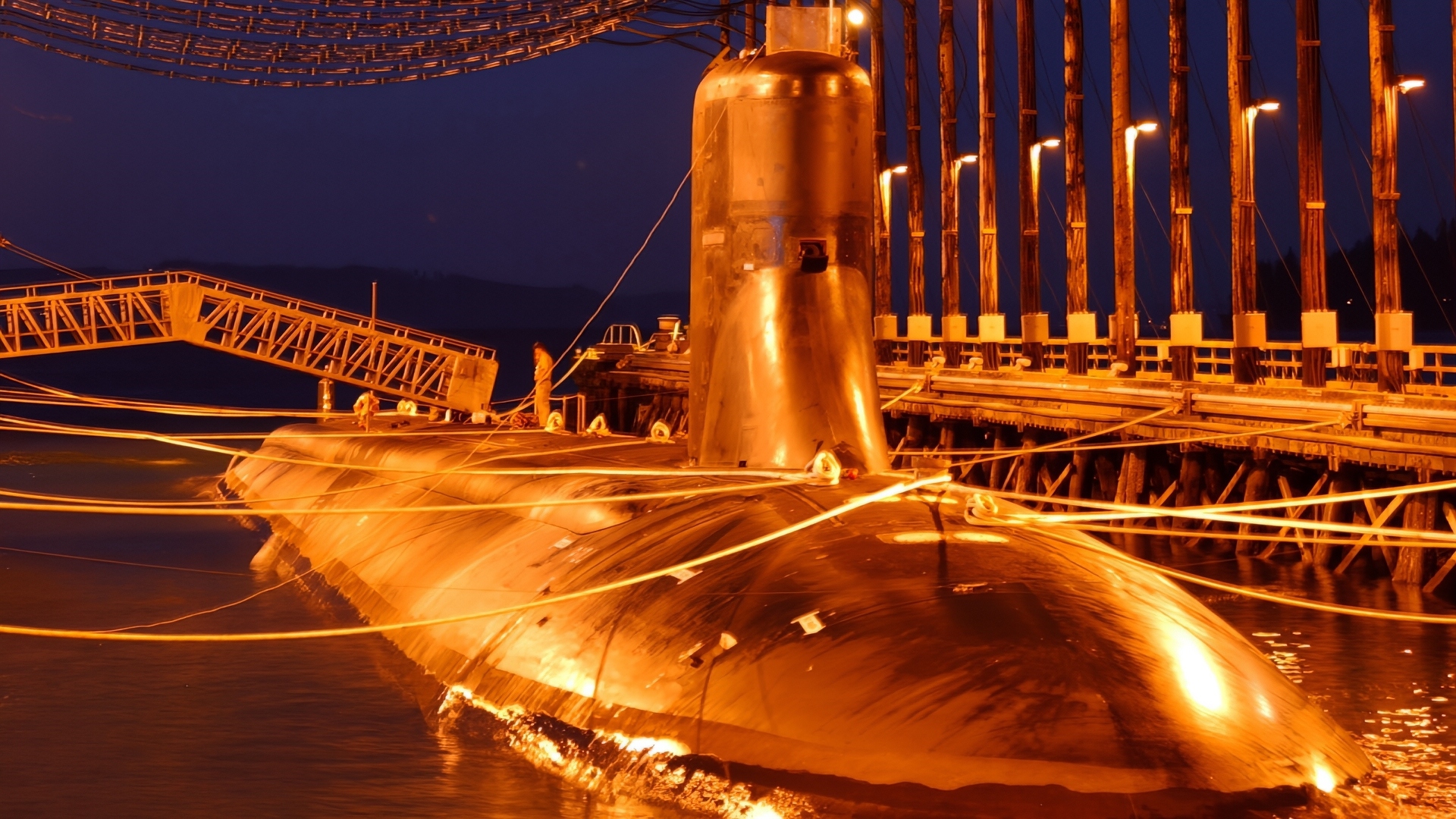
Nearly 40 percent of the U.S. Navy’s 49 attack submarines are sitting in port awaiting repairs, the result of dry-dock shortages, workforce gaps, and a supply chain that cannot keep pace. The Navy just canceled the overhaul of the Los Angeles-class USS Boise after spending $800 million to finish less than 25 percent of the work. The $3 billion Seawolf-class USS Connecticut, which struck an uncharted seamount in the South China Sea in October 2021, remains in dry dock at Puget Sound Naval Shipyard. The U.S. has 49 attack submarines today, down from 62 in 2005.
The U.S. Navy’s Attack Submarines Have a New Enemy: Being Stuck in ‘Port’
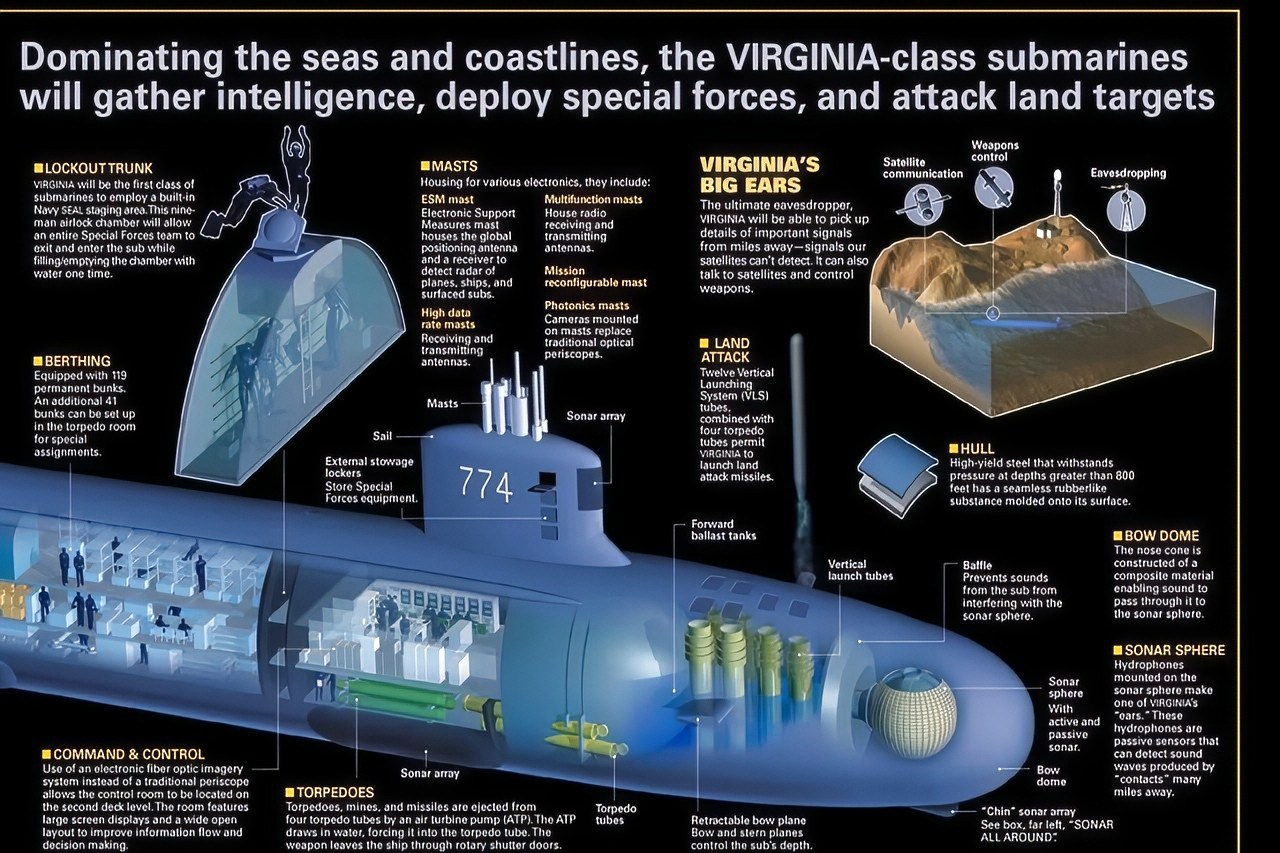
Virginia-Class Submarine Cut Out. Image Credit: Creative Commons.
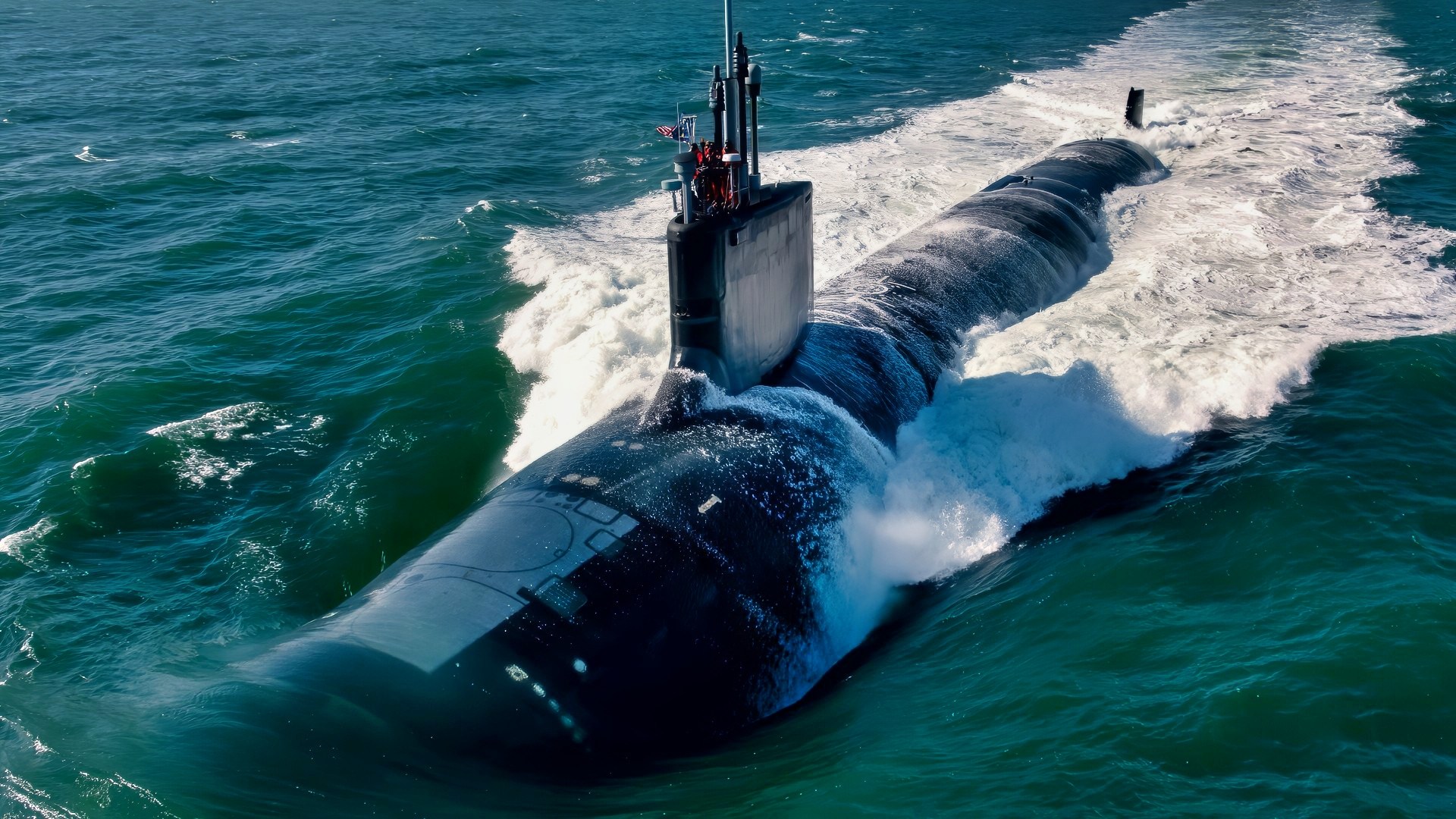
ATLANTIC OCEAN (Feb. 1, 2022) The future Virginia-class attack submarine Montana (SSN 794) conducts initial sea trials Feb. 1, 2022 in the Atlantic Ocean. Montana is the 10th Virginia-class submarine. (U.S. Navy photo courtesy of HII by Ashley Cowan) Montana SSN 794 Alpha Sea Trials
The U.S. Navy’s submarine repair backlog is a severe, multi-billion-dollar crisis. Nearly 40 percent of all attack submarines are out of commission due to limited dry-dock space, workforce shortages, and supply-chain bottlenecks.
This maintenance logjam affects all of the Navy’s warships and forces, forcing them to deploy longer and accelerating wear, deepening future maintenance delays.
The Virginia-class submarines’ maintenance and production face severe backlogs, with attack submarines spending thousands of extra days (20-to-40 percent longer) idle in repair.
The fleet suffers from a roughly 30-month delay on new deliveries, while heavy depot-level overhauls lag due to chronic workforce shortages and overwhelmed public shipyards
The Navy’s Attack Submarines Are Sitting In Dry Dock
At any given time, at least 18 of the Navy’s 49 attack submarines are in port awaiting repairs and maintenance.
The Navy has commissioned 24 Virginia-class fast-attack submarines as of mid-2026. While 24 are in active service, more than 40 have been funded, and several additional boats are currently in various stages of construction and testing.
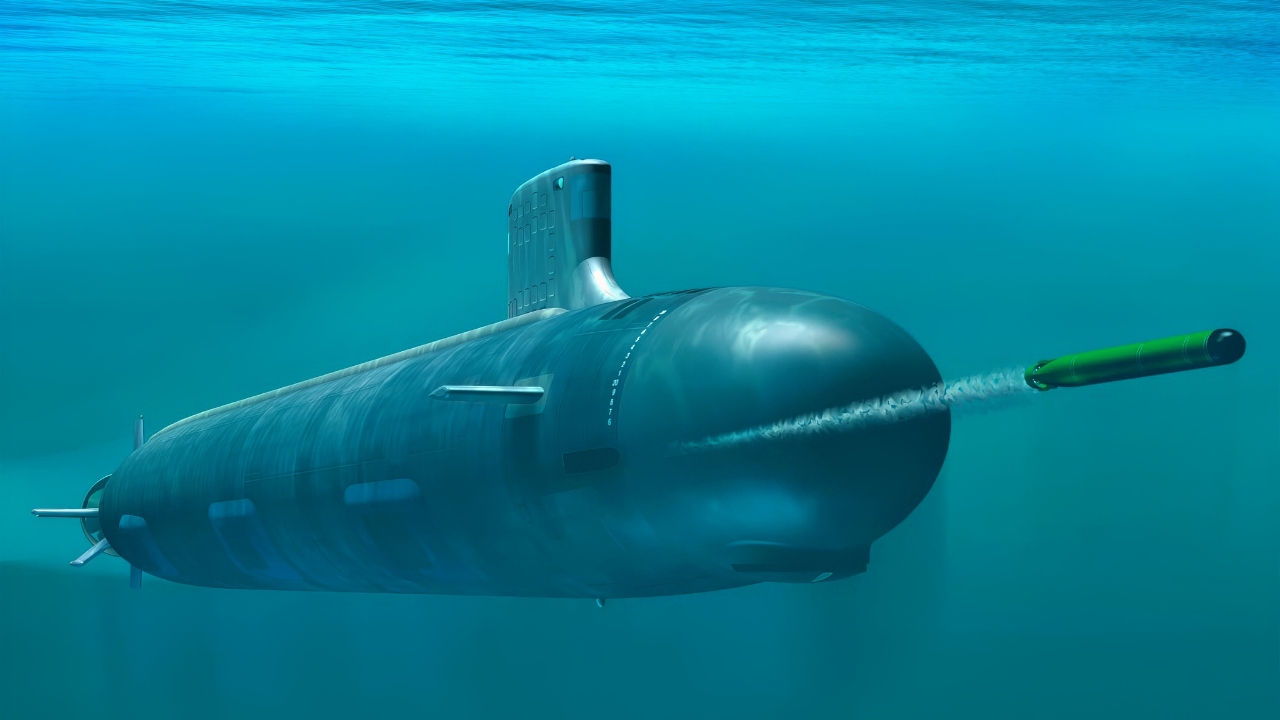
SSN 774 Virginia Class Submarine Artist Rendering from U.S. Navy.
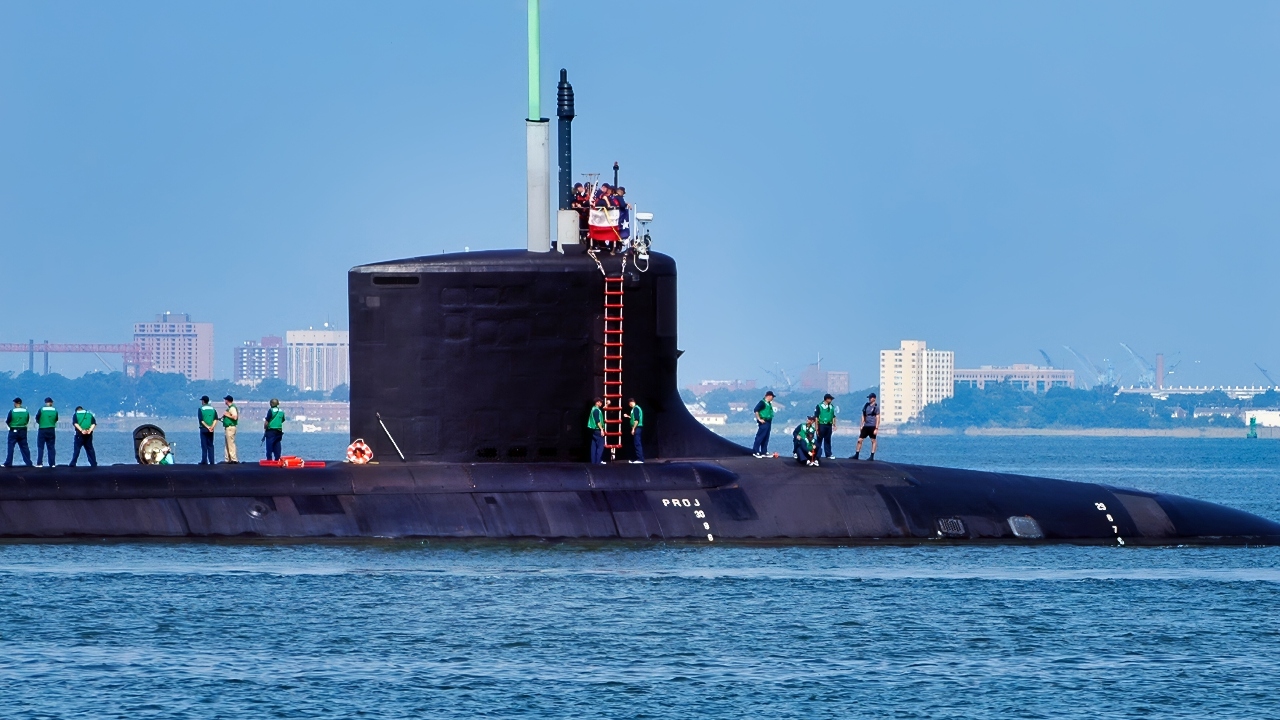
Norfolk, Va. (Aug. 22, 2006) – Sailors stationed aboard the Pre Commissioning Unit (PCU) Texas (SSN 775) stand topside as she gets underway from Naval Station Norfolk.
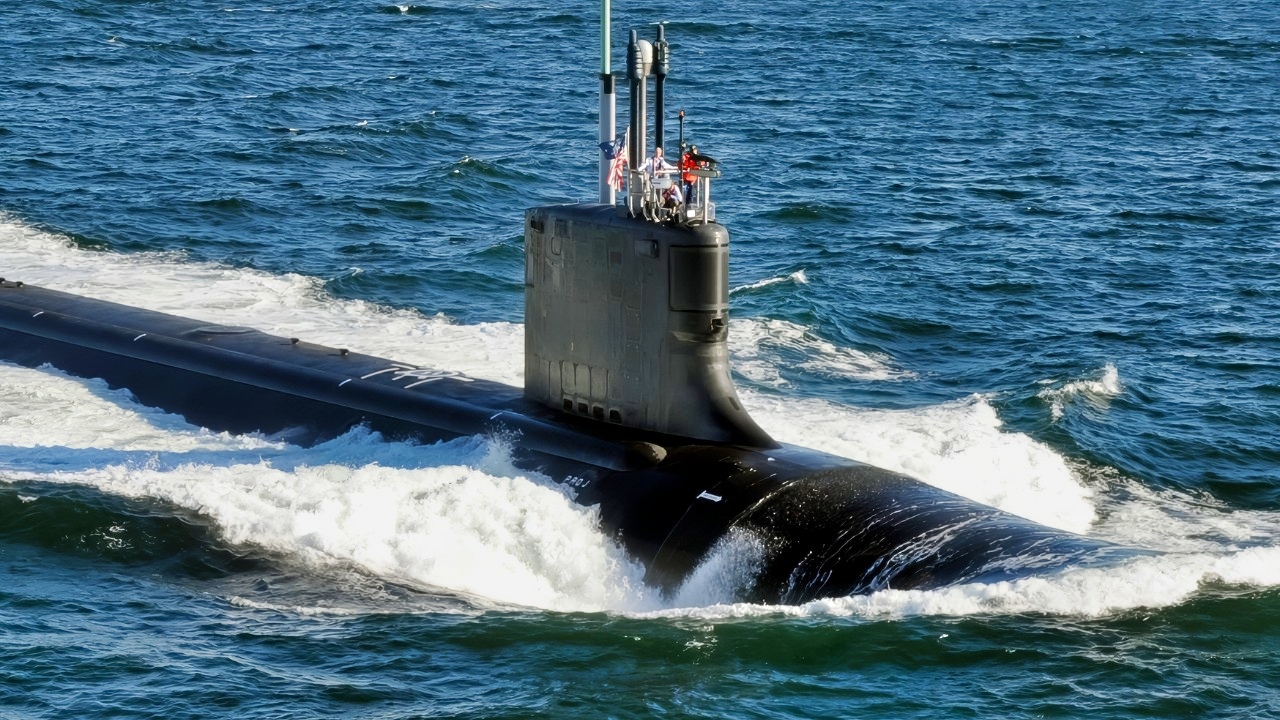
USS Missouri Virginia-Class Submarine. Image Credit: Creative Commons.
The Navy ultimately plans to field an active fleet of roughly 50 Virginia-class submarines by the mid-2040s. They are continuously being built in a cooperative partnership between General Dynamics Electric Boat and Huntington Ingalls Industries, replacing older Los Angeles-class submarines as they are retired.
However, Los Angeles-class attack submarines are retiring faster than Virginia-class boats are being produced. The submarine fleet is already operating at a lower rate than is required by law, and it isn’t going to change anytime soon.
Quality Control Issues Mirror The Maintenance Problems
In 2005, the United States had a fleet of 62 attack submarines. The fleet now stands at 49, with the aforementioned 18 in port awaiting repairs and maintenance.
The Government Accountability Office has reported that recent Virginia-class submarines are being delivered on average 2 years behind schedule, and that some of the newer Block IV boats required major repairs immediately after commissioning due to quality-control issues.
“While the fixed price incentive contract set target and ceiling prices for each submarine, program officials reported that the VCS shipbuilders have not met the work efficiency and material cost estimates that informed the target pricing,” according to the report.
“Consequently, the Navy plans to request more funds to complete Block V, as its prior budget requests covered the target prices, but not up to the ceiling prices.”
The USS Connecticut Is Stuck In Limbo
The USS Connecticut (SSN-22), a $3 billion Seawolf-class nuclear-powered attack submarine, is currently undergoing extensive repairs and a major maintenance overhaul at the Puget Sound Naval Shipyard in Bremerton, Washington.
The USS Connecticut is one of three Seawolf-class attack submarines. It was severely damaged on October 2, 2021, after a collision with an uncharted seamount. The impact caused severe damage to the submarine’s bow, sonar dome, and ballast tanks. The sonar dome was completely lost during transit after the crash.
The impact on the seamount in the South China Sea, located off the coast of Japan, damaged the sonar dome, making underwater travel unsafe, several Navy officials said at the time.
The USS Connecticut (SSN-22) was initially expected to return by 2025; the timeline has been delayed until late 2026 or early 2027. The nuclear-powered submarine has been undergoing extensive repairs at the Puget Sound Naval Shipyard in Washington following the underwater mountain collision.
Long Repairs Due To The Shutdown Of The Production Line
Repairs are expected to be completed in late 2026, with the process taking several years due to the severity of the damage and the specialized nature of the repairs.
The Seawolf-class production was cut short by the Navy at the end of the Cold War, as only three boats were ever built, and those were constructed in the 1980s. By cutting production short, the Seawolf class was the most expensive attack submarine ever built, each costing $3 billion, which translates to over $10 billion today.
New Sonar Dome Requested In Navy’s FY 2025 Budget Request
“The Seawolf Class submarines’ sustainment strategy did not include the provisioning of replacement bow domes; therefore, no replacement bow domes for these in-service submarines are within the Navy’s inventory,” the budget requested.
“This program would procure one Seawolf-class bow dome for use in the event replacement is required. Funds in FY25 are to purchase a bow dome, which has a lead time of three-plus years.
“Congress approved an initial trench of $40 million for ’emergency repairs’ and an additional $10 million for a new bow dome in 2021.” However, that’s not believed to include the total cost of the boat’s repairs.
The USS Connecticut is scheduled to finish its repairs late this year and return to the fleet. However, some analysts estimate that the boat won’t be ready until 2027. The USS Seawolf is then expected to enter its own lengthy EDRSA, which will keep it in dry dock until 2029. Which would only leave the Navy with one Seawolf-class submarine on active duty.
The only other Seawolf-class submarine is the highly modified USS Jimmy Carter (SSN-23), which was designed and built for underwater espionage missions and features a 100-foot-long Multi-Mission Platform (MMP) hull extension.
The prolonged repair work on the USS Connecticut highlights the precarious position of the US shipbuilding industry, where new construction, maintenance, and repairs are consistently over budget and behind schedule.
The USS Boise Is A Poster Child Of US Shipyards’ Problems:
The Navy inactivated the USS Boise, (SSN-764) a Los Angeles-class attack submarine, earlier this month. The USS Boise delivered some of the opening salvos of Operation Iraqi Freedom when she launched a full load of Tomahawk cruise missiles in support of the initial invasion in March 2003.
However, the Navy is canceling its overhaul after spending $800 million to complete less than 25 percent of the vessel’s needed repairs. The cost of the full overhaul had skyrocketed from $1.2 billion to roughly $3 billion — nearly the cost of a new submarine.
“At some point, you just cut your losses and move on,” Secretary of the Navy John Phelan also told Fox News in an interview ahead of today’s announcement. “The Boise represents 65 percent of the cost of a new Virginia-class submarine, yet it only delivers 20 percent of the remaining service life.
The USS Boise had faced a nearly decade-long delay in its maintenance schedule, with its official engineering overhaul (EOH) finally beginning in early 2024, nearly nine years behind its original planned start date.
Sidelined since its last patrol ended in early 2015, the submarine lost its dive certification in 2017 and has since become the “poster child” for the U.S. Navy’s maintenance backlogs and shipyard capacity crises.
Shrinking Shipyards And Manpower Shortages
The number of functioning Navy shipyards has been nearly cut in half since the 1980s. While the number of Navy public shipyards has remained constant at 4, the broader major private shipyard industrial base has shrunk significantly from over 20 to approximately 6 primary builders.
There is a critical shortage of skilled welders, pipe fitters, and nuclear-certified technicians at Navy shipyards.
Experienced workers are retiring faster than new ones can be hired, vetted, and trained. Shipyard workers left in large numbers when the Pentagon slashed shipbuilding at the end of the Cold War.
Additionally, attack submarines are often pushed to the back of the line at shipyards, taking a backseat to higher-priority ballistic missile submarines and nuclear aircraft carriers.
Supply chain issues have been a constant across all services, especially since the pandemic. A lack of replacement parts and specialized materials stalls maintenance timelines, even when labor is available.
The Solution Will Be Slow In Coming
The Navy has implemented a 20-year, multi-billion-dollar Shipyard Infrastructure Optimization Program (SIOP).
This program aims to upgrade public dry docks and ramp up shipyard staffing levels. Additionally, independent proposals such as the Bartlett Maritime plan suggest creating supplementary submarine repair hubs in Ohio to assist in refurbishing parts and significantly cutting down maintenance wait times.
About the Author: Steve Balestrieri
Steve Balestrieri is a National Security Columnist. He served as a US Army Special Forces NCO and Warrant Officer. In addition to writing on defense, he covers the NFL for PatsFans.com and is a member of the Pro Football Writers of America (PFWA). His work was regularly featured in many military publications.


