


The Canadian Patrol Submarine Project, often referred to in shorthand as CPSP, is Ottawa’s attempt to replace the Royal Canadian Navy’s aged Victoria-class submarines with a significantly larger and much more capable submarine force. By Canadian standards, this project is significant. Ottawa would like up to 12 conventionally powered submarines capable of operating not only in the Atlantic and Pacific Oceans but also in Canada’s far north, in Arctic waters. It is that last requirement that has exerted a significant influence on the CPSP project.
The Current Victoria-class Submarines
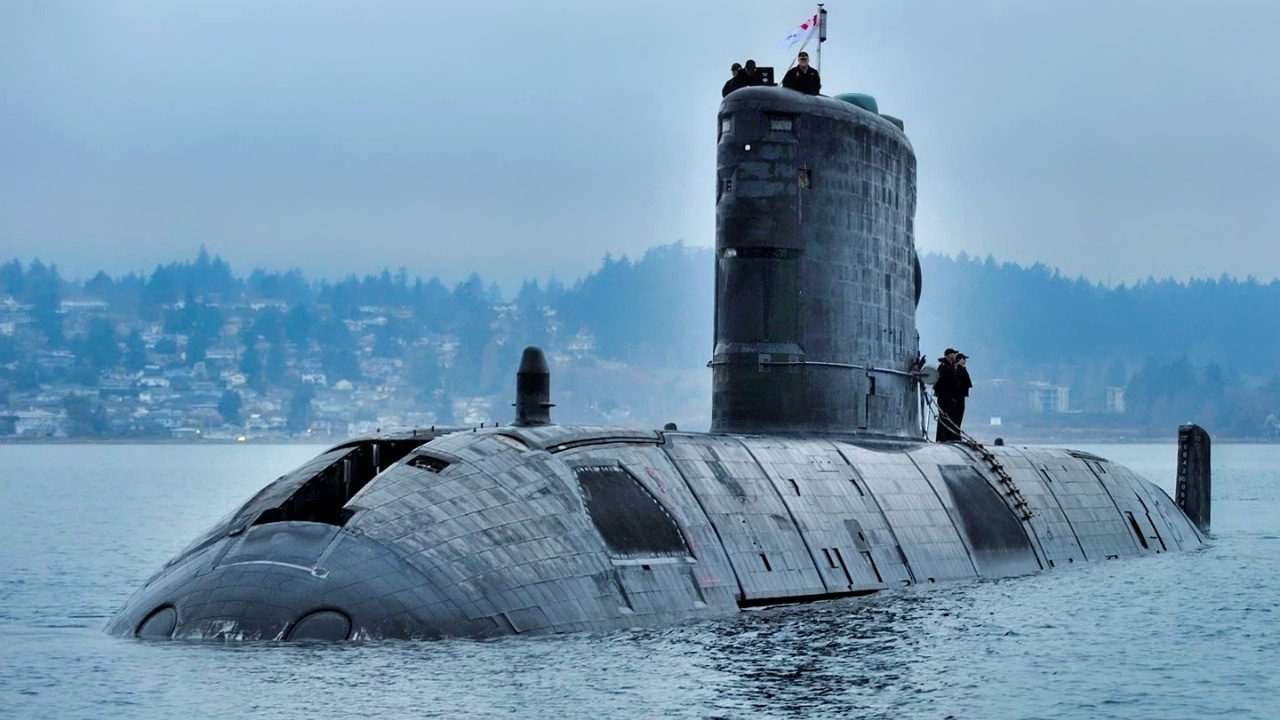
Victoria-Class Submarine Canada Navy. Image Credit: Creative Commons.
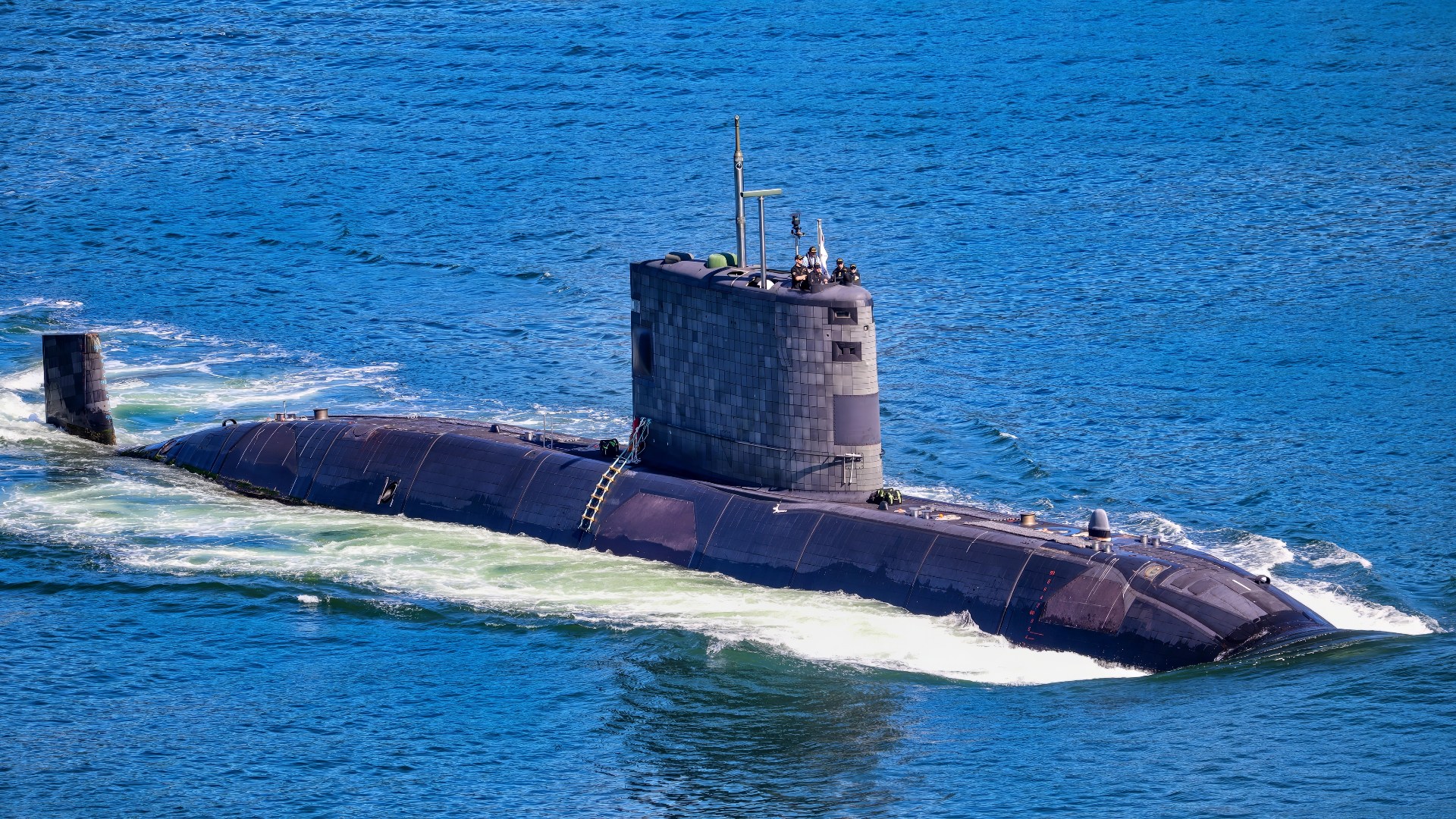
Victoria-Class Submarine of Canada
The Royal Canadian Navy’s current fleet of Victoria-class submarines was formerly in service with the British Royal Navy.
Purchased from London in the late 1990s, the submarines have been infamously plagued by maintenance problems, extended refit periods, and limited operational availability. Canadian naval officials have repeatedly raised the alarm about the class, describing the submarines as unsustainable, particularly as global attention shifts toward the far north, Arctic sovereignty, and great-power competition.
The Canadian Patrol Submarine Project has become intense, political, and highly sensitive — and is one of the most significant Canadian procurement projects in modern post-Cold War Canadian history.
The Contenders: South Korea and Germany
The list of contenders for the Canadian Patrol Submarine Project has narrowed since inception, and now counts just a pair of finalists: Germany’s ThyssenKrupp Marine Systems, also called TKMS, and South Korea’s Hanwha Ocean.
Both firms are aggressively pitching their offerings for the Canadian Patrol Submarine Project and promoting industrial partnerships on Canadian soil to sweeten the deal.
A finalist is expected sometime in June, and now the Canadian Patrol Submarine Project is more of a lobbying campaign than a formal competition.
Though Ottawa has not yet elected a winner, both firms are cognizant that Canada’s decision window is fast closing.
The stakes are enormous: according to reports, the contract could be worth more than $12 billion. But analysts believe the sum could be a conservative estimate that does not account for lifetime costs, including maintenance, infrastructure, weapons, training, and other facets of the program. Actual costs could climb significantly higher in the coming decades.
Requirements: Flexibility and Deterrence
Although the exact specifications for the proposed class of submarines are lengthy, the Canadian government outlined what it would like the new Canadian Patrol Submarine Project to achieve. In its proposal, Ottawa explained that the new class will “be deployable in the Arctic with extended range and endurance that will provide stealth, persistence, and lethality as key capabilities.”
Furthermore, “the future Canadian Patrol Submarine will employ a unique combination of these attributes to ensure that Canada can detect, track, deter and, if necessary, defeat adversaries in all 3 of Canada’s oceans.
It will enable the Government of Canada to contribute to international security through deployments alongside allies and partners, while creating opportunities to strengthen Canada’s defense and marine sectors.”
Seoul Pushes for the Canadian Submarine Contract
In a sign of how heated the race for Canada’s new submarines has become, South Korea’s Chief of Naval Operations, Admiral Kim Kyung-ryul, departed for Canada in late May as part of a push to help secure the Canadian submarine contract.
During his trip, Admiral Kim is slated to meet with his Canadian counterpart, Vice-Admiral Angus Topshee. The admiral is both the head of the Royal Canadian Navy and second-in-command of the Canadian Armed Forces, thanks to a recent promotion.
Admiral Kim’s visit comes on the heels of Germany’s Thyssenkrupp Marine Systems winning a separate, unrelated contract with Ottawa for helping to establish a sovereign Canadian space launch capability.
The Bid from Berlin
Germany’s TKMS is offering its Type 212CD, a variant of the submarine that is being jointly procured by both Germany and Norway. Compared to modern submarine standards, the 212CD is a relatively compact offering, but it emphasizes sonar-defeating stealth, interoperability with the NATO alliance, and long underwater endurance despite its non-nuclear propulsion.
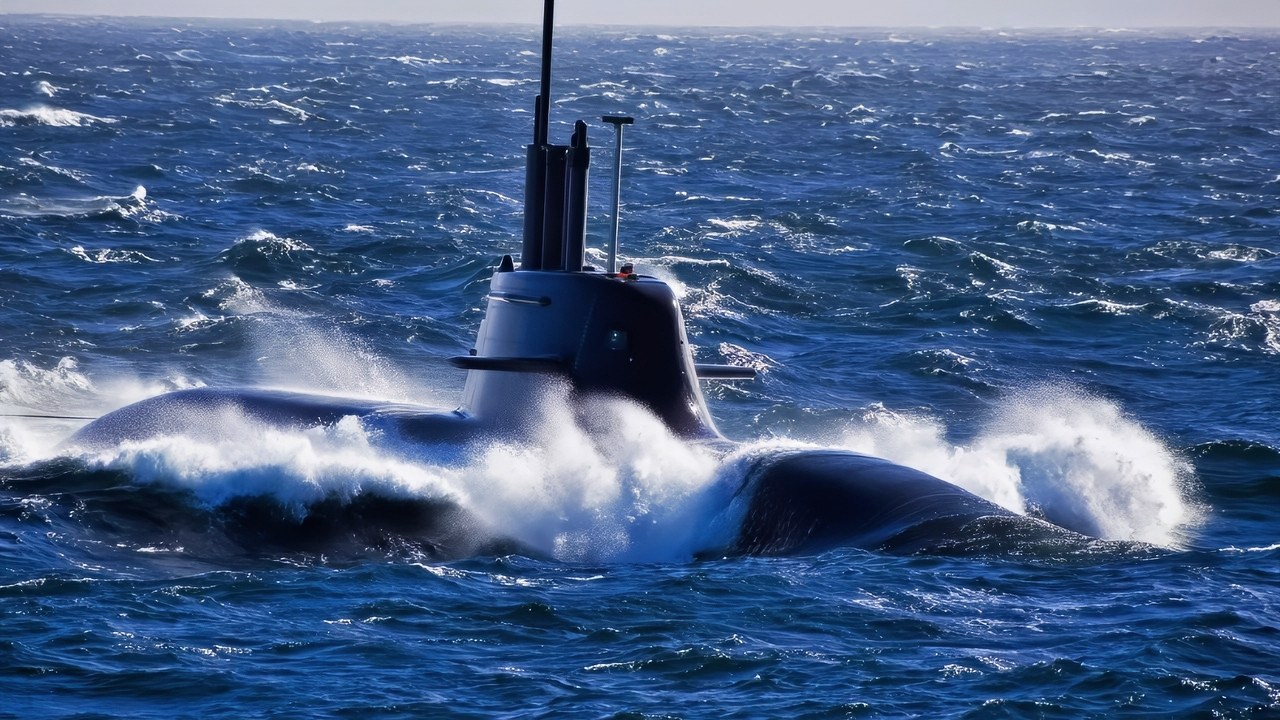
Type 212 German Submarine. Image Credit: German Navy.
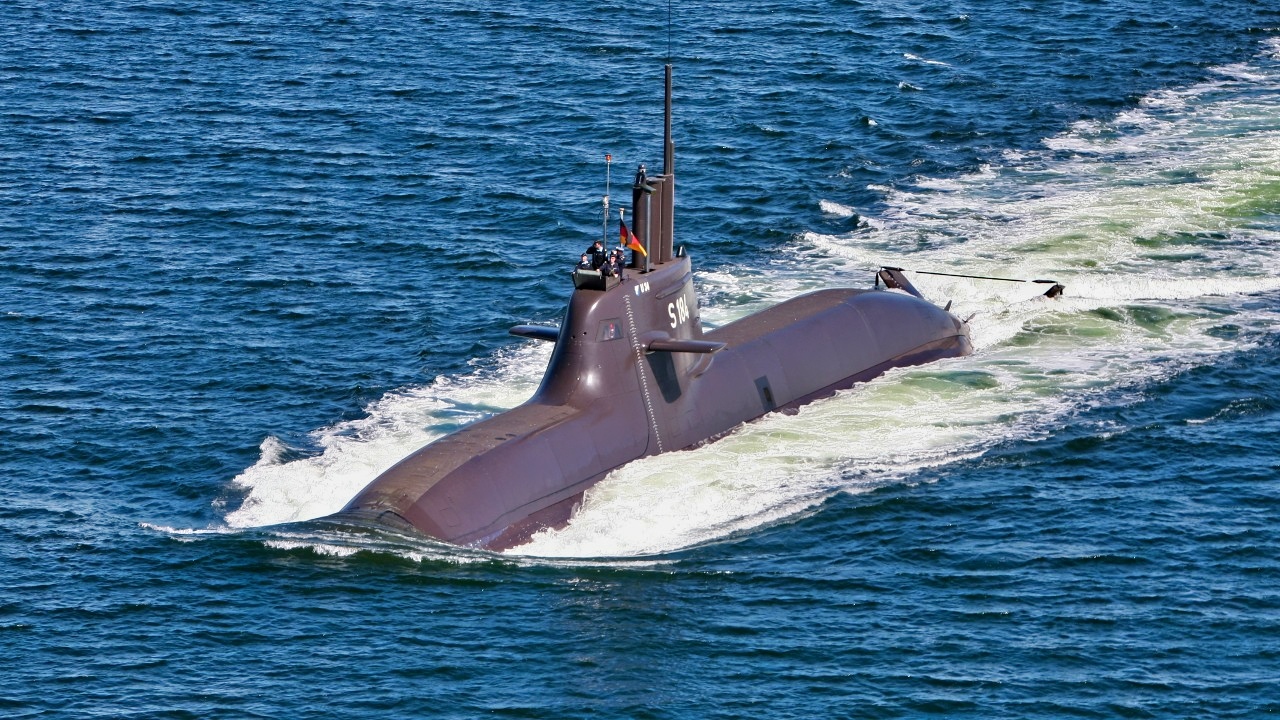
Type 212A. Image Credit: Creative Commons.
Seoul’s Offering
The offer from South Korea’s Hanwha Ocean differs substantially. The firm’s KSS-III is a much larger submarine than the 212CS. That submarine was originally intended for long-range patrols in and around the Indo-Pacific.
To that end, the KSS-III has a much greater internal volume and therefore offers greater endurance than its more diminutive German counterpart. But it can also boast further growth potential, given its larger size.
The Results are Pending
Canadian defense procurement has a long history of political infighting, delays, and budgetary overruns.
Building a 12-boat submarine fleet is one thing, but operating and maintaining a fleet that size is something else entirely.
And given the project’s ambitious nature, particularly regarding its planned role in the Arctic, there may be significant adjustments to the Canadian Patrol Submarine Project.
About the Author: Caleb Larson
Caleb Larson is an American multiformat journalist based in Berlin, Germany. His work covers the intersection of conflict and society, focusing on American foreign policy and European security. He has reported from Germany, Russia, and the United States. Most recently, he covered the war in Ukraine, reporting extensively on the war’s shifting battle lines in the Donbas and writing about its civilian and humanitarian toll. Previously, he worked as a Defense Reporter for POLITICO Europe. You can follow his latest work on X.


