

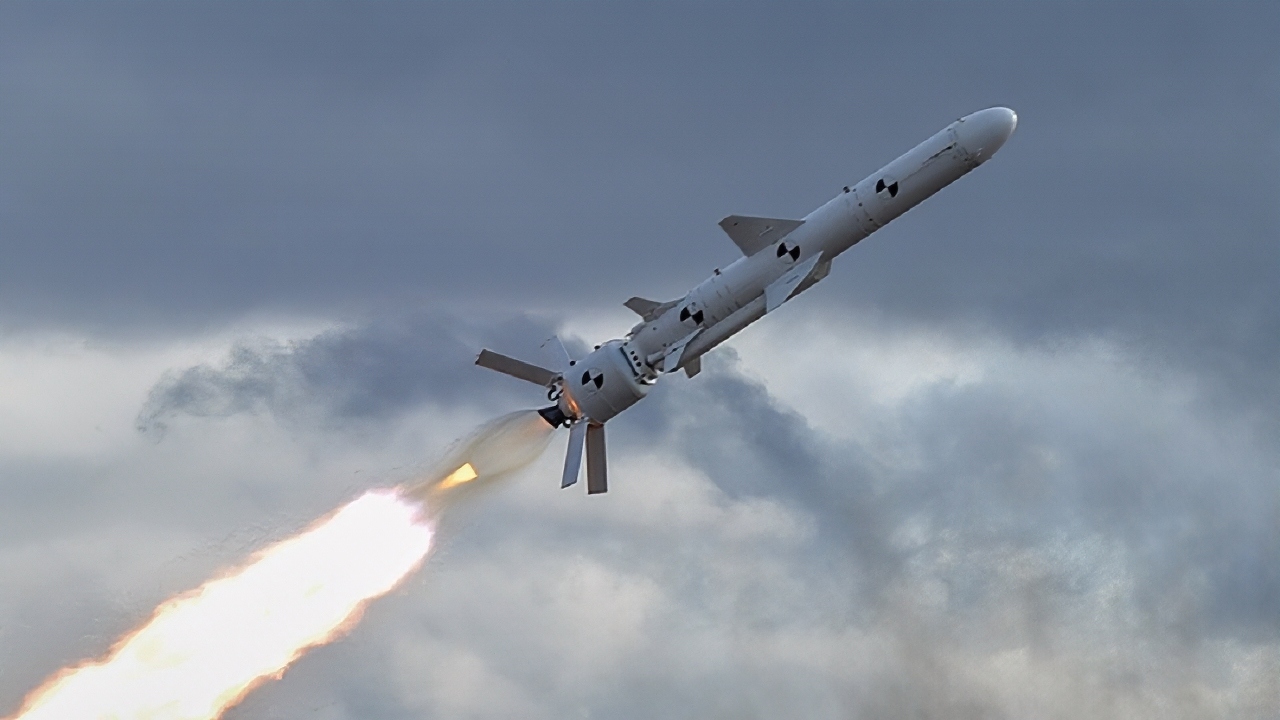
Russia’s July Air Campaign Pushed Ukraine’s Civilian Toll to a Four-Year High – Russia’s missile, drone and glide-bomb campaign has made July Ukraine’s worst month for civilian casualties since the spring of 2022. Ukrainian government figures cited in a CNN report published July 26 recorded at least 377 civilians killed and 2,129 injured before the month had ended.
The scale of the air campaign helps explain the increase. President Volodymyr Zelensky said Russia used nearly 1,700 attack drones, more than 1,630 guided aerial bombs and 95 missiles in one week, with ballistic weapons accounting for more than half of the missile total. His July 26 statement again called for faster deliveries of anti-ballistic interceptors.

Two F-16 Vipers from the 314th Fighter Squadron at Holloman Air Force Base, New Mexico, fly next to a KC-135 Stratotanker from the 121st Air Refueling Wing at Rickenbacker Air National Guard Base, Columbus, Ohio, over New Mexico, Nov. 15, 2022. The 314th FS trains the next generation of F-16 Viper pilots over the Holloman and White Sands Missile training ranges. (U.S. Air Force photo by Airman 1st Class Antonio Salfran)
The latest attacks reached several cities at once. Russia launched more than 130 drones and several ballistic missiles overnight into Sunday. Reuters reported that a supermarket strike in Chernihiv killed a 10-year-old child and an adult, while separate attacks killed civilians in Kharkiv and Zaporizhzhia and set an apartment building on fire in Kyiv.
The July total is a Ukrainian government count and has not yet completed the slower United Nations verification process. The UN has already confirmed 1,396 civilian deaths and 7,978 injuries during the first half of 2026, a 37 percent increase from the same period last year, according to its latest six-month assessment.
Russia Is Reaching Civilians Far Beyond the Front
The UN found that casualties caused by long-range missiles and drones rose 60 percent during the first half of the year. These weapons increasingly reach apartment districts, transport facilities, shopping areas and workplaces far from ground fighting. The wider pattern has already pushed Ukraine’s verified civilian toll sharply above its 2025 level.
Frontline communities face a different form of pressure. Short-range drones killed 418 civilians and injured 2,437 between January and June, according to Reuters’ account of the UN data. Residents have described being watched and pursued during routine trips, including shopping, cycling and attempts to evacuate.
Ballistic Missiles Are Ukraine’s Hardest Air-Defense Problem
Ballistic missiles leave crews and civilians only minutes to react. A weapon launched from relatively close range can reach Kyiv in two to four minutes. Russia has also introduced terminal maneuvers intended to make some ballistic missiles harder to intercept.

A U.S. Air Force F-16 Fighting Falcon taxis to be disarmed after returning from a flight during Combat Archer UK at RAF Lakenheath, England, April 15, 2025. Combat Archer UK was one of six elements in the Combat Weapons Systems Evaluation Program, typically held in the U.S. By hosting Combat Archer UK in Europe, U.S. Air Forces Europe saved millions of dollars, allowing them to enhance the mission in other capacities. (U.S. Air Force photo by Airman 1st Class Zachary Jakel)
Patriot remains Ukraine’s strongest proven defense against that class of threat, but launcher coverage and interceptor inventories are limited. Kyiv is pursuing foreign deliveries and domestic interceptor development. Neither route provides immediate protection for every city facing repeated mixed attacks.
The Damage Continues After the Initial Strike
Civilian harm is not limited to the moment of impact. Damage to electricity, roads, warehouses and medical facilities can interrupt daily life for thousands of people who never appear in the immediate casualty count. The UN says repeated attacks are eroding the systems communities need to function, from transport and emergency response to power and water.
Drones can also remain above an impact site and delay firefighters or ambulances. A July strike that destroyed a large store in Sumy was followed by renewed drone activity near the response operation, adding risk for crews trying to control the fire. That tactic has made emergency work more dangerous after the first explosion.
July’s Civilian Count Is Still Rising
The government total may change as hospitals update injury records and rescue teams complete work at recent impact sites. UN figures will remain lower until investigators verify individual cases, particularly in occupied areas and communities near the front.
On Sunday, emergency crews were still clearing damaged homes in Kharkiv and extinguishing fires in Kyiv after the latest barrage. The government’s July total remained provisional, and UN investigators had not yet incorporated the final week of the month.
About the Author: Harry J. Kazianis
Harry J. Kazianis (@Grecianformula) was the former Senior Director of National Security Affairs at the Center for the National Interest (CFTNI), a foreign policy think tank founded by Richard Nixon based in Washington, DC. Harry has over a decade of experience in think tanks and national security publishing. His ideas have been published in the NY Times, The Washington Post, The Wall Street Journal, CNN, and many other outlets worldwide. He has held positions at CSIS, the Heritage Foundation, the University of Nottingham, and several other institutions related to national security research and studies. He is the former Executive Editor of the National Interest and the Diplomat. He holds a Master’s degree focusing on international affairs from Harvard University.


