

Global oil markets are behaving as though the Strait of Hormuz crisis is not temporary, despite continued public optimism from the Trump administration about negotiations with Iran, and analysts warn that inventory drawdowns and rising summer fuel demand could bring global oil inventories to “minimum operational levels.” While President Donald Trump spent part of this week convening senior national security discussions at Camp David amid renewed diplomatic efforts, shipping traffic through the world’s most important oil chokepoint remains massively reduced, and insurers continue treating the region as an active war zone.
The Strait of Hormuz normally handles roughly 20% of the world’s daily oil supply. Before the current crisis, around 130 tankers passed through the strait each day. On May 27, 10 vessels reportedly transited the Strait – with five inbound and five outbound. Six of those ships also went dark. Meanwhile, oil inventories are rapidly falling across Asia and Europe, raising fears that the economic effects of the conflict could last for a prolonged period.
Hormuz Tensions: Iran Appears To Be Preparing For A Longer Crisis
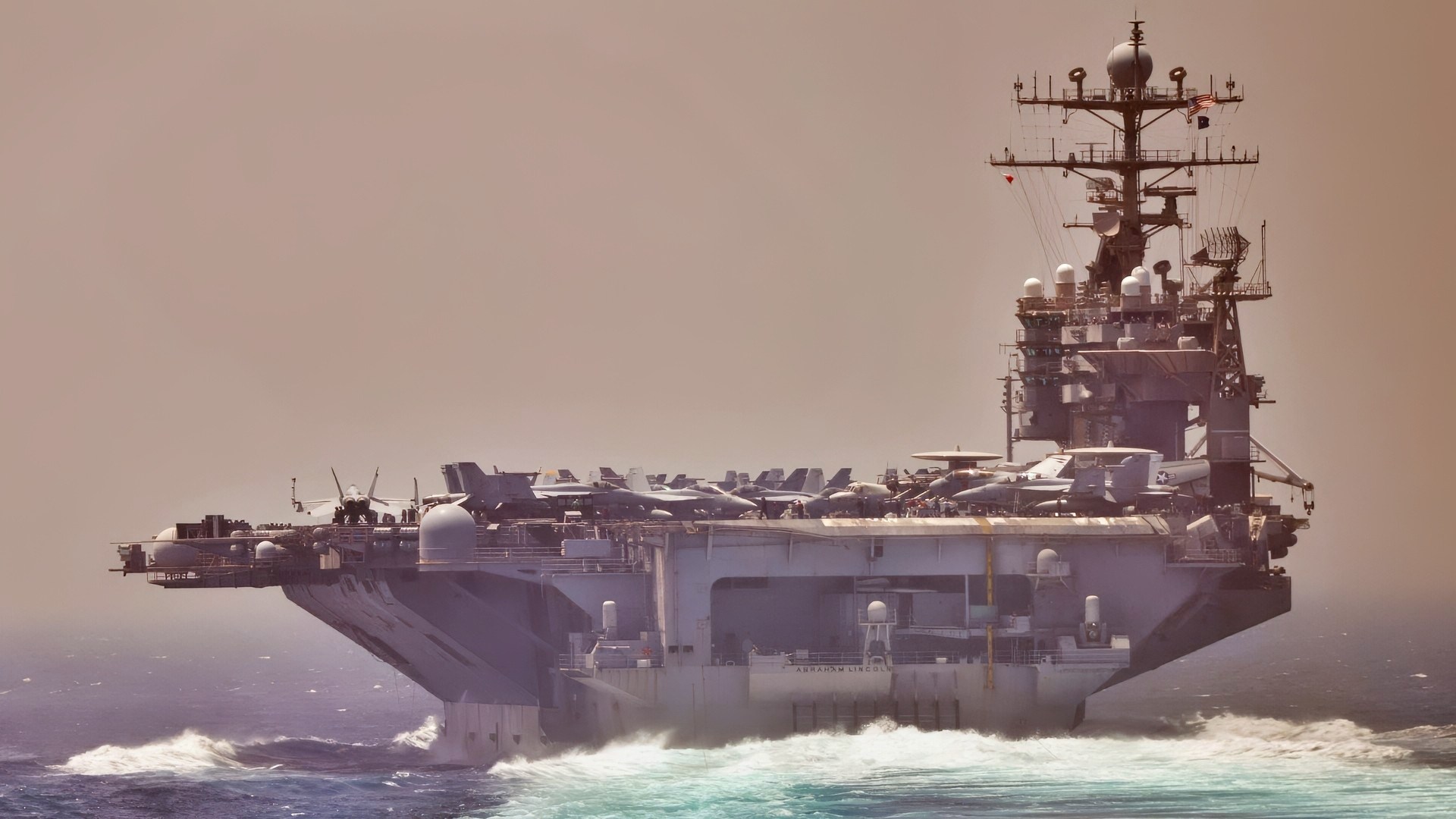
120501-N-WO496-013
STRAIT OF HORMUZ (May 1, 2012) The aircraft carrier USS Abraham Lincoln (CVN 72), left, and the guided-missile cruiser USS Cape St. George (CG 71) transit the Strait of Hormuz. Abraham Lincoln and Cape St. George are deployed to the U.S. 5th Fleet area of responsibility conducting maritime security operations, theater security cooperation efforts and support missions as part of Operation Enduring Freedom. (U.S. Navy photo by Mass Communication Specialist 3rd Class Alex R. Forster/Released)
The biggest concern for energy markets right now is not whether Iran can completely close the Strait of Hormuz; Tehran has already proven it can be effectively closed.
The fear is whether Tehran can keep the route dangerous enough to disrupt global shipping for months more. On May 25, the U.S. military said that it had carried out “self-defense” strikes against targets in southern Iran, including on missile launch sites and boats that were believed to be laying mines in the Strait of Hormuz.
Captain Tim Hawkins, the spokesman for the U.S. Central Command, said in a statement that the strikes were conducted “to protect our troops from threats posed by Iranian forces.”
The strikes, which were condemned by Tehran, occurred at around the same time President Trump was convening officials in Camp David to hash out a possible deal with Iran that Secretary of State Marco Rubio said may take “a few more days.”
Global Oil Inventories Are Rapidly Falling
There appears to be growing concern among energy analysts that the world is now approaching what traders call “minimum operational levels” – the point at which inventories become so low that normal supply disruptions begin triggering severe price spikes and physical shortages.
Speaking to CNBC this week, Jeff Currie, senior adviser at Carlyle and former global head of commodities research at Goldman Sachs, warned that Asia is already struggling. He provided Singapore as an example, noting that there have been “explosive prices.”
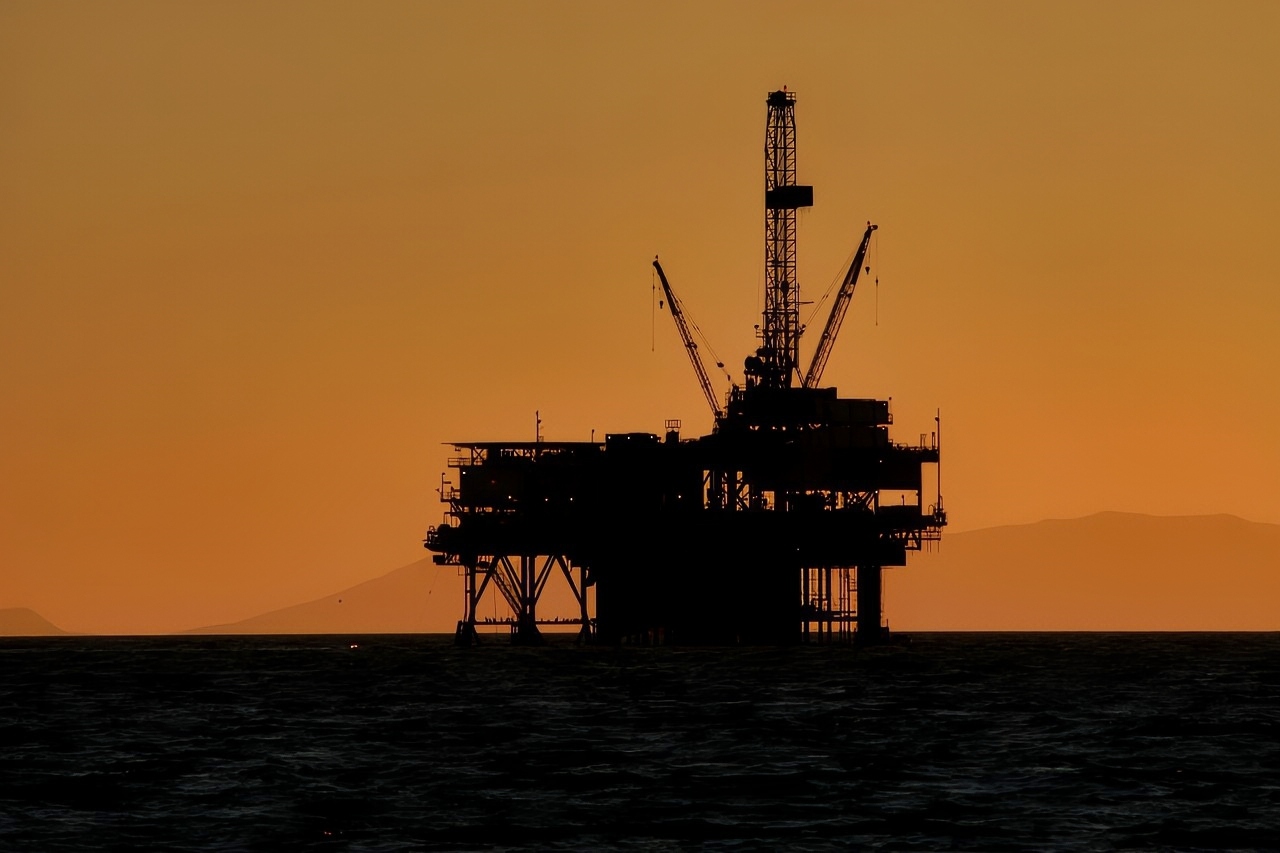
Oil Platform. Image Credit: Creative Commons.
“Jet fuel has come down, but diesel has now gone up above jet fuel,” he said. “So the problem here in Singapore continues. It just moved from jet to diesel.”
The problem also extends to the United States. Stockpiles in the Strategic Petroleum Reserve are now approaching their lowest levels in more than 40 years. Significant drawdowns in recent weeks have sparked concerns among analysts that the U.S. could be left vulnerable in the event of another supply strain – or, specifically, continued pressure indirectly caused by strain at the Strait of Hormuz.
Is the U.S. Really In Trouble?
While some analysts are concerned that a natural disaster such as a hurricane could leave the U.S. vulnerable to reduced supplies, others are less concerned. Global energy strategist Jan Stuart of investment bank Piper Sandler said that the Strategic Petroleum Reserve is more of a “luxury” and a “piece of leverage.” “We are an oil-exporting country. We have plenty,” Stuart said.
The United States is currently helping much of the rest of the world by supplying crude to economies affected by pressure in the Gulf.
Sarah Emerson, the president of the consulting firm ESAI Energy, said that while the reserve may be much lower than it was, it remains significant.
The United States has released roughly 40 million barrels of a planned 172 million, and Emerson notes that by the end of that release, the U.S. will still have roughly 300 million barrels of crude. While it may still be less, Emerson said it is “still a hefty amount of oil,” warning that analysts must look at America’s strategic stocks in context.
What Could Happen Next
Nonetheless, restricted global supply could have significant global effects. Higher crude prices do not remain confined to energy markets for long. Rising oil and diesel prices rapidly affect freight costs, aviation fuel, fertilizer production, shipping rates, and consumer goods transportation, and ultimately the cost of consumer goods and services.
Europe is currently avoiding the worst effects partly because crude from the U.S. Strategic Petroleum Reserve continues to flow into European markets, but, as Currie told CNBC, those reserves are not infinite, and domestic pressure could cut off that supply.
That creates major risks for American consumers already struggling with rising household debt and lingering inflation pressures. A prolonged disruption to the Strait of Hormuz would likely raise gasoline prices nationwide and increase transportation and import costs across large parts of the U.S. economy.
About the Author: Jack Buckby
Jack Buckby is a British researcher and analyst specializing in defense and national security, based in New York. His work focuses on military capability, procurement, and strategic competition, producing and editing analysis for policy and defense audiences. He brings extensive editorial experience, with a career output spanning over 1,000 articles at 19FortyFive and National Security Journal, and has previously authored books and papers on extremism and deradicalization.


