

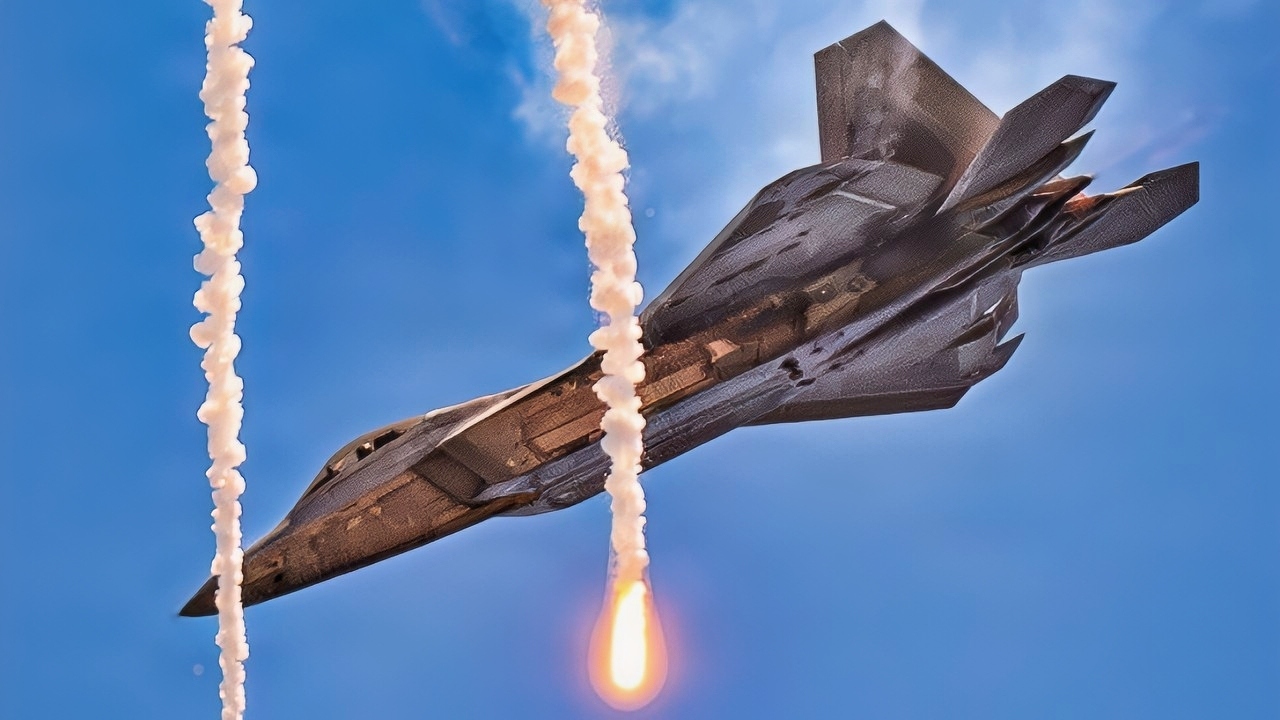
One of the primary points of friction in the emerging US-Iran peace framework is the Strait of Hormuz. The framework appears to contain structural flaws in the future governance of the Strait.
While Washington says the agreement guarantees permanent free navigation, Tehran says shipping will be free for 60 days, before maritime service fees are then introduced.

A 35th Fighter Squadron F-16 Fighting Falcon flies near the Korean peninsula during a dogfighting training scenario during exercise Ulchi Freedom Shield 25 at Kunsan Air Base, Republic of Korea, Aug. 20, 2025. UFS25 is a combined, joint, all-domain military training exercise that integrates ground, air, naval, space, cyber and information elements, enhancing readiness through realistic combat simulations. (U.S. Air Force photo by Senior Airman Landon Gunsauls)
Obviously, these two pronouncements are incompatible, and typically, when two sides fundamentally disagree over a central provision in a peace agreement, the agreement would fail.
But both Washington and Tehran appear motivated to keep the deal alive. So the ceasefire may prevail, even though the underlying disputes remain unresolved, as both sides desperately need a pause in the fighting.
Effects of the Iran Deal
The immediate effects of the deal are a 60-day ceasefire, the resumption of commercial traffic through the Strait, the easing of US naval pressure, and Iranian assurances that they will not interfere with tanker traffic.
But the deal does not solve permanent shipping rules, nuclear issues, sanctions, or regional proxy conflicts—all vital points of contention. Instead, the framework settles immediate operational problems while postponing strategic ones.
The Big Problem
The glaring structural issue with the Hormuz agreement is that both sides have fundamentally opposing views of how Hormuz will be governed in the future.
The US position holds that Hormuz will remain permanently toll-free, that any transit charge would be extortion.
Iran feels differently, holding that while they won’t charge direct tolls, they will possibly charge security, environmental, navigation, or maritime service fees. This is not a semantic disagreement.

F-16A on USS Intrepid NSJ Image. Taken by Jack Buckby on 9/18/2025.
This agreement affects who controls the economic rules governing one of the world’s most important shipping lanes. So the big question is: what happens on Day 61, the moment the 60-day ceasefire concludes?
If Iran attempts to collect money, the entire agreement could falter.
Washington Needs the Deal
The White House is facing significant political pressure not to get embroiled in another Middle Eastern “forever war.” Trump ran on a platform of avoiding wars forever, heavily criticizing the wars in Iraq and Afghanistan.
His message resonated. And now, four months into Operation Epic Fury, public war fatigue is growing while the appetite for escalation is low. Instead, the public is increasingly anxious about economic pressure stemming from the war and the closure of the Strait of Hormuz.
On the military side, months of operations have consumed high-value interceptors, tied up naval resources, and complicated the military’s logistical capacity. The Pentagon should focus its resources on China and the Indo-Pacific, and it seems to know that. The point being that Washington has a strong incentive to declare success and then move on as quickly as possible.
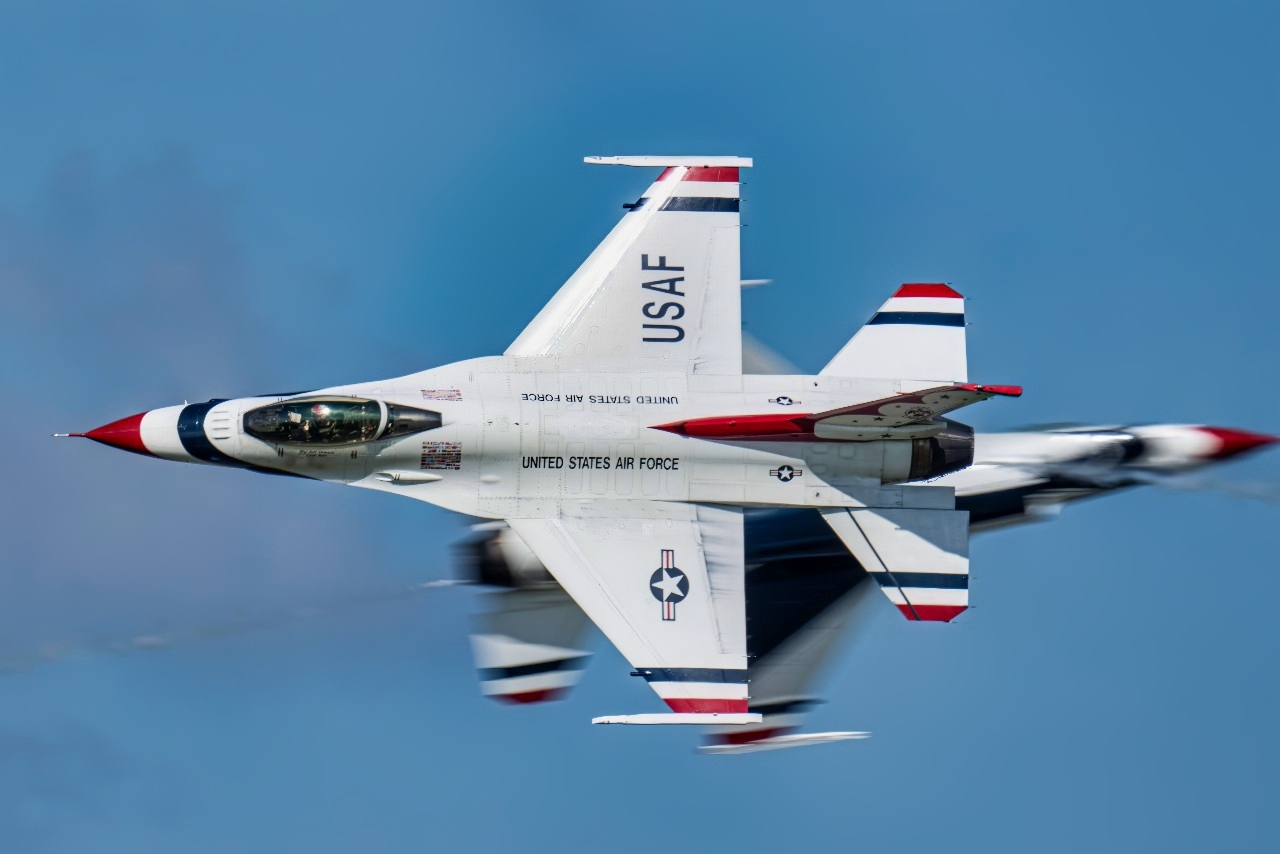
The United States Air Force Air Demonstration Squadron “Thunderbirds” perform at the Defenders of Liberty Airshow at Barksdale Air Force Base, Louisiana, March 29-30, 2025. The Thunderbirds perform at air shows across the country to showcase the capabilities of the United States Air Force, its Airmen, and the F-16 Fighting Falcon. During World War II, Barksdale served as a major bomber training base, and it has since become the home of the 2nd Bomb Wing, the oldest bomb wing in the Air Force. (U.S. Air Force photo by Tech. Sgt. Keith James)
Tehran Needs the Deal
Iran’s economy has taken a beating. Infrastructure is damaged, exports are constrained, inflation is up, and revenues are declining. Ending the war is in the country’s best interest; Iran especially needs its oil exports to resume. Every single day of disruption hurts Tehran. So Iran has a powerful incentive to preserve the existing framework and push through a deal, now.
Israel-Lebanon Wildcard
Israel is not a direct party to the US-Iran agreement. This detachment carries risk as Israeli operations in Lebanon continue. A major Israeli strike against Hezbollah leadership or infrastructure could serve as a trigger, forcing Iran back into the fray on claims that the broader ceasefire had been violated. The diplomatic process could unravel. So ultimately, the US-Iran deal may depend in part on actors who have not signed it—a precarious arrangement.
The Insurance Problem
It’s important not to overlook the insurance problem. Politicians can declare victory, can call the shipping lanes open. But markets will make the ultimate decision. At the moment, many insurers are still treating Hormuz as an active war-risk zone, meaning the premiums remain elevated, and even if peace holds, shipping tempo may recover slowly. This creates ongoing economic friction even without a renewed cycle of violence.
Weak Ceasefire
The weaknesses of the ceasefire are obvious. The shipping dispute remains unresolved (the nuclear and proxy conflict issues remain unresolved, too). Yet both sides are trying to make it work because, operationally and politically, they need the war to end. The deal is not structurally sound, but with both sides clearly motivated to reach a resolution, it’s likely the ceasefire will hold for the next 60 days. The real question is what happens on Day 61.
About the Author: Harrison Kass
Harrison Kass is a writer and attorney focused on national security, technology, and political culture. His work has appeared in City Journal, The Hill, Quillette, The Spectator, and The Cipher Brief. He holds a JD from the University of Oregon and a master’s in Global & Joint Program Studies from NYU. More at harrisonkass.com.


