

Russia continues to attack everywhere and is getting nowhere. That’s the latest picture out of Ukraine. On November 3 and 4, Russian forces pressed assaults from the Sumy region in the north to the Zaporizhzhia region in the south.
According to UNITED24 Media’s reporting on the Institute for the Study of War’s November 4 assessment, they failed to secure confirmed territorial gains in any of the sectors they attacked. Ukrainian troops counterattacked in nearly every one.

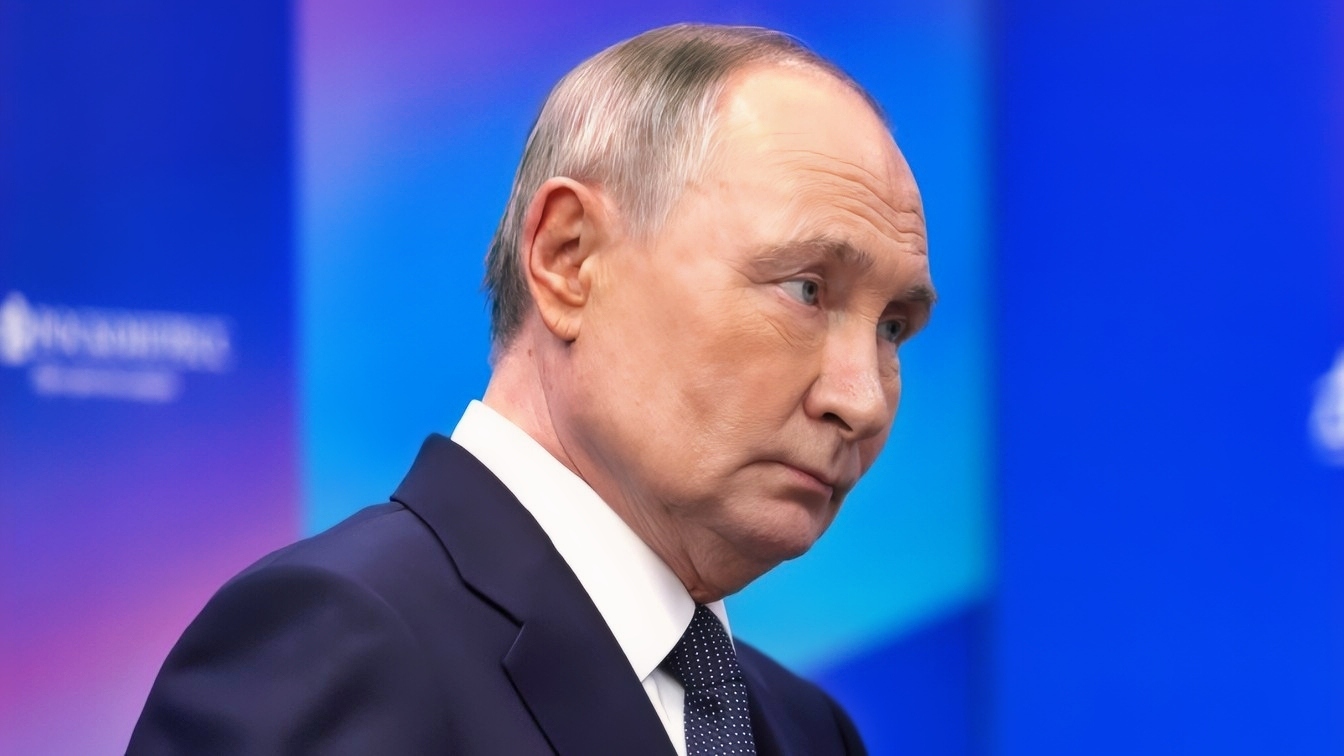
Putin State Media Photo
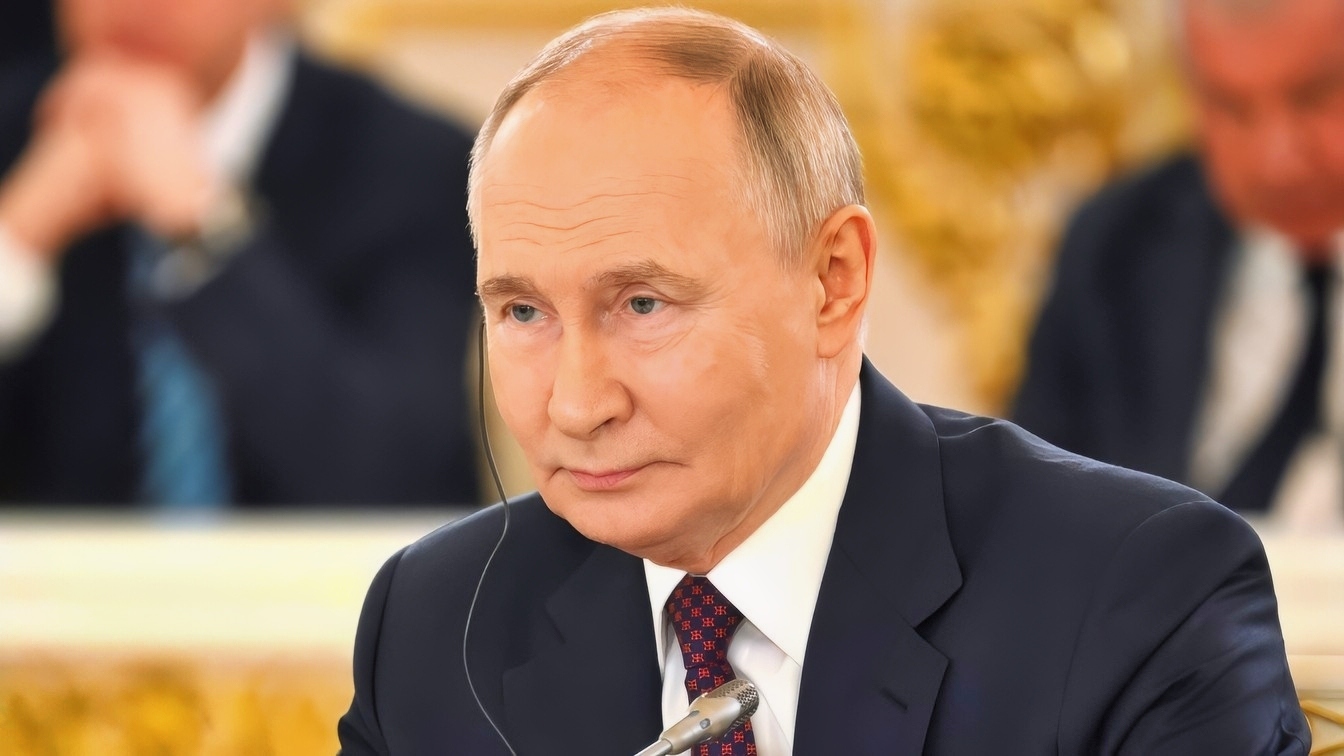
Putin in 2025 Russian State Media Image
The Kremlin obviously sensed that Ukraine was ripe for a large-scale offensive across the entire front. Or it signaled impatience.
That’s beside the point currently, as the fighting continues to rage between the two armies.
Pressure Everywhere, Gains Nowhere
Russian troops kept up offensive operations in the Sumy region, and a source covering Russia’s Northern Grouping of Forces said they intensified assaults toward Myropillia on November 4.
There were no reported gains. Ukrainian forces counterattacked northeast of Sumy.
In the east, around the city of Lyman, Russian forces attacked to take the city and cross the Siverskyi Donets River to support a wide encirclement of the Fortress Belt, according to the ISW.
Russian claims that their troops took Zarichne, northeast of the town, were quickly debunked by one of their own.
A source tied to Russia’s Western Grouping of Forces disputed it and described the village as a contested gray zone where Russian units are still trying to get a foothold.
This is yet another case of rosy reports from commanders that don’t match what’s happening on the ground.
East of Sloviansk and Kramatorsk, Russian attacks on both days went nowhere. Ukrainian units counterattacked along the southern bank of the Siverskyi Donets River and southeast of Sloviansk.
The heaviest fighting came in the Kostiantynivka-Druzhkivka direction, where ISW, citing Ukraine’s General Staff, counted 24 Russian assaults over those two days.
The General Staff reported 201 clashes across the entire front on November 3 alone.
ISW did assess that Russian troops had likely consolidated positions in northwestern Kostiantynivka, a point the Kyiv Post flagged. However, Russia first infiltrated that city more than a year ago and still hasn’t finished taking it.
The fighting there has gone on for more than a year.
Next door, in the Dobropillia direction, where Moscow has concentrated its main offensive effort since at least August 1, the tempo has slackened.
Russian units kept attacking anyway.
Ukrainian counterattacks stopped them cold.
In the southern region, the story repeated itself. Russian forces attacked toward Huliaipole and in western Zaporizhzhia.
Ukrainian troops counterattacked south of Orikhiv. No Russian gains were reported in either sector.
Why the Broad-Front Approach Keeps Failing
So why does Russia keep doing this?
Attacking on multiple axes at once is a legitimate approach when you have the combat power to exploit wherever the defender cracks.
The idea is to stretch the enemy’s reserves thin until one sector gives.
However, that only works if you can mass enough force to exploit any breakthrough and drive follow-on forces into the rear areas.
That has been a staple of Moscow’s since WWII.
Russia hasn’t shown it can do that in a long time.
What it has shown is a willingness to waste more men in these meatgrinder attacks.
UNITED24’s daily loss update put Russia’s single-day losses at 2,380 troops, with the cumulative total now just 610 short of 1.6 million.
Those are Ukrainian General Staff figures, and while there can be some back-and-forth about the exact numbers.
You can’t argue about the trend.
The bigger picture is worse for Moscow.
At the end of August, UNITED24 reported that Russia lost more than 200,000 troops across the spring and summer of 2026 without carrying out one successful mechanized assault, while Ukraine liberated 745 square kilometers in the south.
In March, Ukraine’s Third Army Corps stopped what it called Russia’s largest mechanized breakthrough attempt on the Lyman-Borova axis.
That force never even reached the line of contact. Within one day, 405 Russian troops were lost along with 84 motorcycles, 11 infantry fighting vehicles and armored personnel carriers, and three tanks.
That’s what a Russian breakthrough attempt looks like in 2026. Motorcycles and buggies racing across a kill zone full of drones.
The Russians are using more motorcycles and lighter vehicles because armored infantry vehicles and tanks draw so much anti-tank and drone fire.
ISW also assessed that Russian forces lost ground overall in October for the second consecutive month.
Drones Changed the Math
The textbook offense hasn’t changed much in theory.
Concentrate, achieve local superiority, punch through, exploit. However, the battlefield in Ukraine has made the “concentrate” part close to suicidal.
Anything that bunches up gets seen, and anything that gets seen gets hit.
Ukraine is also hitting what feeds the front.
In the same reporting window, the 8th Air Assault Corps destroyed a Russian Pantsir-S1, a short-range air defense system worth roughly $15 million, in the Northern Slobozhanshchyna sector.
Ukraine’s medium-range strikes hammered Russian drone bases, air defenses and ammunition depots throughout October.
Every one of those hits makes the next Russian assault a little thinner.
ISW has also credited Ukraine’s Operation Vivaldi around Lyman with disrupting Russia’s push against the northern side of Ukraine’s fortified belt, and said Russian commanders haven’t adequately adjusted their plans since.
It is arguably the most telling line in the whole assessment. An army that can’t adapt to what the enemy just did to it is running on a script.
The Clock Is Moscow’s Problem Now
UNITED24 has reported that the Kremlin’s political leadership wants the entire Donetsk region occupied by December 31, 2026, while the Russian military has asked for more time, until the end of March 2027.
The Kremlin also wants a breakthrough before any peace talks resume on November 10-11 in Abu Dhabi.
Ukrainian officials called even that unrealistic.
Over the past two days, the Ukrainian assessment seems correct.
With less than eight weeks left in the year, Russia can’t finish Kostiantynivka.
None of this means the war is close to over or that Ukraine’s lines can’t be breached.
Russia still has the manpower to keep attacking, and the Kremlin has shown it will keep feeding troops into the meatgrinder.
Ukraine will need sustained Western support to hold its lines and take back more.
However, the pattern is clear.
Russia keeps knocking on every door along a front that stretches more than a thousand kilometers. And those…at least for now continue to be bolted shut.
About the Author: Steve Balestrieri
Steve Balestrieri is a National Security Columnist. He served as a US Army Special Forces NCO and Warrant Officer. In addition to writing on defense, he covers the NFL for PatsFans.com and is a member of the Pro Football Writers of America (PFWA). His work was regularly featured in many military publications.


