
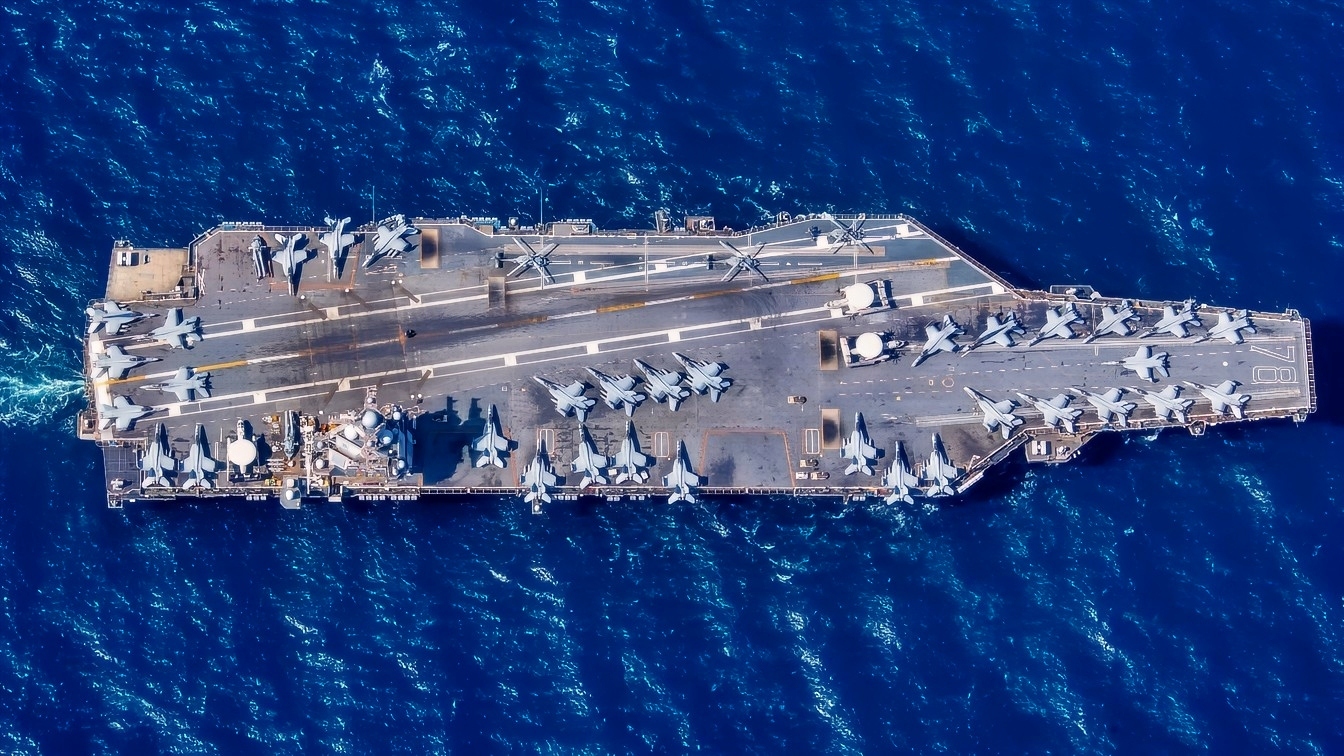
Is Iran Preparing to Charge An Hormuz Toll?: After initially announcing that a memorandum of understanding (MOU) between Washington and Iran would be signed during a ceremony on Friday, the Trump administration announced on Monday that the agreement had been signed by President Donald Trump, Vice President JD Vance, and Iranian parliament speaker Mohammad Bagher Qalibaf. The news means that the two countries have finally agreed to a framework that brings them closer to negotiating full terms over Iran’s nuclear program – but the question of how passage through the Strait of Hormuz will be facilitated lingers.
While President Trump insists that passage will be free and that commercial vessels may begin moving through the Strait immediately, Iranian officials are signaling that fees may still be charged.
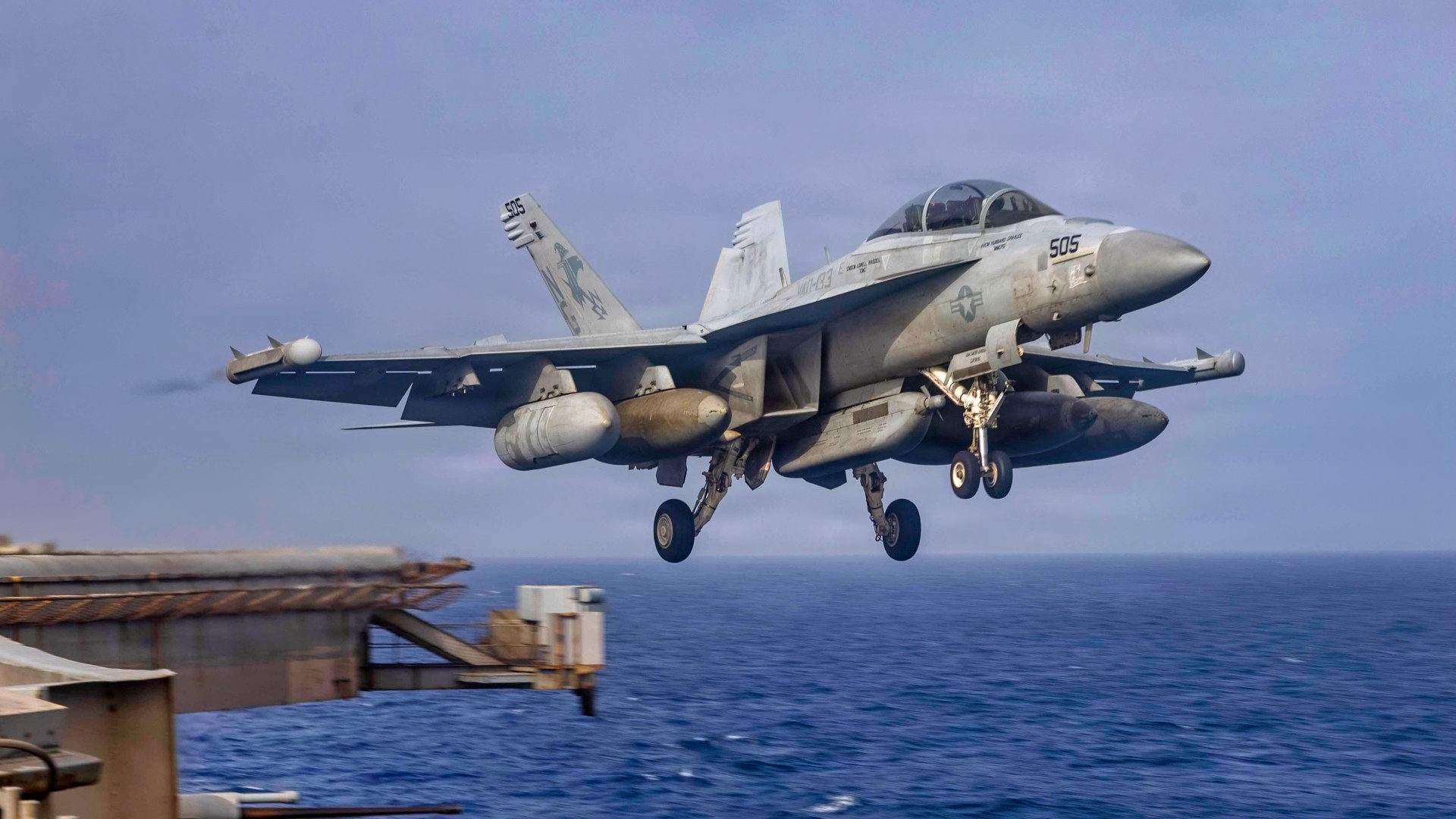
An EA-18G Growler, attached to Electronic Attack Squadron (VAQ) 133, takes off from the flight deck of Nimitz-class aircraft carrier USS Abraham Lincoln (CVN 72), May 21, 2026. Abraham Lincoln is deployed to the U.S. 5th Fleet area of operations to support maritime security and stability in the Middle East. (U.S. Navy photo)
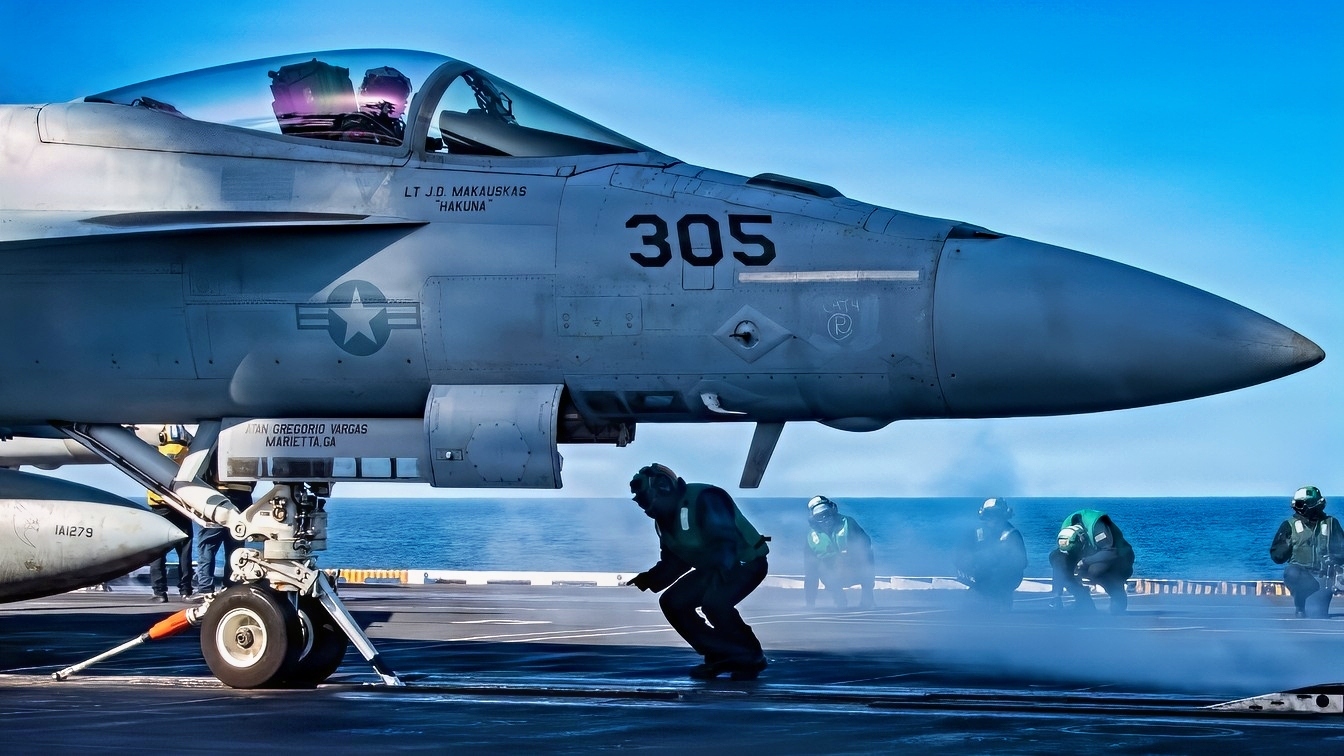
An F/A-18E Super Hornet, attached to the “Kestrels” of Strike Fighter Squadron (VFA) 137, prepares to launch from the flight deck of the Nimitz-class aircraft carrier USS Nimitz (CVN 68) in the Pacific Ocean, April 22, 2026. Nimitz is deployed as part of Southern Seas 2026 which seeks to enhance capability, improve interoperability, and strengthen maritime partnerships with countries throughout the region through joint, multinational and interagency exchanges and cooperation.
What the Trump Administration Announced
U.S. officials told media outlets on Monday that the MOU provides a structure for how the U.S.-Iran relationship will function in the future.
One official, who spoke under the condition of anonymity, described how sanctions relief for Iran would be performance-based, and that Tehran would only receive frozen funds if it proves it is willing to work with Washington on winding down its nuclear program and stopping its funding of “radicalism” in the Middle East.
“We are prepared to release frozen funds, and we are prepared to relieve sanctions, and we’ll do some small gestures of that in the beginning if they make some small gestures to us that show that they’re willing to meet their commitments as well,” a second U.S. official told Reuters.
Passage Is “Toll Free,” Washington Says
Washington is indicating that the deal, once published, will show that passage through the Strait of Hormuz will be toll-free.
On June 14, President Donald Trump announced on Truth Social that he had authorized the “toll-free opening of the Strait of Hormuz.”
“Ships of the World, start your engines. Let the oil flow!” he continued.
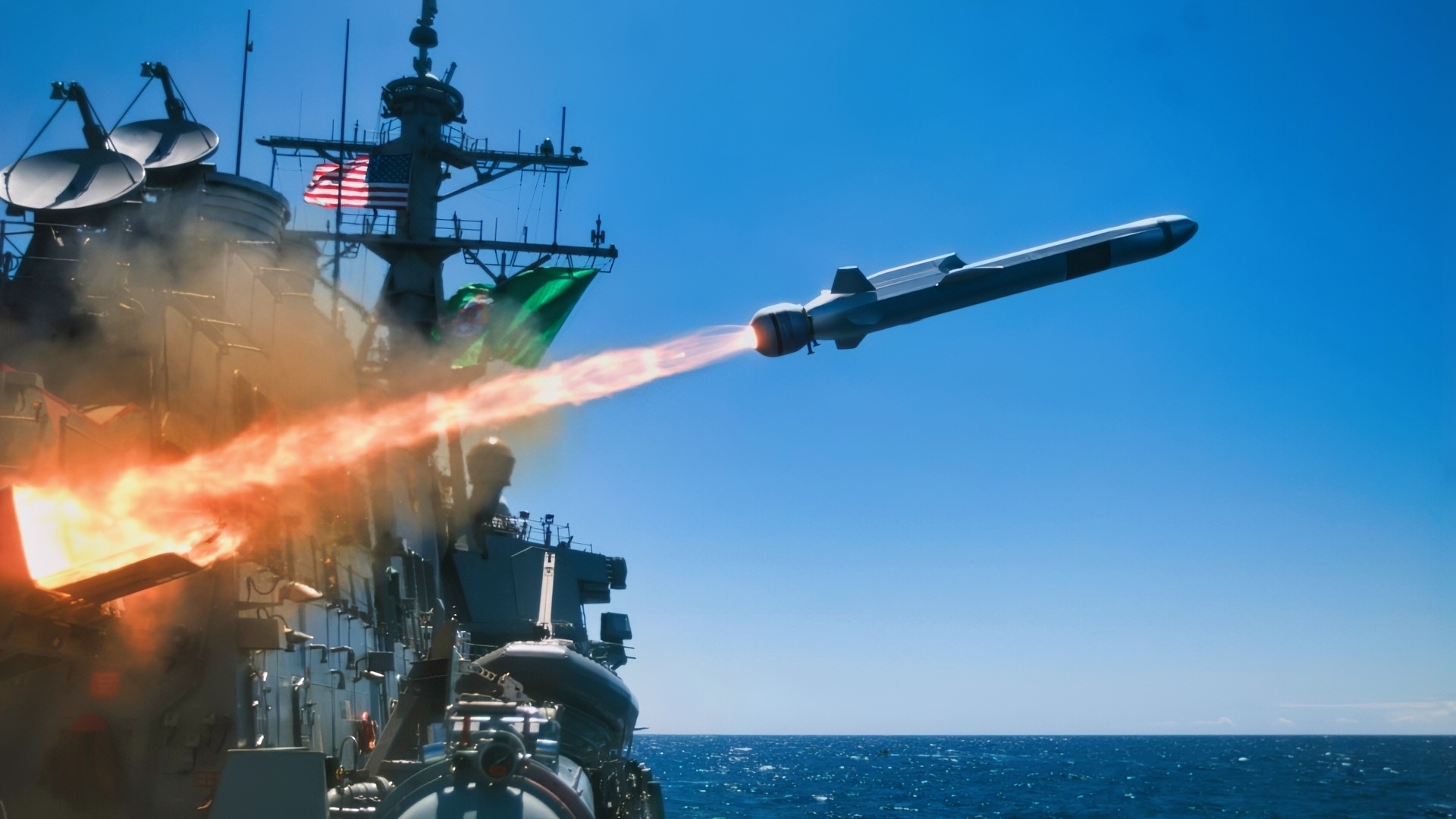
The Arleigh Burke-class guided-missile destroyer USS Fitzgerald (DDG 62), while participating in Exercise Rim of the Pacific (RIMPAC) 2024, fires the first naval strike missile from a U.S. destroyer July 18. Twenty-nine nations, 40 surface ships, three submarines, 14 national land forces, more than 150 aircraft, and 25,000 personnel are participating in RIMPAC in and around the Hawaiian Islands, June 27 to Aug. 1. The world’s largest international maritime exercise, RIMPAC provides a unique training opportunity while fostering and sustaining cooperative relationships among participants critical to ensuring the safety of sea lanes and security on the world’s oceans. RIMPAC 2024 is the 29th exercise in the series that began in 1971. (U.S. Navy photo by Mass Communication Specialist 2nd Class Jordan Jennings)
Administration officials have since doubled down on his position, with Vice President JD Vance announcing on June 15 that his expectation is that the strait “is going to be opened in a toll-free way for the long term,” although he did also acknowledge that there were ongoing “technical negotiations.”
“There are a lot of very important details to figure out,” the vice president also said. “We’re actually going to sit at the table and discuss together and figure out a path forward on these details.”
However, the messages remain mixed, with Iranian officials and media reports suggesting otherwise.
But That’s Not What Iran Said
It’s hard to determine precisely what’s going to happen in the Strait until the signed deal is published – and even then, it’s hard to know precisely how willing the regime will be to abide by the terms.
Throughout the conflict, the United States and Iran have substantially disagreed on key announcements, even as they were being made.
Even today, Iran’s state-linked Fars News Agency reported that the agreement with Washington recognizes Tehran’s right to collect toll fees from ships passing through the strait.
Citing a source familiar with the terms of the negotiation, Fars claimed that substantial amendments had been made to the agreement in the final hours of negotiations. And while President Trump’s team continues to insist that passage through the Strait of Hormuz will be toll-free, the maritime industry can only be sure of this once ships begin to pass.
In its June 15 reports, Fars reported that following the Israeli attacks on the Dahiyeh suburb of Beirut, the regime in Tehran had begun preparations for large-scale attacks against Israel. The agency’s source claimed that negotiations with President Trump followed, resulting in additional concessions in exchange for Iran refraining from launching fresh strikes.
What Fars Claimed
Among those concessions, Fars claims, were changes to the final text of the agreement, including the lifting of the naval blockade on Iran, instead of a previously-reported 30-day waiting period. Fars also claimed that the text now explicitly recognizes the sovereignty of Oman and Iran over the Strait of Hormuz.
Iranian Foreign Ministry spokesperson Esmaeil Baqaei also told reporters the same thing during a press briefing, insisting that, while there would not be a “toll,” Iran would charge “fees” for various services, including environmental protection and navigation services.
“We have always maintained that we do not seek to collect transit tolls, but fees for navigation services, environmental protection, ship insurance, and other necessary services will be charged,” Baqaei said.
The spokesperson did not, however, go into detail about what the “various services” or “other necessary services” might include, or how they differ from a toll.
At roughly noon Eastern Time, June 15, administration officials reportedly said that the full text of the memorandum, which was unexpectedly signed the same day, would be released within the next 24-48 hours.
About the Author: Jack Buckby
Jack Buckby is a British researcher and analyst specializing in defense and national security, based in New York. His work focuses on military capability, procurement, and strategic competition, producing and editing analysis for policy and defense audiences. He brings extensive editorial experience, with a career output spanning over 1,000 articles at 19FortyFive and National Security Journal, and has previously authored books and papers on extremism and deradicalization.


