

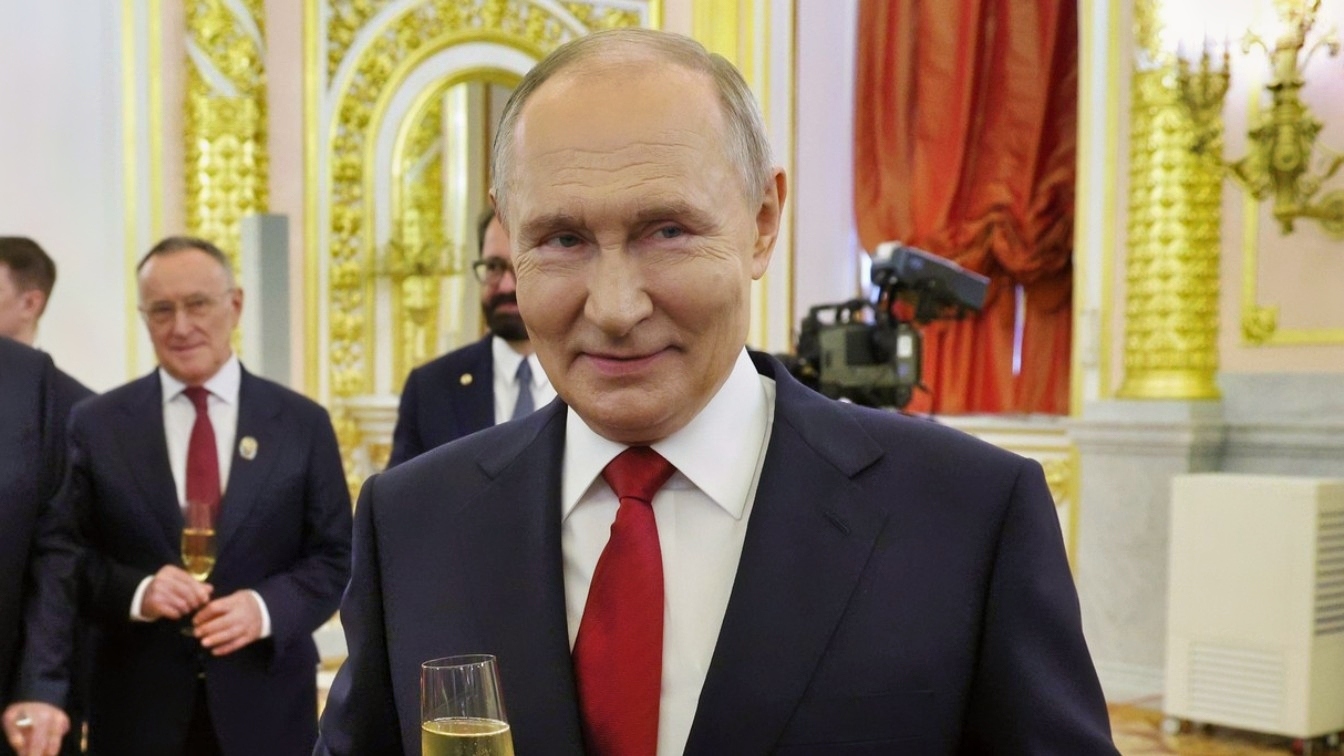
Moscow Threatens “Massive Group Strikes” After Ukrainian Drone Attack: The latest from the tone-deaf Russian Federation strikes an ominous tone.
“It is no coincidence that President Putin announced some time ago, after yet another Kyiv terrorist attack, that we will now conduct massive group strikes on a regular basis against targets whose condition directly affects the combat readiness of the Ukrainian Armed Forces,” Russian Foreign Minister Sergei Lavrov said on Thursday.
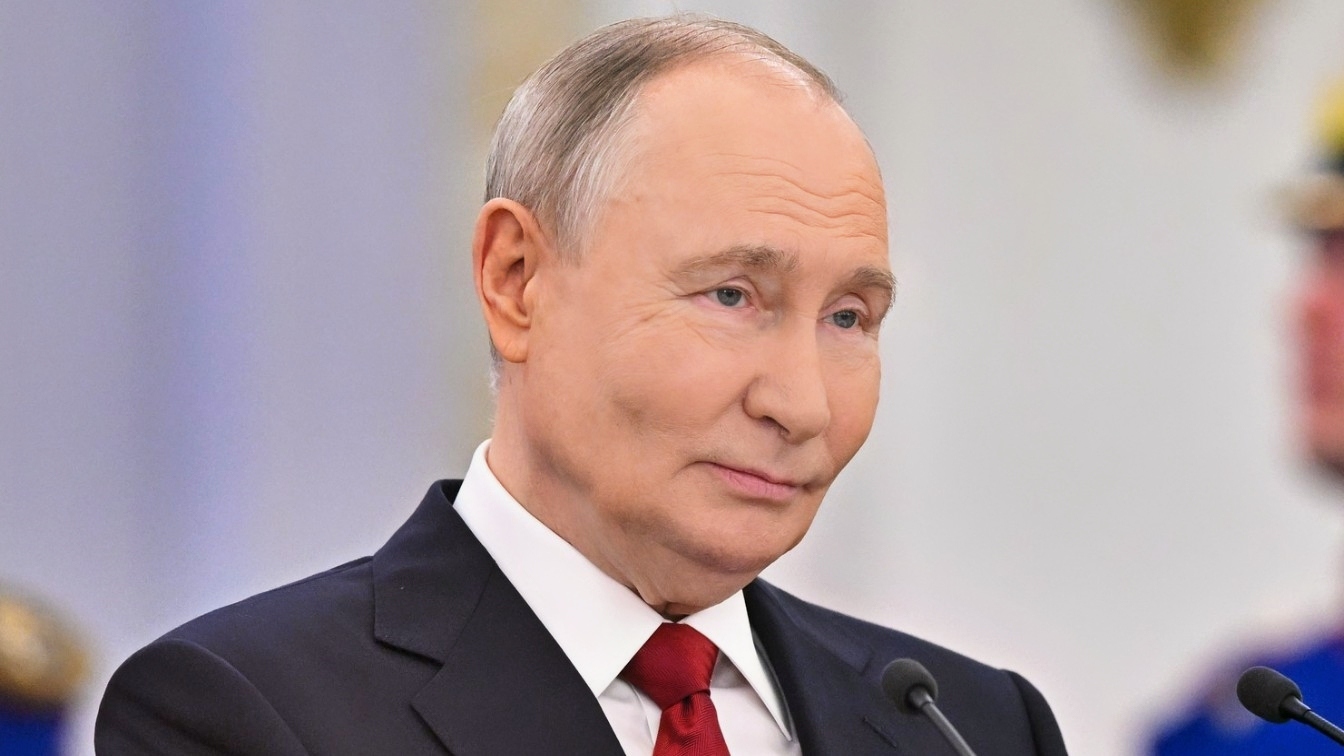
Putin in June of 2026 Image Credit Russian Federation
Lavrov was speaking to assembled media members at an event in Kazan for the two-day Association of Southeast Asian Nations meeting.
War Has Come Full Circle in Ukraine Conflict
It is of little surprise that Moscow and Russian President Vladimir Putin and his administration would utter an inconceivable response to a massive Ukrainian drone strike on an oil and gas facility in Moscow that set the refinery ablaze.
Putin’s invasion, or “the special military operation,” as he has ordered it called, has been going badly for four and a half years. Since the earliest days of the war, when the Ukrainian military had stopped the Russians cold, Moscow has made war on Ukraine’s citizens, attacking apartment buildings, neighborhoods, hospitals, and civilian infrastructure.
Now they are outraged that Kyiv is responding in kind (almost). The Ukrainian attacks are not against civilians, but against the military and Russia’s oil and gas industries, which pay for the attacks that Moscow conducts against it.
Even more embarrassing for Putin was the adoring crowd of citizens in Kazan, except that they were paid extras, as one of the president’s bodyguards was overheard giving instructions to the “massovka”, which refers to background actors hired to fill out a crowd on a film set.
But Moscow isn’t making an idle threat here, as they’ve already been conducting huge strikes against Ukrainian civilian targets. How much worse can it get? Very, unfortunately.
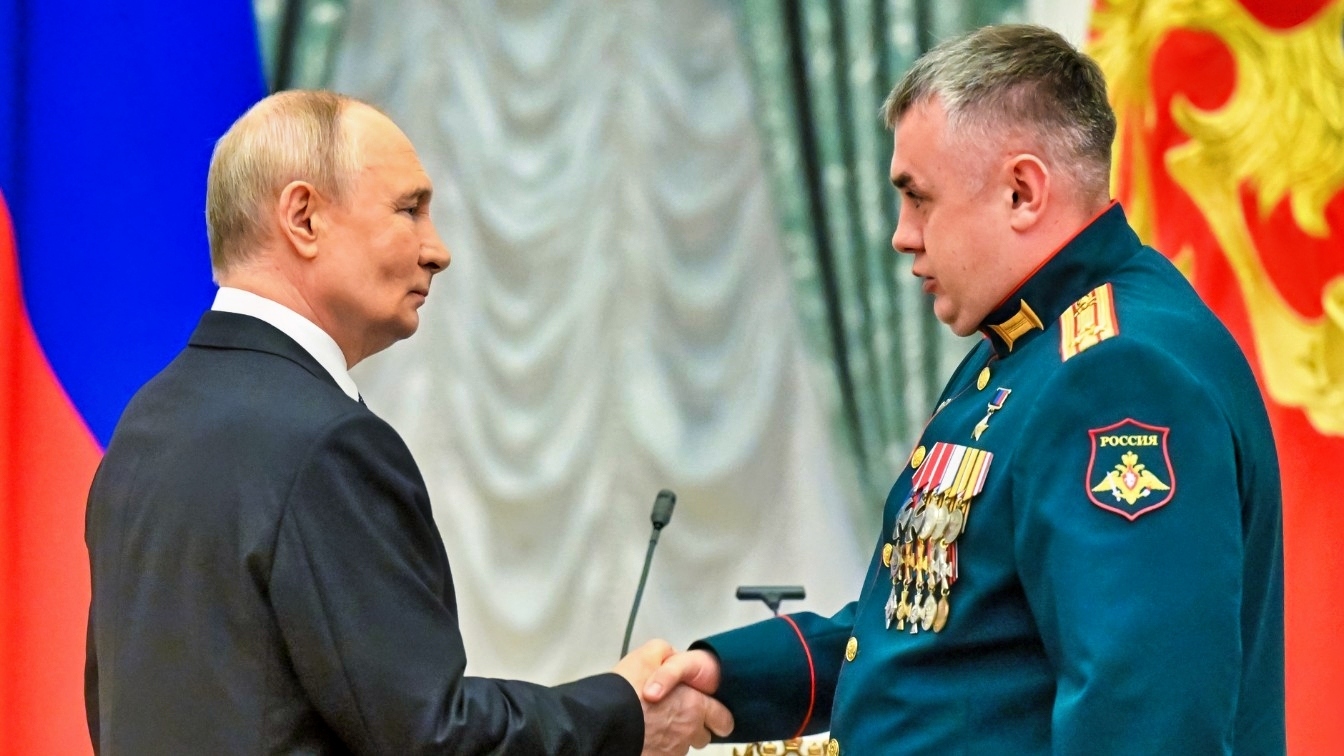
Putin and Russian Military Creative Commons Image
Ukraine’s Drone Strikes Set Moscow’s Refinery Ablaze
Unlike the attack earlier in the week that resulted in limited smoke plumes, Moscow’s skyline was covered with thick, black, acrid smoke. Once again, the drone strike disrupted service at Moscow’s four airports, resulting in 500 flight delays or cancellations.
Despite Russian authorities banning publication of the aftermath of drone strikes, social media was flooded with them. A video confirmed by NBC News showed a drone flying into a plume of smoke over the Kapotnya refinery, located southeast of Moscow and just 10 miles from the Kremlin.
Moscow residents were complaining of “black rain” after the massive drone attack on the refinery complex. Russian authorities, however, denied that any oil mist was falling on the city.
This attack on Moscow was the largest since the Russians invaded Ukraine, nearly four and a half years ago. Even the state-run news agency Tass called it “the most massive drone attack on the Moscow region in two years.”
Moscow Mayor Sergei Sobyanin said Russian anti-aircraft defenses shot down 194 Ukrainian drones during the attack. The attack wounded 17 people and was part of a large Ukrainian attack against numerous targets across the country. Russian defenses claimed to have shot down over 1,000 drones nationwide.
How Bad Can The Retaliation Get From Russia
It isn’t known how Russia will respond, but the Russian military has frequently attacked civilian targets across Ukrainian cities with ballistic missiles and drones since the war’s earliest days.
Russian hardliners and milbloggers are calling for even more brutal attacks. However, the Institute for the Study of War (ISW) reported that some Russian milbloggers criticized Russian state media for downplaying the strikes and failing to present an accurate picture of reality.
One wrote that “Russian state media have created a false reality where ‘everything is fine,’ calling for Russian media to present events accurately.”
The ISW also reported that Russian forces launched seven Iskander-M ballistic missiles/S-400 air defense missiles and 239 Shahed, Gerbera, and Italmas-type strike drones and Parodiya-type decoy drones at Ukraine overnight.
Russia will most certainly launch massive missile and drone strikes against Kyiv again, targeting civilian areas and electricity grids.
But they could also opt to attack Ukrainian economic targets, in a tit-for-tat scenario, by conducting missile and drone attacks on Ukraine’s Black Sea port facilities, cutting into Ukraine’s grain exports.
Ukraine is one of the world’s major grain exporters, and it relies heavily on its Black Sea ports, which handle more than 90 percent of its grain exports. Early in the war, Russia temporarily closed the ports but then allowed them to reopen.
By attacking the port facilities, Russia could severely impact Ukraine’s grain exports, which are a key source of foreign currency revenue.
Ukraine’s Attacks Could Escalate Even Further
The drone attacks in Moscow can escalate from localized infrastructure disruptions and localized fires into wider city-wide chaos, extended airport shutdowns, and severe supply chain crises.
Recent massive multi-drone waves demonstrate that Ukraine’s deep-strike capabilities can avoid Russian air defenses, severely threatening high-value targets, which they haven’t yet targeted.
Further attacks on the already weakened Kapotnya oil refinery could critically disable core distillation or processing units, and the region could face immediate fuel rationing, skyrocketing transit costs, and severe disruptions to local transport and commercial delivery networks.
Up to now, Ukraine has not yet targeted civilians or civilian infrastructure. Most of the damage has been caused by falling debris from shutdown drones, but if Ukraine adopts the Russian tactics of attacking civilians, the toll in civilian deaths could skyrocket.
The war and Western sanctions have taken a toll on Russia’s oil industry, which the country relies on for about one-third of its revenue. It has taken a toll on Ukraine’s civilian populace, but that could soon change to involve the Russian population as well.
About the Author: Steve Balestrieri
Steve Balestrieri is a National Security Columnist. He served as a US Army Special Forces NCO and Warrant Officer. In addition to writing on defense, he covers the NFL for PatsFans.com and is a member of the Pro Football Writers of America (PFWA). His work was regularly featured in many military publications.


