

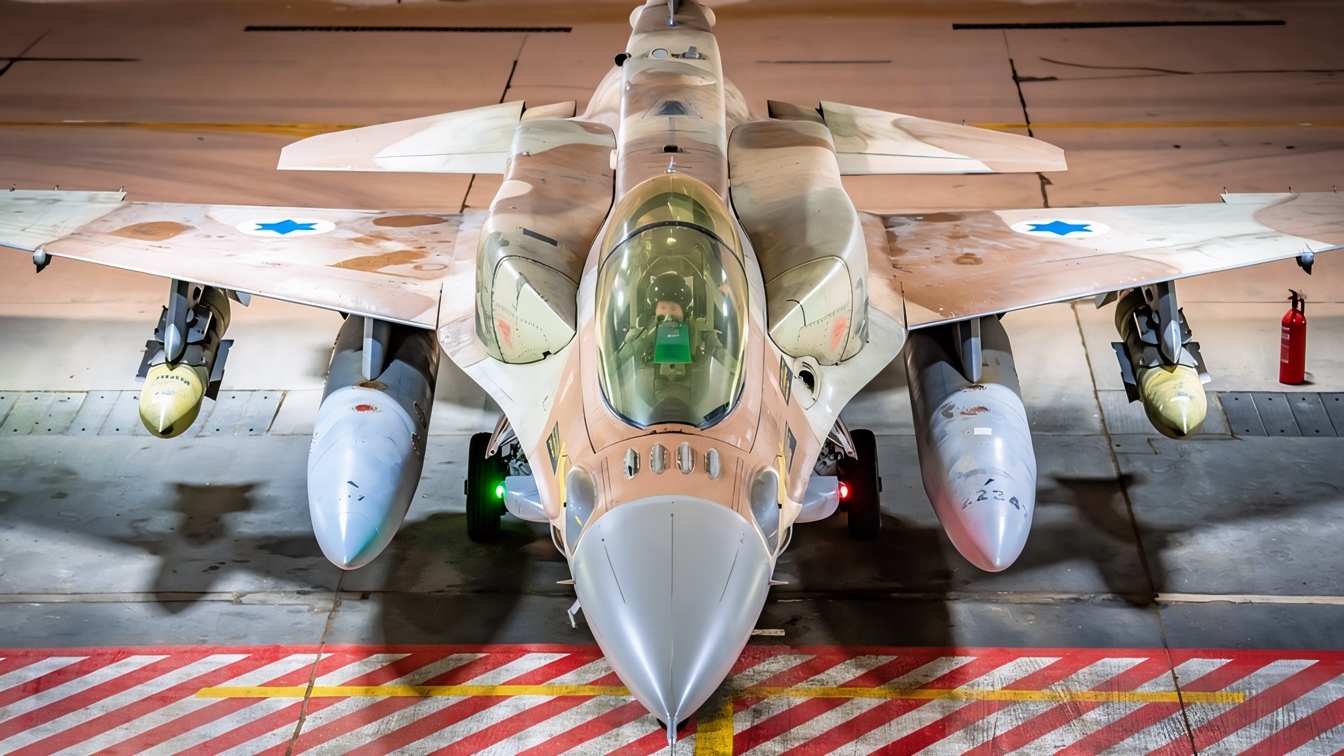
Israeli National Security Minister Itamar Ben-Gvir has publicly demanded that Prime Minister Benjamin Netanyahu reject the US-Iran memorandum of understanding (MoU).
This is a manifestation of a broader tension and raises questions about what happens if Israeli and American definitions of “victory” diverge, suggesting a potential fracture between allies pursuing different strategic objectives.
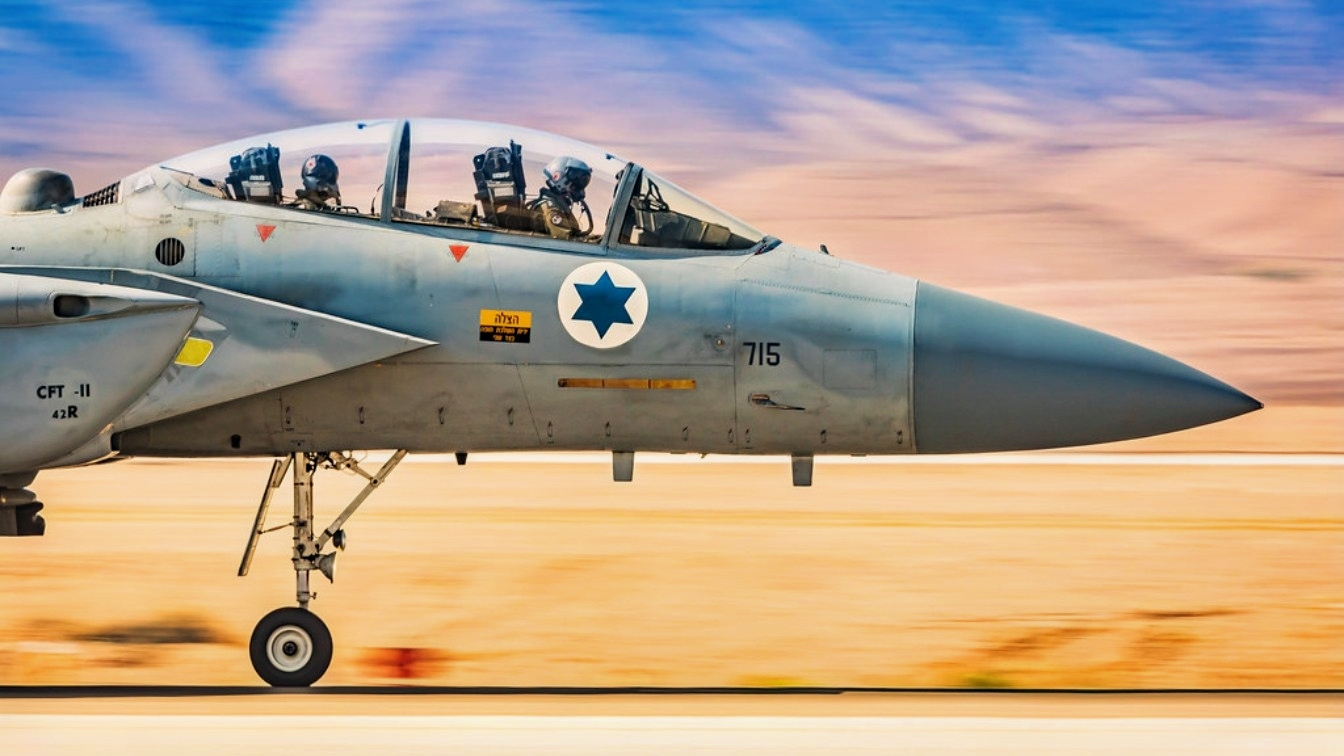
Israeli Air Force F-15I Image Credit IDF
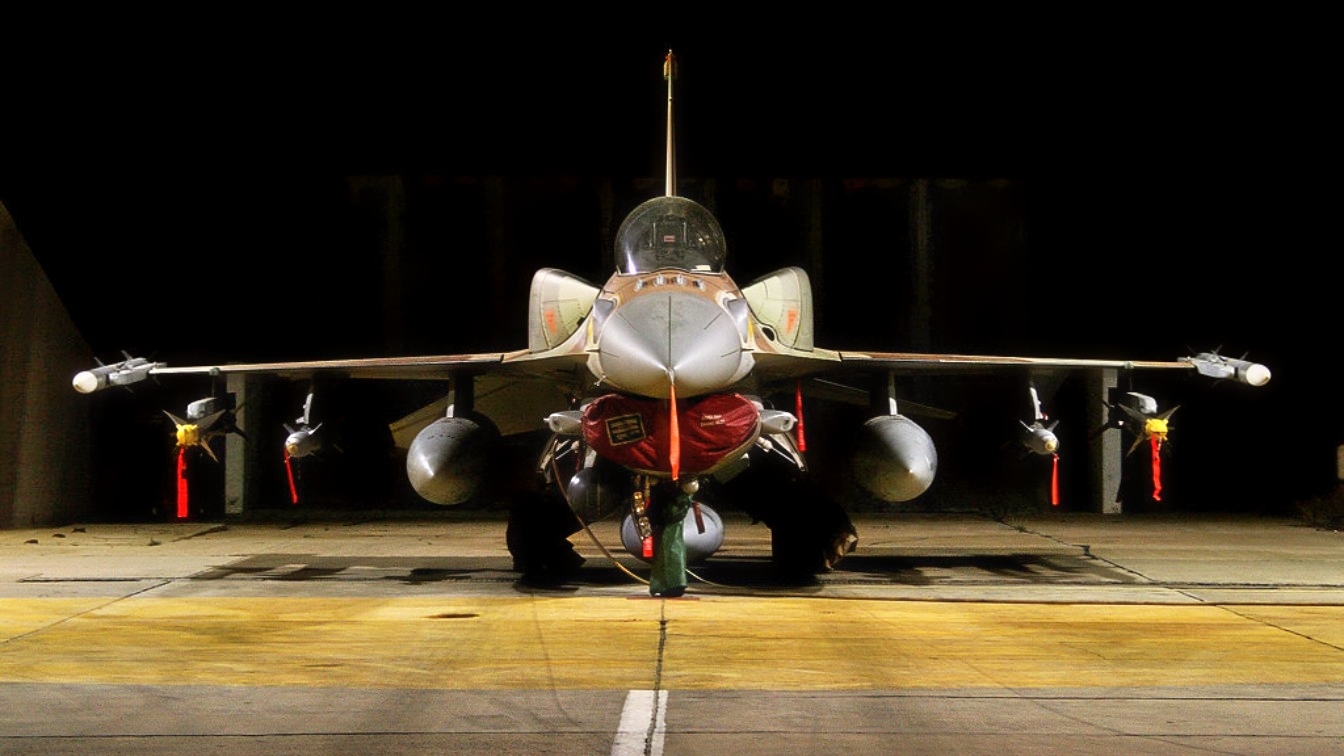
Israeli F-16 Fighter Jet IDF Flickr Photo
Israeli Balancing Act
Netanyahu is balancing multiple pressures simultaneously.
He has strong incentives not to openly confront Trump, as US military assistance remains vital, and humiliating an American president offers little upside.
Netanyahu has spent decades managing Washington while preserving freedom of action; he won’t want to sour that relationship. Historically, Netanyahu has relied on strategic ambiguity—not direct confrontation; he can praise diplomacy publicly while preserving military options behind closed doors.
So in the near future, Netanyahu will likely maintain his rhetorical alignment with the US, though Israel may begin to diverge operationally.
What a Divergence Looks Like
Breaking from America wouldn’t look like a speech or an official withdrawal from negotiations.
The break would look like Israel launching strikes so significant that it makes diplomacy impossible, expanding operations beyond what even Washington considers acceptable.
Israel could feasibly target assets whose destruction would force Tehran to respond, creating escalation dynamics that no ceasefire framework could survive.

F-15I Fighter from Israel. Image Credit: Creative Commons.

F-15I Ra’am from Israel. Image Credit: Creative Commons.
Historically, states rarely announce the end of an alliance; the relationship changes on the ground, and the politics eventually catch up to reflect those changes.
In the present case, Israel could possibly launch strikes on Iranian infrastructure or continue operations in Lebanon, something that prompts an Iranian response at a time when the US is attempting to negotiate peace with Iran.
This is where the US-Israeli break manifests—not from Netanyahu declaring divergence.
Trump Wants Out
Trump wants out of the Middle East. Every interceptor fired, every naval vessel deployed, every dollar spent is a finite resource that cannot be allocated toward the Indo-Pacific, by far the more strategically important region.
Further, Trump recognizes that his public is growing fatigued with Epic Fury, and that the longer he’s committed to the region, the more hypocritical his campaign message of ending wars forever and getting out of the Middle East sounds.
So Trump wants to pivot, but Israel is not necessarily satisfied with the status quo. Israel wants to terraform in Lebanon to physically prevent Hezbollah from launching attacks and to further degrade Iranian infrastructure.
What is a satisfying (or at least acceptable) conclusion to hostilities for Trump is not for Israel, which does not need to allocate resources to the Indo-Pacific and instead views Hezbollah and Iran as immediate and existential threats.
Trump is willing to accept stability, but Israel wants more permanent security. Naturally, these differing end goals require different timelines.

Fighters from the Lebanese militant group Hezbollah carried out a training exercise in Aaramta village in the Jezzine District, southern Lebanon, on Sunday, May 21, 2023. The show of force came ahead of “Liberation Day,” the annual celebration of the withdrawal of Israeli forces from south Lebanon on May 25, 2000, and in the wake of a recent escalation of the Israel-Palestine conflict in the Gaza Strip.
Consequences of a Break
Were the US and Israel to diverge, the consequences could be significant. Most immediately, the regional conflict could renew, with proxy attacks, shipping disruptions, and energy market volatility.
The alliance itself would be affected, too.
Visible strain between Trump and Netanyahu could spark debates over weapons transfers and support, and slowly erode the relationship.
And if Israel continues operations against Iran and its proxies, it could make nuclear diplomacy with Iran more difficult; Iran would see a stronger incentive to accelerate deterrent capabilities while making monitoring and verification more difficult.
Significance of the Comments
Ben-Gvir’s comments are important because they highlight a strategic fault line; that prominent Israelis are speaking openly about breaking with the US is a significant development in the alliance.
As Trump seeks to conclude Epic Fury, leaving the US manageable if not “solved,” Israel wants a more decisive outcome that more likely guarantees its longer-term security.
To the extent those different objectives remain compatible, the alliance can hold. But if those objectives come to require an operational divergence, the alliance may fray.
About the Author: Harrison Kass
Harrison Kass is a writer and attorney focused on national security, technology, and political culture. His work has appeared in Tablet, City Journal, The Hill, The Spectator, and The Cipher Brief. He holds a JD from the University of Oregon and a master’s in Global & Joint Program Studies from NYU. More at harrisonkass.com.


