

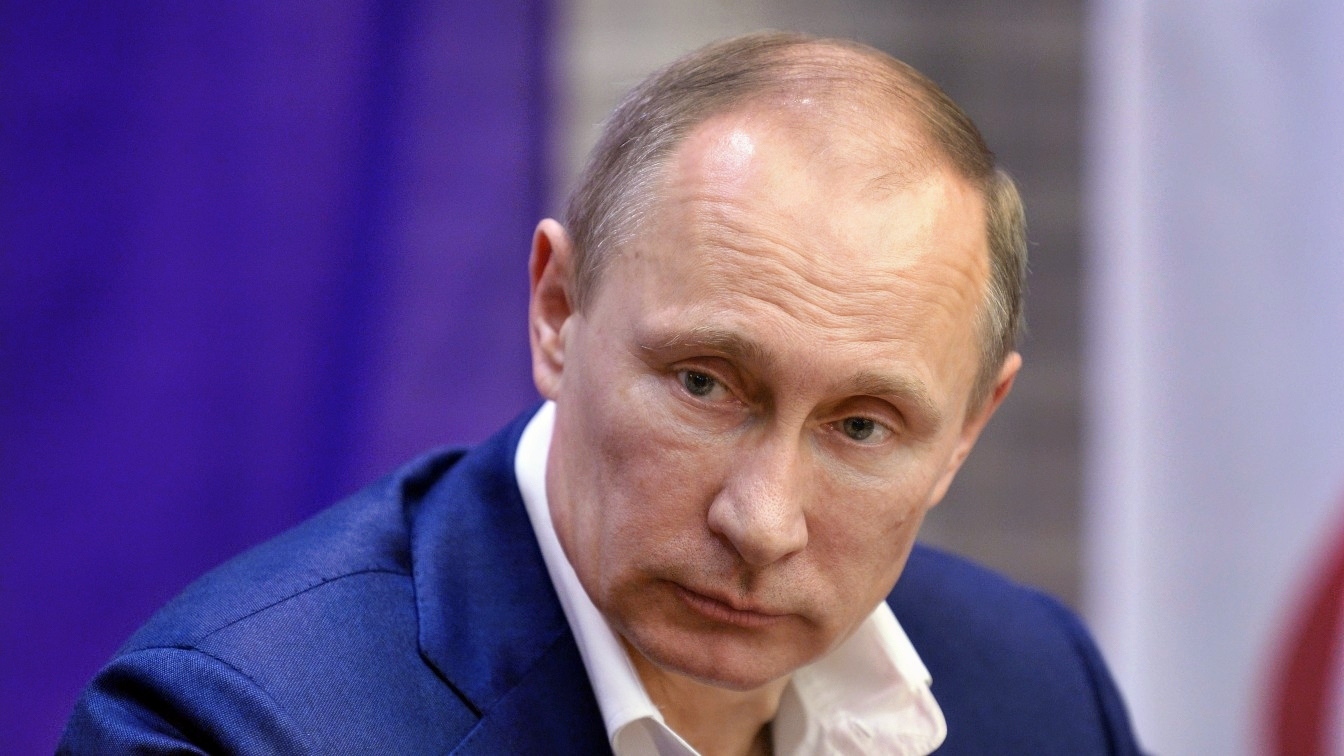
Pressure is mounting on the Kremlin as Ukraine’s long-range drone strikes have had tangible effects on the economy. With gas shortages reported across the country and long lines forming at gas stations, there is a general feeling of unease and discontent in Russia. Vladimir Putin’s response? Basically nothing. Rather than easing up on the war in Ukraine or looking for a ceasefire, the Kremlin has instead doubled down on the war. As the Russian Army advances at a snail’s pace in the Donbas, Moscow continues to launch large combined missile/drone attacks against Kyiv. Unfortunately, despite the pressure brought on by Ukraine’s drone attacks, the Kremlin still shows no intent to end the war any time soon.
Bringing the War to Russia
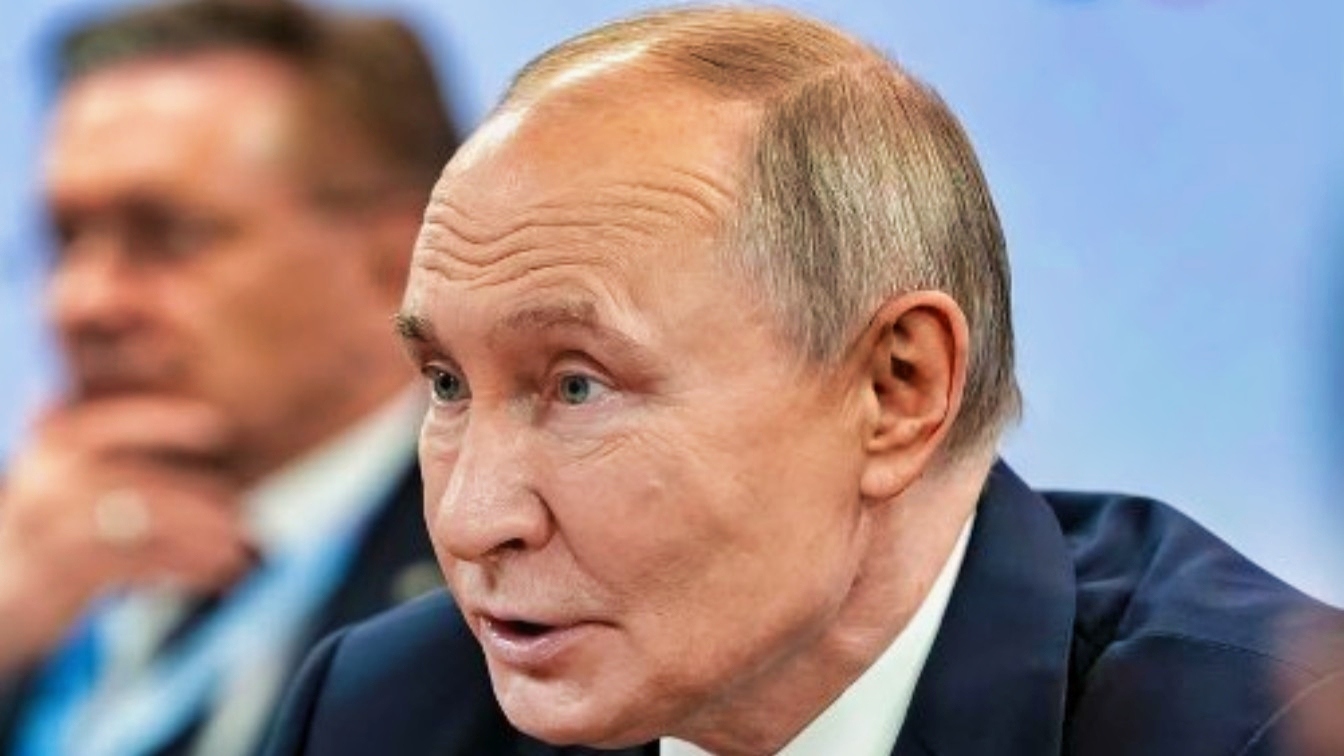
Putin June 2026 Kremlin Photo Handout.
Since 2026, Ukraine has significantly ramped up its drone attacks against oil refineries and other infrastructure throughout Russia. Such attacks were recorded in 2025, but they were not large enough in scale to have any real, tangible impact on the Russian economy.
This year, Ukraine’s drone campaign has ramped up in scale, with long-range drones breaching Russian airspace seemingly every other day. Consequently, most regions in Russia have been forced to implement fuel rationing as civilians panic and rush to stock up on gasoline. Fuel shortages have been observed throughout the country, and civilians often have to wait hours to fill up their cars, if they can even find a gas station with fuel.
The Russian government is currently in full damage-control mode to restore public order. The governor of Siberia’s Tyumen region, Alexander Moor, stated that the fuel shortage was a seasonal problem but was exacerbated by panicked civilians.
“Fuel is arriving. Perhaps with some delays, but in principle it’s available,” the governor said. Since the fuel shortages began, Russia has been forced to import fuel from other nations such as Belarus, China, and India. Russia remains one of the world’s leading exporters of unrefined natural gas, but as its fuel refineries come under constant attack, the country’s supply of usable gasoline for its own citizens has diminished.
Moscow Strikes Back
Despite the mounting pressure from Ukraine, the Kremlin remains undeterred.
In a recent interview, Vladimir Putin stated that Kyiv reached out to the Kremlin and promised to cease its drone campaign if Moscow agreed to stop its long-range strikes against Ukraine. Putin flatly rejected the proposal. “It is clear why this proposal has been made,” the Russian President said. “Because our counter-strike attacks deep inside Ukrainian territory are much more powerful and sensitive than those that have really serious consequences for the Kyiv regime.” There is, unfortunately, a lot of truth to this statement.
While Ukraine’s drone attacks have improved in scale and intensity over the last four years, they pale in comparison to the massive Russian drone/missile attacks, which have sadly become commonplace in Ukraine.

A 35th Fighter Squadron F-16 Fighting Falcon flies near the Korean peninsula during a dogfighting training scenario during exercise Ulchi Freedom Shield 25 at Kunsan Air Base, Republic of Korea, Aug. 20, 2025. UFS25 is a combined, joint, all-domain military training exercise that integrates ground, air, naval, space, cyber and information elements, enhancing readiness through realistic combat simulations. (U.S. Air Force photo by Senior Airman Landon Gunsauls)
Just a day ago, Russia launched a massive combined attack against the capital of Ukraine, utilizing around 74 missiles and almost 500 attack drones.
The attack, according to some reports, utilized around 12 Zircon hypersonic missiles, all of which struck their targets.
The main targets for the attack, according to OSINT reports, were logistics hubs, drone assembly workshops, industrial sites, and other locations allegedly used by the military.
The attack also had a higher-than-usual civilian death count, with more than 30 civilians reportedly killed and more than 100 wounded.
An Uphill Battle For Ukraine
Despite the long lines for gas at the local stations, the Russian war machine is still alive and well. Ukraine’s attacks have yet to reach anywhere near the scale and intensity of Russia’s attacks.
It is important to remember that Russia is a massive country with its resources spread all throughout its vast territory. Its missile and drone production far exceeds Ukraine’s (except maybe in the realm of smaller kamikaze drones) and rivals NATO’s combined industrial output. In other words, that which Ukraine can do to Russia, Russia can do tenfold to Ukraine.
On the ground, things are more or less unchanged.
Despite increased attacks against Russia’s backline, the front continues to move slowly in Russia’s favor. The Russian Army is currently advancing towards the cities of Slovyansk and Kramatorsk, the last major fortress cities in the Donbas.
The fight for these cities will likely take many months, and their loss will not end the war, but they are the last and strongest lines of defense for Ukraine in Donetsk. Ukraine has managed to achieve some local success in the past months, but has yet to dislodge the Russians from any major strategic positions and faces an uphill battle as manpower shortages persist.
Putin isn’t Backing Down
With this in mind, it should come as a surprise to no one that Putin feels no need to slow down the war in Ukraine. Obviously, the problem of Ukrainian drones will persist and likely grow more severe, but its resources are far vaster than Ukraine’s.
Despite discontent rising among ordinary Russians, the Kremlin has spent decades consolidating its power, removing dissidents, and hardening itself against any potential coups.
Putin’s grip on power is still tight, and there is little that average citizens can do besides silently grumble amongst themselves. It is unfortunate, but Russia, the Kremlin, and Putin are all here to stay for the foreseeable future.
About the Author: Isaac Seitz
Isaac Seitz, a Defense Columnist, graduated from Patrick Henry College’s Strategic Intelligence and National Security program. He has also studied Russian at Middlebury Language Schools and has worked as an intelligence Analyst in the private sector.


