
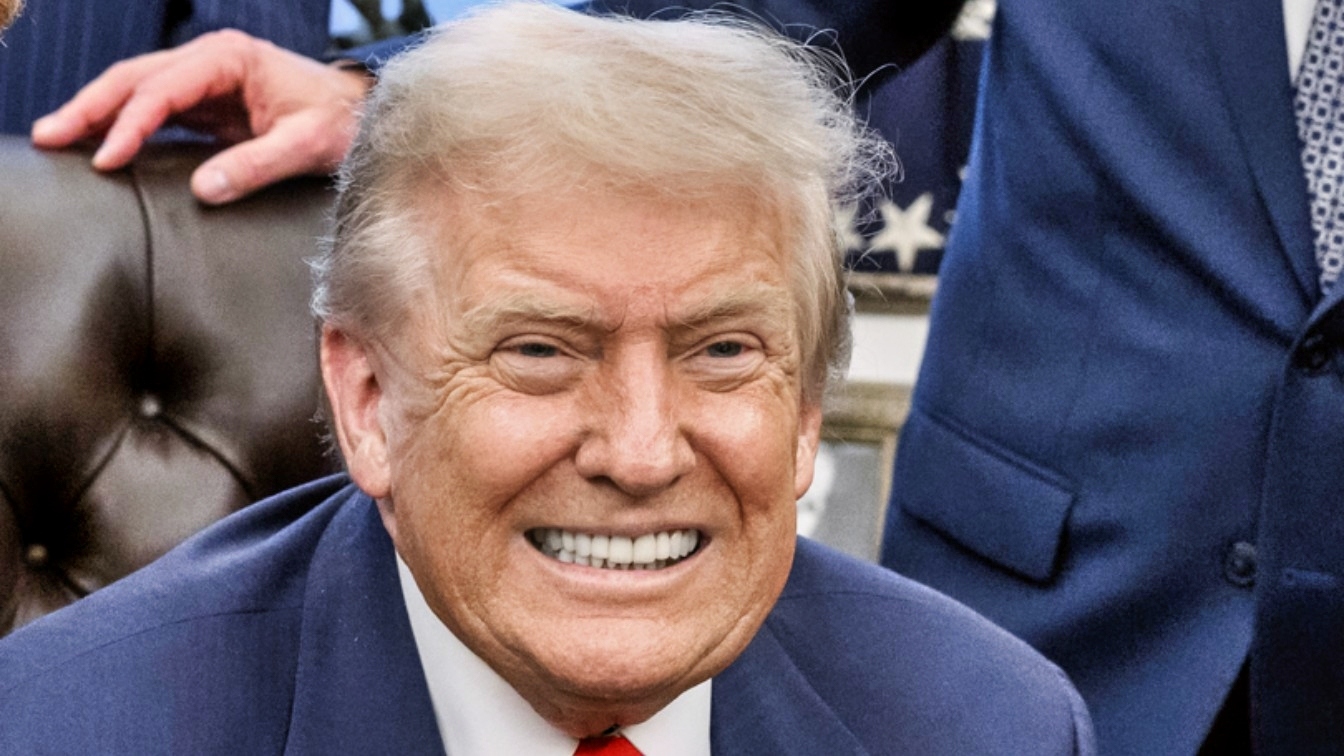
U.S. Targets Iranian Military Sites Ahead Of Blockade: The United States launched a new wave of military strikes against Iran on Monday, July 13, this time targeting military infrastructure along the country’s southern coastline. The attacks took place just hours before Washington plans to reinstate its naval blockade of Iranian ports. In a statement, U.S. Central Command (CENTCOM) described a five-hour mission that concluded at 10:15 pm Eastern Time and struck Iranian coastal defense systems and missile and drone sites. The strikes were also designed to destroy any maritime capabilities that would have threatened commercial shipping through the Strait of Hormuz.
The U.S. naval blockade of Iranian-linked ships leaving the Strait of Hormuz is set to restart at 4 pm Eastern on Tuesday, July 14. According to CENTCOM, the blockade will once again target any Iranian maritime traffic leaving or entering the country’s ports. The blockade is designed to prevent the regime in Tehran from generating foreign currency, effectively starving the national economy of critical fuel export revenue at a time of extreme economic crisis.
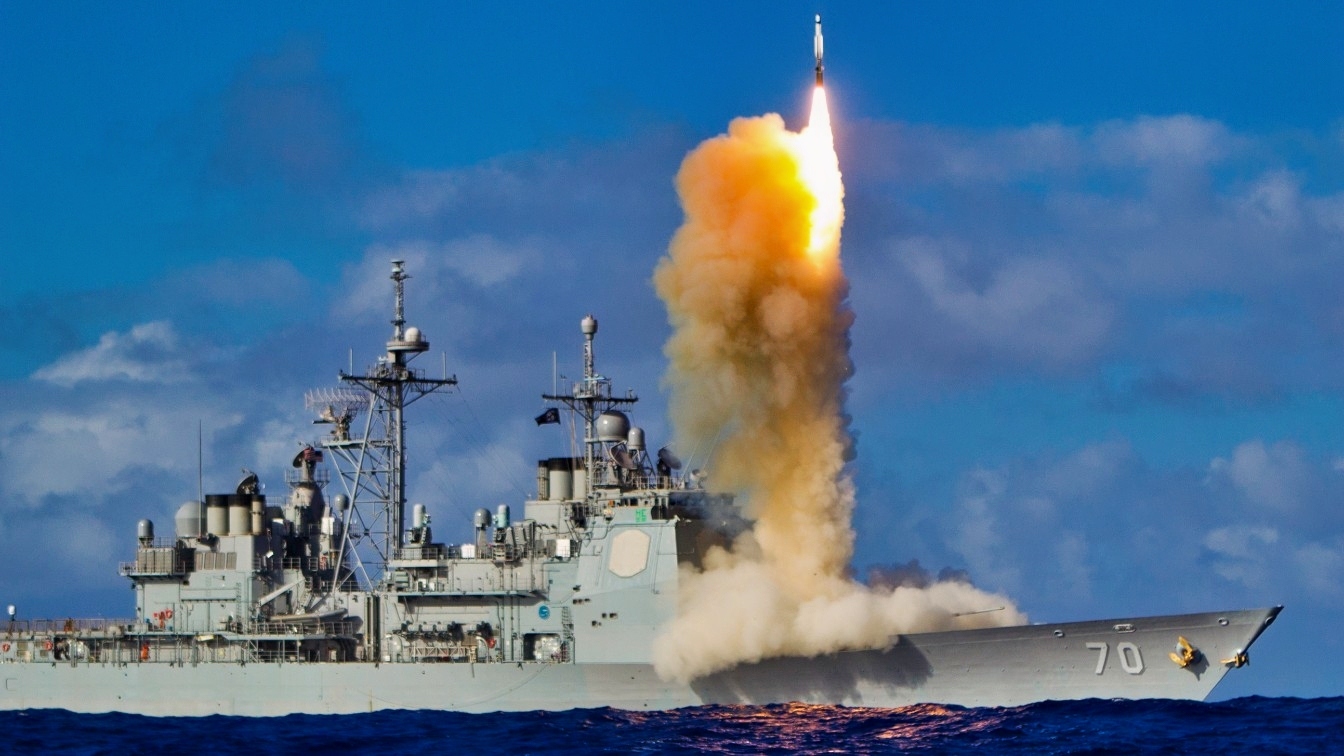
A Standard Missile-3 (SM-3) Block 1B interceptor missile is launched from the guided-missile cruiser USS Lake Erie (CG 70) during a Missile Defense Agency and U.S. Navy test in the mid-Pacific. The SM-3 Block 1B successfully intercepted a target missile that had been launched from the Pacific Missile Range Facility at Barking Sands in Kauai, Hawaii. Lake Erie detected and tracked the target with its on board AN/SPY-1 radar. The event was the third consecutive successful intercept test of the SM-3 Block IB missile. (U.S. Navy photo/Released)
The strikes are just the latest in a string of escalations between Washington and Tehran that led to the collapse of the June memorandum of understanding (MOU) ceasefire agreement.
CENTCOM Confirms Naval Blockade
The strikes not only assist in protecting commercial vessels passing through the strait, but also degrade Iranian military capability ahead of likely attempts to target U.S. military vessels supporting the blockade.
On July 13, CENTCOM confirmed that the blockade would resume on Tuesday and that it would be enforced “against vessels transiting to or from Iranian ports and coastal areas.”
“The resumption of the U.S. blockade against Iran follows the initial implementation from April 13 to June 18. CENTCOM forces redirected more than 140 compliant vessels, disabled nine non-compliant ships, and allowed over 50 commercial vessels supporting humanitarian aid to pass through the blockade during the two-month period,” the statement also explained, adding that all mariners are now advised to monitor broadcasts for support as the U.S. takes control of the Strait.
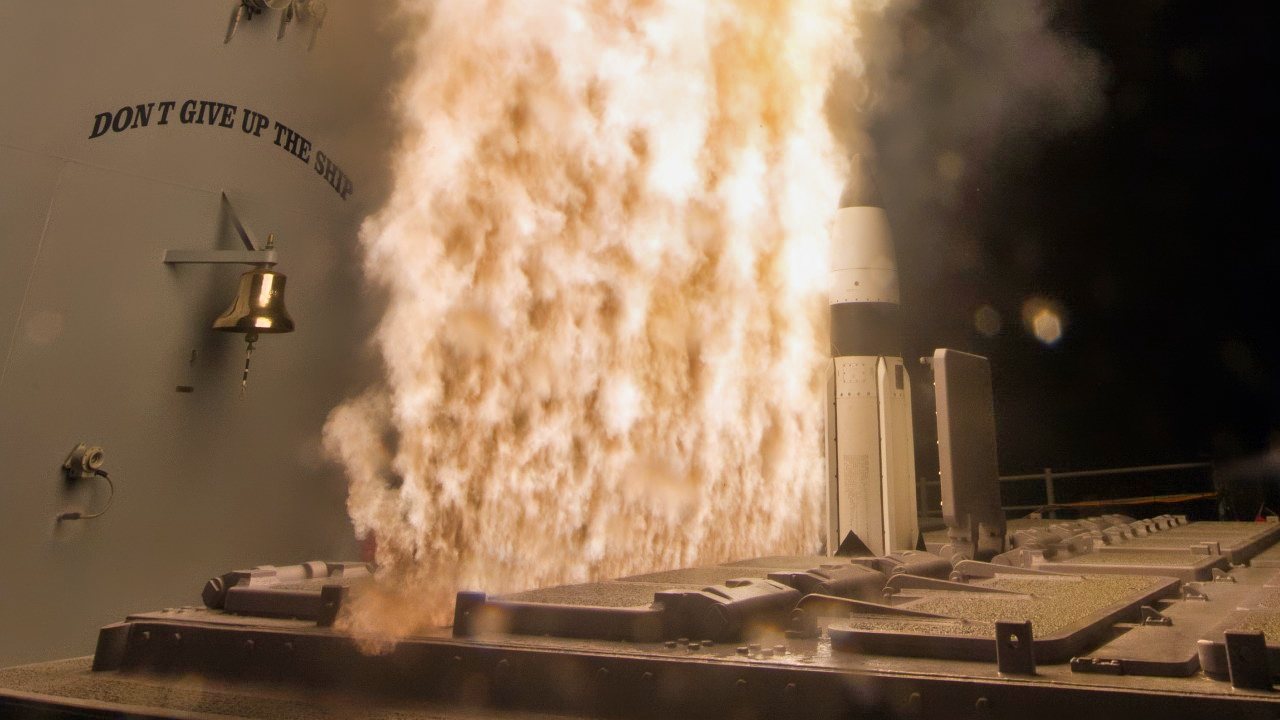
(Feb. 13, 2013) A Standard Missile-3 (SM-3) Block 1A interceptor is launched from the guided-missile cruiser USS Lake Erie (CG 70) during a Missile Defense Agency and U.S. Navy test in the Pacific Ocean. The SM-3 Block 1A successfully intercepted a target missile that had been launched from the Pacific Missile Range Facility, Barking Sands, Kauai, Hawaii. (U.S. Navy photo/Released)
Trump Confirms (and Changes) Plans
In a Truth Social post, the president claimed that oil is once again moving through the Strait of Hormuz following the latest U.S. strikes against Iranian military infrastructure and thanked U.S. officials for opening up the waterway.
“Oil is flowing like never before, thanks to the awesome Power of the United States Military. A special salute to Secretary of War, Pete Hegseth, Chairman of the Joint Chiefs of Staff, Dan Caine, and Commander of the United States Central Command, Admiral Brad Cooper. Because of them, and all members of the Most Powerful Military anywhere in the World, BY FAR, the Strait of Hormuz is open to ALL Ship traffic except for Iran — and that is because of their lying, violent, malicious leadership, which is taking them down the path of TOTAL DESTRUCTION,” the president wrote.
Trump described the next steps as a “FULL Blockade” that specifically targets ships “coming to and from Iranian ports, or carrying anything have [sic] to do with Iranian cargo.”
Reversed Toll Plans
The president also appeared to reverse plans announced the day before, when Trump said he would replace Iran’s proposed toll, or “service fee,” arrangement with a fee payable to the United States equal to 20% of the cargo carried by each vessel transiting the strait. The president’s suggestion came as a surprise but was designed to ensure that the United States can continue to financially justify its continued military presence in the Strait of Hormuz that could extend for as long as it takes to fully neutralize the threat from Iran. In his latest statement, however, the president said that he would replace the proposed 20% fee with trade deals that benefit the United States.
“Based on highly productive conversations with Middle East leadership, I have decided to replace the 20% United States Reimbursement Fee with Trade and Investment Deals that the various Gulf States will be making into the United States. Those Investments will be MASSIVE but, at the same time, extraordinarily good for them, and their future. As everyone is aware, we have the largest Dollar Investment into the United States, of any Country in History, but these new Investments will make that Number even larger, and we will see Factories, Plants, and Equipment pour into the United States at Historic levels, which will create additional millions of High Paying AMERICAN Jobs!” Trump said.
It Needs to Work
The operation is critical for President Trump, with the global economy depending on the U.S. to protect ships passing through the Strait. Brent crude surged nearly 10% on Monday to more than $83 per barrel, then climbed again to $85 on Tuesday, the highest level in a month. With roughly one-fifth of the world’s seaborne oil passing through the Strait of Hormuz, the success of Washington’s effort to open the strait will determine whether those prices keep rising.
About the Author: Jack Buckby
Jack Buckby is a British researcher and analyst specializing in defense and national security, based in New York. His work focuses on military capability, procurement, and strategic competition, producing and editing analysis for policy and defense audiences. He brings extensive editorial experience, with a career output spanning over 1,000 articles at 19FortyFive and National Security Journal, and has previously authored books and papers on extremism and deradicalization.


