

Russia Wants 30,000 More North Korean Troops for Ukraine, Zelensky Says: Russia is preparing to receive another 30,000 North Korean troops for its war against Ukraine, President Volodymyr Zelensky said on July 25. A Reuters report on the claim said preparations had been underway in Russia’s Voronezh region since June. Neither Moscow nor Pyongyang had confirmed the proposed deployment by July 26.
Zelensky also said North Korea was preparing to transfer additional ballistic-missile launchers to Russia. His official evening address described the intelligence as part of a wider Russian plan for the fall. Ukraine has not released a deployment timetable or public evidence supporting the 30,000 figure.
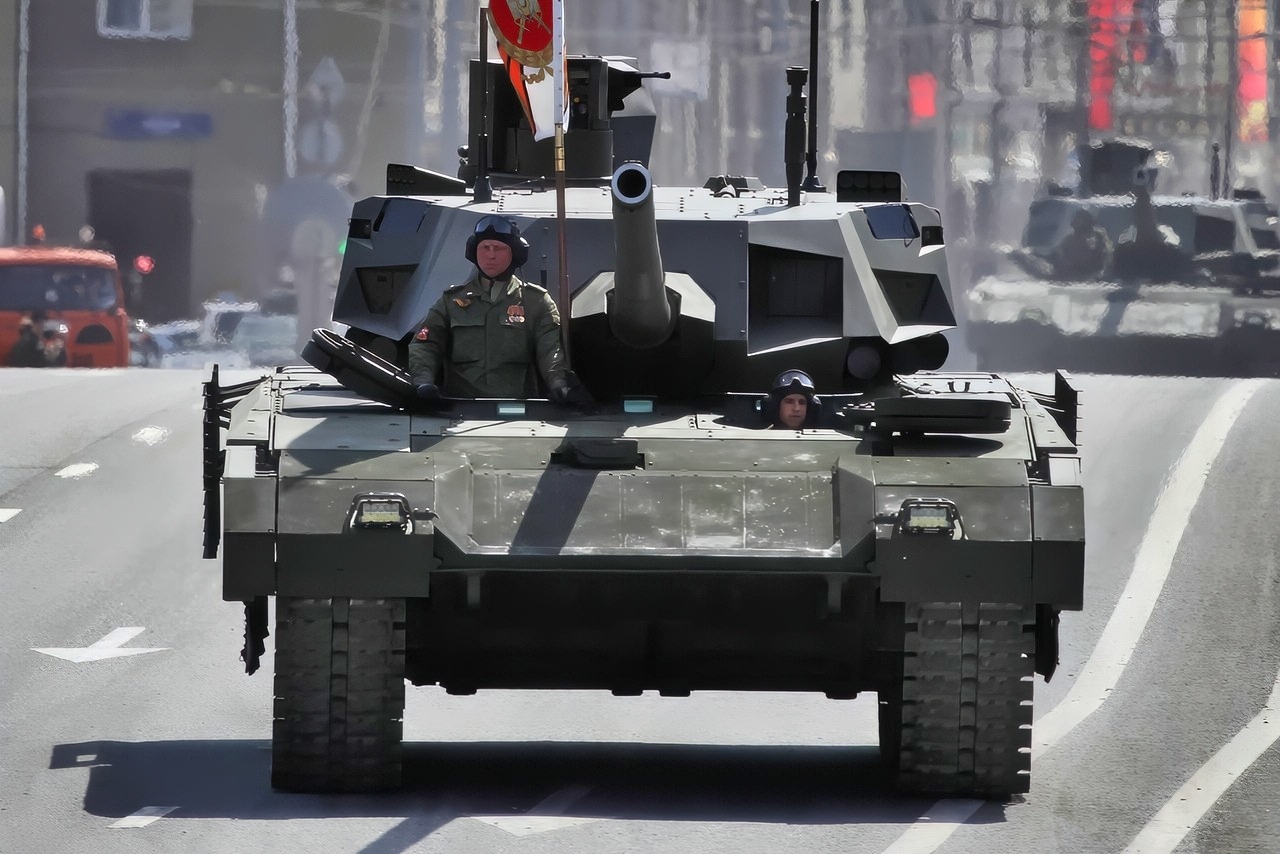
T-14 Armata Tank from Russia. Image Credit: Creative Commons.

T-14 Armata Tank. Image Credit: Creative Commons.
North Korea previously sent an estimated 14,000 soldiers to Russia, including reinforcements, under the defense treaty signed by Vladimir Putin and Kim Jong Un in 2024. Those troops helped Russian forces retake territory in Kursk after Ukraine’s cross-border offensive.
Putin met North Korean Foreign Minister Choe Son Hui in Moscow on July 20 and thanked Pyongyang for its wartime support. The latest high-level meeting followed North Korea’s promise to support Russia until victory and discussions on implementing the strategic partnership.
Russia Could Use North Korean Troops to Ease Manpower Pressure
Russia continues recruiting heavily, but its losses remain severe. The Center for Strategic and International Studies estimated that Russian forces were sustaining 30,000 to 34,000 casualties per month in 2026 while recruiting about 27,000 people. Its July assessment placed total Russian battlefield casualties near 1.4 million through June.
An additional 30,000 North Korean personnel would roughly match one month of Russian casualties at the upper end of that estimate. They would not replace experienced commanders, drone operators, engineers or medics. The previous deployment showed that North Korean units paid a heavy price in Kursk before adapting to drones, artillery and Russian procedures.
Zelensky did not say whether the new contingent would enter frontline combat, protect border regions or support engineering and logistics. Even rear-area duties could release Russian formations for other sectors and reduce the political pressure for another broad Russian mobilization. The force would still expand a partnership already supplying Russia with manpower and ammunition.
North Korea Is Already Supplying Missiles and Artillery
The Multilateral Sanctions Monitoring Team documented as many as 9 million North Korean artillery and rocket rounds delivered to Russia during 2024. The same report said Pyongyang transferred at least 100 ballistic missiles and more than 200 artillery, rocket-launcher and support vehicles.
Those shipments helped Russia maintain a high rate of fire after older stocks declined. Moscow’s dependence on North Korean ammunition has become part of its wartime logistics. The claim about additional launchers suggests Pyongyang could expand missile support, although no independent evidence has confirmed a new transfer.
North Korean KN-23 and KN-24 missiles have also changed during the war. Ukrainian officials reported improved accuracy in later launches, making combat-tested North Korean missiles a growing concern. Additional launchers would give Russia more capacity while North Korea collects data from operational use.
North Korea Is Receiving Combat Experience and Russian Technology
The exchange strengthens North Korea as well as Russia. The sanctions-monitoring report said Moscow was believed to have provided Pyongyang with air-defense equipment, anti-aircraft missiles and advanced electronic-warfare systems. Soldiers returning from Russia can also carry lessons on drones, small-unit tactics and command procedures.

Iskander-M. Image Credit: Creative Commons.
That experience matters on the Korean Peninsula. Pyongyang’s interest in Russian military technology extends beyond financial and energy assistance. South Korea and Japan could eventually face North Korean units with more battlefield experience and improved weapons.
Russia and North Korea Have Not Confirmed the Deployment
Zelensky’s 30,000 figure remains an intelligence claim. A deployment of that size should eventually leave visible transport and training evidence. He did not identify when the troops might arrive or where Russia would use them. Moscow and Pyongyang acknowledged the earlier Kursk deployment only after months of denials and ambiguity.
The next evidence will come from transport movements into Voronezh, training activity, satellite imagery, Russian equipment issued to incoming units and official assessments from Seoul or Kyiv. If the deployment occurs, it would more than double Pyongyang’s previous commitment and show how heavily Russia is relying on foreign manpower to sustain the war.
About the Author: Harry J. Kazianis
Harry J. Kazianis (@Grecianformula) is the former Senior Director of National Security Affairs at the Center for the National Interest (CFTNI), a foreign policy think tank founded by Richard Nixon based in Washington, DC. Harry has over a decade of experience in think tanks and national security publishing. His ideas have been published in the NY Times, The Washington Post, The Wall Street Journal, CNN, and many other outlets worldwide. He has held positions at CSIS, the Heritage Foundation, the University of Nottingham, and several other institutions related to national security research and studies. He is the former Executive Editor of the National Interest and the Diplomat. He holds a Master’s degree focusing on international affairs from Harvard University.


