

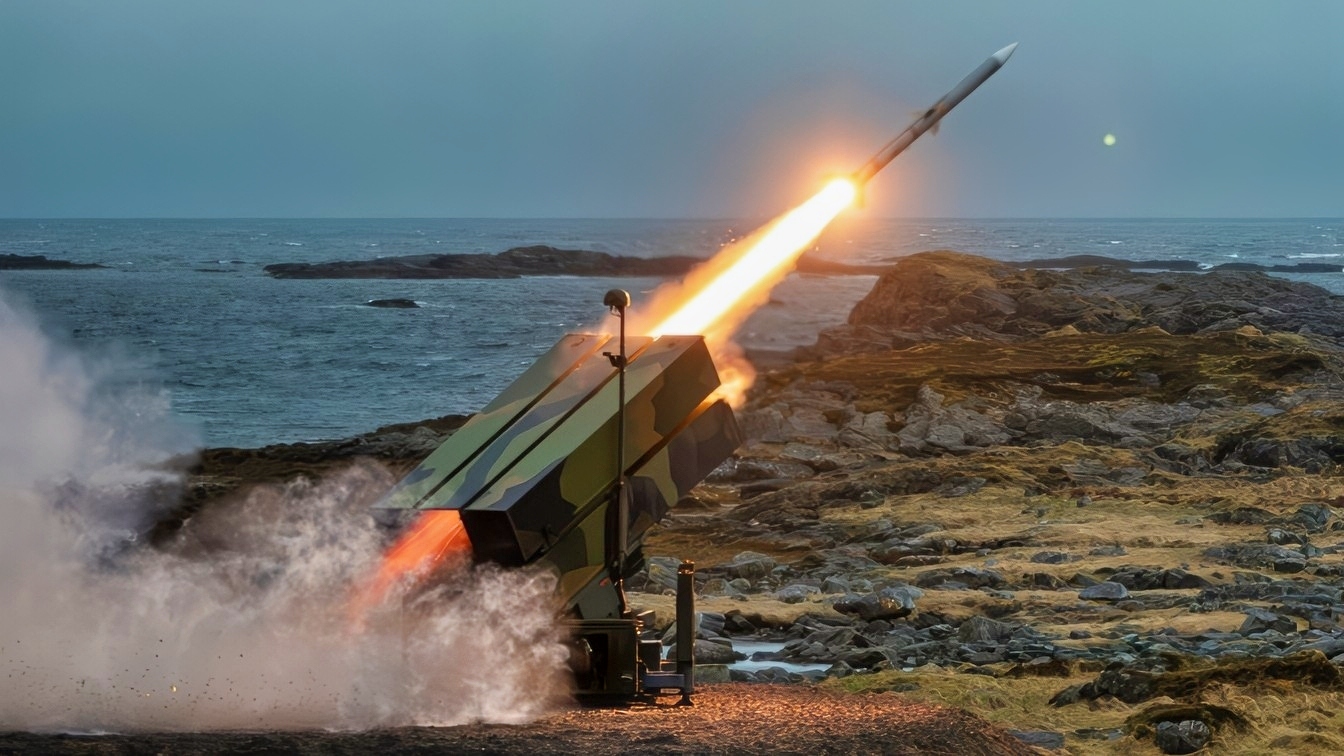
Crimea continues to be the punching bag of the Ukraine war as Kyiv ramps up its operations to make life tough for the Russian Army in the peninsula.
Originally annexed in 2014, reclaiming Crimea has been one of Ukraine’s main goals since the beginning of the war.
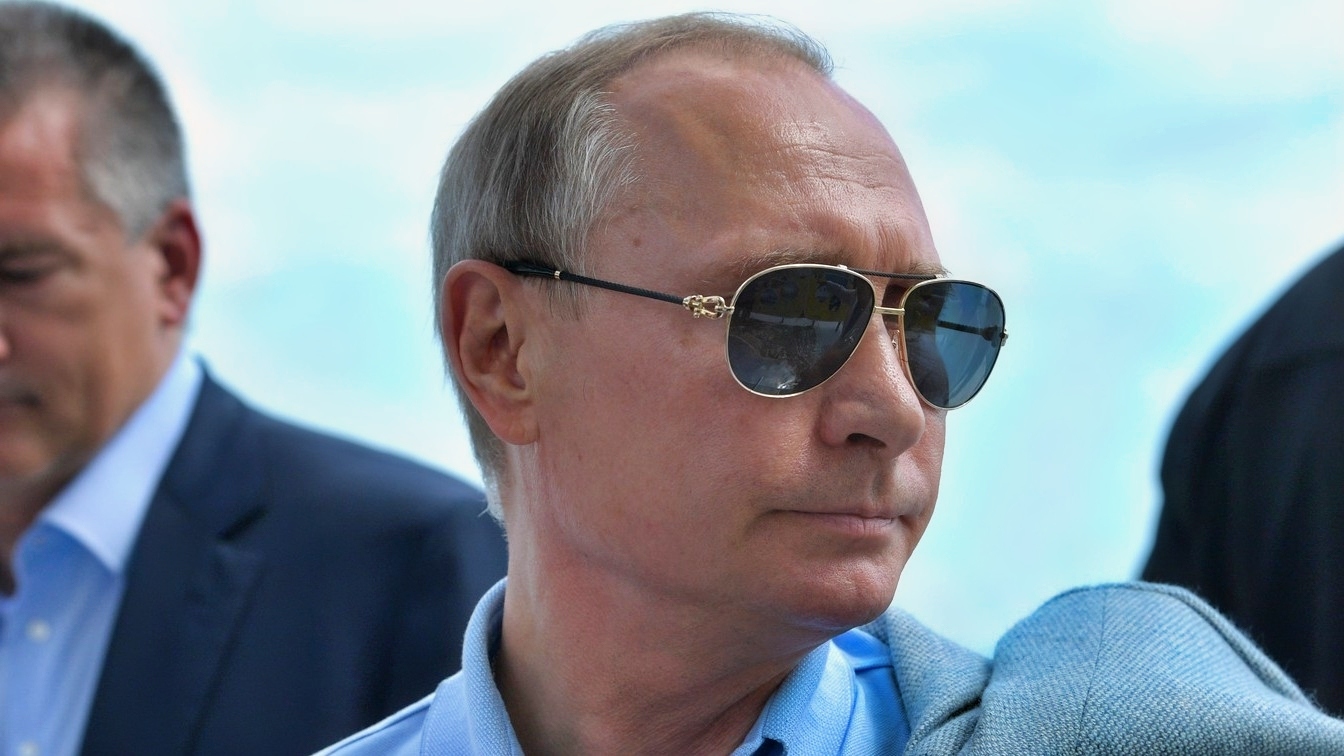
Putin in June 2016 Image Credit Russian Federation Photo
Since 2025, Ukrainian drones have been constantly harassing the Russians in the region, striking radars, air defenses, military installations, and pretty much anything else within their reach.
The main issue is not the number of drones Ukraine can produce, but rather the funding required to sustain its long-term drone operations, according to the commander of Ukraine’s most prominent drone units.
Cutting Off Crimea
Maj. Robert “Magyar” Brovdi, one of Ukraine’s most prominent commanders, said that the recent drone campaign against Crimea was only the first phase of a long-term operation to cut off Crimea and render the peninsula unusable as a staging base for the Russians. “Crimea falls within the key conceptual pillars on the path to ending the war,” Brovdi said in an interview with The Associated Press.
Crimea has been a vital military hub for Russia and has served as a staging point for Russia’s backline since it was first annexed back in 2014.
Retaining the peninsula is important not only for its strategic value but also as a point of national pride for Ukraine, helping it recover from the humiliation of 2014.
Ukraine’s summer campaign has already yielded promising results. In 2026, Ukraine has struck bridges, railways, oil refineries, and more in an effort to cut off the peninsula.
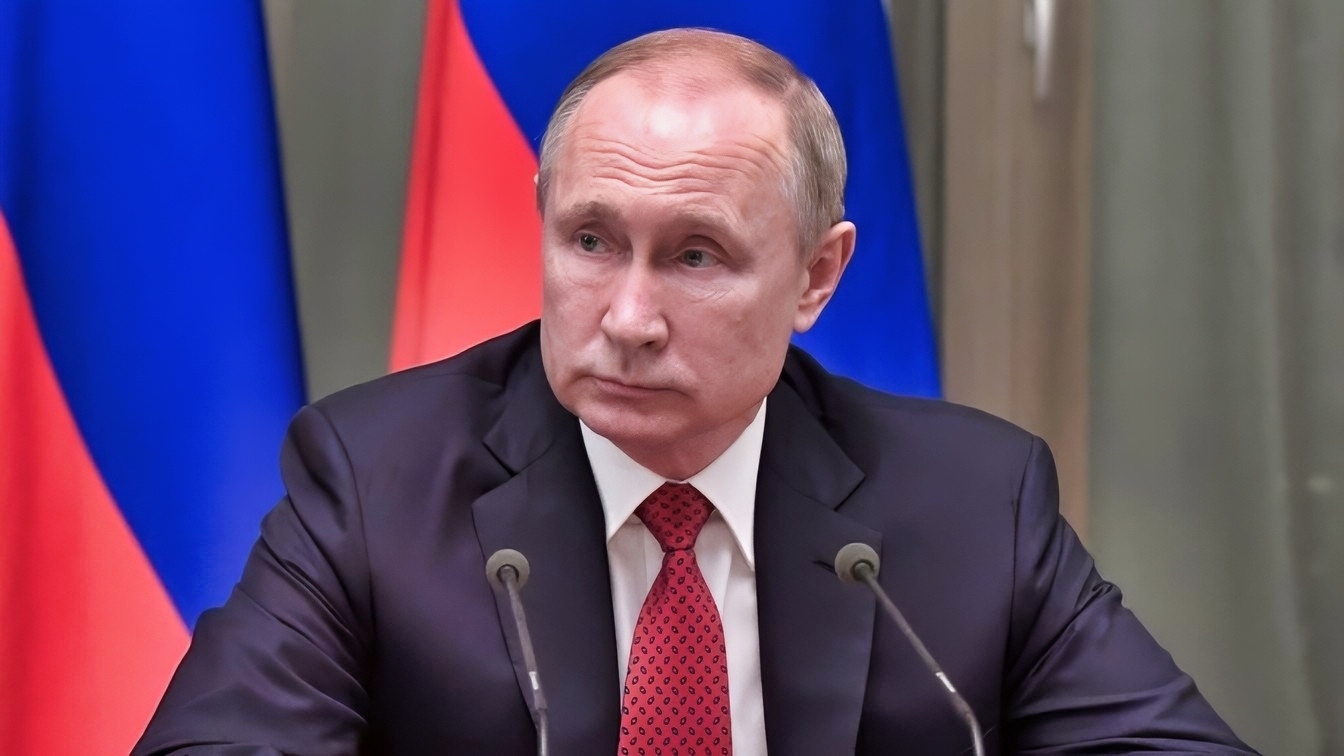
Putin in January of 2020 Creative Commons Photo
Combined with relentless attacks on logistical vehicles traveling along the Novorossyisk highway, supplying Crimea has become an issue for the Russians.
Because of its geography, there are few reliable methods of safely transporting goods into the region without getting harassed by Ukrainian drones.
The land bridge is under constant surveillance; the Crimean bridge at Kerch has been attacked on multiple occasions, and naval tankers are also under constant attack in the Black Sea.
Funding Ukraine’s Drone Campaign
The main hurdle is not production capacity; Ukraine can make as many drones as it needs.
Rather, the main setback is the reliance on Western funding, which is sometimes inconsistent and arrives later than Ukraine needs. “It’s not that the production capacity of Ukrainian manufacturers doesn’t allow us to make the necessary quantities [of drones],” Brovdi said. “It’s the banal problem of untimely financing, which our partners do allocate, but which moves significantly slower than our plans.” If the money pledged by Western allies were to come faster, he said, his forces could strike up to seven times more military targets.
While drones are much cheaper than regular missiles, they aren’t free, and as the technology becomes more sophisticated, they become more expensive.
Some drones, like the An-196 Liytyi, can cost upwards of $200,000, and the cost can quickly add up given the massive number of munitions Ukraine uses in its long-range attacks.
This is further compounded by the increasing sophistication of Russian electronic warfare, which is currently being developed to jam drones with Starlink connections.
Currently, Starlink is Ukraine’s biggest advantage, as it allows Kyiv’s drones to remain relatively immune to EW. However, the Russians have recently been experimenting with technology to jam Starlink connections.
These developments, combined with Russia’s growing domestic Starlink alternative, threaten to reduce the small advantage that Ukraine has managed to gain over Moscow.
The Conquest of Crimea: Ukraine Needs More Soldiers
Using drones to cut off Crimea is one thing; actually taking Crimea is an entirely different matter. Between Ukraine and Crimea are Russian-occupied Kherson and Zaporizhzhia and hundreds of kilometers of trenches, fortifications, landmines, and Russian drones.
In 2023, Kyiv attempted to cut off the Crimean land bridge, aiming to capture the city of Melitopol in Zaporizhzhia Oblast.
Unfortunately, that attempt ultimately failed.
Now, the Ukrainian Army, despite the advances in drone technology, is in an even more precarious situation.
It is facing an acute manpower shortage and is struggling to hold off the Russians in several directions. To mount an offensive towards Crimea, the AFU would have to pull units from other directions to amass enough manpower to achieve a breakthrough.
Such an offensive would come at a huge cost, considering the Russians are just as proficient in the area of drone warfare as the Ukrainians.
While Russia and Ukraine have intensified their respective long-range campaigns, neither side has managed to achieve a breakthrough on the front lines.
While both sides have managed to acquire some local gains, advances for Russia have remained slow, and Ukraine has been unable to push back the invaders.
In many ways, the emergence of short-range FPV drones has been a more important innovation for Ukraine’s survival than medium- to long-range attack drones.
These drones have allowed Ukraine to hold off the Russians, despite critical manpower shortages.
At the same time, Russian drones are currently preventing Kyiv from pushing Russia out of its territory (there are many more factors at play, obviously).
Consequently, the war has not changed since 2022. It remains a slow grind as both sides engage in back-and-forth positional warfare with no end in sight.
About the Author: Isaac Seitz
Isaac Seitz, a Defense Columnist, graduated from Patrick Henry College’s Strategic Intelligence and National Security program. He has also studied Russian at Middlebury Language Schools and has worked as an intelligence Analyst in the private sector.


