

Trump Threatens to ‘Cripple’ Iranian Currency – Washington is set to ramp up economic pressure on Iran as peace talks stall.
A source close to President Donald Trump told The Telegraph this week that he hopes to pressure Iran into easing its grip on the Strait of Hormuz.
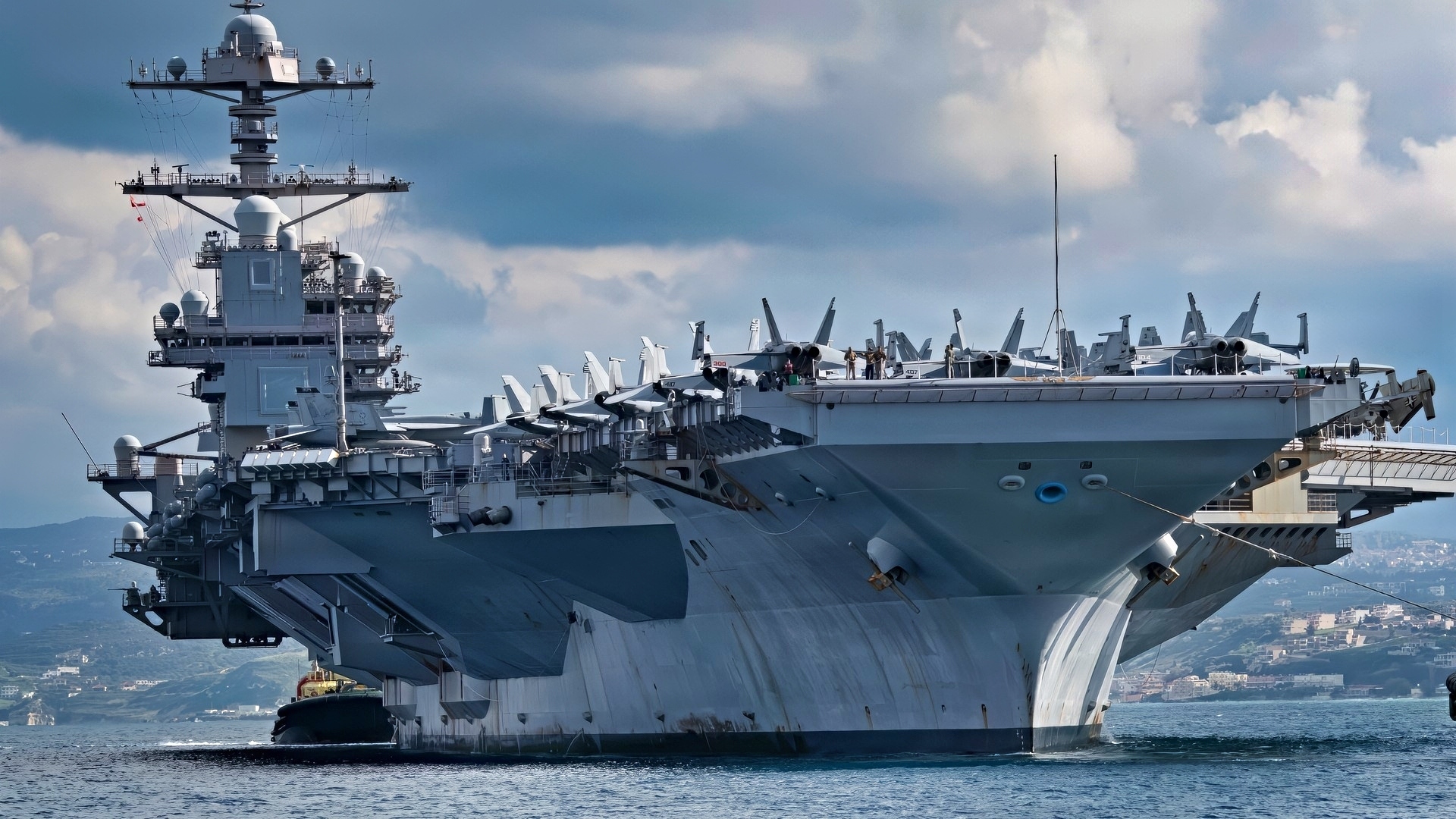
NAVAL SUPPORT ACTIVITY SOUDA BAY, Greece (Feb. 23, 2026) The world’s largest aircraft carrier, Ford-class aircraft carrier USS Gerald R. Ford (CVN 78) arrives at the NATO Marathi Pier Complex in Souda Bay, Crete, Greece, during a scheduled port visit on Feb. 23, 2026. NSA Souda Bay is an operational ashore installation that enables and supports U.S., Allied, Coalition, and partner nation forces to preserve security and stability in the European, African, and Central Command areas of responsibility. (U.S. Navy photo by Mass Communication Specialist 3rd Class Hannah Donahue)
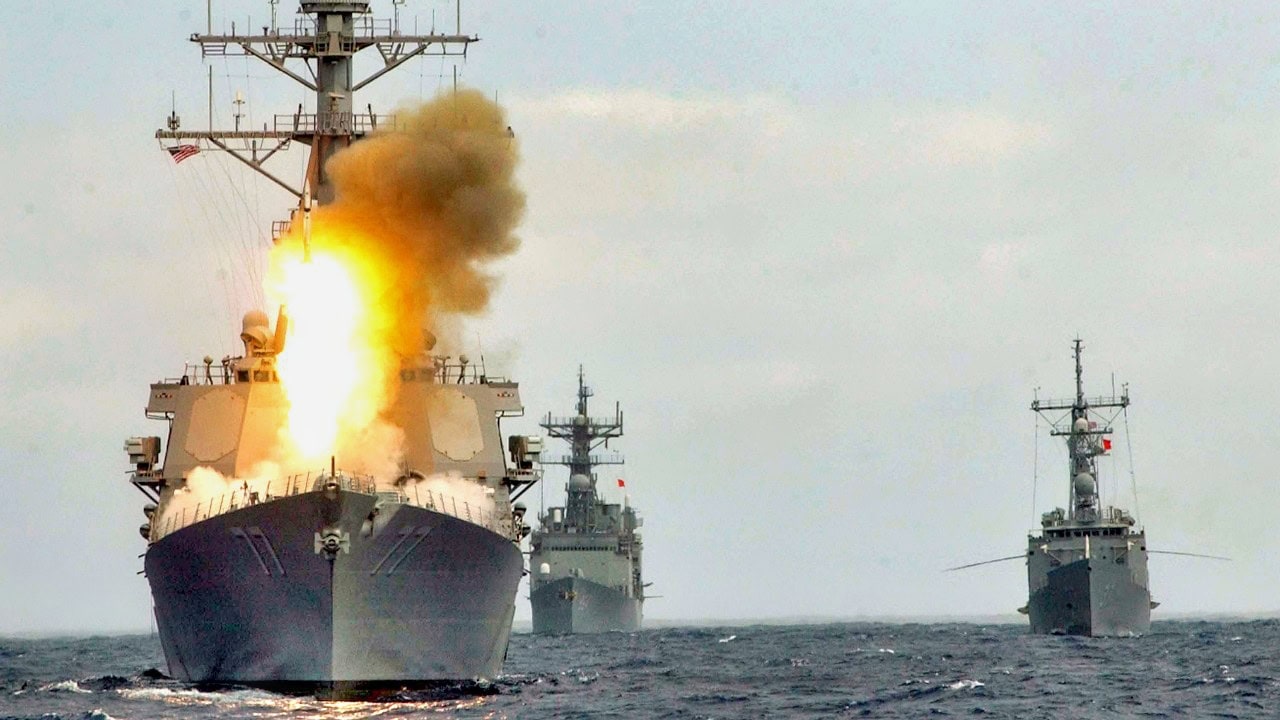
Spruance-Class Destroyer. Image Credit: U.S. Navy.
Treasury Secretary Scott Bessent’s so-called “wait-and-see” approach is set to slap stricter sanctions on Iran, while the US naval blockade of Iranian ports carries on with the aim of crippling its currency. A source close to Trump explained: ‘It’s been turned over to Bessent. Let him off the chain; he will destroy their currency.’”
“Watch this space for more announcements coming next week because we are going to apply measures like have never been seen in the history of economic isolation on a country,” the politician told Newsmax on Thursday.
A ‘One-Two Punch’ Approach
The strategy is set to be included in a “one-two punch,” including the blockade, which has cost Tehran around $4.8 billion in oil revenue already.
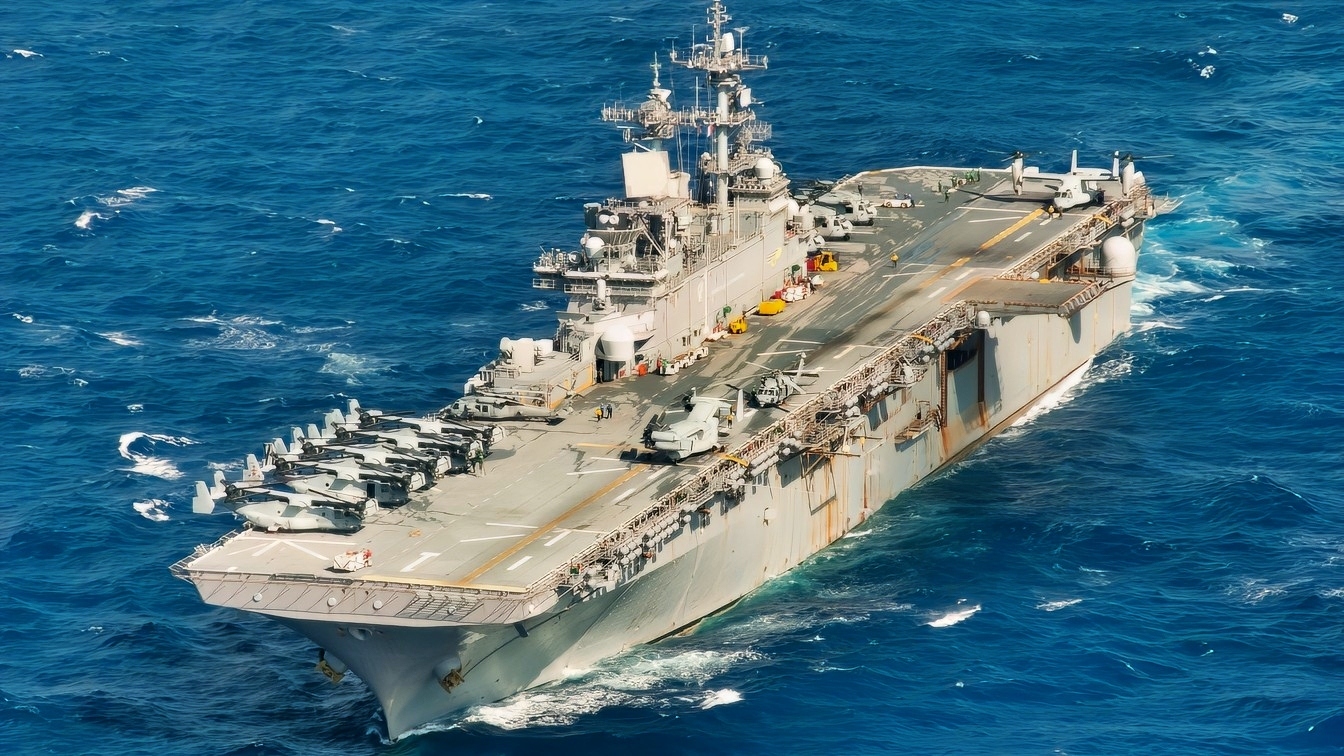
On Thursday, US Defense Secretary Pete Hegseth told reporters that the US military can maintain a naval presence in the region “indefinitely” to enforce its blockade of Iranian ports.
US President Donald Trump has stressed that the waterway is under Washington’s control, despite a spate of apparent Iranian attacks.
“Our Naval Blockade is being called, by everyone, ‘A WALL OF STEEL,’ and there is nothing Iran can do about it,” he wrote Wednesday on Truth Social.
“Indefinitely, the United States Navy can maintain a blockade like that because we’ll rotate ships in and out, as we have, and we’ll continue to,” Hegseth told reporters during a trip to Panama.
Just two ships passed through the Strait of Hormuz on Friday, although those figures are hard to verify as some vessels travel with their transponders switched off. It comes after an attack on two ships on Thursday. The United Arab Emirates blamed the attacks on Iran, after stating that two tankers owned by its state oil company were targeted.
No End in Sight
On Wednesday, an unnamed top Iranian source claimed no progress had been made in peace talks, and that Tehran and Washington were not in direct communication.
The current conflict has been ongoing for about half a year, and global fuel stockpiles are suffering as a result.
The deadlock over a peace plan means the impact on the energy market is unlikely to ease up any time soon, making the issue a point of controversy ahead of November’s midterm elections in the U.S. Diesel fuel prices currently sit at around $5.37 a gallon in the U.S., compared to $3.7201 this time last year.
Trump has also said he could renew intense military strikes and “hit Iran hard”.
The U.S. has thus far avoided targeting desalination plants or seizing islands.
Iran’s key islands in the Persian Gulf and the Strait of Hormuz serve critical roles in trade and defense. Ninety percent of Iran’s crude oil is handled via Kharg Island’s terminal, which connects to several key pipelines.
Could the War Heat Up Again?
The head of US Central Command (CENTCOM) is pushing for the resumption of attacks on Iran, including strikes on oil, gas and electricity facilities, to increase pressure on Tehran, Israeli media claimed Thursday.
Israel’s Channel 13, citing unnamed informed political sources, said Adm. Brad Cooper presented the proposal during a visit to Israel last week.
Reports say Tehran could agree to a temporary reprieve for commercial vessels in the Hormuz, in conjunction with Oman. The deadline to agree on a 60-day arrangement is Sunday, August 16.
On Sunday, Iranian Foreign Minister Abbas Araghchi said a deal was in the “final stages” but that other conditions needed to be met.
What’s New?
Washington has imposed thousands of sanctions on Iran since 2018.
But this time Washington is not merely threatening more sanctions, but a major crackdown on Tehran’s ability to earn and repatriate foreign currency.
The regime’s fuel exports provide it with foreign currency. These currencies allow it to buy imports and support the Iranian Rial. Inflation and depreciation could accelerate if the U.S. hits this process hard, especially given that the currency is already approaching historic lows. Still, Iran’s sophisticated black-market network has allowed it to evade many sanctions strategies until now. It remains to be seen how it will fare this time around.
Chinese “teapot” refiners were purchasing over 80% of Iranian oil shipments before the war, so any secondary sanctions on firms buying Iranian oil could enrage Beijing. Whether Washington wants to wade into this row will affect how far it goes with any new sanctions.
About the Author: Georgia Gilholy
Georgia Gilholy is a journalist based in the United Kingdom who has been published in Newsweek, The Times of Israel, and the Spectator. Gilholy writes about international politics, culture, and education.


