

Things may be at a standstill when it comes to negotiations between the U.S. and Iran, amid the possibility that the United States could resume military action after the midterm elections next month.
However, some strikes have continued on ships near the Strait of Hormuz.
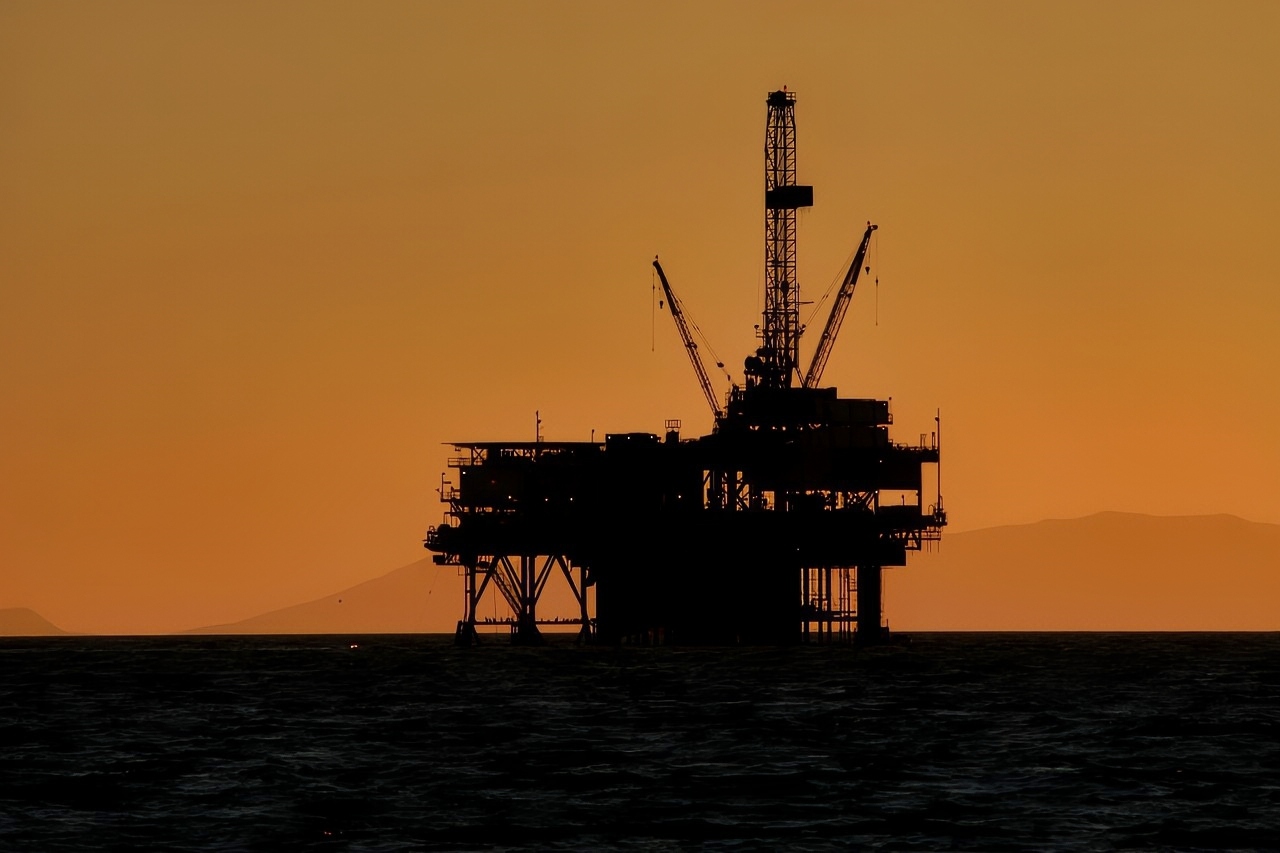
Oil Platform. Image Credit: Creative Commons.

Generic Oil Tanker Image. Image Credit: Creative Commons.
According to Reuters, two cargo ships have sunk in the last 24 hours after projectile strikes. UPI reported that the first ship hit was the Singapore-flagged GFS Pride, from which all crew were successfully evacuated.
The Independent reported that the GFS Pride could carry 2,824 twenty-foot equivalent units (TEU).
The report said the IRGC Navy said the ship attempted to cross an “unauthorized and dangerous” route.
The Maritime and Port Authority of Singapore (MPA) said in a statement after the ship sank that they were “deeply concerned about the continued attacks on commercial shipping in the Strait of Hormuz.” They went on to denounce the attacks as “unprovoked, unjustifiable, and a breach of international law.”
The other ship, the Cape Dao, registered to Antigua and Barbuda, was hit in late September and sank on Wednesday.
One crew member was killed.
UPI added that another ship from Singapore, GFS Giselle, was damaged after an “unknown projectile” hit it, although no one was injured and it made it to safe harbor.
CNN said it verified videos showing “black smoke rising from the ship” when the GFS Pride was hit. Press TV, the Iranian state media outlet, had reported that the ship from Singapore “hit a sea mine on an unauthorized route,” although CNN cited experts who said a drone strike was much more likely the cause.
CNN also cited data showing that while numerous ships have been struck since the war began in February, these are only the second and third vessels to sink in the Middle East since the start of the war.
Less Oil is Getting Through
In its incident report, the United Kingdom Maritime Trade Operations (UKMTO) found that since Monday, nine attacks had been reported in or near the Strait of Hormuz.
CNN also reported, citing Kplr data, that on Monday, 4.147 million barrels of oil passed through the Strait of Hormuz, only about a quarter of prewar levels.
Earlier this month, much more oil was passing through before attacks ramped up again.
This indicates that the Strait of Hormuz is hardly a problem the U.S. and its allies have solved.
Is There Any Way to Lower Oil Prices?
In recent months, the push to move more oil through the Strait of Hormuz using complex, clandestine means was expected to increase supply and ultimately lower prices.
Politicians, especially ahead of the upcoming midterm elections, where the cost of living is a key issue, want oil prices to fall.
But with the situation in the Strait of Hormuz so uncertain, the Trump Administration seems, at least for now, to be turning its attention towards Russia.
Trump said earlier this month that it was the refinery attacks in the Russia-Ukraine war, and not the situation in the Strait of Hormuz, that was driving the high cost of energy.
Then, last week, after pressure to deliver an “energy ceasefire,” Trump announced a deal with Russia to import diesel and lift longstanding sanctions that had stood since the start of the war in 2022.
Questions have been raised, including by some senators of the president’s own party, about whether importing oil or lifting sanctions would affect oil prices, at least in the short term.
Another concern raised was that the oil deal could act to prop up Russia, which is allied with Iran, and could even put soldiers stationed in the region in harm’s way.
Oil prices, through that all, reamin stubbornly high. Brent crude, as of Thursday afternoon, was trading at just over $106. Per Trading Economics, that level is “testing one-month highs.” This was attributed to “mounting risks to supply in the Middle East,” driven by ongoing strikes in the Strait of Hormuz and high rates for ships transiting the Persian Gulf.
About the Author: Stephen Silver
Stephen Silver is an award-winning journalist, essayist, and film critic, and contributor to the Philadelphia Inquirer, the Jewish Telegraphic Agency, Broad Street Review, and Splice Today. The co-founder of the Philadelphia Film Critics Circle, Stephen lives in suburban Philadelphia with his wife and two sons. For over a decade, Stephen has written thousands of articles on politics, national security, technology, and the economy. Follow him on X (formerly Twitter) at @StephenSilver, and subscribe to his Substack newsletter.


