

President Donald Trump and the Republican Party are working around the clock to rally the Republican base and prevent the Democrats from taking control of Congress in November – and while the White House is publicly optimistic, the polls tell a different story.
Most national polls now show Democrats on course to win control of Congress, but Republican strategists and even White House spokespeople publicly question the polls’ accuracy.
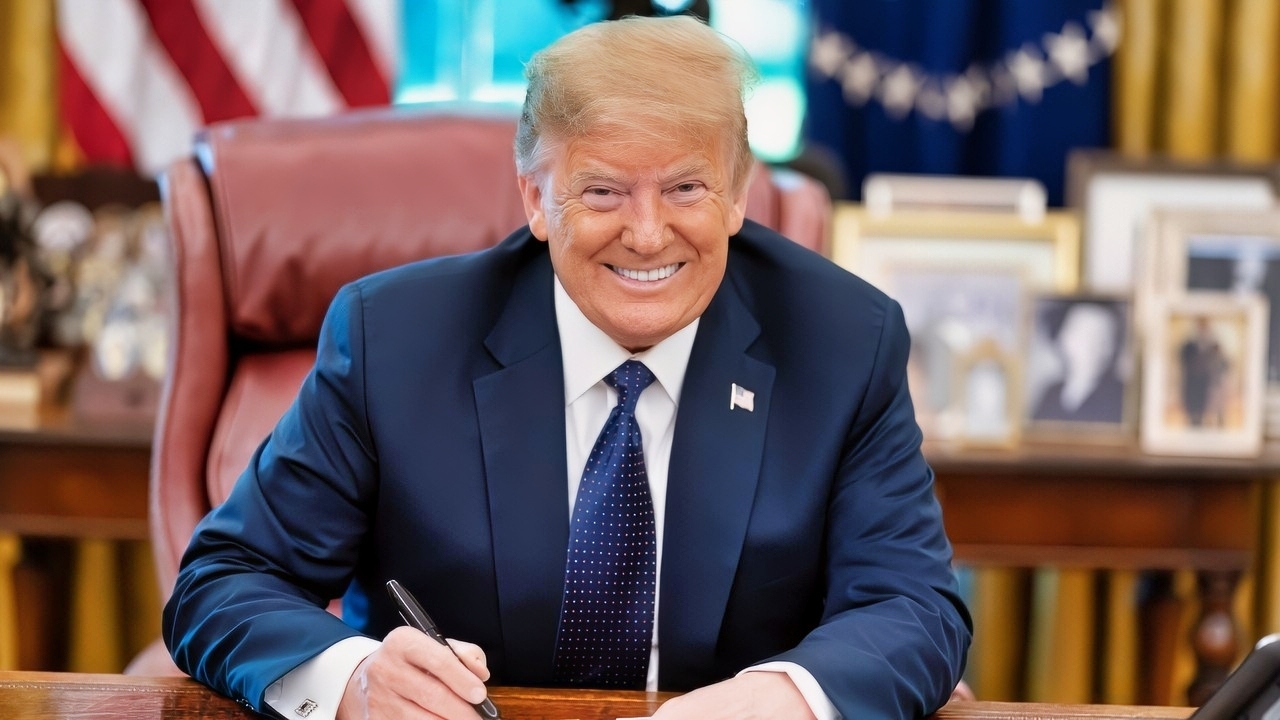
Donald Trump Back in 2020. Creative Commons Photo.
But could the Republicans really succeed in November?
It’s hard to know until Americans turn out and vote, but as it stands, the president’s approval ratings have fallen to historic lows.
Voters are increasingly dissatisfied with the Iran war and rising prices.
Republicans know that the political environment is unfavorable, but some believe that the pollsters may be underestimating conservative voters – just as they have done in presidential elections in the past.
A Republican victory is still unlikely based on current polling, but some reasons suggest Republican candidates might still overperform.
Republicans Hope the Polls Are Wrong
In a POLITICO report published Thursday, October 15, Republican strategists were described as treating previous polling failures as evidence that the November elections may not be as disastrous as many expect.
The report cited conversations with more than a dozen Republican operatives and officials and showed that some believe even small polling errors could dramatically change the outcome.
Matt Whitlock, a Republican strategist and former senior adviser to the National Republican Senatorial Committee, argued that polling organizations are struggling to reach Republican voters who refuse to participate in surveys.
Historically, these voters have been described as “Shy Trump” or “Shy Republican” voters, because they are less likely to either admit that they support the Republicans or engage with pollsters at all.
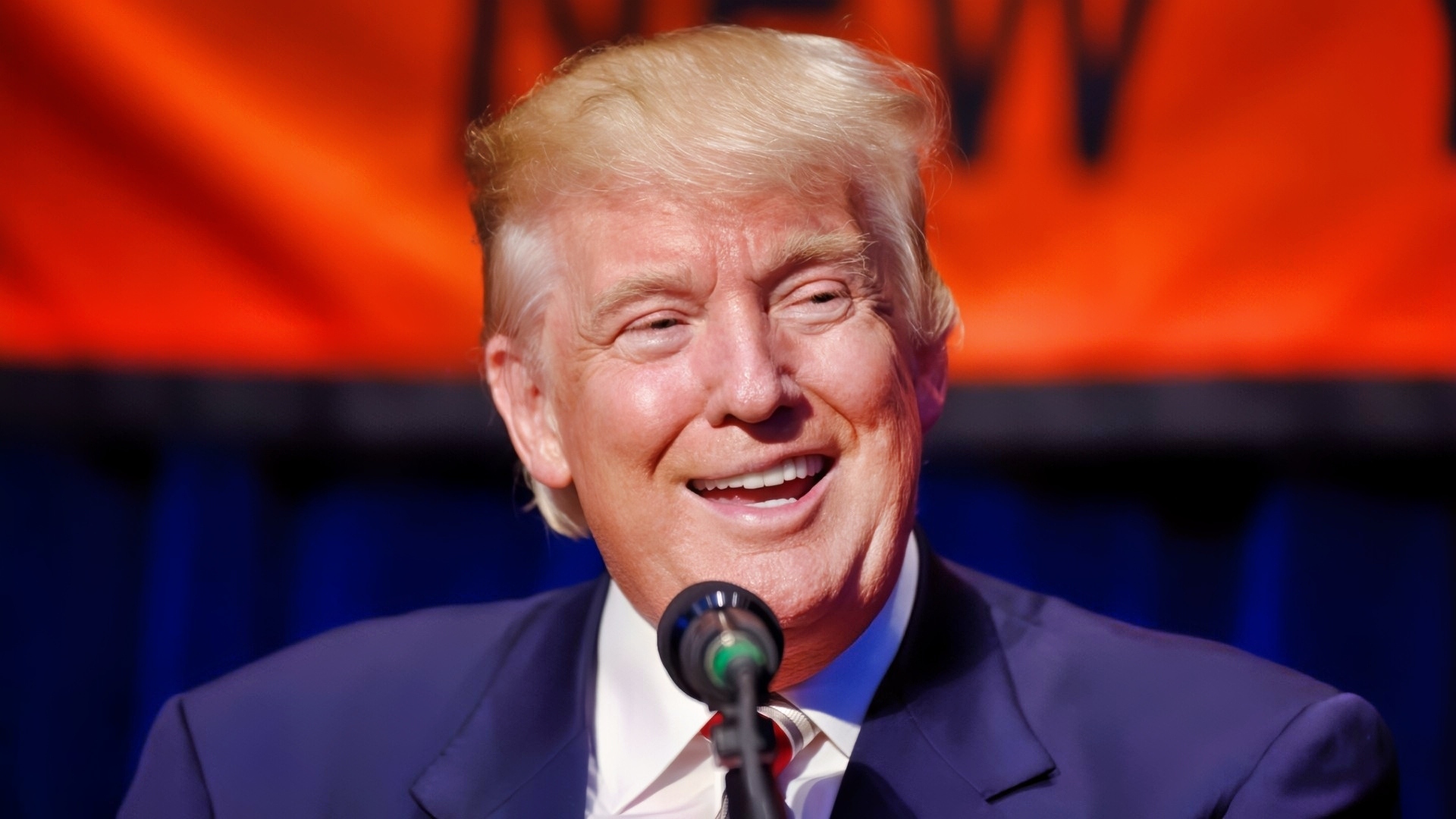
Donald Trump in NYC Creative Commons Photo
Historical evidence supports this: pollsters underestimated President Trump’s support in 2016, 2020, and 2024.
Republican pollster Patrick Ruffini also reportedly found that surveys in Iowa, Michigan, and Ohio between 2018 and 2024 overstated support for Democratic Senate candidates.
The Washington Post reported on October 8 that polling in those three states overestimated Democratic candidates’ performance by an average of 6.2 percentage points.
And all three of those states have competitive Senate elections this year.
If Republican candidates even slightly overperform the polls, it could significantly change the overall result.
Polling Still Looks Bad
That said, the polls look pretty terrible today, and the Democrats’ advantage is substantial. Most polls agree, too.
A Pew Research Center survey published on October 8 showed Democrats leading Republicans by eight percentage points in national House voting preferences, and the same survey showed that Trump’s approval rating had fallen to just 30%.
Democratic voters, meanwhile, were substantially more enthusiastic about participating in November.
63% of Democrat respondents said that they were extremely motivated to vote, while 46% of Republicans said the same.
And the situation is concerning for Republicans in the Senate, with an October 14 forecast from Silver Bulletin showing Democratic candidates leading polling averages in six potentially decisive Senate races, including Maine, Texas, Ohio, Iowa, Michigan, and Alaska.
Democrats need to win four Senate seats to secure a 51-seat majority.
Polling suggests Democrats can win, but margins in several states are still narrow enough that even modest shifts could deprive them of total control of Congress.
A Democrat Landslide Is Not Guaranteed
While the polling paints a depressing picture for Republicans, the GOP has some structural advantages that could keep Democrats from winning full control.
In an October 12 analysis, Reuters identified several obstacles that could keep Democrats from turning general dissatisfaction with Trump into major congressional gains, including the small number of competitive House districts.
Redistricting and extreme political polarization mean only about 40 to 50 of the country’s 435 congressional districts are now genuinely competitive. Cook Political Report even classified only 21 districts as toss-ups.
That could limit Democratic gains even if the party polls higher than Republicans nationally.
Another advantage for Republicans is money, with reports suggesting that the Republican national committees and their supportive congressional political action committees have substantially more cash on hand than their Democratic counterparts.
That is a clear advantage, as long as the Republicans spend it wisely.
Turnout
The Republicans’ best hope, however, may be turnout, which is why President Trump is touring traditionally Republican states to rally support.
Trump supporters who rarely vote in midterms could turn things around for the GOP if they show up in November.
If Republican turnout exceeds expectations and Democratic enthusiasm fails to translate into real votes, the GOP could outperform and even potentially retain control of Congress.
A lot, therefore, rides on Trump’s ability to turn his most die-hard supporters into voters for Republican candidates.
About the Author: Jack Buckby
Jack Buckby is a British researcher and analyst specializing in defense and national security, based in New York. His work focuses on military capability, procurement, and strategic competition, and he produces and edits analysis for policy and defense audiences. He brings extensive editorial experience, with a career output spanning over 1,000 articles at National Security Journal, and has previously authored books and papers on extremism and deradicalization.


