
President Donald Trump’s strategy of “low-keying it” with Iran, a term he used to describe his decision to refrain from continued military strikes that would force him to expend a dwindling supply of precision-guided missiles, is a long shot.
At least, for now.
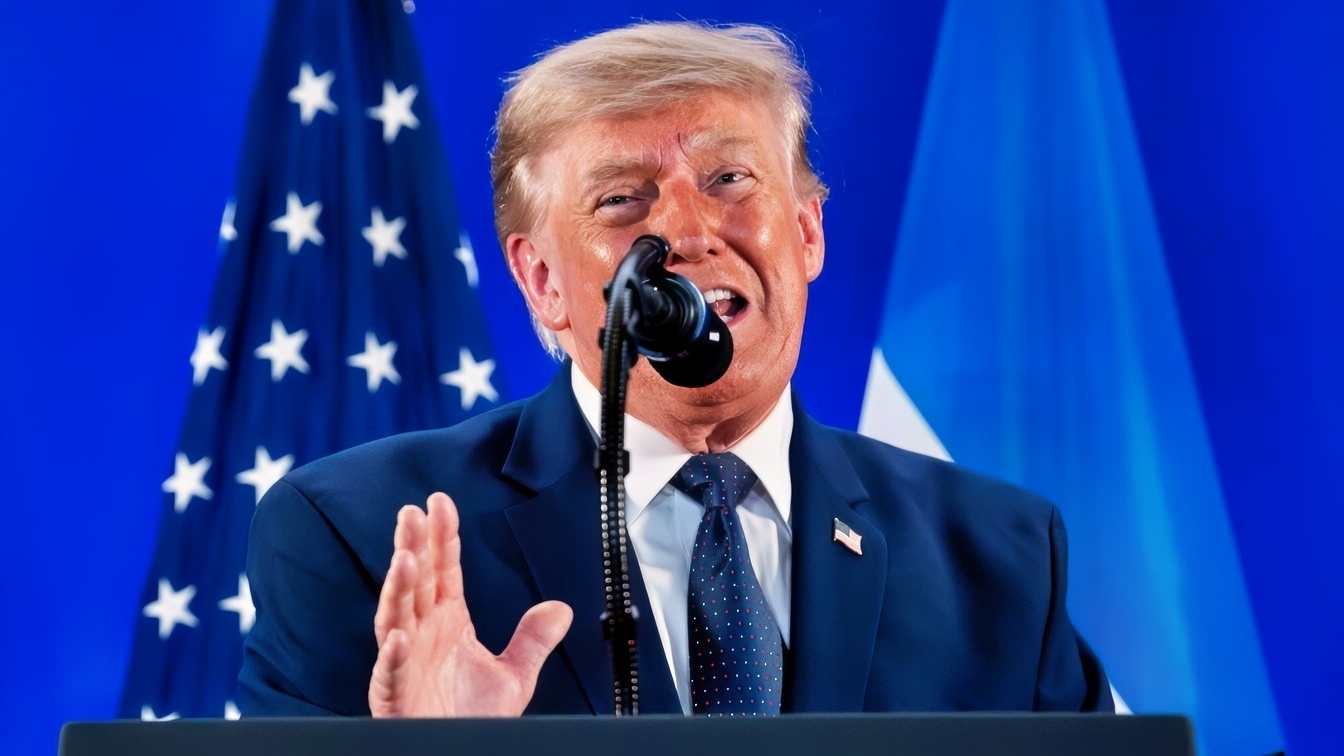
President Donald J. Trump delivers remarks at a FIFA reception at Trump Tower in New York City, Friday, July 17, 2026, ahead of the World Cup Final on Sunday. (Official White House Photo by Daniel Torok)
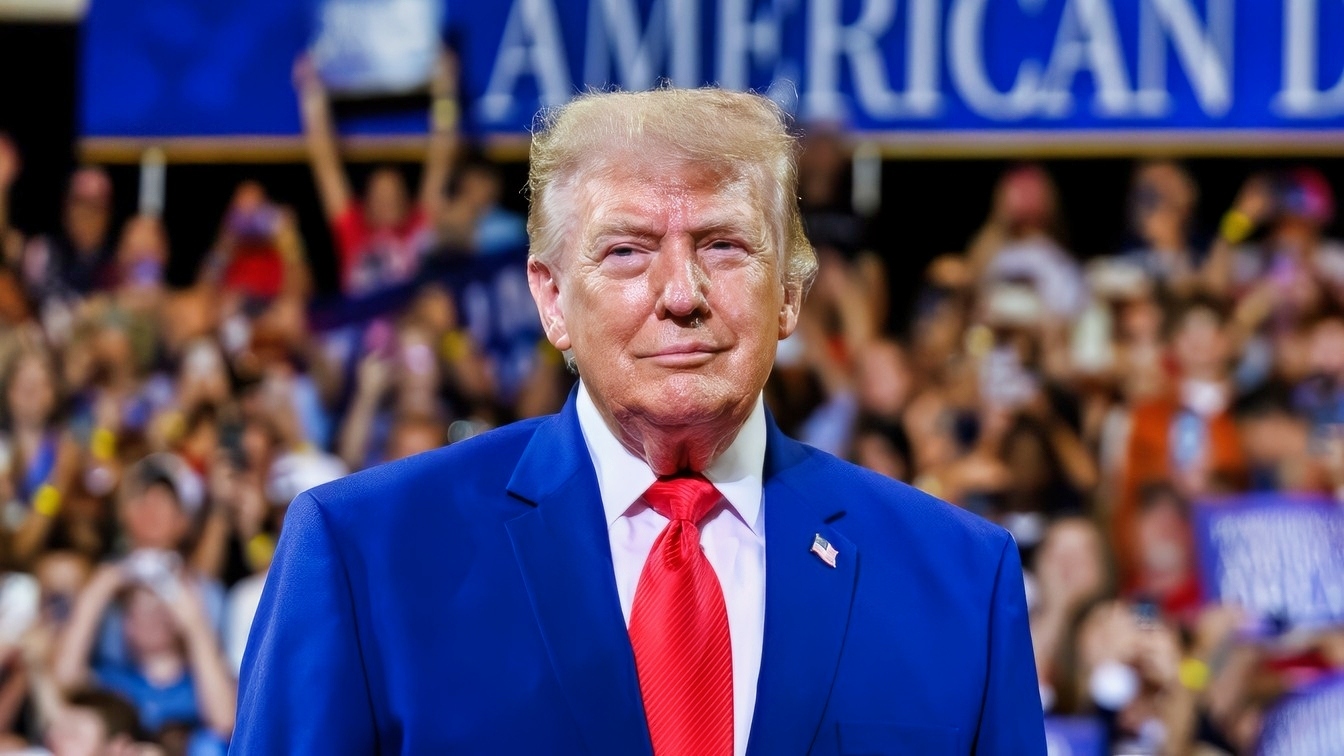
President Donald J. Trump delivers remarks on Trump Accounts, Wednesday, July 22, 2026, at Wheeler High School in Marietta, Georgia. (Official White House Photo by Molly Riley)
The president is betting that Iran’s worsening economic situation will eventually force Tehran to make concessions and bring an end to a war that has dragged on for almost six months.
The Islamic regime is ideologically motivated, and it also knows that time is not on Trump’s side.
Tehran, it seems, believes it can endure the economic pain long enough for the political consequences of the war to weaken Trump at home and secure concessions that will ultimately allow the country—and the regime—to rebuild.
A senior adviser to Iran’s Islamic Revolutionary Guard Corps (IRGC) said last week that Tehran could deliberately prolong the conflict until Trump leaves office, while other Iranian officials and media sources have openly discussed the possibility that the November midterm elections could change the thinking in Washington.
It is clear to the entire world that Trump only has a few more months to make serious progress against Iran — and it’s also clear that the global economy cannot endure the disruption in the Strait of Hormuz for even that long.
The war with Iran is no longer being fought with missiles, at least for the time being. Instead, the Islamic regime and Washington are largely waiting for each other out, betting that the other side will fold.
Trump Is Betting Iran Breaks First
The Trump administration’s strategy has substantially changed since July, when the U.S. military launched consecutive nightly strikes against Iranian military infrastructure for almost two weeks.
Rather than bombing Iran every night, Washington, Trump says, is now focused on ensuring that Tehran feels maximum economic pain. The Trump administration has reinstated sanctions it suspended under the failed June memorandum of understanding, it has resumed its naval blockade, and it has threatened further measures to restrict Iran’s access to international markets.
Treasury Secretary Scott Bessent even suggested this week that historic measures would arrive next week.
On Sunday, August 16, Reuters published claims that the administration is considering secondary sanctions against Chinese refineries and banks involved in Iranian oil transactions, making it even harder for the regime to sell its oil and generate revenue.
But that strategy only works if you look at Iran’s economy in a purely logical sense. Inflation is still very high, and the rial has weakened sharply after months of war.
Trump looks at these problems and assesses that Iran cannot withstand that pressure indefinitely, but Iran doesn’t think the same.
After all, this is not a regime held accountable by its people in the same way President Trump, his administration, and his party are every time voters go to the ballot boxes.
Iran can endure the pain, and the regime can force its people to endure extreme hardship, if it means long-term survival for the country’s leadership.
Iran Believes It Can Outlast Trump
It’s not hard to understand Iran’s thinking at this point, because its military leadership is publicly stating its intention to outlast President Trump.
Mohammad Reza Naghdi, a senior adviser to the IRGC commander, said last week that one potential strategy would be to deliberately prolong the confrontation until after Trump leaves the White House.
“One way is to prolong this war until we get to the next term of the presidency and cause attrition, so that if anyone else wants to attack Iran, they will know there is a cost,” Naghdi told PBS NewsHour on Tuesday after he was asked whether Iran was deliberately dragging out the war.
“We have to attain deterrence so that the enemy never dares to attack us, so we can live with security,” he continued.
The strategy is not entirely new. In fact, Iran has prolonged the war and the negotiations to end it since the very early days of the conflict.
Iran Is Talking About Defeating Trumpism
On Sunday, former Iranian Foreign Minister Manouchehr Mottaki described that same calculation, reportedly arguing that Tehran’s strategy for the time being should be to seek a political victory, suggesting the regime could ensure the “defeat of Trumpism” in the midterm elections.
Mottaki reportedly advocated keeping Hormuz closed long enough to further strain U.S. energy supplies, bring the world to the brink of an oil supply crisis, and drain strategic reserves to dangerously low levels.
He warned that Trump might continue the cycle of limited warfare, blockade, and negotiations before launching a “fourth war” against Iran after the November elections.
He also once again suggested that Iran impose qisas, or retributive death sentences, against both President Trump and Israeli Prime Minister Benjamin Netanyahu, according to the Iranian Students’ News Agency.
Iran knows waiting will worsen its own economic pain, but its leadership knows another few months of hardship will be worth it to weaken Trump politically and could leave Iran in a stronger position than making concessions now.
In other words: don’t expect Iran to fold before November. Or perhaps at all.
About the Author: Jack Buckby
Jack Buckby is a British researcher and analyst specializing in defense and national security, based in New York. His work focuses on military capability, procurement, and strategic competition, producing and editing analysis for policy and defense audiences. He brings extensive editorial experience, with a career output spanning over 1,000 articles at 19FortyFive and National Security Journal, and has previously authored books and papers on extremism and deradicalization.


